A good soft flask should survive a full season of long runs, and often much longer, if you choose well and look after it. Durability comes down to four things: the material, the cap and valve, how easily you can dry the inside, and how you treat the flask between runs. Get those right and a flask stays leak-free and fresh-tasting. Get them wrong and even a well-made one turns smelly or starts to weep at the cap.
This guide is for runners filling a vest pocket or belt for the first time, and for anyone who has already binned a flask that leaked or went mouldy. We cover what to check before you buy, what wears out first, how to wash and dry a flask properly, and when to replace it.
TL;DR
- Durability depends mostly on the flask’s material, the cap and valve, and whether you can dry the inside fully.
- The parts handled most, the cap and valve, are the likeliest to need attention first, so look for a design where they are easy to inspect and clean.
- Air-dry every component completely before reassembling, and keep sugary drinks from sitting in the flask.
- Avoid freezing a flask full of liquid and avoid forcing the cap onto its thread.
- Replace a flask when it leaks despite a correctly seated cap, develops cracks or thinning, or keeps smelling after a proper clean.
Table of Contents
- What actually wears out on a soft flask
- How to judge durability before you buy
- Real-world signs of a long-lasting flask
- Washing and drying: the biggest durability lever
- Heat, cold, storage and handling
- When a flask leaks
- Signs it is time to replace your soft flask
- How long should you expect a flask to last?
- Our perspective on soft flask durability
- Choosing a flask built to last
- A simple care calendar
- FAQ
- Sources
What actually wears out on a soft flask
A soft flask is simple: a flexible body, a cap, and usually a bite valve or push-pull spout. The body gets squeezed, folded, rubbed against your vest and stuffed into pockets. The cap and valve get twisted, bitten, pulled and rinsed. Wear shows up where movement and handling are greatest.

The body
The flexible wall takes repeated compression. Over time, flex points near the base or along the folds are where you may eventually see creasing or whitening. A body that is soft but not flimsy handles this better. A thick, supple wall moulds to your hand and your vest, which also reduces how hard it rubs in one spot.
The cap and valve
The cap and valve are the parts you touch on every refill and every sip, so they see the most mechanical stress. A cap can wear if it is cross-threaded or overtightened. A bite valve can pick up small nicks if it is chewed rather than gently bitten. A manufacturer’s own manual warns that improper threading, damage or contamination can compromise the system, which is a useful reminder that the thread is worth treating gently (Katadyn BeFree manual, United States).
The valve is also the hardest place to clean. Drinks with sugar can leave a film in a narrow channel, and a film you cannot see is a film that can sour the taste. That is less a durability failure than a hygiene one, but runners often replace a flask for exactly this reason.

The inside
The inside is where most “worn out” flasks actually fail. Moisture trapped in a flask with a narrow neck or a tight base can grow mould spots, and once that happens the flask often feels beyond rescue. A wide opening makes the difference between a flask you can wipe and dry, and one you can only rinse and hope about. We cover drying in detail below.
How to judge durability before you buy
You cannot stress-test a flask in a shop or from a product photo, but you can read the product page and the object itself for clues.
- Is the material named? A seller confident in its flask says what it is made of. A vague description such as “premium plastic” tells you little.
- Can you get your hand or a brush inside? A wide neck means you can clean and dry it. A narrow neck and tight corners make drying difficult.
- Does the cap seat cleanly? A cap that threads on smoothly, without a gritty feel, is less likely to cross-thread.
- Is the valve easy to inspect? You should be able to see the channel and the seal.
- Is the size sensible for your vest? A flask that has to be forced into a pocket is rubbed and creased on every run. A 500ml flask is the default for many runners, and our guide to soft flask sizes that work explains why.
- Is the fit with your kit right? A flask that sits snugly in a vest pocket moves less, and a flask that moves less rubs less.
A price tag is not a durability guarantee in either direction. Very cheap flasks often skimp on cap threads and valve seals, while a high price may simply be a brand premium. We think the sensible middle is a flask built from sound materials and refined through testing, which is the approach behind ours.
Real-world signs of a long-lasting flask
Independent reviewers who put flasks through repeated outdoor use tend to report the same simple things: no visible damage to the body, and no odour once the flask has been rinsed and propped open to air out. One September 2026 hands-on review of a flexible hydration flask noted exactly that after the reviewer’s trips (GearJunkie review). Notice what the habit is: rinse, then open it up to air. That is the care routine, and it is the same one we recommend for running.
For more on what repeated sports use does to your gear and your body’s hydration needs, our readers can also look at this hydration for workouts guide, which covers why you drink what you drink during exercise and therefore what ends up sitting in your flask.
Washing and drying: the biggest durability lever
If you do one thing to extend the life of a flask, make it this: dry it completely. The Katadyn manual instructs users to air-dry components completely before reassembly (Katadyn BeFree manual, United States). That is a simple instruction with a large payoff, because a sealed, damp flask is where mould starts.
A routine that takes two minutes
- Empty and rinse straight after the run. Do not leave the flask in your kit bag overnight.
- Take the cap and valve apart. Rinse each piece under warm running water.
- Wash with mild soap. Use a soft bottle brush for the body and a small brush for the valve.
- Rinse until the soap is gone.
- Dry open. Stand the body upside down or prop it open so air circulates, and lay the cap and valve out separately.
- Reassemble only when everything is dry. Then store it with the cap off or loosely on.
The same manual says the soft flask it covers may be placed on the top rack of a dishwasher. That applies to that manufacturer’s product, so check the care instructions for your own flask before using a dishwasher. For ours, follow the steps in our full soft flask cleaning guide.
Sports drinks and taste
Sugary drinks and electrolyte mixes leave residue that is harder to rinse than plain water. If you use them, rinse the flask and valve soon after the run, not hours later. Many runners fill one flask with plain water and one with a mix, and keep the mix flask on a stricter wash schedule. If your flask has started tasting off, our piece on fixing soft flask taste walks through quick fixes.
Heat, cold, storage and handling
How you store and treat the flask matters as much as how it was made.
- Do not freeze it full. The Katadyn manual warns that freezing can compromise the system (Katadyn BeFree manual, United States). Some runners freeze a flask partly filled to carry cold water on a warm day; if you do, check your flask’s own care guidance first and never fill it to the top.
- Keep it out of hot cars. A flask left on a back seat in summer is exposed to far more heat than it sees on a run. Store it indoors.
- Thread the cap straight. Start the cap by hand, turn it back slightly until you feel the thread catch, then tighten. Never force it.
- Do not overfill. A flask filled to the brim and squeezed in a pocket puts pressure on the cap seal. Leave a little room. Our guide to refilling soft flasks shows how to fill them fast and clean.
- Do not use sharp tools to clean. A scratch on the inside is an invitation for residue.
- Store open and dry. A flask zipped away damp is the main route to a musty smell.
When a flask leaks
Most leaks are not a sign the flask is finished. Before you give up, check these in order:
- Is the cap fully and evenly threaded? Re-seat it.
- Is the valve closed or locked? Check it is in the closed position.
- Is the seal clean? A grain of grit or dried drink on the thread can stop a good seal. Rinse and dry it.
- Is the flask overfilled or being squeezed? Pocket pressure can push liquid out of the valve.
If you want a detailed walk-through, see our guide on how to avoid flask leaks on long runs.
Signs it is time to replace your soft flask
A flask is a low-cost item and a worn one is not worth the risk of a mid-run failure. Replace it when you see any of the following:
- A leak that persists after you have re-seated the cap, cleaned the thread and checked the valve.
- Cracks, whitening or thin patches in the body, especially at fold lines or near the base.
- A damaged or torn valve that no longer closes properly or bites through.
- A cap whose thread is stripped or will not tighten.
- Smell or taste that returns after a thorough clean, or visible mould you cannot remove.
- A sticky film inside that scrubbing does not shift.
Do not carry on with a damaged flask on a race day. Our guide to soft flasks for racing covers what to bring when the stakes are higher, and a fresh flask for a goal race is a sensible choice.
How long should you expect a flask to last?
There is no single figure that holds for every runner, because lifespan depends on how often you run, what you drink, and how well you dry the flask. A runner who rinses, dries and stores a flask properly can expect a long working life. A runner who leaves sports drink to ferment in a closed flask will not. We would rather tell you the habits than invent a number.
A useful way to think about it: treat the flask as a piece of kit you inspect, as you would the laces on your shoes. Look at it once a month, check the cap thread, flex the valve, and hold the body to the light.
Our perspective on soft flask durability
We build our flasks for everyday runners, and durability is a design question we take seriously. A runner does not want a flask that is merely cheap, or one that carries a premium price for the badge. They want one that works on every long run and still works next season.
Every product we make is developed from real runner feedback, with multiple sample revisions, extensive testing and strict quality control before launch. For a soft flask, that means paying attention to the details a runner actually feels: how the cap threads on, how the flask sits in a vest pocket, how it feels in the hand, and how easy it is to clean and dry.
Our view is that a flask earns its place by being simple. Performance without unnecessary complexity means fewer fiddly parts to wear out or trap residue. Honest quality over marketing hype means we would rather tell you to rinse and air-dry your flask than promise it never needs care. Any flask, ours included, lasts longest when it is looked after.
We also sit between budget marketplace products and expensive premium brands on purpose. Premium quality at an accessible price means you can keep a spare flask for race day and a second for sports drink, and rotate them. That alone extends the life of both.
martin
Choosing a flask built to last
If you are ready to buy, our 500ml running soft flask is designed for hydration vests and developed with feedback from UK runners. We make it in black, pink and purple, so you can tell two flasks apart when you carry one for water and one for a mix.

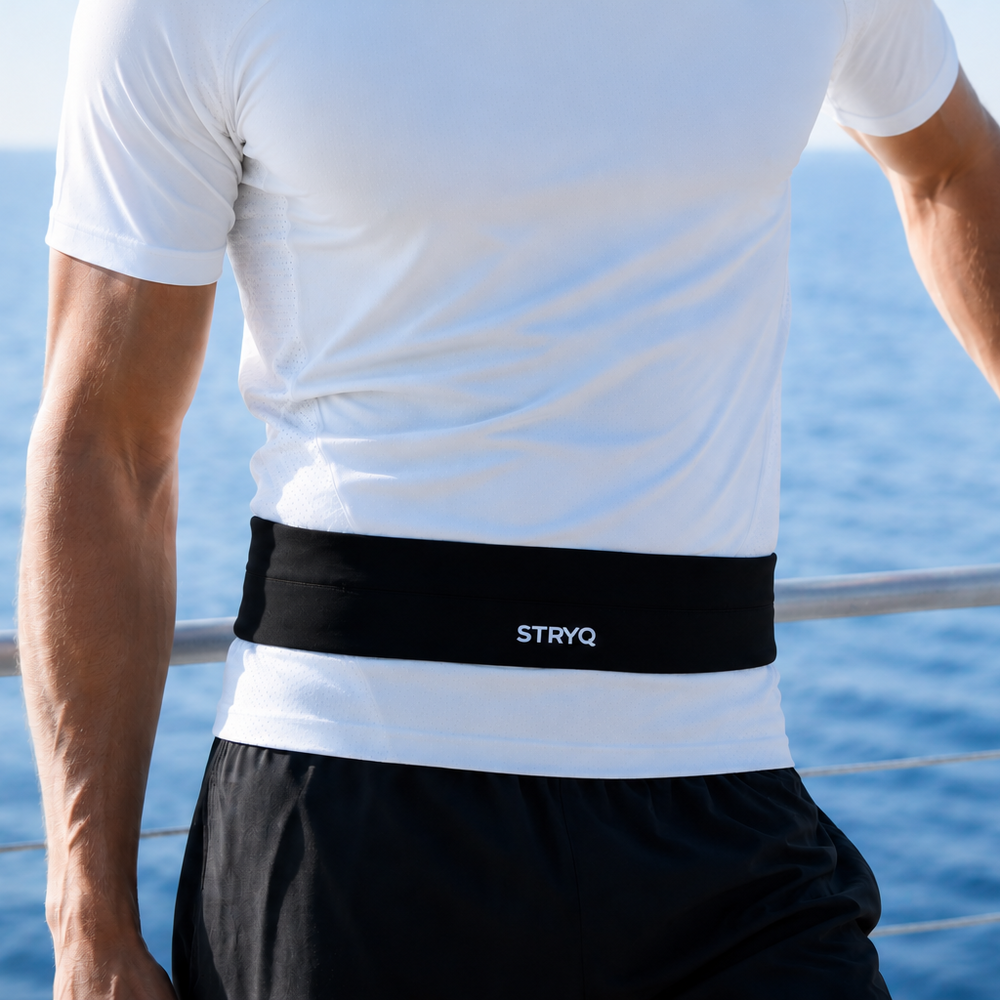
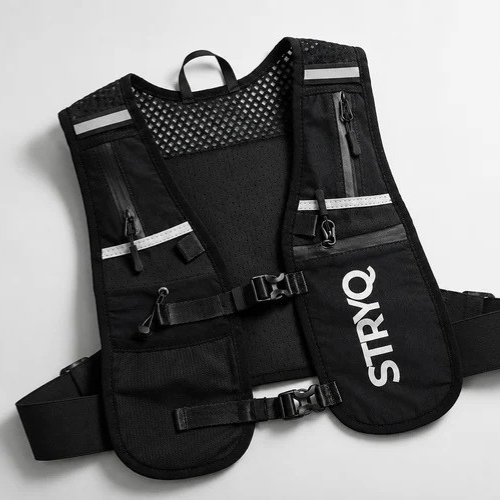
Pair it with our hydration running vest or running belt if you are setting up your kit from scratch. If you are still deciding between formats, our comparison of a soft flask vs a bottle for running will help, and our soft flask review for running explains what to look for when choosing.
A simple care calendar
You do not need to think about durability on every run. A short schedule covers it.
| When | What to do |
|---|---|
| After every run | Empty, rinse, take apart, leave open to air-dry |
| After sports drink runs | Wash cap and valve with mild soap and a small brush the same day |
| Weekly | Full wash of body, cap and valve, then dry completely |
| Monthly | Inspect cap thread, valve and body folds for wear |
| Before a race | Check for leaks with water over a sink, replace if in doubt |
| When storing | Keep dry, cap off or loose, out of heat and out of the freezer |
FAQ
How long does a soft flask last?
It depends on how often you run and how you care for it, so no honest figure fits everyone. A flask that is rinsed, dried open and stored away from heat can serve you for a long time. A flask left damp or filled with sugary drink for days will wear out sooner, usually through smell or valve problems rather than a split body.
Which part of a soft flask fails first?
The parts that are handled most are the likeliest to need attention: the cap, its thread and the valve. They are twisted, bitten and rinsed on every run. Thread the cap straight, avoid chewing the valve and clean it regularly, and these parts last far longer.
How do I stop my soft flask going mouldy?
Dry it completely. Take the cap and valve apart, rinse, and let every component air-dry before reassembling, as a manufacturer manual instructs (Katadyn BeFree manual). Store the flask open. A wide neck helps, because you can reach and dry the inside properly.
Can I put a soft flask in the freezer or dishwasher?
Check your flask’s own care instructions first. One manufacturer manual says freezing can compromise its system, while allowing its own soft flask on the dishwasher’s top rack (Katadyn BeFree manual). For our flasks, hand washing with mild soap is the routine we describe in our cleaning guide.
When should I replace my soft flask?
Replace it if it keeps leaking after you have re-seated the cap and cleaned the thread, if the body cracks or thins, if the valve is torn, or if odour and taste return after a proper clean. Do it before a race, not during one.
Sources
- Katadyn BeFree manual, United States
- GearJunkie review of a flexible hydration flask
- Hydration for workouts guide