A soft flask vs bottle choice can make a bigger difference to a run than it first appears. The wrong option can bounce in your hand, dig into your waist, leak in your bag or simply feel like too much to carry. The right one lets you drink when needed, then get back to thinking about your pace, route and next mile.
For most runners, a soft flask is the more comfortable option when using a running belt or hydration vest. A bottle still has its place, though, especially for short runs, race-day hand carrying and runners who prefer a firm, familiar shape. Your best choice depends on how far you run, where you carry your water and how much you tend to drink.
Soft Flask vs Bottle for Running Comfort
The biggest difference is what happens as you drink. A standard rigid bottle keeps its shape whether it is full, half full or nearly empty. That makes it simple to grab and refill, but it also means you are still carrying a bulky container once the water has gone.
A soft flask shrinks as you drink. It takes up less room, sits closer to the body and is less likely to knock about in a belt pocket or vest. For runners who dislike gear moving around, that is a real advantage. No bounce. No bulk.
Soft flasks are usually made to fit closely against the body. In a well-fitting hydration vest, they sit high on the chest where you can reach them easily. In a running belt, smaller soft flasks can mould to the shape of the pocket rather than pushing out against your back or hips.
A bottle can still feel comfortable in the hand on a short run. Some runners like the reassuring grip, particularly when they are heading out for 30 to 45 minutes and do not want to wear a belt or vest. The trade-off is that carrying a bottle can make one arm work differently from the other. Over longer distances, swapping hands helps, but many runners eventually find it distracting.
Capacity: How Much Water Do You Actually Need?
Capacity should be based on your run, the weather and access to water, not just on choosing the largest container available. Carrying more than you need adds weight, and weight is often what turns a useful hydration setup into an annoyance.
For an easy run of up to around an hour in mild UK conditions, you may not need to carry water at all, especially if you begin well hydrated and can drink afterwards. On warmer days, or if you are still building fitness and running at a slower pace, a small flask or bottle can be sensible.
For runs lasting 60 to 90 minutes, a 350ml to 500ml soft flask is a practical starting point. It gives you enough water for many sessions without making a belt feel overloaded. If you run a route with a public water fountain, café stop or place to refill, you can often carry less.
Long runs, trail routes and summer sessions may call for more capacity. Two soft flasks in a hydration vest can spread the load across your chest and give you the option of carrying water in one and an electrolyte drink in the other. That is often more comfortable than one large bottle swinging from your hand.
Your sweat rate matters too. If you finish every warm run with a dry mouth, headache or unusually heavy fatigue, you may need a more considered hydration plan. Equally, there is no benefit in forcing down large amounts of fluid just because you have carried it. Drink to thirst, practise your approach in training and adjust for the conditions.
Where You Carry It Changes the Answer
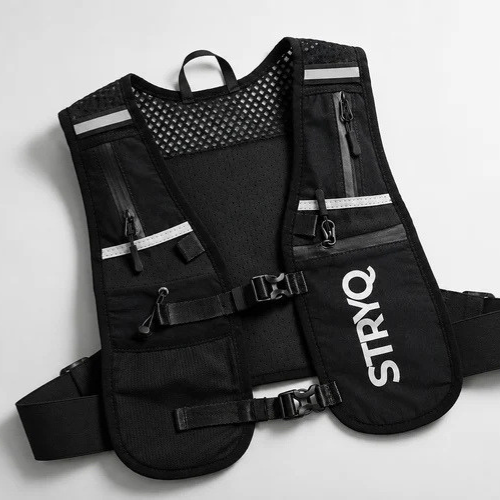
A soft flask works best when it has a secure home. A running vest is the obvious choice for longer runs, trail running, marathons and ultras. Front-mounted flasks are easy to reach without stopping, and the weight is spread evenly. They are also useful when you need to carry gels, keys, a mobile phone and a light layer alongside your fluids.
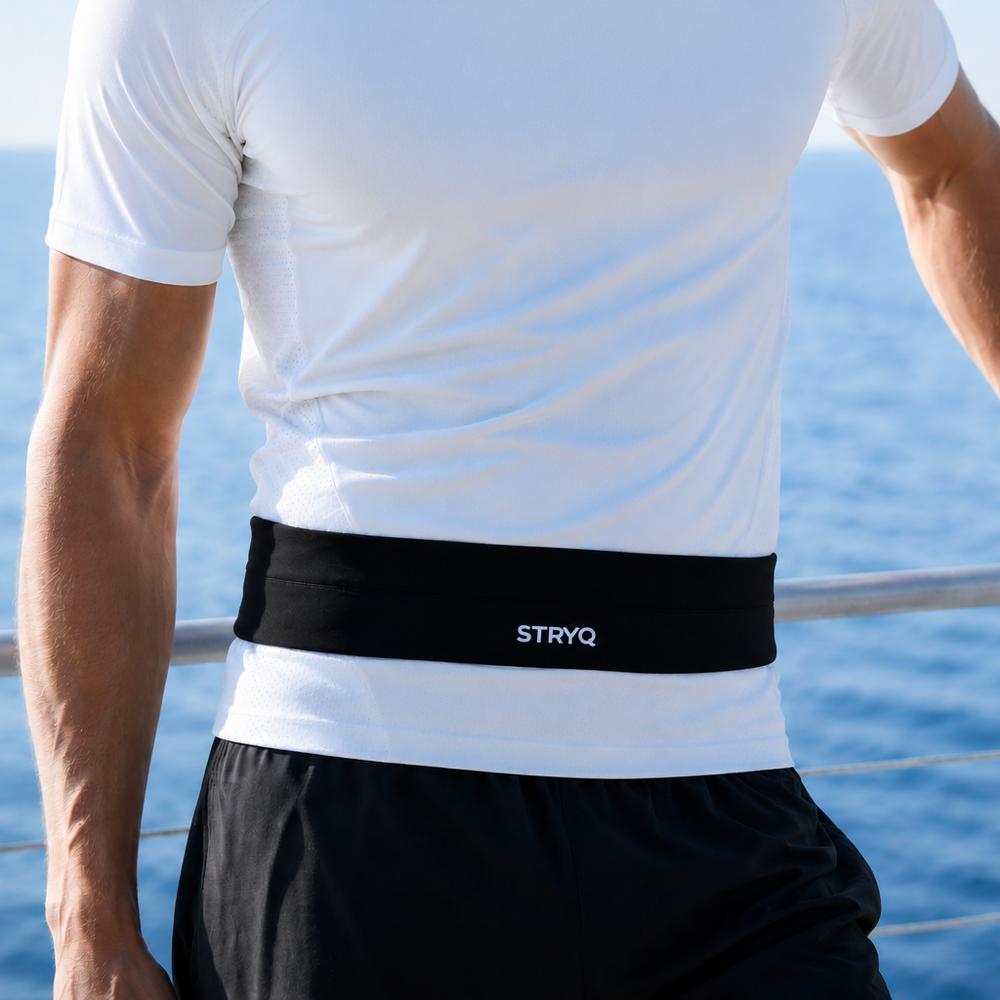
A running belt is ideal for smaller flasks and runners who want a lighter setup. It suits steady road runs, parkrun training and shorter long runs where one flask is enough. The key is a belt that sits firmly against the body. If the belt is loose, even the best flask will move around.
Handheld bottles are straightforward. Fill it, grab it and go. There is no fitting, packing or extra kit to think about. This can be particularly appealing to newer runners who are not yet sure how much water they need. The drawback is that your hand is occupied, and a bottle can feel awkward when you are checking a watch, opening a gel or adjusting clothing.
A rigid bottle is also more likely to suit runners who regularly stop for refills. Its wide, stable shape can be quicker to fill at a tap, and it stands upright more easily on a bench or beside a treadmill. For a local route with regular access to water, that convenience may outweigh the extra bulk.
Drinking on the Move
Soft flasks are designed for quick, controlled drinking. Many have a bite valve or pull-top cap, so you can take small sips without fully stopping. This is useful during marathon training, where practising drinking while moving can help you avoid breaking rhythm on race day.
As the flask empties, squeeze out excess air before closing it. This reduces sloshing and helps it sit flatter in a pocket. It is a small habit, but it makes a noticeable difference when you are several miles from home.
Bottles are simple too, but they can be noisier and more prone to splashing if you drink while running. A sports cap improves control, while an open screw top is better saved for a walk break. If you prefer a bottle, choose one with a secure lid that is easy to open with tired hands.
For either option, avoid taking huge gulps when you are breathing hard. Smaller, regular sips are usually more comfortable. If you use electrolyte tablets or powder, test the mix before a key session. Some flavours become unpleasant when warm, and some drinks can upset your stomach if mixed too strongly.
Cleaning and Looking After Your Hydration Gear
This is the area where bottles often win on simplicity. A wide-mouth bottle is easy to see into, scrub and leave open to dry. If you use only water, a quick wash after each run is usually enough.
Soft flasks need a little more care, especially after sports drink. Rinse them as soon as possible, wash them with warm soapy water and leave the cap open while drying. Do not leave a half-finished electrolyte drink in a flask overnight. It can smell, stain and make the next run less pleasant before you have even left the house.
Some runners find a soft flask awkward to dry because it collapses. Turning it inside out, where the material allows, can help. You can also prop the opening open with a clean utensil while it dries. Check the manufacturer's care guidance before putting any flask in a dishwasher.
Inspect lids and valves regularly. A small crack or worn seal can turn into a leak at exactly the wrong moment, usually when your mobile phone and keys are sharing the same pocket.
When a Soft Flask Is the Better Choice
Choose a soft flask if comfort and compact storage are your priority. It is particularly well suited to runners using a belt or vest, those training for a half marathon or marathon, and anyone who dislikes carrying a rigid object once their drink is gone.
It is also the better option if you carry more than one drink. Separate flasks make it easy to take water in one and electrolytes in the other, without guessing which is which. Marking the cap or using different colours can prevent a mid-run surprise.
STRYQ soft flasks are designed for runners who want hydration that fits securely into their kit, rather than becoming another thing to manage. The aim is simple: less movement, easier access and more attention on the run.
When a Bottle Is the Better Choice
Choose a bottle if you mainly run short distances, prefer to carry water by hand or want the easiest possible cleaning routine. It can also be a sensible low-cost starting point if you are new to carrying water and want to work out what feels right before buying a belt or vest.
A bottle is not a poor choice. It is just less adaptable once your runs get longer, your kit list grows or you become more sensitive to bounce and bulk. Plenty of runners keep one for easy local runs while using soft flasks for longer sessions and events.
The best hydration setup is the one you will actually use. Try it on ordinary training runs, not for the first time at a race. Learn how much you drink, where the weight feels most comfortable and whether your gear stays quiet and secure. When your hydration works without fuss, every mile feels a little more manageable.