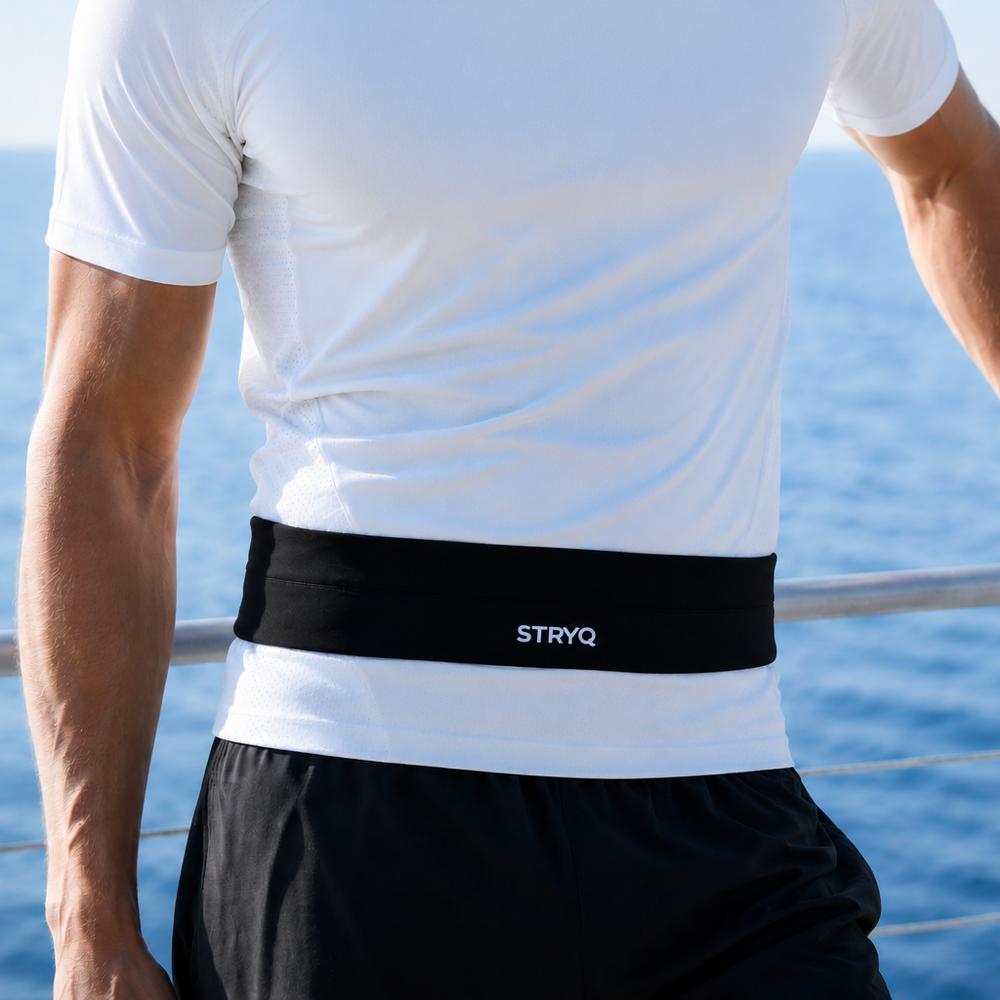
A phone thumping against your hip can ruin a run far quicker than a tough hill. If you are looking for a running belt for phone no bounce comfort, the real fix is not just buying any belt with a pocket. It is choosing one that fits your body, matches what you carry and stays stable from the first mile to the last.
Most runners have tried the wrong option at least once. A loose waistband, a bulky pouch or a belt that feels fine while standing still can become irritating within a few minutes. Bounce is not just annoying. It breaks rhythm, distracts you and can leave you constantly adjusting your kit instead of settling into the run.
What actually causes bounce
Bounce usually comes down to three things: poor fit, uneven load and excess bulk. If a belt cannot sit close to the body, it will move. If the phone and keys are stacked badly, weight shifts with every stride. If the belt is too stiff or too heavy, it struggles to move with you.
This is why some belts feel acceptable for walking but fail during faster running. The impact of each step exposes any weakness in fit or storage design. A proper running belt should feel secure when you are jogging easy, picking up pace and heading downhill. If it only works in one scenario, it is not doing the job properly.
Fabric matters too. Stretch materials can help create a closer fit, but too much stretch without enough structure can let the contents move around. On the other hand, a rigid belt may hold shape well but feel restrictive. The best belts balance stretch with support.
How a running belt for phone no bounce should fit
Fit is the first thing to get right. A belt should sit snugly without digging in. It should not need tightening every few minutes, and it should not ride up or sag once you add your phone.
For most runners, the sweet spot is around the hips or just above them, rather than high on the waist. That tends to be the most stable area, especially over longer distances. It depends on your body shape, though. Some runners prefer a slightly higher position if they want easier access to gels or if their shorts sit differently.
A good test is simple. Load the belt with what you normally carry, then jog on the spot and do a few sharper movements. If the belt shifts immediately, it will only get worse once you are out on the road or trail.
Sizing also matters more than many people expect. One-size options can work if they have enough adjustability and the right level of stretch, but they are not always the best answer for everyone. If a belt is too large, you will over-tighten it. If it is too small, comfort disappears quickly.
Storage matters more than most runners think
If your main goal is to carry a phone without bounce, pocket design is just as important as overall fit. A large open compartment can seem convenient, but if the phone slides from side to side it creates movement you will feel with every step.
A better design keeps the phone held close to the body with minimal dead space. Separate storage for keys is useful too. If keys share the same compartment as your phone, you get both noise and scratching. If you are carrying a gel, card or house key, the belt should distribute those items without creating lumps in one area.
This is where slim belts often outperform bulkier waist packs. A low-profile design usually sits flatter and keeps the load tighter to the body. You lose some carrying capacity, but for everyday runs that is often a good trade-off. If all you need is your phone, a key and maybe one gel, a compact belt is usually the better choice.
The difference between no bounce and low bounce
It is worth being honest here. No belt can ignore bad fit or overloaded storage. When runners search for a running belt for phone no bounce performance, what they really need is a belt that stays stable when used properly.
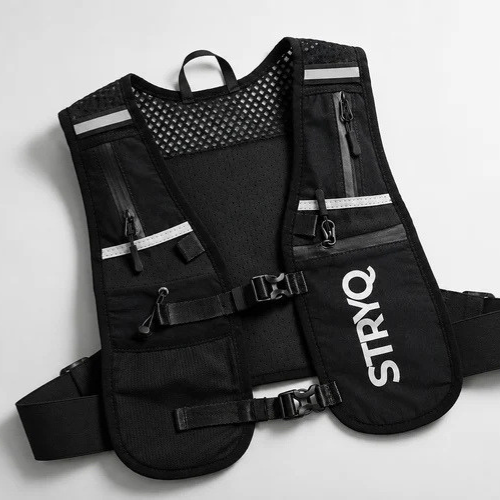
That means carrying only what the belt is designed for and adjusting it correctly. Put a large phone, a set of keys, two gels and a small soft flask into a lightweight belt and you may get movement, even if the belt itself is well made. If you need to carry more, a hydration vest may be the better tool.
That is not a flaw. It is just matching kit to the run. For a 5K, parkrun, easy training run or even many half marathon sessions, a belt is often ideal. For bigger loads or long unsupported distances, a vest becomes the more practical option.
Features worth looking for in a no bounce phone belt
The best running belts keep things simple. You want a close fit, lightweight construction and storage that does not let items move around. Beyond that, a few details can make a real difference.
Soft, breathable fabric helps stop rubbing, especially in warmer weather or over longer distances. A secure zip or well-designed pocket opening keeps your phone safe without making access awkward. Reflective detailing is useful for darker mornings and evenings, particularly through autumn and winter.
Minimal bulk is another big one. Heavy buckles, oversized pouches and thick seams can all add discomfort. The belt should disappear when you run. That is the benchmark. If you are constantly aware of it, something is off.
Water resistance can help, but it should be seen as a bonus rather than the main event. Most runners need protection from sweat and light rain, not a fully waterproof solution. If weather protection matters a lot, think about whether your phone needs an extra barrier inside the pocket.
Common mistakes when choosing a running belt
A lot of runners buy based on storage capacity alone. More pockets can sound useful, but extra compartments often mean extra material and more chance of movement. If your main aim is stable phone carry, do not be distracted by features you may never use.
Another mistake is assuming any adjustable belt will fit well. Adjustability helps, but it does not fix poor design. A belt can have straps and toggles yet still bounce because the pocket sits too far from the body or the shape does not wrap well around the hips.
It is also easy to ignore how your clothing affects performance. A belt worn over slippery technical layers may move differently than one worn against a base layer or directly on skin. Shorts and tights with smooth waistbands can sometimes make a belt slide more than expected. That does not mean the belt is wrong, but it is worth testing different positions.
Who needs a running belt for phone no bounce use?
For many runners, this kind of belt solves a very specific problem. You want your phone for safety, music, navigation or contactless payment, but you do not want to hold it and you do not trust your shorts pocket. That is exactly where a belt earns its place.
Beginners often like the reassurance of having a phone close by, especially when routes get longer or more unfamiliar. More experienced runners use belts when they want a lighter alternative to a vest. Even racers use them when they need just enough storage without adding fuss.
There is also the comfort factor. Plenty of shorts pockets are fine for a key but not stable enough for a larger phone. Armbands solve one problem but create another. Handheld carry can affect posture and become tiring. A well-fitted belt is often the neatest middle ground.
When a belt is better than a vest or pockets
If your run is short to medium length and your kit is minimal, a belt is usually the cleaner option. It is quicker to put on, lighter than a vest and less restrictive in warm weather. For runners who dislike extra layers across the chest and shoulders, that matters.
Pockets can work, but only if they are designed for running and hold the phone tightly. Many do not. A vest gives more carrying room, but it can be excessive when all you need is one secure place for essentials. This is where focused accessories matter. The best ones solve one problem very well.
Brands like STRYQ build around that idea. No fuss. No bulk. Just gear that helps you run without thinking about your gear.
How to tell if your current belt is not working
You should not need to keep pulling it down, shifting it round or tightening it mid-run. If you change your stride to compensate for movement, the belt is already a problem. If you finish with rubbing at the waistband, that matters too.
Sometimes the fix is simply packing less or adjusting the fit more carefully. But if the belt still moves on easy runs, it is unlikely to improve on faster sessions or longer efforts. Good running kit should remove friction from training, not add to it.
A reliable phone belt will not make you faster on its own. What it can do is make your runs calmer, more comfortable and more consistent. And when your kit stops getting in the way, it is much easier to focus on the only part that matters - putting one foot in front of the other.