A hydration vest should make a long run easier, not leave you wincing in the shower afterwards. So, do hydration vests cause chafing? They can, particularly when the fit is wrong, the vest is moving with every stride, or damp fabric rubs the same area for miles. The good news is that chafing is usually fixable without giving up on carrying your own water.
For most runners, the issue is not simply the vest itself. It is the combination of vest fit, clothing, sweat, weather and how long you are out for. Get those details right and a hydration vest can feel secure enough to forget about.
Why Hydration Vests Can Cause Chafing
Chafing is skin irritation caused by repeated friction. A hydration vest creates more contact points than a running belt: around the shoulders, neck, chest, ribs and upper back. That is useful for spreading weight, but it also means there are more places where movement can cause rubbing.
A loose vest is a common culprit. If it bounces or shifts as you run, the fabric rubs in slightly different directions with each step. A vest that is too tight can also cause trouble. It may dig into the skin, pinch at the armholes or pull against your running top as you breathe deeply.
Sweat makes the problem worse. Once fabric is wet, it can stay against the skin for a long time, especially under a waterproof layer or on humid days. Salt in dried sweat can make the area feel rougher too. A vest that felt fine for a 5K may reveal a problem after 90 minutes.
The full load matters as well. Soft flasks empty as you drink, which can subtly alter how the vest sits. If the side straps are not adjusted for a changing load, you may notice more movement later in the run. On trail routes, uneven ground can make that movement more obvious.
Do Hydration Vests Cause Chafing for Everyone?
No. Many runners use hydration vests for marathon training, races and ultras without any chafing at all. Others are prone to chafing even in a favourite running top or pair of shorts. Skin sensitivity, body shape, running form and sweat rate all play a part.
It also depends on where you tend to chafe. Some runners notice it first at the base of the neck. Others get irritation beneath the arms, around the lower ribs, or where the front straps sit over the chest. Treat your first few runs in a new vest as a fit test. Small red patches or hot spots are useful information, not something to run through and hope will disappear.
If you have previously had nipple chafing, a hydration vest may add another layer of movement over that area. The solution is usually not to tighten everything as far as it will go. A stable, properly adjusted fit and some anti-chafing protection are more effective.
Start With a Secure, Comfortable Fit
A well-fitted hydration vest should sit close to your body with no obvious bounce, while still allowing you to take a full breath. It should not feel restrictive across your chest or pull up towards your neck when you run.
Put the vest on over the clothing you will actually wear for your long run. Fill the flasks or bladder first, because an empty vest can fit very differently from a loaded one. Adjust the chest straps until the vest stays put when you jog on the spot, then check that the armholes are clear of your skin rather than cutting into it.
The vest should sit high on the torso, with the weight close to your back and chest. If it hangs low, it is more likely to sway and rub around your ribs. If it sits too high, the neckline can irritate the base of your throat. Make small adjustments, then run for ten minutes. Walking around the house is not quite enough to judge it.
Avoid overtightening the side adjustments. The aim is no bounce, not no movement whatsoever. Your ribcage expands as you breathe, and a vest that feels acceptable at the start can become uncomfortable once your effort increases.
Recheck the Fit During a Long Run
It is normal to need a quick adjustment after the first few miles. As flasks empty, layers come off or your body warms up, the fit can change. A brief stop to tighten a chest strap by a small amount is far better than spending the next hour rubbing a hot spot raw.
If you carry a jacket, mobile phone, keys and nutrition, spread them evenly between pockets where possible. A heavy item on one side can pull the vest out of position. Keep soft flasks pushed down into their pockets so the tops do not move against your chest.
Choose the Right Clothing Under Your Vest
Your base layer is part of the system. A smooth technical running top generally works better than a loose cotton T-shirt, which absorbs sweat and can bunch beneath the vest. Look for flat seams, particularly around the shoulders and underarms.
A close-fitting top is often the safest choice for longer runs because there is less loose fabric to fold or move. That does not mean it needs to be compression-tight. It simply needs to stay flat against the skin. In colder UK weather, test the vest over your usual long-sleeve layer as well. A seam that is harmless in summer may sit differently under a jacket.
For runners who prefer a vest over bare skin in hot weather, be aware that direct contact increases the risk of rubbing. It can work, but only if the fit is excellent and you have tested it over shorter distances first.
Use Anti-Chafing Protection Before It Starts
Do not wait for discomfort to become painful. Apply an anti-chafing balm or a small amount of petroleum jelly to known problem areas before a long run. Common spots include the collarbone, lower neck, underarms, ribs and chest.
This creates a barrier that reduces friction as you sweat. Reapply if you are heading out for several hours, particularly in warm or wet conditions. If you prefer, anti-chafing tape or nipple covers can provide extra protection for race day, but test them in training. Adhesives do not always behave the same way once sweat is involved.
After a run, wash salt and sweat from both your skin and the vest. Let the vest dry fully before using it again. Dried sweat can stiffen fabric slightly and make repeat irritation more likely.
Test Your Vest Before Race Day
A hydration vest should earn its place on race day through training, not appear for the first time at the start line. Use it on a short, easy run first. Then wear it on a longer session with the same fluids, nutrition and layers you plan to carry for your event.
Pay attention to the first signs of rubbing. A warm patch, a scratchy feeling or a strap that needs constant adjusting will not improve over 20 more miles. Change one thing at a time: adjust the fit, switch tops, move an item in a pocket or add balm. This makes it easier to identify what actually solved the issue.
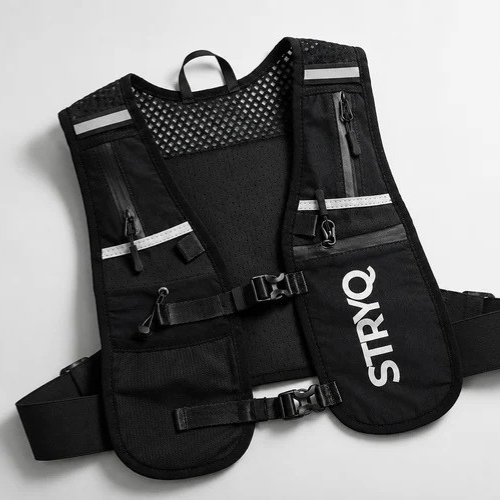
A quality vest with soft, breathable contact areas and adjustable straps gives you more room to fine-tune the fit. At STRYQ, the focus is on practical carrying that stays close to the body, because the best running gear is the gear that lets you focus on the miles ahead.
When Chafing Means You Should Stop
Mild redness after a first test run is a sign to make an adjustment before next time. Broken skin, bleeding, swelling or pain that changes your running form is different. Stop if you can, clean and protect the area, and allow it to heal before putting a vest over it again.
If chafing keeps happening in the same place despite changing fit and clothing, inspect the vest closely. Check for rough seams, damaged edging, twisted straps or a flask pocket that has lost its shape. It may also be that the vest does not suit your torso shape. There is no benefit in forcing a piece of kit to work when it consistently distracts from your run.
A hydration vest does not need to be a trade-off between carrying water and keeping your skin comfortable. Start with a stable fit, wear the right layer underneath and deal with small hot spots early. Once those basics are sorted, you can get on with the useful part: running further, drinking when you need to, and finishing without dreading the shower.