A long run can be going perfectly until one small hotspot turns every stride into a problem. The best anti chafing products create a barrier between skin, fabric or skin-on-skin contact, so you can focus on pace, breathing and getting home comfortably. The right choice depends on where you chafe, how far you run and whether rain, sweat or a hydration vest are part of the plan.
Chafing is not something you simply need to put up with. It is usually a sign that there is repeated friction, trapped moisture, a poor fit or all three. A product can protect the area, but fixing the source matters just as much.
How to choose anti-chafing protection
For most runners, an anti-chafe balm is the easiest place to start. It is quick to apply, easy to carry and works well on common trouble spots such as inner thighs, underarms, bra lines, waistbands and feet. For very wet conditions, or long events where sweat and rain are unavoidable, a longer-lasting roll-on or a physical barrier such as tape may be more reliable.
Think about the type of friction too. Skin-on-skin rubbing around the thighs needs a lubricating barrier. A vest seam rubbing your collarbone may be better solved with tape, a different base layer or an adjustment to the vest. Blisters on your toes can come from damp socks, loose shoes or bunched fabric, so balm alone may not be enough.
Do a short test run before trusting any product on race day. Skin reacts differently, and a balm that works for a 5K may need reapplying during a marathon.
The best anti chafing products for common running problems
1. Anti-chafe balm sticks
A balm stick, such as Body Glide Original Anti-Chafe Balm, is the all-round choice for many runners. Apply it directly to clean, dry skin before you put your kit on. It is less messy than a tub or cream, and the solid stick is useful for thighs, underarms, sports bra lines, waistbands and the back of the neck.
The trade-off is that some sticks can wear off during very long, hot runs. If you are training for a half marathon or beyond, carry a small stick if you know a particular area becomes sore after an hour or two.
2. Natural balm for sensitive skin
Squirrel's Nut Butter is a popular option for runners who prefer a thicker balm with simple, skin-friendly ingredients. It works particularly well on inner thighs and feet, where a more substantial layer can be useful. The small tubs are also easy to keep in a kit bag.
Natural does not automatically mean irritation-free, so patch test first if your skin is reactive. A thicker balm can also feel slightly greasy when applied, which some runners dislike before putting on lightweight shorts.
3. Roll-on anti-chafe protection
Roll-on products such as 2Toms SportShield are designed for high-sweat days and longer efforts. They go on as a liquid, dry down quickly and can last well when the weather is warm or wet. This makes them a strong option for ultras, trail races and runners who find ordinary balm disappears quickly.
Use the roll-on on dry skin and let it settle before dressing. It is effective, but it can be harder to apply precisely than a stick. Avoid using it on already broken or raw skin.
4. Petroleum jelly for a low-cost solution
Petroleum jelly is a simple option that many runners already have at home. It is useful for shorter runs, emergency protection and areas that need a generous layer, including thighs and toes. It is inexpensive and generally easy to find.
Its weakness is staying power. Heavy sweating can dilute it, and it may transfer onto fabric. It can also make putting on socks or compression shorts more awkward. Keep it for shorter training runs or use it as a backup rather than your only plan for a long race.
5. Nipple covers or sports tape
For runners who experience nipple chafing, lubrication is not always enough. Friction from a damp running top can be relentless, especially on longer runs. Nipple covers or small pieces of sports tape create a physical barrier that stays in place better than balm.
Choose tape that is designed for skin and remove it slowly after a shower. Do not apply it over irritated skin, and test it during training first. Some tapes are very secure, but can pull at sensitive skin when removed.
6. Anti-chafe running shorts or underwear
If inner-thigh chafing is a regular issue, your shorts may be the real culprit. A close-fitting pair of running shorts, compression shorts or purpose-made anti-chafe underwear can stop skin-on-skin rubbing before it starts. Look for smooth seams, a stable waistband and fabric that does not ride up as you run.
Fit is more important than compression level. Shorts that are too tight can dig into the groin or waistband, while loose leg openings can roll upwards. Wear them for a proper run, not just around the house, before deciding they work.
7. Technical running socks
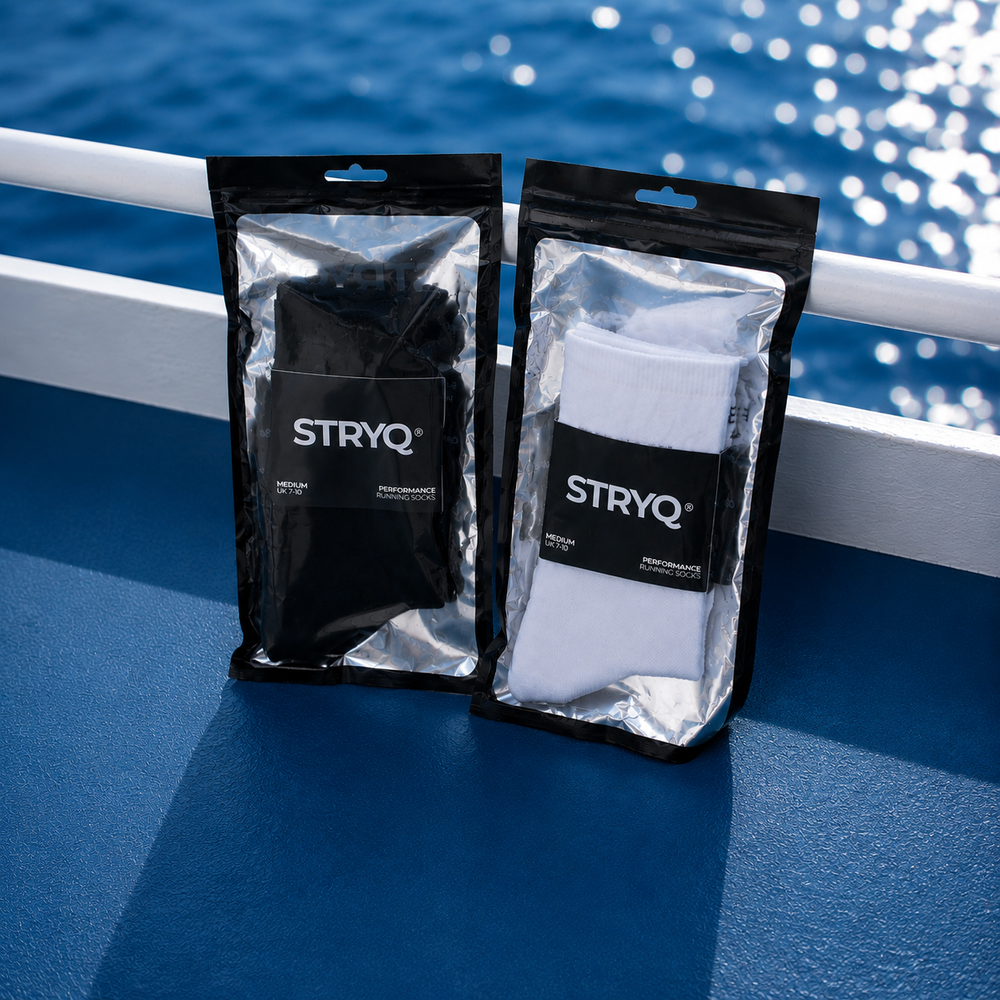
Foot chafing often becomes a blister problem. A moisture-wicking running sock with a secure fit is one of the most useful anti-chafe products you can buy. Merino-blend and synthetic technical socks both work well, depending on your preference. Toe socks can help runners whose toes rub together, while a lightly cushioned sock may help if your shoes have a little extra room.
Avoid cotton for running. Once wet, it stays wet and increases friction. Also check shoe fit: socks cannot fully compensate for a shoe that lets your foot slide around or squeezes your toes.
8. A properly fitted running belt or hydration vest
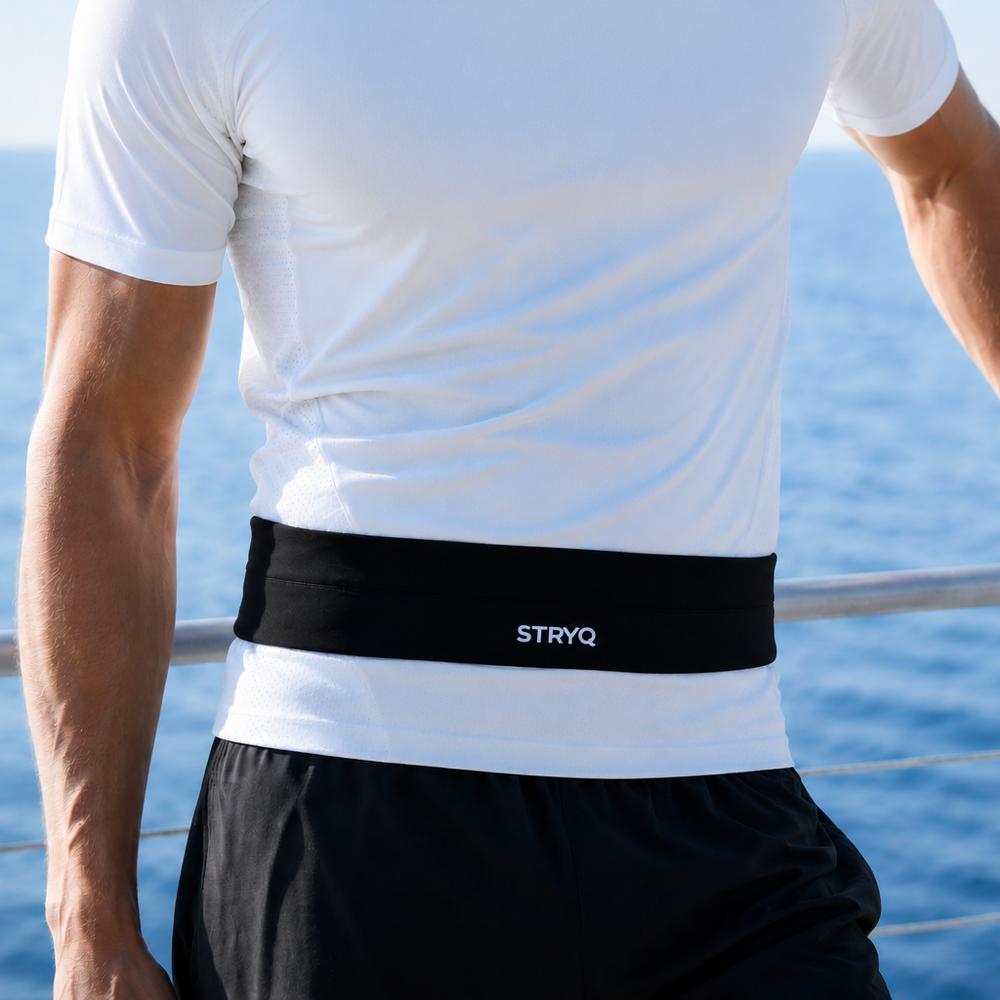
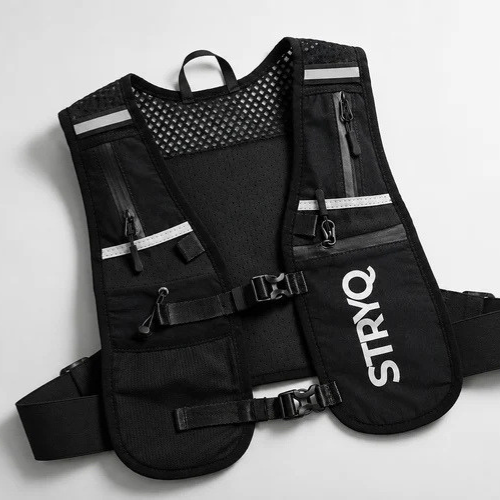
Belts and vests can create chafing around the waist, ribs, shoulders and collarbones when they bounce or move as you run. The best fix is a secure fit with no loose fabric, then a layer of protection at known pressure points. A well-fitted running belt or hydration vest should sit close to your body without restricting breathing.
For longer runs, practise with the same setup you will use on race day. Fill soft flasks to your usual level, carry your normal nutrition and adjust the fit while moving. STRYQ running accessories are designed around this simple principle: secure essentials close to the body, with no unnecessary bulk or bounce.
Apply products before you need them
Anti-chafe products work best as prevention, not treatment. Apply balm or roll-on before every run that is long enough to cause a problem, even if the weather is cool. Sweat is not the only factor. Repeated rubbing from damp clothing, a new bra, a vest strap or a changed running gait can cause soreness in mild conditions too.
Use enough product to create a clear layer, but do not overdo it. A thick coating can make clothing shift more than usual. Pay attention to your personal hotspots: inner thighs, underarms, bra bands, lower back, toes, heels and anywhere your pack touches are common areas.
If you are racing, pack a small top-up product where possible. This is especially worthwhile for marathons, trail events and hot days. Reapply at an aid station or stop before a hotspot becomes painful.
When chafing has already started
Do not keep applying anti-chafe balm onto broken skin. Clean the area gently with water, pat it dry and use a suitable soothing barrier cream if needed. Give the skin time to settle before your next run, and wear loose, breathable clothing while it heals.
Then work out why it happened. Check for rough seams, labels, loose straps, wet cotton, worn-out socks and changes in shoe fit. If the skin looks infected, is very painful or does not improve, speak to a pharmacist or healthcare professional.
The product that works best is the one you will use consistently, alongside kit that fits properly. Test your combination on ordinary training miles first. Your race kit should feel forgettable - no rubbing, no bouncing and no surprises when the miles start adding up.