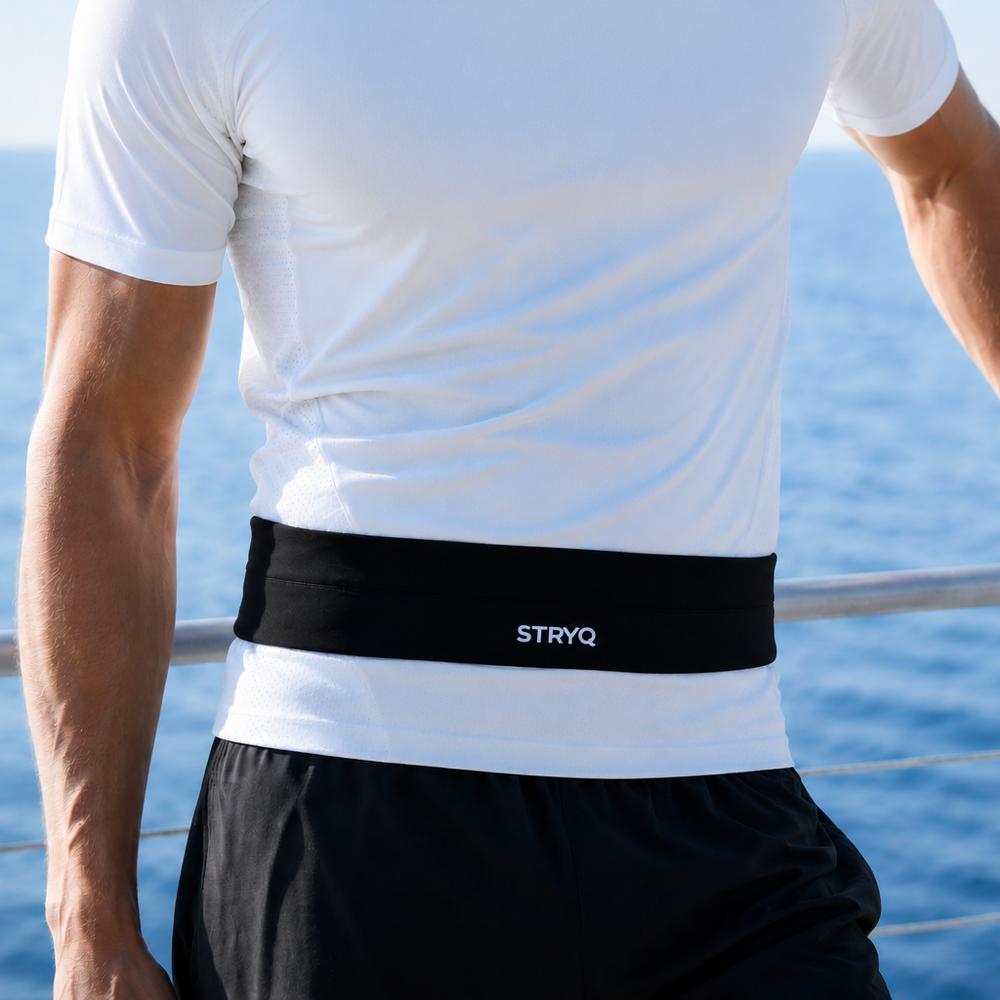
Many new and experienced runners ask the same thing — are running belts good for training and races? The short answer is yes. A good running belt can keep your phone, keys, and fuel secure without bounce or irritation. But choosing the right one depends on your distance, comfort preferences, and what you need to carry.

Why Runners Use Belts
Running belts are designed to make carrying essentials simple and lightweight. They sit around your waist or hips and prevent items from moving about while you run. They are especially popular among runners who want to stay hands-free during training or events like parkruns, 10Ks, and half marathons.
Pros and Cons of Running Belts
| Pros | Cons |
|---|---|
| Lightweight and comfortable for short to mid runs. | Can bounce if fitted incorrectly. |
| Keeps essentials safe — phone, gels, keys, cards. | Limited space for larger items or full bottles. |
| Helps even weight distribution compared to pockets. | Needs proper adjustment to prevent movement. |
| Available in waterproof or moisture-wicking materials. | Cheaper models may lose elasticity over time. |
When a Running Belt Works Best
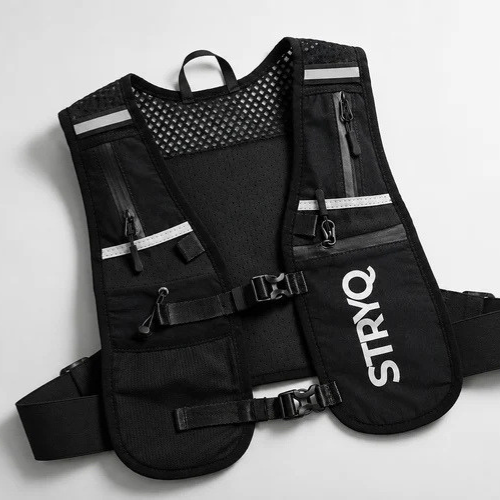
Running belts are ideal for short and medium-distance runs, from 5K up to half marathons. They’re great for everyday training when you only need to carry small items. For longer sessions or hot weather where hydration matters, a lightweight vest such as the STRYQ Hydration Vest is a better option.
How to Choose a Good Running Belt
- Fit and comfort: It should sit snugly without squeezing or sliding.
- Storage: Look for at least one zip pocket and internal divider.
- Material: Breathable, stretch fabric that resists sweat and rain.
- Adjustability: A belt that expands or tightens easily works best for all body types.
- Safety features: Reflective details or bright colours improve visibility in low light.
The STRYQ Running Belt was designed around these needs — a secure, no-bounce design that comfortably fits phones, keys, and energy gels for every type of runner.
Running Belt vs Running Vest
| Feature | Running Belt | Running Vest |
|---|---|---|
| Best for | 5K–10K, training runs | Half to full marathons |
| Storage | Phone, keys, gels | Water bottles, fuel, extras |
| Weight | Very light | Moderate |
| Comfort | Waist/hip fit | Full-body fit |
| Price range | £10–£35 | £30–£100+ |
Tips for Using a Running Belt
- Adjust the belt slightly above your hips to reduce bounce.
- Don’t overload — keep it light for best comfort and fit.
- Test your setup on easy runs before race day.
- Wash regularly to maintain elasticity and hygiene.
Final Thoughts
So, are running belts good? Absolutely. They’re a simple, practical upgrade for any runner who wants to stay organised and move freely. For everyday training, races, or even dog walks, a well-fitted belt offers convenience and comfort without distraction. When you’re ready to try one, the STRYQ Running Belt combines secure fit, reflective detail, and premium stretch fabric tested on real runs across Scotland.
Looking for more comparisons? Read our guide on what’s a good pace for a 5K or average 5K times to build speed with comfort.
FAQs
Are running belts worth it? Yes. They keep essentials safe, reduce bounce, and make runs more comfortable.
Can I use a running belt in races? Definitely. Many runners wear them for 5Ks, 10Ks, and half marathons.
How do I stop my belt from moving? Adjust it to sit snugly on your hips, not your waist, and tighten just enough to prevent sliding.
What’s the difference between a running belt and a hydration vest? Belts are lighter for short runs; vests carry more water and gear for long distances.