A damp patch down your side halfway through a run is frustrating. It can leave you wondering: can hydration packs leak, even when they are new? Yes. But most leaks come from a small number of fixable issues, not from the pack itself being unusable.
Whether you run with a bladder in a hydration vest or soft flasks on your chest, water should stay contained until you take a drink. Finding the source early saves you from soaked kit, lost fluids and an uncomfortable race day surprise.
Can hydration packs leak during a run?
They can, particularly if the reservoir is overfilled, a lid is not fully tightened, or the drinking valve has been left open. Movement makes a minor problem more obvious. Your vest shifts with your stride, the flask is squeezed against your chest, and pressure builds inside a warm reservoir.
A proper hydration pack should not leak in normal use. Condensation can sometimes look like a leak, especially on a warm day when cold water sits against your back. Before assuming the worst, dry the outside of the bladder or flask, fill it, then look for fresh moisture around the lid, seams, hose connection and bite valve.
Soft flasks and hydration bladders have slightly different weak points. Soft flasks are most likely to drip from the cap or valve. Bladders are more likely to leak at the slide seal, hose connector or a damaged reservoir seam.
The most common reasons hydration packs leak
A cap or slide seal is not fully closed
This is the usual culprit. With a soft flask, cross-threading the cap by even a small amount can prevent the seal from sitting flat. Remove the lid, check that the threads are clean, then refit it gently and evenly. Do not force it.
For a bladder, check the wide opening or slide seal carefully. The top needs to be completely straight and fully closed. A tiny fold in the material can create a gap that only shows once you start running.
It is worth doing this check before putting the pack on. A full reservoir may look secure while it is standing still, then leak as soon as it is compressed inside your vest.
The bite valve is open or worn
Many bite valves are designed to seal automatically after you drink, but they can still drip if they are damaged, clogged or held open. Some hoses also have a shut-off switch. If yours does, close it when you pack your vest, travel to an event or store it in a bag.
Look closely at the silicone around the mouthpiece. Small splits can be difficult to spot but will let water escape under pressure. If the valve feels unusually soft, sticky or keeps dripping after a squeeze, replacement is often the sensible option.
A quick test helps. Fill the reservoir, hold the bite valve over a sink and gently squeeze the bladder. If water runs out without you biting it, the valve is not sealing properly.
Too much water in the reservoir
Filling a bladder or soft flask right to the top leaves little room for the water to move. When you bend, pull on your vest or tighten chest straps, the pressure can force water through an imperfect seal.
Leave a small amount of space at the top, especially with soft flasks. You do not need to underfill it dramatically. Just avoid stretching the flask to its absolute limit or forcing a bladder closed when water is sitting in the opening.
This also makes the pack easier to wear. A slightly less rigid flask sits more comfortably against the body and can reduce bounce.
Dirt in the threads or seal
Dried electrolyte mix, gel residue and trail grit are not great for seals. Even a thin film around a cap can stop it closing tightly. This is common when you refill quickly at an aid station or make a drink in the car before a long run.
Rinse the cap, threads and valve after every use. If you use electrolyte tablets or powder, take a little more care. These mixes can leave a sticky residue that attracts dirt and makes the cap harder to tighten.
Let the parts dry fully before storing them. Keeping a damp flask or bladder closed for days can also lead to unpleasant smells and mould.
A loose hose connection
On a bladder system, the hose should push firmly into its connector. If it has not clicked or seated correctly, it may leak where the tube meets the reservoir. Check this before filling the pack completely.
If you have removed the hose for cleaning, inspect the connector for cracks and make sure the tube has not been pulled out of shape. Older tubes can become stiff over time, particularly if they have been stored somewhere very warm or exposed to direct sunlight.
Damage from storage, washing or wear
A puncture is less common than a cap problem, but it happens. Catching a bladder on a zip, stuffing sharp items into the same pocket, or freezing it when overfilled can weaken the material. Soft flasks can also wear where they rub repeatedly against a rough zip or buckle.
Do not put pins, keys or sharp-edged wrappers in the same compartment as a reservoir. After a muddy run, rinse your hydration gear by hand rather than using harsh chemicals or very hot water unless the manufacturer's care guidance says otherwise.
How to find the leak before race day
Do not wait until a 10K, half marathon or long Sunday run to find out whether your hydration setup is sound. Test it at home when you have time to check every part.
Fill the bladder or flask with water, close it as you normally would and dry the exterior with a tea towel. Hold it upside down over the sink for 30 seconds. Then gently squeeze it and inspect the cap, seams and hose connection.
Next, place it in your hydration vest and wear it for a few minutes. Lean forward, twist, jog on the spot and tighten the straps as you would on a run. Water may only appear when the reservoir is under pressure or the vest presses against it.
If you are using a bladder, route the hose through its usual loops and take a few drinks. A hose that is kinked, pulled tight or caught under a strap can place extra strain on the connector.
For soft flasks, pay attention to how they sit in the front pockets. A flask that is badly folded or forced into a pocket can press its cap at an awkward angle. The right fit matters as much as the seal.
What to do if your hydration pack starts leaking mid-run
First, work out whether the loss is a slow drip or a significant leak. A few drops from an open bite valve are often manageable. Close the valve, wipe it clean and carry on while keeping an eye on your remaining fluid.
If water is running down your vest or the reservoir is visibly losing volume, stop briefly. Check the cap or slide seal first, as this is the quickest fix. Make sure the hose is connected, then move the reservoir away from anything sharp in the pack.
For a serious leak during a long run or race, adjust your plan. Use water stations, buy a drink if you are running near shops, or cut the route short if conditions are warm. Do not try to push through a long session without enough fluid simply because you planned to carry it.
Electrolyte drink leaking through a vest is more than an annoyance. The residue can irritate skin and make fabric stiff when it dries. Rinse your vest as soon as you get home, following its care instructions, and clean the flask or reservoir before the next outing.
Simple habits that prevent leaks
The best prevention is a repeatable pre-run routine. Check the cap or slide seal, make sure the bite valve is closed, and give the reservoir a brief squeeze before it goes into your vest. It takes less than a minute.
Keep your hydration system clean and avoid overfilling it. Replace a split valve, cracked cap or worn reservoir rather than relying on a temporary fix for an important event. Tape can help you get home, but it is not a dependable answer for race day.
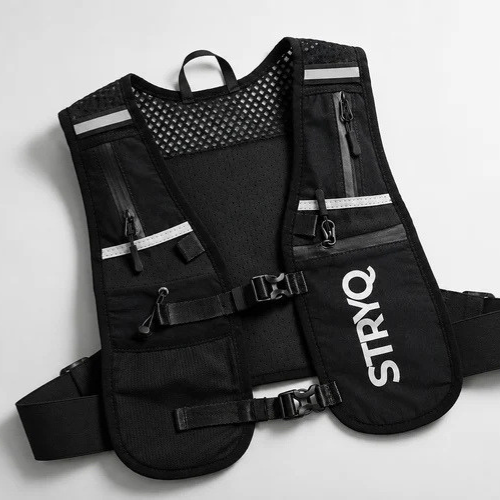
A well-fitting vest helps too. When bottles and bladders sit securely, they are less likely to be crushed, pulled or rubbed against other kit. STRYQ running hydration gear is designed around that practical point: carry what you need without distracting bounce or bulk.
Your hydration pack does not need to be complicated. A clean seal, sensible fill level and quick test before you leave the door are usually enough to keep your water where it belongs - ready for the next drink, not running down your back.