Your final 10 miles do not care how good your kit looked in the shop. They care whether your belt is bouncing, your gels are hard to reach, your socks are rubbing, and your hydration plan has fallen apart. That is why marathon gear trends 2026 are moving towards one clear priority: kit that disappears once you start running.
For marathon runners, the best trend is not a flashy new feature. It is gear that solves a problem without creating another one. Less bulk. Fewer adjustments. Better access to the things you need when your legs and concentration are fading.
Marathon gear trends 2026 are practical, not flashy
Running accessories are becoming more specific about the job they need to do. Rather than buying one large pack for every session, runners are building a simple setup around distance, weather and race rules. A short easy run may need nothing more than a key and mobile phone. A three-hour long run needs fluids, fuel, layers and secure storage.
This is a useful shift. Carrying more than you need can make running feel awkward. Carrying too little can leave you dehydrated, under-fuelled or stuck holding essentials in your hands. The right answer depends on your route, pace, sweat rate and access to water, not what another runner carries.
The strongest gear choices for 2026 put comfort and usability ahead of novelty. Expect lighter materials, closer-fitting storage and hydration systems that let you drink little and often.
Hydration gets more personal
A single hydration approach does not work for every marathon runner. Some runners are comfortable relying on race water stations. Others prefer to carry enough fluid to follow their own plan, especially during warm-weather training, trail events or races with widely spaced aid stations.
Soft flasks remain a popular choice because they shrink as you drink, reducing sloshing and unused bulk. They also make it easier to measure what you are taking in. A 500 ml flask is not automatically the right choice, though. Two smaller flasks can balance weight better and allow one to hold water and the other an electrolyte drink.
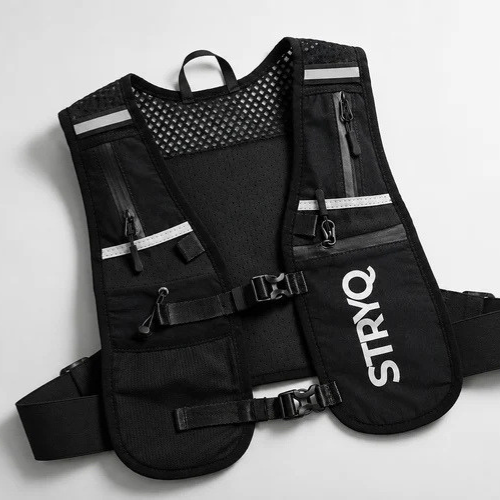
Hydration vests are also becoming less associated with ultra running alone. For marathon training, a well-fitted vest can be the most comfortable option for runners who need to carry several hours of fluid and fuel. The key is fit. A vest that moves on the first mile will usually become irritating by mile 15.
Choose capacity for the run you are actually doing
For a supported city marathon, a running belt with room for gels and a small soft flask may be enough. For a long run on exposed paths or a hot day, a vest can make more sense. Do not choose a larger capacity simply because it seems more prepared. Extra kit means extra weight, and loose kit is more likely to bounce.
Practise with your exact race hydration setup. This includes the drink mix, flask position and refill routine. A new electrolyte product on race morning is not a small change if it upsets your stomach.
Secure storage replaces oversized pockets
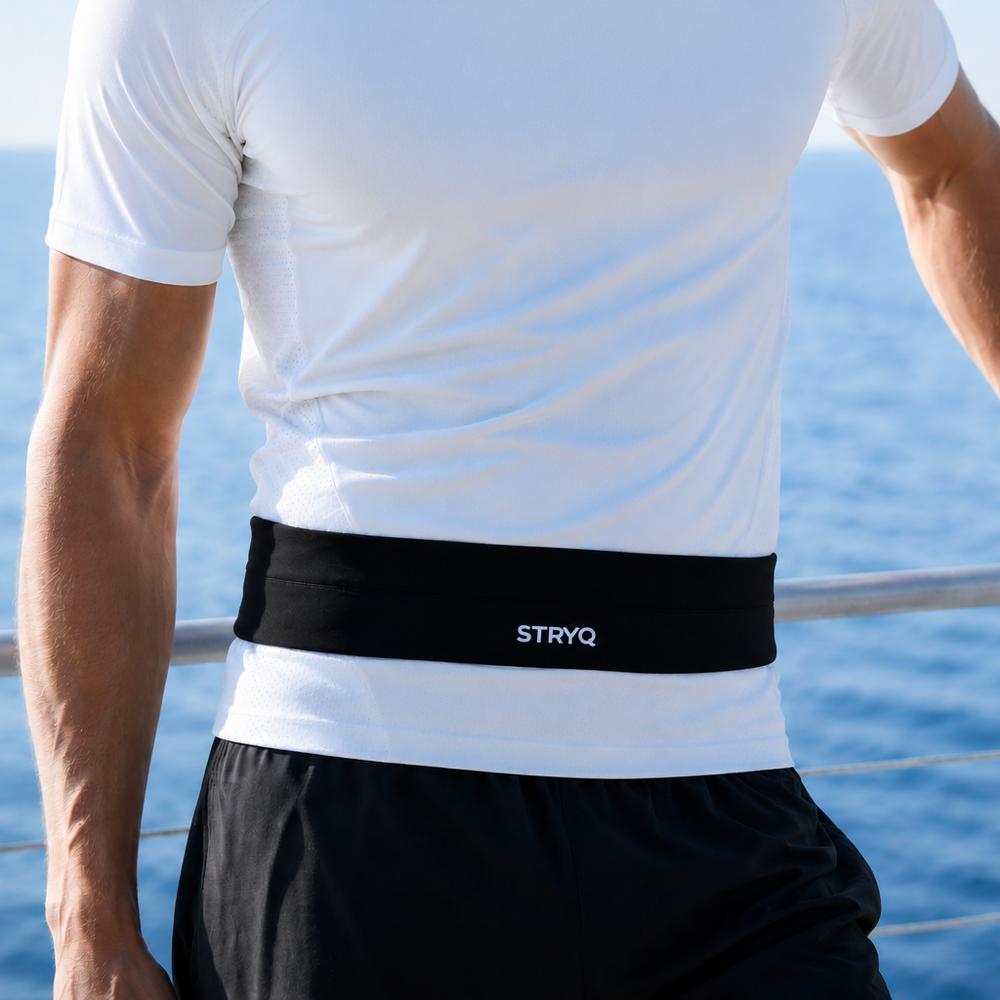
Mobile phone size has changed what runners expect from a belt. A secure pocket that fitted an older handset may not comfortably hold a modern mobile phone, keys, cards and gels. The better designs now focus on stretch where it helps, paired with a stable fit that keeps contents close to the body.
The aim is simple: no bounce, no bulk. A belt should not need constant pulling down or tightening. It should sit where you put it, whether it is holding a mobile phone on an easy run or several gels during a marathon.
This trend is also about access. A gel hidden under a jacket or buried in a deep pocket is harder to use when you are tired. Place fuel in the order you plan to take it. If you use a belt, test whether you can reach each item without breaking stride. If you use a vest, make sure pockets are easy to use with cold or wet hands.
Waterproofing needs some common sense too. Water-resistant pockets are useful in British rain, but sweat can be just as much of a problem as a shower. Put your mobile phone in a small protective pouch if it matters, particularly on long runs where it will sit against damp clothing.
Fuel carrying becomes part of the pacing plan
Marathon nutrition is no longer treated as an afterthought. Runners are more likely to plan carbohydrate intake by time, then carry fuel accordingly. That means accessories need enough secure, reachable storage for gels, chews or other products you have trained with.
A useful starting point is to take fuel in regular intervals rather than waiting until you feel empty. The precise amount varies, but your gut needs training just as much as your legs do. Use long runs to find out what you can tolerate, how much water you need with it and whether packaging is easy to open while moving.
This is where minimal gear can become a false economy. A tiny pocket might work for a parkrun, but it may not hold the nutrition required for a marathon effort. On the other hand, do not fill every pocket just because you can. Take the fuel you have planned, plus a sensible spare for delays or a difficult patch.
Socks are being chosen for comfort, not just colour
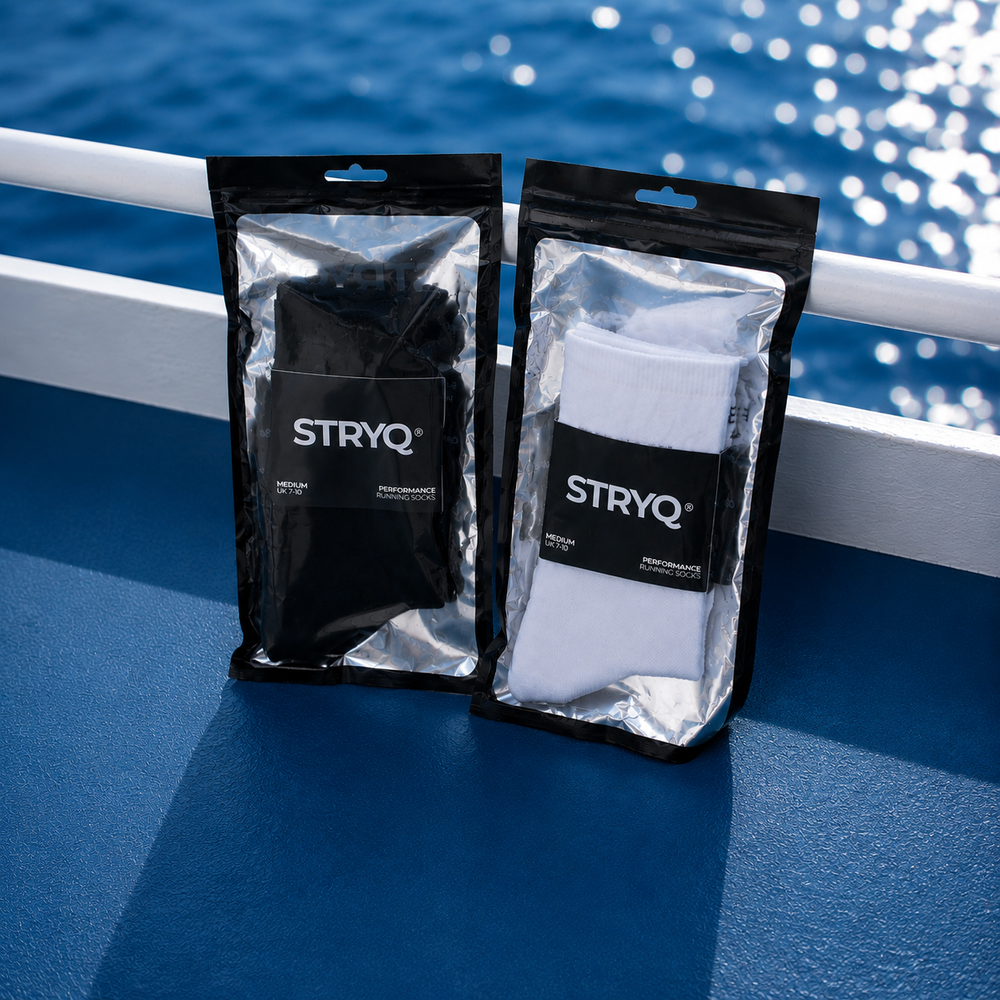
The most expensive mistake in marathon gear is often the smallest one: a blister that starts as a warm spot and becomes painful with 10 miles still to run. In 2026, runners are paying closer attention to socks as performance kit rather than an afterthought.
Look for a secure fit through the arch and heel, with enough cushioning for your preference but not so much that it changes the fit of your shoes. Moisture management matters, especially on wet winter training runs and warmer spring races. Cotton socks can hold moisture and increase friction, so purpose-made running socks are usually the safer option.
There is no universal best thickness. A thin sock can feel cooler and more precise. A slightly cushioned option may suit runners who want more protection over long mileage. Test socks with the shoes you will race in, and never save a new pair for marathon day just because they look clean.
Less chafing, fewer surprises
Comfort-led design is shaping marathon accessories beyond belts and vests. Runners are looking for softer edges, adjustable fits and fabrics that do not become abrasive when wet. These details sound minor at the start of a run. They are not minor after two or three hours.
Before race day, check every contact point: shoulders, lower back, waistband, underarms, toes and anywhere a flask or pocket presses against your body. If something rubs during a 10-mile run, do not assume it will settle down over 26.2 miles. It may need repositioning, lubrication, a different layer, or a different piece of kit altogether.
The same applies to reflective details and weather protection. Visibility is valuable for dark winter training, but it should not come at the cost of stiffness or overheating. Lightweight, packable layers are useful when conditions are changeable, provided they can be stored neatly when you no longer need them.
What is worth buying for your next marathon?
The best upgrades are usually the ones that remove a repeat annoyance. If you always carry your mobile phone in your hand, start with a stable running belt. If your long-run bottles are awkward or your route has no refill points, consider soft flasks or a hydration vest. If you finish runs with sore feet or hotspots, address your socks before adding more gadgets.
STRYQ focuses on these practical problems: secure carrying, comfortable hydration and kit that stays put when your run gets long. The value is not in carrying more. It is in carrying what you need without thinking about it every few minutes.
Avoid changing everything at once. Introduce one item during training, then use it repeatedly in conditions close to race day. Run with it in rain, with full pockets, after a few gels, and when you are tired. That is when you find out whether it truly works.
Your marathon kit does not need to be complicated. It needs to fit, stay comfortable and support the plan you have practised. When the miles get hard, the right gear gives you one less thing to solve.