A vest can feel like overkill when you are heading out for a familiar 5K with water waiting at home. But once your route gets longer, warmer or less predictable, carrying a bottle in one hand quickly loses its appeal. So, are hydration vests worth it? For many runners, yes - but only when the distance, conditions and kit you need to carry justify one.
The best hydration vest does not make you feel more loaded down. It makes a long run simpler. Water is close by, gels are easy to reach and your phone, keys and extra layer stay put without bouncing around. That is a useful upgrade. Buying the biggest vest available for short, easy runs is not.
Are hydration vests worth it for your running?
A hydration vest is most worthwhile when you regularly run for longer than an hour, train away from reliable water stops, or need to carry more than a key and phone. It spreads weight across your upper body rather than concentrating it in your hand, waistband or jacket pockets.
For a marathon block, trail running, summer training and long weekend runs, that can make a real difference. You can sip little and often instead of stopping to drink. You also have room for gels, electrolytes, a light jacket and the small essentials that turn a run into a comfortable, self-sufficient outing.
It is not an automatic requirement for every runner. If your runs are usually 30 to 45 minutes, a running belt or no carry system at all may be more comfortable. Likewise, if you run laps close to home or use routes with drinking fountains, you may not need to carry much water.
Think of a vest as a problem-solver, not a badge of being a serious runner. If you are distracted by a bottle, struggle to fit supplies into pockets or finish long runs dehydrated, it is likely worth it. If none of those things happen, save the extra kit for later.
When a hydration vest earns its place
Long runs and marathon training
Long runs are where most runners first see the value. As duration rises, so does the amount you may need to carry. Even in mild UK weather, a run lasting 90 minutes or more can call for water, nutrition and a backup layer if the forecast is unsettled.
A vest keeps this kit organised and accessible. You do not need to stop, take off a backpack or rummage through a pocket to find a gel. Front pockets are particularly useful because they let you drink and fuel while moving normally.
This matters in race preparation too. Training with the same hydration and nutrition setup you plan to use on event day helps remove surprises. You learn what you can comfortably drink, where your gels sit best and whether anything rubs after two hours rather than 20 minutes.
Trail runs and unfamiliar routes
A trail route can take longer than expected. Mud, hills, gates and uneven ground all change the pace. Mobile signal can also be patchy, and a planned water stop may be closed or further away than expected.
A hydration vest gives you a sensible margin for these runs. Carry water, food, a phone, a small first-aid item, a lightweight layer and any route essentials without stuffing every pocket. The aim is not to pack for every possible scenario. It is to avoid being caught short a few miles from the car.
Warm weather and longer commutes
Heat changes the calculation. A distance that feels easy in March may need more water in July, particularly on exposed roads, at lunchtime or after a warm day at work. A vest makes it easier to carry enough fluid without holding a bottle from the first mile to the last.
Runners who commute on foot can benefit too. If you need room for a phone, keys, bank card, work pass and perhaps a change of top, a close-fitting vest is usually more stable than a standard backpack.
The trade-offs to consider
Hydration vests are useful, but they are not perfect. More capacity invites overpacking. A vest loaded with unnecessary items can feel warm, bulky and restrictive, especially on a short road run.
They also need to fit properly. A loose vest will bounce, and movement becomes more noticeable once soft flasks are partly full. A poor fit can rub around the neck, ribs or underarms. That is why capacity alone should never be the deciding factor.
Cleaning is another small job. Soft flasks should be rinsed after use, especially if you use electrolyte tablets or carbohydrate drink mix. Letting sugary residue sit inside is a quick route to unpleasant smells and a bottle you do not want to use.
There is also a cost consideration. If you only need to carry a phone and keys, a belt is usually the better-value, lower-profile choice. Good running gear should remove friction from your routine, not add equipment you feel obliged to wear.
Hydration vest or running belt?
The right choice depends on what you carry, not on your pace or experience level.
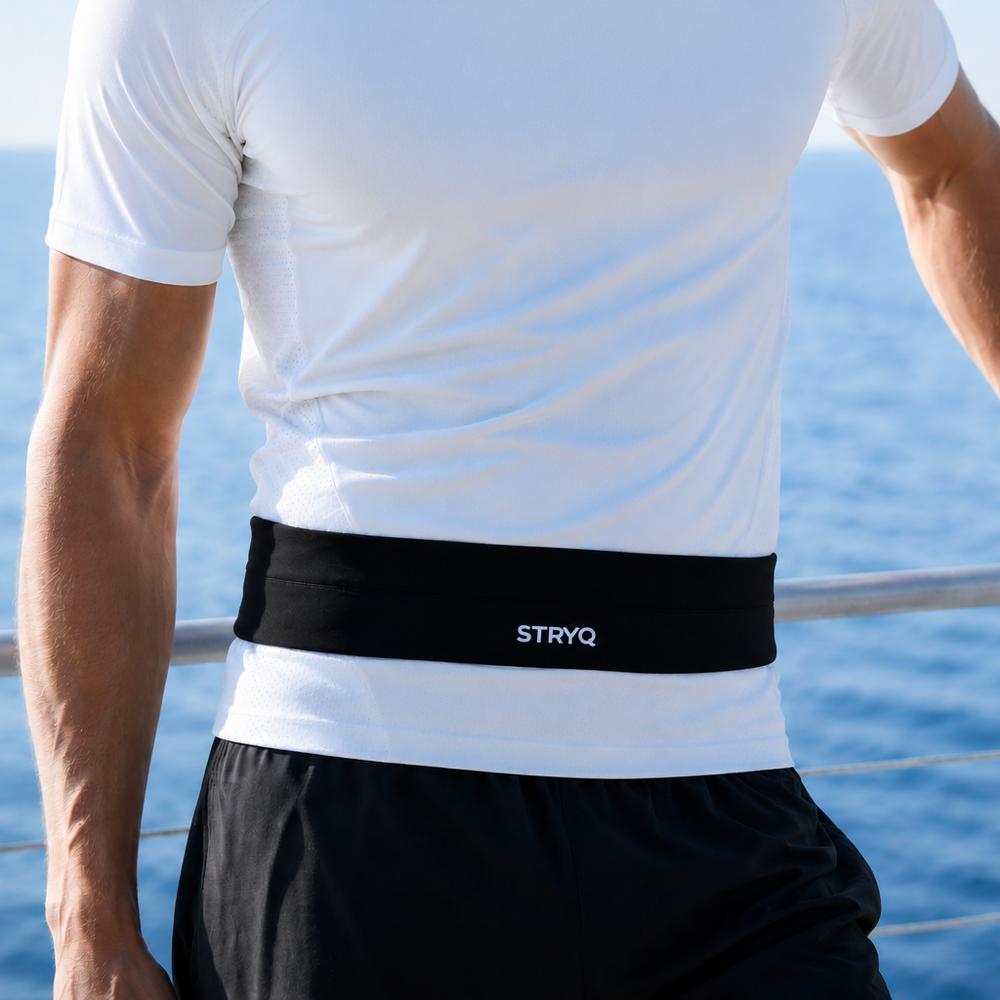
A running belt suits shorter sessions, parkruns, gym-to-run commutes and everyday training where you need a phone, keys, a card and perhaps one gel. It sits lower on the body, keeps your upper body clear and is often the most comfortable option when water is not necessary.
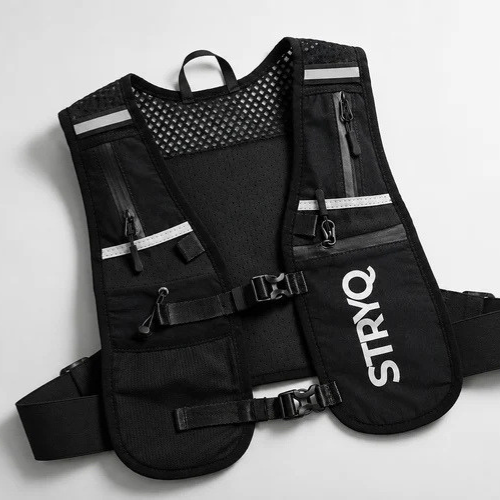
A hydration vest suits runs where fluid is the priority or where your kit list grows. Most runners will appreciate one for marathon training, trail events and long summer runs. It is also helpful if carrying a handheld bottle changes your arm swing or annoys you over time.
Some runners own both because each solves a different problem. A belt covers the majority of shorter miles. A vest comes out for longer efforts, unfamiliar routes and days when the weather or distance calls for more planning. No bounce. No bulk. Just the right amount of carry for the run.
How to choose a hydration vest that you will actually wear
Fit comes first. Measure your chest according to the manufacturer’s guidance, then use the chest straps to create a close, secure hold. The vest should feel snug enough that it does not shift when you jog, but not so tight that it restricts deep breathing. Test it with filled flasks, not empty pockets.
Look for adjustable straps across the chest and sides. Bodies, clothing and kit loads change through the year. You may run in a thin top in summer and a base layer in winter, so adjustment matters more than a vest that feels perfect in one changing-room test.
Capacity should match your usual longest unsupported run. For many road runners, a compact vest with two front soft flasks and practical pocket space is enough. Ultra runners and people heading into the hills may need more room, but extra litres are only useful if you will use them.
Pocket layout is worth more attention than it gets. You want water and fuel within easy reach, plus a secure pocket for your phone and keys. Check whether you can access your gels without twisting awkwardly or taking the vest off. Small details decide whether a vest feels helpful at mile 16 or irritating at mile two.
Finally, pay attention to the materials around the neck and underarms. Lightweight, soft fabrics and well-finished edges help reduce rubbing. Even a good vest benefits from a gradual introduction, so wear it on a few shorter runs before trusting it for a long session or race.
Getting the most from your vest
Do not wait until you are thirsty to drink. On longer runs, take regular small sips and adjust to the temperature, your effort and your own sweat rate. There is no single amount that works for every runner, so use training to learn what feels right for you.
Pack with purpose. Put the items you will use often in front pockets, keep valuables secure and avoid carrying spare items just because the space is available. If you are using gels, practise opening and taking them while moving. If you are carrying electrolyte drink, test the flavour and concentration before race day.
A well-fitted hydration vest should fade into the background after the first few minutes. That is the test. If you notice constant bounce, rubbing or fumbling, adjust the straps, rethink the load or try a smaller setup. The goal is to focus on the miles, not manage your gear.