A running belt can feel perfectly comfortable while you are standing in the hallway, then start hopping around your waist within the first kilometre. That is why belt bounce testing matters. It is a simple way to check how a belt performs with your actual running essentials inside it, at the pace you plan to run.
The goal is not to make a belt painfully tight. A good belt should stay put without digging into your stomach, restricting your breathing or making it awkward to reach a gel. The right fit lets you forget it is there, whether you are heading out for a relaxed parkrun or settling into the later miles of a marathon.
What belt bounce testing should tell you
Bounce is not just an annoyance. Repeated movement can rub the skin, make a mobile phone feel heavy and distract you from your rhythm. If you keep pulling a belt down or twisting it back into place, you will notice it more as the run gets longer.
A useful test should answer three practical questions. Does the belt stay in one position? Can it carry your usual kit without sagging? Does it remain comfortable once you are breathing harder and moving properly?
The answer will depend on the belt, your body shape and what you carry. A belt that is stable with keys and a card may move once you add a large mobile phone, two gels and a soft flask. This is normal. The important thing is testing the setup you will genuinely use.
How to do belt bounce testing at home
Start by filling the belt with realistic items. Put your mobile phone in the pocket you would normally use, then add your keys, fuel and anything else you take on a typical run. Avoid testing an empty belt. An empty belt tells you very little about how it will feel on the road.
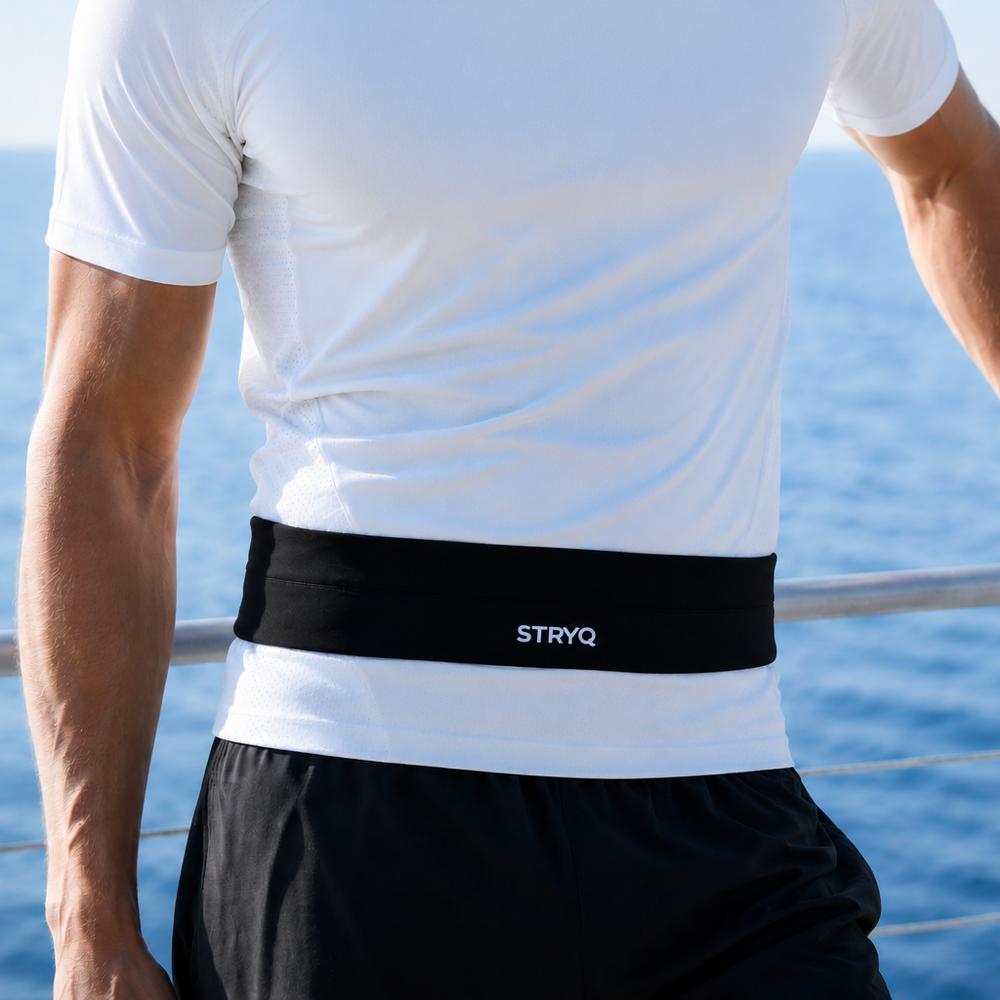
Position the belt around your waist or hips according to its design. Most runners find that a belt sits more securely around the narrowest part of the waist, rather than low on the hips where it has more room to slide. If you wear it over a running top, test it over the same layer you plan to wear outside.
Adjust the fit until it feels secure but comfortable. You should be able to take a full breath. If the belt is already pressing into your abdomen while standing still, it is likely too tight. If you can easily pull it away from your body, it may be too loose.
Then move through a short sequence. Jog on the spot for 30 seconds, lift your knees a little higher, do a few gentle hops and lean forwards as if reaching for something. Listen for rattling keys and pay attention to whether the belt rolls, rides up or drops down.
This indoor check is useful, but it is only the first stage. Running creates repeated impact, sweat changes the grip of fabric and your stride can expose movement that a few hops will not.
Check the load, not just the belt
Where you place your kit has a major effect on bounce. A heavy mobile phone sitting at the very front can pull the waistband down. Keys left loose in a large pocket can knock against other items. A gel tucked beside a mobile phone may create a hard edge that becomes uncomfortable after several miles.
Spread weight where you can. Keep items flat against the body and use separate pockets if the belt has them. If there is one heavier item, such as a mobile phone or flask, position it where the belt feels most stable on your body. For many runners, this is at the back or slightly to one side rather than directly over the stomach.
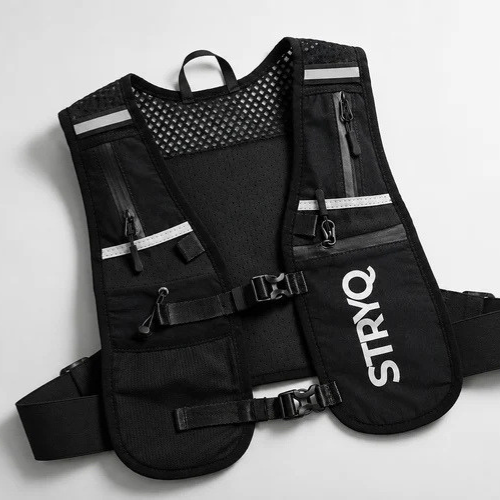
Do not overfill a belt simply because the pockets stretch. Stretch is useful for holding essentials close, but cramming in extras can change the fit and turn a secure belt into a bouncing one. For longer runs, consider whether a hydration vest is the better option for carrying larger amounts of fluid and nutrition.
Take the test outside
Your first outdoor belt bounce test does not need to be a long run. A 10 to 15-minute easy run is enough to reveal most fit problems. Choose a familiar route and use the same clothing, kit and footwear you would use for a normal session.
Run easily for the first few minutes, then include a short section at a quicker pace. A belt can behave differently when your stride length increases and your arms are working harder. If you run hills, add a gentle incline too. Uphill running often makes runners bend slightly at the waist, while downhill running can increase impact and expose any looseness.
Try taking out a gel or checking your mobile phone while moving. A pocket that is secure but impossible to access is not ideal, especially during a race. You should be able to use the belt without breaking stride or stopping unless you are carrying something more substantial.
After the run, look for signs that the setup needs changing. Red marks are not always a problem, especially after a warm day, but rubbing, pinching and sore patches are. Notice whether you adjusted the belt during the run. One small adjustment may be fine. Repeatedly pulling it into place is a clear sign that the fit, load or position needs work.
Why belts bounce and what to change
The most common cause is a loose fit. Running belts need closer contact with the body than everyday waist packs. Tightening the belt slightly can solve the problem, but do it in small steps. An overly tight belt can chafe and feel restrictive once you start working hard.
The next likely cause is an uneven load. A heavy mobile phone, bottle or cluster of gels can pull one section of the belt down. Reorganise what you carry before assuming the belt itself is wrong. Flattening items and moving the heaviest object can make a noticeable difference.
Fabric also matters. A smooth, slippery top may allow a belt to travel more than a textured technical layer. In cold weather, a belt worn over a jacket may need a different adjustment from one worn over a thin summer tee. Test it with the clothing you use most often, not just one outfit.
Finally, check the condition of the belt. Elastic can lose tension over time, especially if it has been regularly stretched or washed incorrectly. Follow the care instructions and inspect adjusters, seams and pockets before relying on a well-used belt for race day.
Test for the run you are training for
A short 5K may only require a phone and keys. A half marathon could mean phone, gels and perhaps a small flask. An ultra may call for more food, mandatory kit or larger hydration capacity. There is no single perfect running belt setup because the demands change with distance, weather and personal preference.
For race preparation, repeat belt bounce testing with your exact race-day load. Use the same gels you have trained with, the same mobile phone case and, if possible, similar clothing. A new item can alter the fit more than expected. Even adding a small pack of tissues or a second gel can affect how a compact belt sits.
It is also worth testing after you have eaten and drunk normally. A belt positioned comfortably before breakfast can feel different later in the day or after a pre-run snack. You need room to breathe, fuel and move naturally.
A secure fit should feel unremarkable
The best result from belt bounce testing is not a belt you constantly notice because it is tightly strapped down. It is one that carries what you need without shifting, rubbing or making you change how you run.
Take a few minutes to test the full setup before a longer session or event. Small adjustments at home are far easier than dealing with a bouncing mobile phone at mile 18. When your kit stays quiet and secure, you can put your attention back where it belongs: the next mile.