The hard work is done. Your taper has started, the race is close, and suddenly the question becomes: what do you actually need to take? A good marathon essentials list is not about carrying every possible item. It is about removing small problems before they become big ones at mile 20.
Race day is long. You may be away from home for six hours or more, standing in a cold start pen, running through changeable weather and finishing tired, hungry and not especially interested in making decisions. Pack with that version of yourself in mind.
Marathon essentials list: what to wear and carry
Start with the kit you have already trained in. Marathon day is not the time to find out that new shorts ride up, a vest rubs under your arms or socks bunch at the heel. Even a minor irritation can become painful over 26.2 miles.
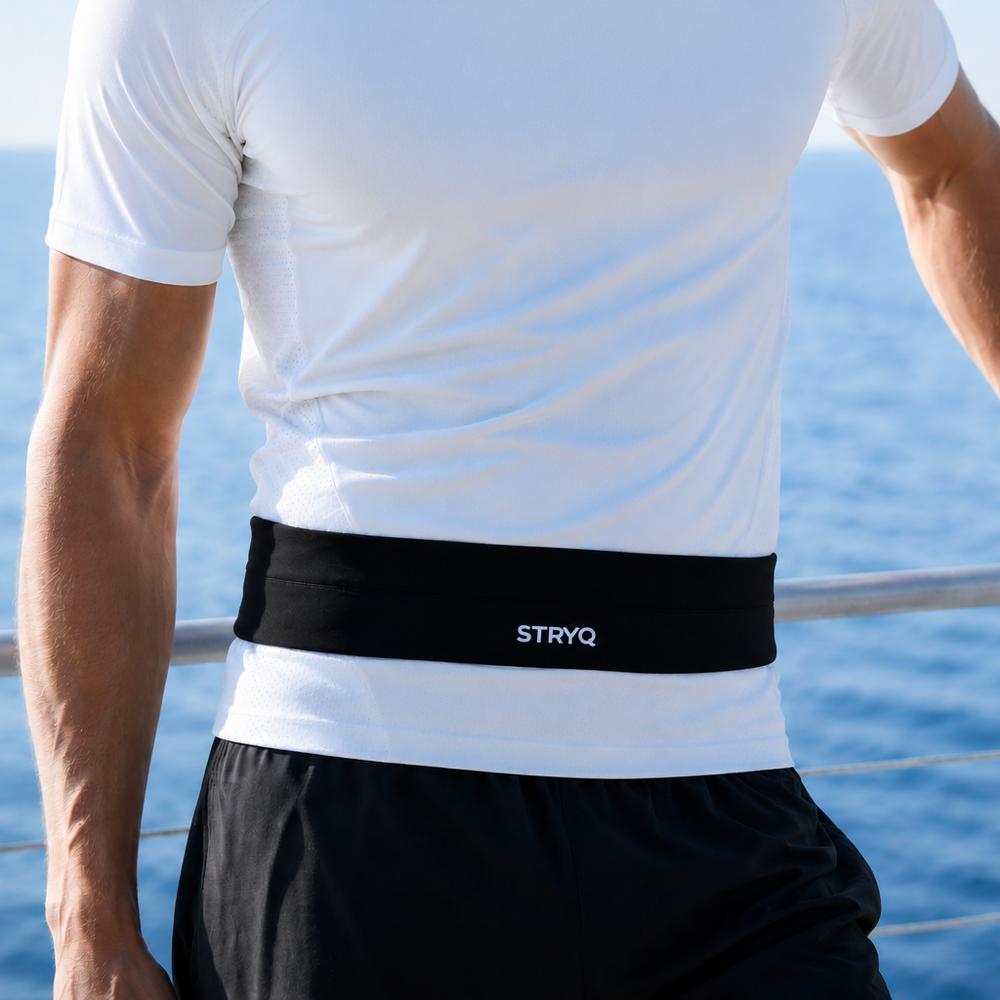
Your core running kit should include your tried-and-tested shoes, socks, underwear, shorts or tights, and top. Check your race instructions for whether your number needs to be pinned to the front of your top. If you use a running belt, make sure it sits comfortably over your chosen layers and does not interfere with the number.
For most runners, these are the essentials worth laying out the night before:
- Running shoes with enough life left in them, already broken in
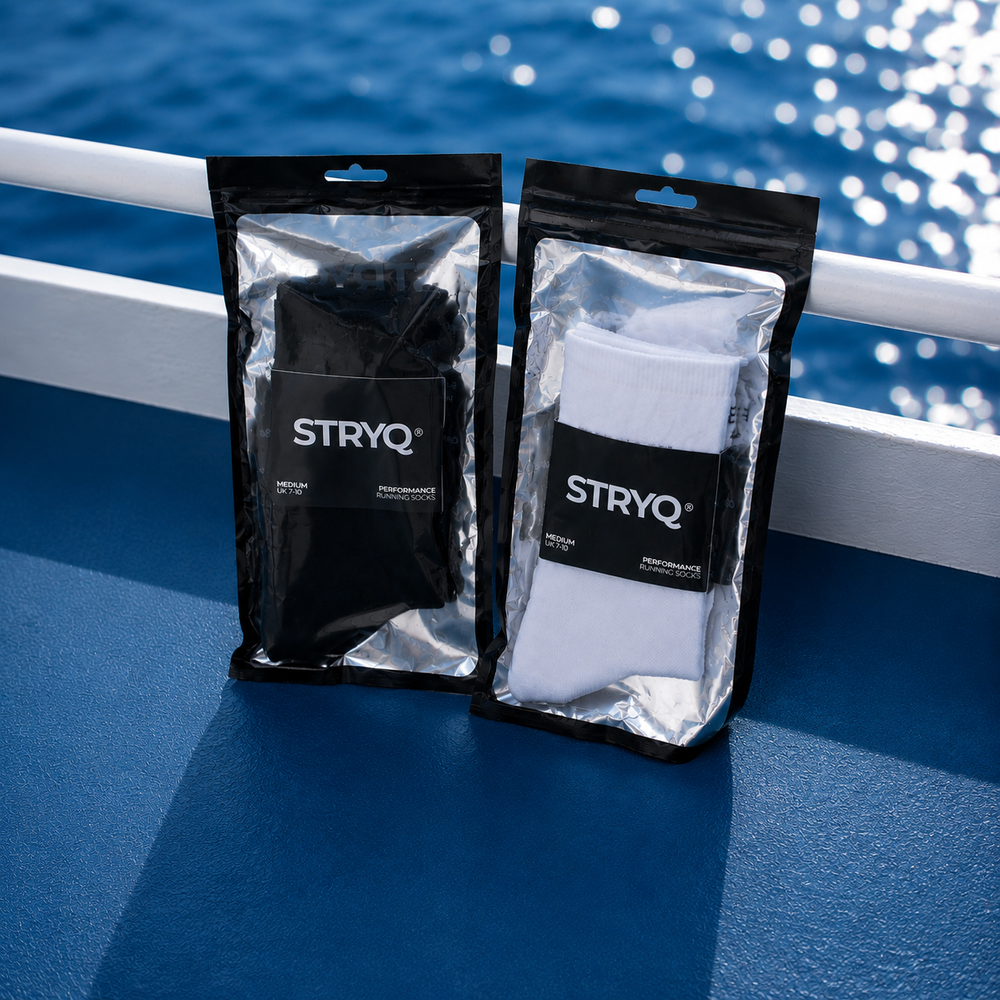
- Technical socks you have worn on long runs
- Your race outfit, including a suitable layer for the forecast
- Race number, safety pins and timing chip if one is supplied separately
- Watch, headphones if permitted, and anything else you rely on for pacing
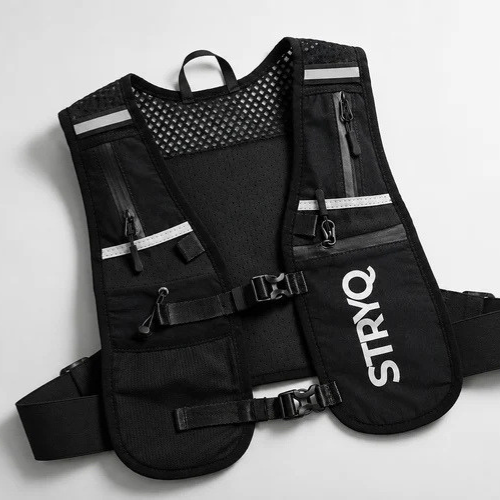
- A secure belt or vest for fuel, phone, keys and small essentials
No bounce. No bulk. That is the aim. Your kit should feel unremarkable once you start moving.
Fuel and hydration: use what your gut knows
The most valuable things in your pocket are often the least exciting: the gels, chews, electrolyte tablets or drink mix that you know you can tolerate. Do not rely completely on the race feed stations unless you have checked what they provide and practised with the same product. A gel that works brilliantly for another runner can upset your stomach when your heart rate is high.
Pack enough of your usual fuel to cover the plan you have rehearsed, plus one spare serving. If you take a gel every 30 to 40 minutes, work backwards from your expected finish time. Place them in the order you will use them, or make sure they are easy to reach without stopping.
Water needs depend on the weather, your pace, your sweat rate and the frequency of aid stations. A cool spring marathon in the UK may require far less carried fluid than a warm race or one with sparse support. Drinking to thirst is sensible for many runners, but do not leave hydration to chance. Know where the water stations are and decide in advance whether you will carry a soft flask, take cups on course, or combine both.
If you use electrolytes, take only the amount you have practised with. More is not automatically better. The same applies to caffeine. Race morning is not the moment to double your usual dose because you are nervous.
The small items that prevent avoidable problems
Some marathon essentials are there for comfort, not speed. That does not make them optional. Blisters, chafing, cold hands and a dead watch can take far more attention than they deserve.
Apply anti-chafe balm before you leave, paying attention to toes, heels, inner thighs, underarms, bra lines and anywhere a seam has caused trouble before. Take plasters or blister patches for after the race rather than expecting to fix a developing blister mid-run. If you have a specific recurring issue, such as nipple chafing or toes that rub together, deal with it at home before the start.
Bring a small amount of ID, a payment card and an emergency contact detail. Your phone can be useful for meeting family, accessing travel information and getting home, but it needs to be protected from sweat and rain. A secure, weather-resistant pocket makes more sense than holding it for four hours.
Charge your watch the day before and check that the activity mode, GPS settings and alerts are ready. If you run with headphones, charge those too, but remember that some races discourage or restrict them. Keep the volume low enough to hear marshals, other runners and course announcements.
What to take for the start area
The start is usually colder than the race. You may spend an hour travelling, queuing for toilets and waiting in a pen before you begin running. A disposable outer layer can make that wait much more comfortable. An old jumper, charity shop layer or bin bag will do the job, provided race organisers allow it.
Take a light rain layer if the forecast is wet, especially when travelling to and from the event. A cap can be useful in rain as well as sun, helping keep water out of your eyes. Gloves are worth considering for cold starts, but avoid thick pairs if you tend to overheat quickly.
Most large marathons have bag-drop rules, including clear bag requirements and cut-off times. Read them properly a few days before the race. Do not assume you can leave a large rucksack, spare shoes or valuables at the start. Put your post-race clothes in the approved bag and attach the correct label before you leave home.
Your post-race bag matters too
Finishing a marathon changes priorities fast. You will want warmth, dry clothes, food and a simple plan for getting home. Pack a loose, warm top, comfortable trousers or joggers, dry socks and easy shoes. Your feet may be sore or swollen, so avoid anything tight or fiddly.
Include a drink and a snack you genuinely want to eat. The finish area may offer water, recovery drinks or food, but queues happen and your appetite can be unpredictable. Something familiar such as a flapjack, banana, sandwich or protein drink can bridge the gap until a proper meal.
Painkillers are best handled cautiously. Do not take anti-inflammatories during a marathon as a precaution. They can carry risks when you are dehydrated and running for hours. If you feel unwell, dizzy, confused, have chest pain or cannot stop vomiting, speak to the medical team rather than trying to push through or self-treat.
Arrange your meeting point before the race if friends or family are coming. Mobile signal can be patchy around major events, and a specific location is far easier than a stream of messages after you finish.
Check your race rules, not just your packing list
Every event has its own rules. Some require mandatory kit, particularly trail and coastal marathons. Others have restrictions on bags, headphones, poles, hydration packs, cameras or costumes. Road marathons can be well supported, but that does not mean every personal preference is permitted.
Check the official briefing for start waves, transport, cut-off times, bag drop, water stations and fuel provided on course. Then adjust your kit. If a race has water every few miles, a light belt with gels may be ideal. If it is a self-supported trail marathon, you may need a vest with more fluid, food, a phone, a foil blanket and weather protection.
The principle is simple: carry what solves a problem you are likely to have, not what merely feels reassuring at the kitchen table. A well-fitted running belt or hydration vest from STRYQ can keep those essentials close without adding distraction, but it still needs to be part of your long-run routine first.
Pack the night before, then leave it alone
Lay everything out the evening before: race kit, travel clothes, start-area layer, fuel, fluids, watch and post-race bag. Pin your number on. Put your gels in the belt or vest. Charge your devices. Make breakfast straightforward and set more than one alarm.
In the morning, resist last-minute changes prompted by nerves or social media. Stick to the socks, fuel and carrying setup that got you through training. The marathon will provide enough unknowns. Your essentials should not be one of them.
When you are standing in the start pen, comfortable and properly prepared, you have already made the first miles easier. Then the only job left is the one you trained for: settle in, look after yourself, and keep moving forward.