A running belt should be the piece of kit you stop noticing after the first few minutes. Your phone stays still, your keys do not dig in, and your gels are there when you need them. If you are pulling it down, tightening it mid-run or leaving essentials at home because they are awkward to carry, the belt is not doing its job.
For most runners, a belt is the simplest answer to a familiar problem: you need a few things, but you do not want a backpack or the bulk of pockets. The right choice depends less on how far you run and more on what you need to carry, how you prefer your kit to sit and whether it stays comfortable when you sweat.
What a running belt is best for
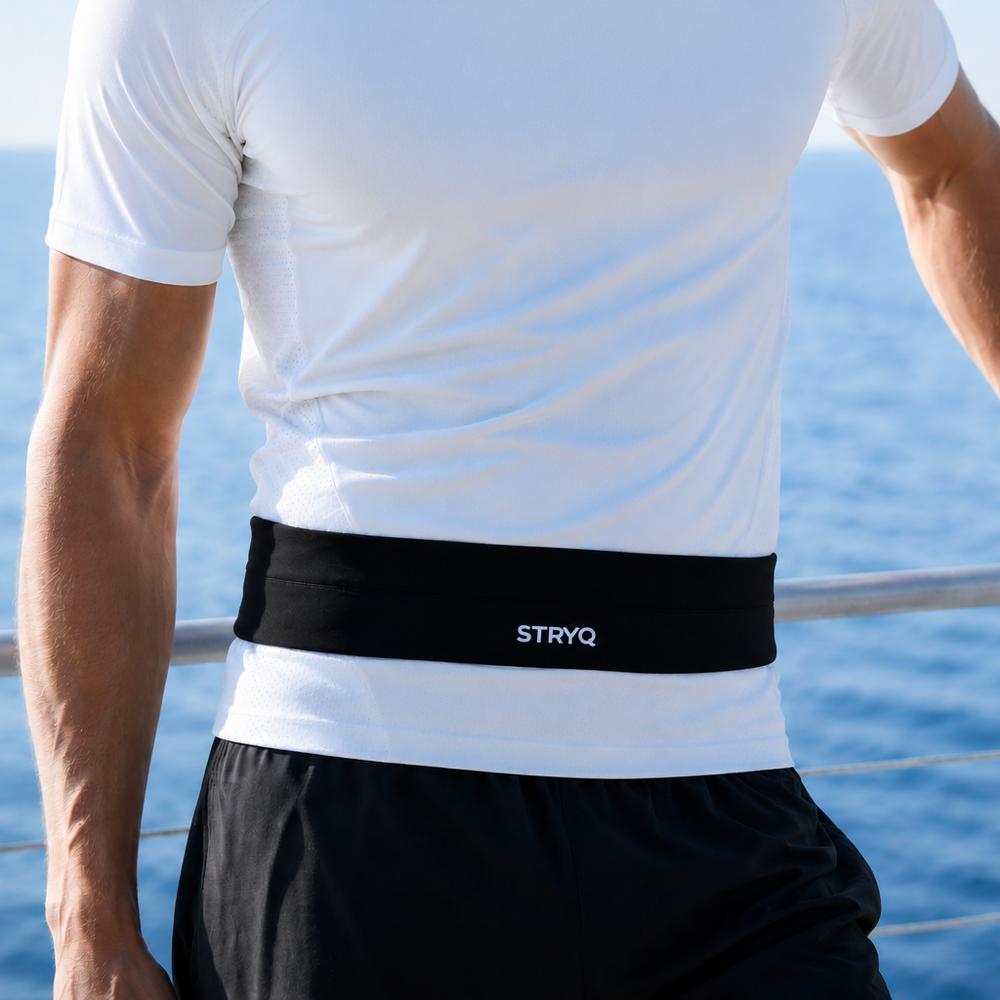
A running belt sits around your waist or hips and gives you secure storage without adding much weight. It is useful for everything from a first Couch to 5K session to a marathon build-up. The key benefit is freedom. You can run in a lightweight top or leggings without relying on small, shallow pockets.
For shorter runs, that may mean carrying a phone, house key and inhaler. For a longer run, you may add gels, chews, tissues, a card and a soft flask. On darker mornings, it is also a useful place for a compact head torch or lightweight gloves once you warm up.
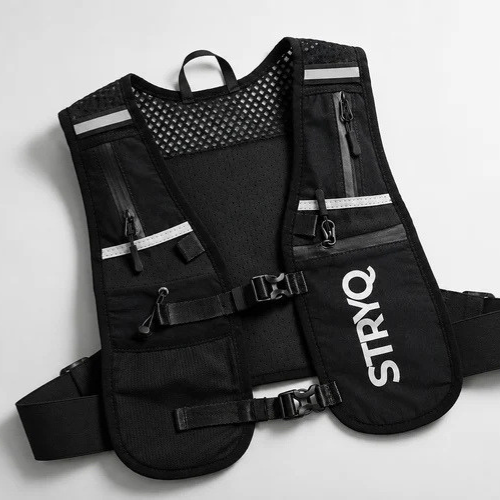
A belt is not automatically the best option for every run. If you need more than around 500ml of fluid, a jacket, substantial nutrition or mandatory trail kit, a hydration vest will usually spread the load better. But for everyday road running and races where water is available at aid stations, a well-fitted belt keeps things simple.
Start with fit, not storage space
The biggest difference between a good running belt and an annoying one is fit. A large pocket means very little if the belt moves with every stride.
Look for a close, secure fit that sits comfortably around the part of your body where it naturally settles. For many runners, this is around the hips rather than the narrowest part of the waist. The belt should feel firm enough not to bounce, without being so tight that it restricts breathing or presses into your stomach.
Elasticated belts can be especially comfortable because they move with your body. Adjustable straps give more control, particularly if you wear different layers across the year or your body shape changes during training. Neither is always better. It depends on whether you value a streamlined pull-on fit or the ability to fine-tune tension.
Try the fit as you would use it. Load the belt with your actual phone and a few gels, then jog on the spot or take it for an easy run. A belt that feels fine while empty can behave very differently once weight is added.
Where should it sit?
There is no universal position. Some runners prefer a belt low on the hips, while others wear it slightly higher around the waist. The best position is the one where the contents stay stable and the belt does not rub.
If it creeps upwards, it may be too loose or sitting on a tapered part of your torso. If it rolls or digs in, it may be too tight, too narrow, or overloaded. Small adjustments can make a big difference, so test the placement before deciding a belt is not for you.
Choose capacity for the runs you actually do
It is easy to buy the largest belt available and then fill it with things you do not need. That often creates the bounce you were trying to avoid. Start with your usual running kit, not your longest planned run of the year.
A compact belt is ideal if you normally carry only a phone, keys and one or two gels. A larger multi-pocket belt suits runners who take regular nutrition, need medication or want room for a soft flask. If you are training for a half marathon or marathon, having separate spaces for fuel and valuables can make mid-run access much easier.
Think carefully about your phone. Modern phones are larger than many older running pockets were designed for. Check both the dimensions and how the phone sits. A wide, stretchy pocket may hold it comfortably, but a loose pocket can allow it to shift. A secure pocket with enough stretch is usually the better balance.
Pocket design matters more than pocket count
One large tube-style compartment can work brilliantly for runners who like flexibility. You can slide items around and access them from different angles. It is particularly useful for carrying a phone, gels and a lightweight layer together.
However, separate pockets offer better organisation. A zipped pocket is useful for keys, cards or other small valuables. Open-access pockets make gels easier to grab without breaking stride. Some runners prefer to keep nutrition on one side and their phone on the other, which prevents hard objects from pressing against the screen.
The right design comes down to your routine. If you regularly stop to take things out, a simple main compartment may be enough. If you race, train with several gels or dislike rummaging while moving, more structure is worth having.
Avoid hard, loose items sitting directly against your body where possible. Keys are the obvious culprit. Put them in a secure pocket or attach them to a key clip if the belt has one. This reduces both movement and the chance of chafing.
Look for comfort when wet, not just when dry
Sweat changes how every piece of running kit feels. A belt that is soft and comfortable at the start of a run can become heavy, slippery or abrasive after an hour.
Choose lightweight, breathable material with enough stretch to hold its shape. A belt should dry quickly and feel smooth against bare skin or a running top. Flat seams help reduce rubbing, especially on longer runs where small irritations become more noticeable.
Chafing is not always caused by the belt itself. It can come from an item moving inside it, salt build-up from repeated use, or a belt worn too loosely. Washing it regularly and avoiding overfilling will help. On very long runs, anti-chafing balm around known problem areas can still be sensible.
Weather also affects what you carry. In a British winter, you may need space for gloves, a buff or a folded windproof layer. In summer, hydration and fuel become more important. A versatile running belt should cope with these changes without forcing you to carry unnecessary bulk all year.
Test it before race day
Do not save a new belt for a half marathon, marathon or trail event. Use it on several easy and long training runs first. Test the exact setup you plan to use on the day, including your phone, nutrition, hydration and any medication.
Pay attention to practical details. Can you reach a gel without stopping? Does your phone stay dry enough in light rain? Can you get your key out with tired hands? Does the belt still sit well after you have eaten or drunk? These are minor details until they cost you time, comfort or focus during a race.
It is also worth practising with the belt when wearing the kit you expect to race in. A belt can sit differently over a thin vest, a long-sleeve base layer or a jacket. The goal is not to create a complicated system. It is to make carrying essentials feel automatic.
Common running belt mistakes
Most belt problems are fixable. The most common is overloading it. Carry what you need for the route, conditions and duration, then leave the rest behind. A belt is designed for essentials, not every possible contingency.
Another mistake is wearing it too high or too loose. If it bounces, resist the temptation to keep adjusting it while running. Stop, reposition it and tighten it slightly. If this keeps happening, try a different placement or consider a belt with a more secure fit.
Finally, do not assume a belt must hold all your hydration. For a short run, you may not need to carry water at all. For a long hot run, a vest may be the more comfortable choice. Matching your carrying system to the session is better than trying to make one item cover every situation.
A simple choice that makes runs easier
A good running belt is not about carrying more. It is about carrying the right things without distraction. Prioritise a stable fit, enough space for your regular essentials and pockets you can use while moving. STRYQ running accessories are designed around that same principle: no bounce, no bulk, and less time thinking about your gear.
Once your essentials are secure, you can get back to the part that matters - settling into your pace and enjoying the miles ahead.