Finding the right running belt for marathon training can make a big difference to your comfort and focus on race day. A good belt keeps your gels, keys, and phone secure without bounce, letting you run freely for 26.2 miles.

Why a Running Belt Matters Over Long Distance
Marathon running is all about preparation and rhythm. A secure belt stops distractions caused by jangling pockets or slipping waistbands. Whether you’re tackling your first marathon or chasing a personal best, a reliable running belt helps you stay organised from start to finish.
What to Look For in a Marathon Running Belt
- Low bounce fit: The belt should stay steady even when loaded with gels and a phone.
- Moisture resistance: Sweat and rain shouldn’t affect your gear.
- Stretch capacity: Look for fabric that expands comfortably as you breathe.
- Easy access: You need to reach gels and essentials quickly during a race.
- Reflective detailing: Important for early starts or evening training runs.
Recommended Setup for Marathon Day
| Item | Purpose | Suggested Quantity |
|---|---|---|
| Energy gels | Fuel during the race | 4–6 |
| Phone | Tracking and safety | 1 |
| Keys or ID | Security | 1 small set |
| Electrolyte tablets | Hydration support | 2–3 |
STRYQ Running Belt – Designed for Distance
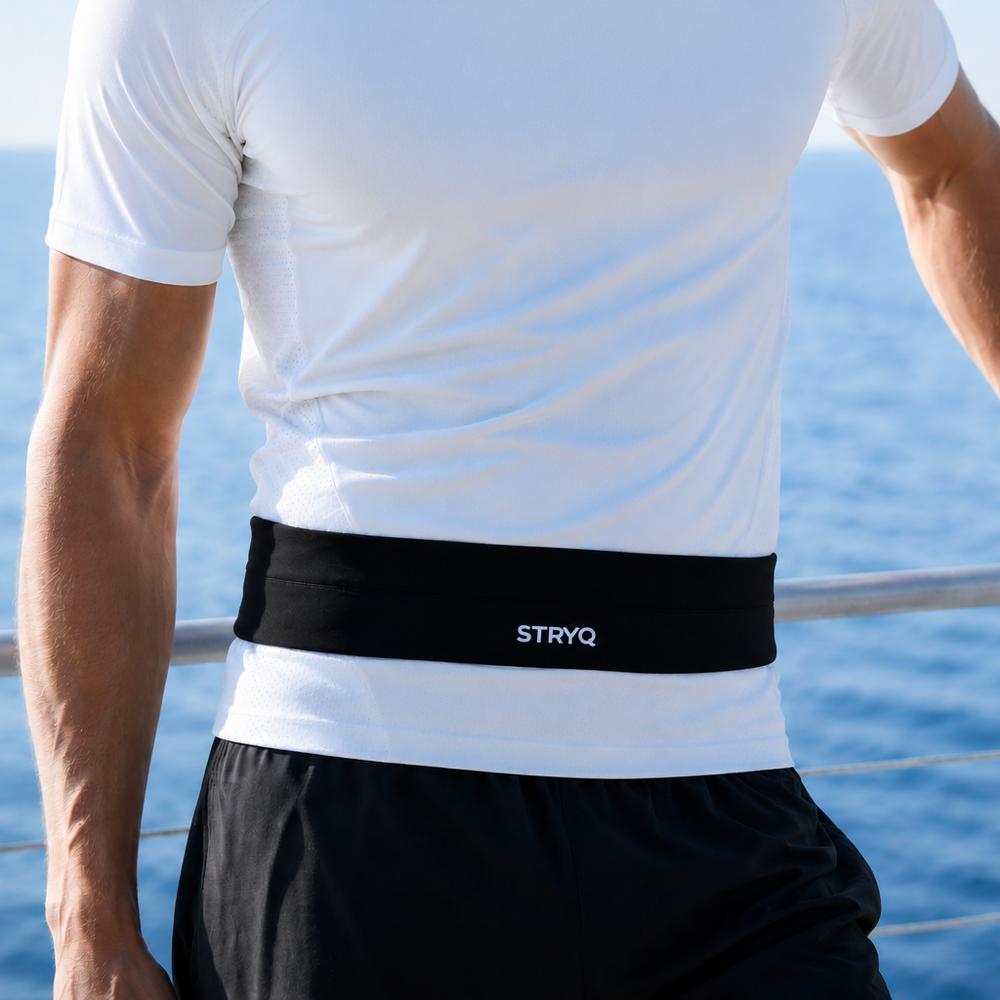
The STRYQ Running Belt is built for endurance events like marathons and half-marathons. Its stretch design holds firmly around the hips, offering a comfortable, bounce-free fit. With multiple pockets, it easily stores gels, keys, and large phones without movement or irritation.
At £22.99, it delivers premium performance at a fraction of the cost of imported brands. It’s tested in Scottish race conditions, making it reliable through rain, sweat, and long training blocks.
When to Consider a Hydration Vest
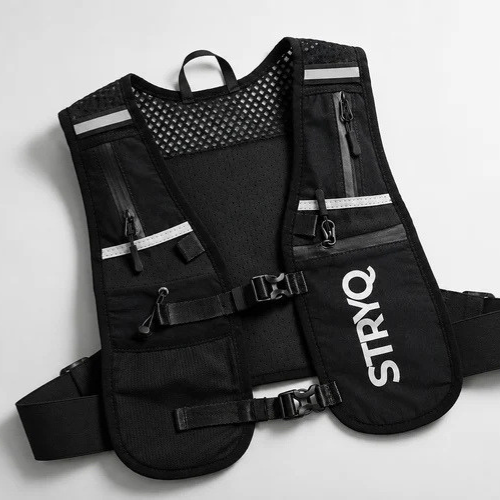
For very long runs, warm conditions, or trail marathons, a hydration vest can be a smart upgrade. STRYQ’s lightweight vest (£32.99) offers water storage, front pockets, and reflective safety features. Many runners use the belt for race day and the vest for long weekend training runs.
Training Tips for Marathon Readiness
- Use your running belt in every long run so it feels natural on race day.
- Test different gel positions and pocket setups early in training.
- Hydrate consistently and keep a balanced fuelling plan.
- Plan one full race-pace long run using all your kit to check comfort.
Running Belt Comparison – Marathon Essentials
| Brand | Average Price | Storage Capacity | Water Resistance | Availability |
|---|---|---|---|---|
| Salomon Pulse Belt | £30–£35 | Medium | Yes | Limited UK stock |
| Nathan Zipster Belt | £28–£32 | Medium | Partial | Imported |
| FlipBelt | £35–£38 | Medium | Light | Imported |
| STRYQ Running Belt | £22.99 | Medium-High | Full waterproof lining | UK stock, fast delivery |
Final Thoughts
Finding the right running belt for marathon training isn’t about the brand name — it’s about comfort, reliability, and value. The STRYQ Running Belt gives marathon runners everything they need for storage, fit, and waterproof protection at a price that makes sense. For longer or trail events, pairing it with the STRYQ Hydration Vest offers a complete endurance setup built for real-world performance.
For more gear advice, read our guides on Are Running Belts Good?
FAQs
Do marathon runners use running belts? Yes. Most runners use belts to store gels, phones, and essentials without bounce or irritation.
Can you wear a belt and hydration vest together? You can, but most runners choose one based on distance and conditions.
Should I train with my race-day belt? Always. Training with the same setup helps you avoid surprises on race day.
What makes STRYQ good for marathons? It offers comfort, waterproof protection, and storage tested in real UK conditions for a lower cost than major brands.