Brighton can give you bright sun, coastal wind and cool patches in the same race. That is why a Brighton marathon hydration guide should start with your own plan, not a fixed number of bottles or a hope that every aid station will suit you. Drink enough to stay in control, carry what you know works, and avoid turning race day into a nutrition experiment.
Brighton Marathon Hydration Guide: Start in Training
Hydration is not something to solve at mile 18. Your long runs are where you learn how much fluid feels comfortable, how often you prefer to drink, and whether you cope better with water, electrolytes or a mix of both.
Start by looking at the conditions. A warm, still day will usually increase your fluid needs. A cool, breezy day can be deceptive because sweat evaporates quickly, so you may not notice how much you are losing. Brighton’s exposed seafront sections can make that especially relevant. Check the forecast close to race day, but base your plan on what you have practised across different conditions.
A useful starting point for many runners is to drink to thirst and take regular small sips rather than forcing down a large volume at once. There is no single hourly amount that works for everyone. Body size, pace, sweat rate, heat, humidity and how much you drink before the start all matter.
If you want a clearer picture, weigh yourself before and after a normal long run without deliberately drinking extra. A noticeable drop in weight can suggest you need more fluid, while finishing heavier can mean you have overdone it. Do this only as a guide, not as a reason to chase perfect numbers. Your comfort, energy and toilet stops tell part of the story too.
Water, Electrolytes and Carbohydrate Are Different Jobs
Water replaces fluid. Electrolytes, particularly sodium, help replace salts lost through sweat and can make drinking more appealing over a long race. Carbohydrate gives you energy. A sports drink may cover all three, but only if you know its strength and have trained with it.
For a marathon, many runners use water alongside gels or chews, then add electrolytes through a drink, tablet or capsule where needed. If you are a salty sweater, often finish runs with white salt marks on your kit, or race in warmer conditions, electrolytes may be more useful. They are not a shortcut for poor fuelling, though. A drink with electrolytes does not replace the carbohydrate you need to keep working over 26.2 miles.
As a broad guide, marathon runners often aim for 30 to 60 grams of carbohydrate per hour. More experienced runners may take more, but only after training their gut to handle it. Take gels with water where the product recommends it. Washing a gel down with a concentrated sports drink can be too much for some stomachs.
Do not overdrink plain water simply because it is available. Excess fluid can leave you feeling bloated and, in serious cases, dilute the sodium in your blood. Small, regular drinks based on thirst and conditions are usually more sensible than trying to empty every cup.
Know the Race-Day Aid Stations
Before race week, check the official event information for the latest aid station locations and what is being handed out. Details can change from one year to the next. Work out the longest gap you may face between drinks, then decide whether you are happy relying on the stations or would rather carry enough to bridge them.
Aid stations are helpful, but they can be busy. At popular points, runners slow suddenly, cups appear underfoot and it is easy to miss a drink while trying to avoid another runner. If you are relying on them, move towards the side early, take a cup calmly and keep moving. Pinch the top of a paper cup to make a spout if that helps you drink without wearing most of it.
There is a trade-off. Carrying fluid adds a little weight, but it gives you control over timing, drink choice and how much you take. Relying on stations keeps your kit lighter, but leaves you dependent on their spacing and whatever is available. Neither approach is automatically better.
A runner who is comfortable drinking little and expects mild weather may be fine with aid stations plus a gel plan. Someone racing for four hours or more, prone to cramp in heat, or anxious about busy stations may prefer soft flasks or a hydration vest. The right option is the one that does not distract you from running.
Carrying Hydration Without Bounce
If you carry fluid, train in the exact setup you plan to use. A new vest, belt or bottle can rub, shift or feel awkward once you are tired. Fill soft flasks to the level you expect to carry, test them at marathon pace, and practise taking them in and out without breaking stride.
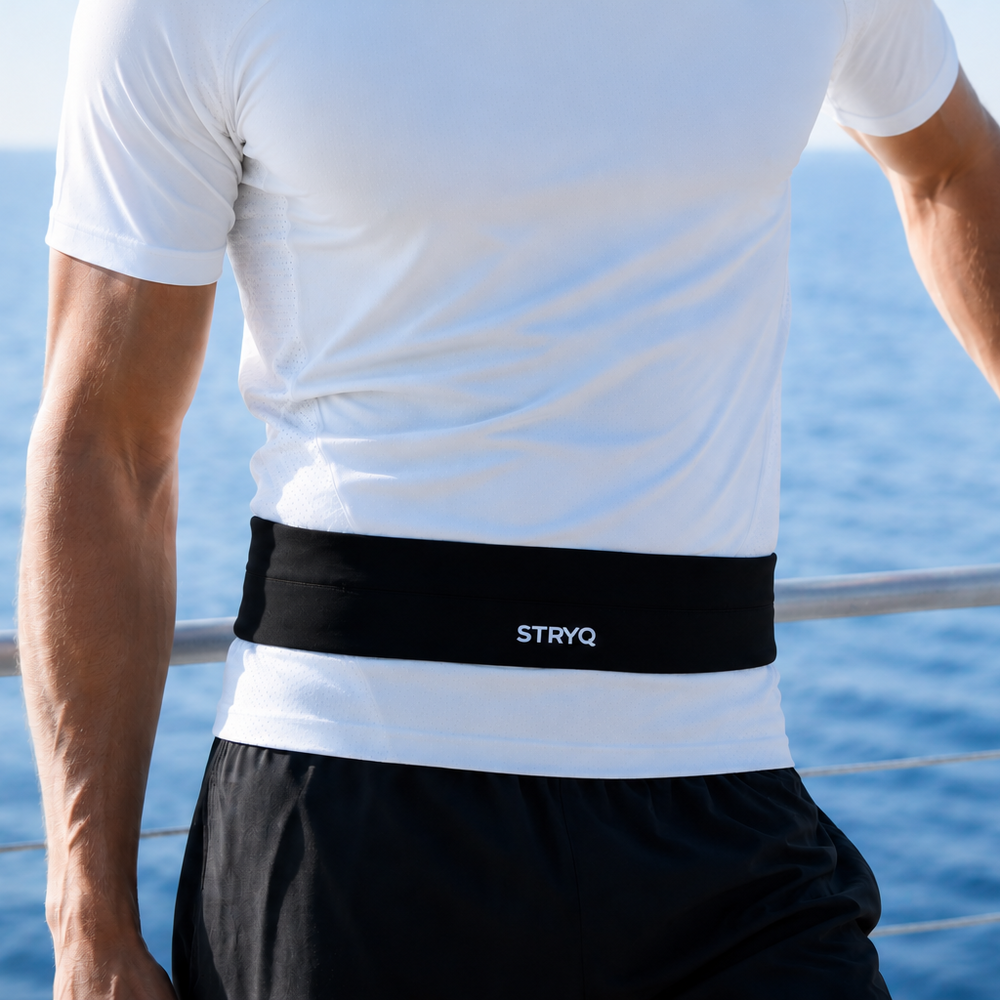
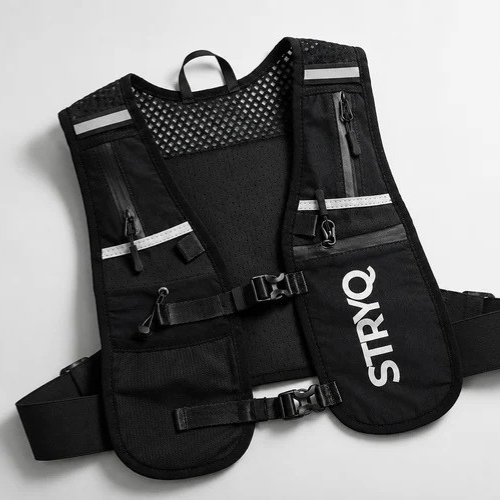
A belt works well for runners who only need a small amount of fluid and want easy access to gels, keys and their mobile phone. A hydration vest is often more practical when you want to carry two soft flasks, more nutrition or a light layer for a changeable morning. The aim is simple: no bounce, no bulk, and no need to wrestle with your kit at mile 16.
Fit matters more than capacity. Tighten a vest or belt enough that it stays close to your body, but not so much that it restricts breathing. Recheck the fit after filling your flasks, because the load changes as you drink. A well-fitted STRYQ hydration setup should feel like part of your kit, not another problem to manage.
Pack your nutrition in the order you will use it. Put your first gel where you can reach it easily, then keep later gels secure but accessible. If you use electrolyte tablets, prepare your bottles before the start rather than trying to mix them on the move.
Your Plan From Breakfast to the Finish
Begin the day hydrated, not flooded. Drink normally in the day or two before the marathon, with regular meals and a little extra attention to fluids if the weather is warm. Pale yellow urine is generally a more useful sign than trying to force litres of water down in one go.
On race morning, sip fluids with breakfast and in the final hour before the start. Avoid a large last-minute drink unless you know it sits well. You want to reach the start pen settled, not searching for a toilet or listening to fluid sloshing in your stomach.
During the race, use a simple rhythm. For example, take a few sips at planned points, have fuel at the intervals you have practised, and adjust if the day is warmer than expected. If you feel thirsty, drink. If your stomach feels full, slow down your intake for a short period and take smaller sips rather than giving up on fluids entirely.
Pay attention to early warning signs. Thirst, a dry mouth, headache, rising effort at an easy pace and unusually dark urine after the race can all suggest dehydration. A bloated stomach, frequent clear urine and nausea after drinking heavily may point to too much fluid. Severe confusion, vomiting, collapse or worsening symptoms need immediate medical support from the race team.
Keep the Plan Flexible
A good hydration plan has structure, but it is not rigid. Wind may make the course feel cooler than forecast. Sun may arrive later. You might spill a bottle, miss a station or find a drink does not agree with you on the day. Carrying a little more than you expect to use can be useful insurance, as long as the extra weight does not make your kit uncomfortable.
The week before the race, lay everything out and remove decisions. Choose your drink, count your gels, check your flask lids, and make sure you can access every item while moving. Then leave the new ideas at home.
The best plan is the one you have rehearsed often enough to trust. When the crowds are loud and the miles get serious, familiar sips and familiar kit give you one less thing to think about.