A gel that is buried under a jacket, squeezed into a pocket or bouncing against your hip is not much use at mile 16. Good running gel storage keeps your fuel secure, easy to reach and out of your way until you need it. That sounds simple, but it can make a real difference when you are tired, wet and trying to hold your pace.
For shorter runs, you may only need one gel. For a marathon, long trail day or race with a nutrition plan, you could be carrying six, eight or more. The right place to put them depends on how far you are running, what else you need to carry and how you prefer to fuel.
Why running gel storage matters
Most gels are small, but they are not weightless. A handful of sachets can swing around in loose shorts pockets, rub under a waistband or work their way out when you pick up the pace. The problem is rarely the amount of weight. It is movement.
You also need to be able to take a gel without breaking stride. If every feed means stopping, unzipping a pocket and searching through other kit, you are less likely to follow the plan you practised. On race day, that can leave you taking fuel late, then trying to catch up when your energy has already dipped.
There is a comfort factor too. Gel edges can press into your lower back or dig into your stomach if they are packed badly. In warm weather, sticky packets against bare skin can be irritating. A secure storage setup removes those small distractions. No bounce. No bulk. Just fuel where you expect it to be.
Choose storage around your run, not the product
The best option is not the one with the biggest pocket. It is the one that fits the demands of your run.
A 5K or parkrun usually does not require a gel at all. If you do carry one for a longer warm-up, a secure shorts pocket may be enough. For a 10K or half marathon, one or two gels can sit comfortably in a belt or rear pocket, especially if you want them available without carrying a vest.
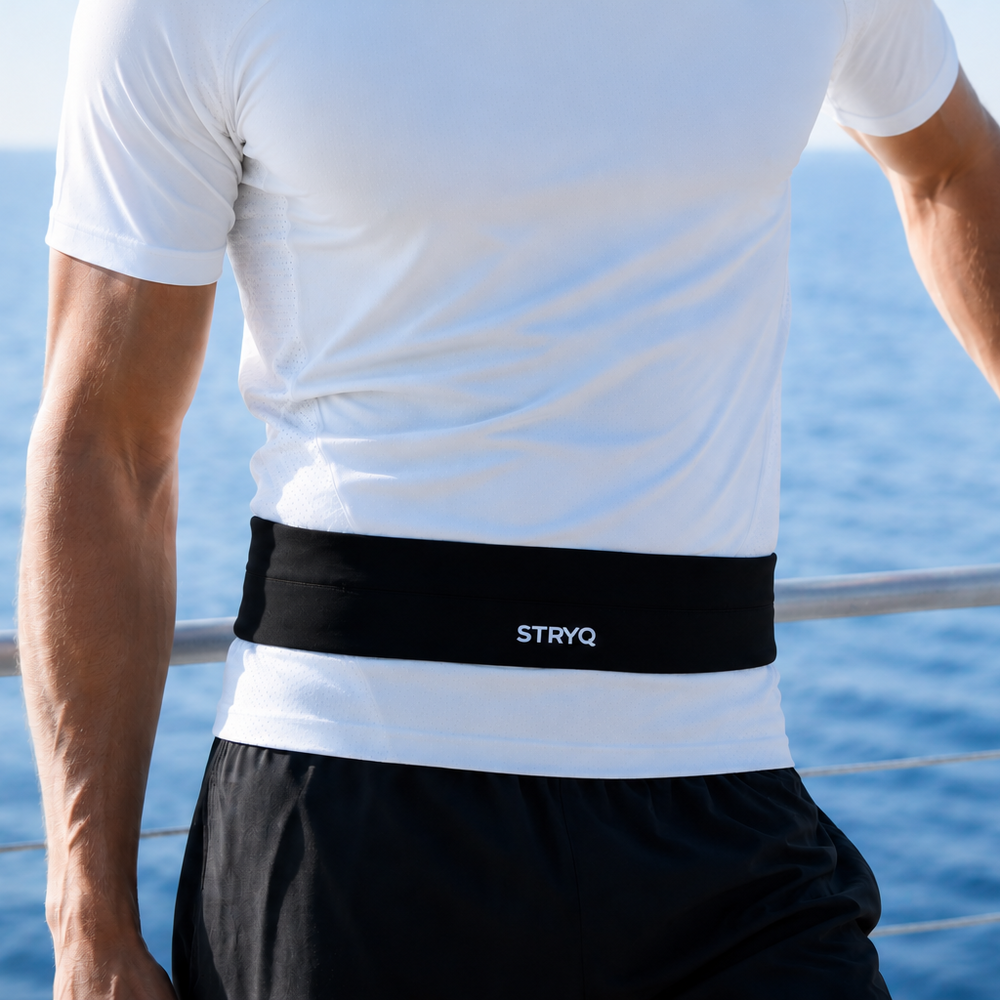
For marathon training, a running belt is often the practical middle ground. It keeps several gels close to the body, leaves your hands free and can also hold keys, a mobile phone and tissues. Look for a close fit and a pocket that does not sag once it is loaded. A belt that feels fine with a mobile phone alone can behave very differently with six gels inside.
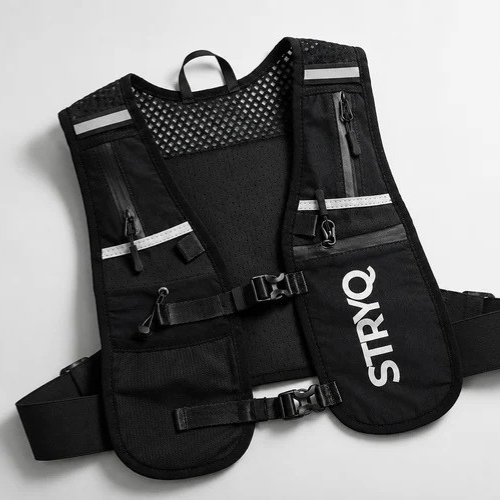
A hydration vest makes more sense when you need water as well as nutrition. This is common on long summer runs, unsupported routes, trail events and ultras. Front pockets are useful for the gels you plan to take soon, while larger rear storage can hold spares. The trade-off is more kit on your body. For a two-hour run with water stops available, a full vest may be more than you need.
Where to carry gels while running
There is no single correct layout, but a consistent system helps. Put the gels you expect to use first where you can reach them easily. Keep the rest secure until later.
Running belt pockets
A belt works well for runners who want a light setup. Place gels flat rather than folded into a thick bundle. Spread them around the pocket if space allows, rather than stacking every sachet in one spot. This reduces a hard lump against your back or abdomen.
If your belt has separate sections, use one for gels and another for valuables. A mobile phone pressed against gel tabs can be awkward to remove, particularly with cold hands. It can also make the pocket feel uneven.
Belts should sit snugly around the hips or natural waist, depending on their design. If it bounces, tighten it before adding more kit. If tightening causes rubbing or restricts breathing, the belt may be overloaded or not the right fit.
Hydration vest front pockets
Front pockets are the easiest place for on-the-move fuelling. You can see what is left, grab a gel quickly and put the wrapper away after taking it. This matters in a race, where dropping litter is not an option and stuffing empty wrappers into a pocket is easier than carrying them in your hand.
Avoid filling every front pocket to the point where the vest feels rigid across your chest. Gels should be secure, but they should not make it difficult to access your soft flasks or adjust the straps. If you carry several flavours, arrange them in order so you are not guessing which one you have picked up.
Shorts, tights and jacket pockets
Built-in pockets can be excellent for one or two gels. A centre-back pocket is usually more stable than a loose side pocket, while thigh pockets can work well if the fabric holds the gel firmly against the leg.
The downside is access. Reaching behind yourself, especially while wearing a jacket or race number, is not always easy. Use clothing pockets for backup fuel or the final gel or two, rather than making them your only option for a long event.
Handheld bottles
Some runners tuck a gel under the hand strap of a handheld bottle. It can work for a short period, but it is not ideal for carrying a full race supply. Sweat and rain can soften cardboard tabs, and a gel can slip free when you adjust your grip. Keep this method for one gel you plan to take soon, not your whole nutrition plan.
Plan the order before you leave
Running gel storage is easier when your nutrition plan is already decided. Before a long run, work out roughly when you will take each gel and place them in that order. You do not need to obsess over the exact minute, but you should know what you are carrying and why.
For example, if you take a gel every 30 to 40 minutes, place the first two in an easy-access pocket. Put later gels behind them or in a second pocket. If one gel contains caffeine, keep it separate so you do not take it by mistake early in the run.
This is also useful if you use different products. Some runners prefer a thicker, more substantial gel early on and a lighter option later. Others keep a caffeinated gel for the final third of a race. Whatever your approach, make the layout repeatable in training. Race day is not the time to invent a new system.
Prevent bounce, rubbing and broken packets
A few small details can stop storage becoming a problem halfway through a run.
First, do not overfill one pocket. If you need to carry a lot of gels, spread them across a belt and vest, or carry some in a rear vest pocket. Secondly, check the gel tabs before setting off. A damaged tab can leak sticky contents through the rest of your kit.
Thirdly, test your setup at easy pace and at faster pace. A belt that stays put on a gentle Sunday run may move when you run hills, descend trails or push through marathon-pace efforts. Wear the same clothing layers you expect to use in your event, because a belt over a thin top can fit differently over a winter base layer.
Finally, keep wrappers. An empty gel weighs almost nothing, and storing it until the next bin or aid station is part of running responsibly. A spare small pocket is useful for this alone.
Common mistakes to avoid
The most common mistake is treating storage as an afterthought. Runners often buy gels, decide how many they need, then force them into whichever pocket happens to be available. That is when bounce, chafing and awkward access begin.
Another is carrying all fuel in one hard stack against the lower back. It may feel acceptable at the start, but repeated movement can create pressure and rubbing over several hours. Split the load where possible.
Be careful with gels stored next to sharp items too. Keys, safety pins and loose headphone cases can puncture packaging. Keep fuel in its own compartment, and put keys in a zipped pocket.
Test your setup before race day
Your storage should be as familiar as your trainers. Use it on long runs, progression sessions and at least one run in the weather conditions you are likely to face. Rain, gloves, cold fingers and a soaked jacket all change how easily you can reach a gel.
If you are preparing for a marathon, practise taking a gel while moving and drinking water afterwards. You will quickly learn whether a pocket is too deep, a belt sits too high or a vest needs adjusting. Small changes are far easier to make in training than in the middle of a crowded race.
The best running gel storage is the setup you stop noticing. When your fuel is secure, comfortable and ready when you need it, you can keep your attention where it belongs: on the next mile.