Warm water before or during a run usually comes from one of two places: a tap that runs warm when you fill your bottle, or a bottle that heats up on your back. Both are fixable. Flush the tap until it runs cold, fill a soft flask, chill it, and carry it where body heat and sun reach it least. This guide covers each step, for runners from Couch to 5K to marathon.
TL;DR
- Warm water at the start of a tap is usually water that sat in hot pipes. Run it for a short while and it normally turns cold.
- If the tap stays warm however long you run it, hot water may be crossing into the cold line, which is a job for a plumber.
- Use cold tap water, not hot, for anything you drink on a run.
- In a heat study on cyclists, people exercised for longer with a cold drink than with a warm one, so a cool bottle is worth the effort.
- A 500 ml soft flask in a hydration vest or a belt-and-flask setup keeps a cool fill easy to carry and easy to sip.
Table of Contents
- Why your tap water runs warm before a run
- Use cold tap water for your bottle, not hot
- What warm drinking water does on a run
- Why your bottle warms up on the run
- A cold-start routine for any distance
- Which setup suits your distance
- Warm weather, summer and heat
- Our view on warm water and running
- Carry cold water comfortably with STRYQ
- What if the hot water is the problem?
- FAQ
- Sources
Why your tap water runs warm before a run
You are filling a bottle at 6 a.m. in July and the “cold” tap is lukewarm. Before you blame your bottle, look at the pipes.
One US plumbing service, Triple Play, explains that cold water which is warm for the first 10 to 15 seconds and then turns cold is usually water that has been sitting in hot, unconditioned spaces. Attics can reach 130 to 150°F in July and August. Once fresh water from the supply flushes through, the temperature drops.
The same logic applies in hot climates. The Coachella Valley Water District explains that in desert summers the heated ground warms water pipes, and in rare extreme cases cold-tap water can reach as high as 100°F. Its advice is simple: run the tap briefly to clear the warm water from your home, and if it does not drop within a minute, keep a pitcher of tap water in the refrigerator.
That last tip is the one runners should copy. A fridge pitcher gives you a reliable cold fill whatever the pipes are doing.
When the tap stays warm
If the cold tap stays warm however long you run it, or it is warm at every faucet first thing in the morning, Triple Play says this points to a hot-to-cold cross-over. A worn single-handle cartridge, a washing-machine valve, a failed check valve at the water heater or a recirculation line left running can let hot water bleed into the cold lines.
This is not a runner’s repair job. Gas valves, live electric elements and combustion parts are professional-only territory, according to Benjamin Franklin Plumbing. Turn off the breaker before touching an electric unit, and call a plumber for anything beyond that. In the meantime, the fridge pitcher keeps your training on track.
Use cold tap water for your bottle, not hot
It is tempting to fill a flask from the hot tap in winter so it feels less harsh in your hands. Do not. DC Water advises always using cold tap water, not hot, for drinking, cooking, ice and infant formula, because hot water dissolves contaminants and can carry metals, sediment and bacteria that build up in the water heater.
So the routine is: cold tap, run it briefly, then fill. If the first few seconds are warm, let them go down the drain.
What warm drinking water does on a run
Your body is already working to shed heat when you run. A warm drink gives it less help.
A study of cycling endurance in the heat compared cold and warm drinks. Exercise time was longer with the cold drink (63.8 minutes) than with the warm drink (52.0 minutes). Skin temperature was also lower from 20 minutes onward with the cold drink. It was a cycling trial in a hot lab, not a road race, so treat it as a clear direction rather than a promise for your next 10K. The direction is still useful: if you can choose, start cold.

None of this means you must sip ice water in every run. In cool weather, water that is merely cool is fine. The problem is the hot-weather run where your bottle slowly turns into warm soup by the halfway point.
Why your bottle warms up on the run
A flask goes warm for a few predictable reasons:
- It starts warm. You filled it from a tap that had not cleared, or from a bottle left in the car.
- It sits against your body. A flask at your back or hip picks up body heat the whole way.
- It sits in the sun. Dark fabric and direct sun add heat quickly on a summer run.
- It is carried in your hand. Warm palms transfer heat, and you may find the grip tiring on a long run.
Once you know which applies, the fix is straightforward.
A cold-start routine for any distance
1. Flush the tap
Run the cold tap until it feels properly cold. In a house with a hot attic, expect 10 to 15 seconds. If it has not cooled after about a minute, switch to the fridge pitcher and plan a plumber visit.
2. Fill the night before and chill
Fill a soft flask about three-quarters full, seal it and put it in the fridge. Leaving space matters if you want to put it in the freezer for a short time: water expands as it freezes. For a hot-weather race morning, a flask that is partly frozen when you leave will thaw into cold water as you run. Do not fill a flask completely and freeze it, as the expansion can split the seams.

3. Keep it cold until you leave
Take the flask out at the last moment. On a 5K or a parkrun that starts at 9 a.m., this barely matters. Before a long run or a half marathon, it makes the first hour noticeably more pleasant.
4. Carry it where it stays coolest
A vest with front flask pockets lets you reach the bottle without stopping, and carrying flasks at the front keeps them away from the heat at your back. Our guide on stopping hydration vest overheating above 25°C with front flasks goes through the setup in detail.
5. Sip on a schedule
A cold fill is wasted if you drink it in two gulps. Sipping at regular intervals keeps you topped up and means the last mouthfuls are not the warmest. Our guides to hot run hydration and sweat rate and what to drink and when help you work out how much you need.
Which setup suits your distance
| Your run | What to carry | Why it works |
|---|---|---|
| 5K or parkrun, Couch to 5K | Often nothing, or one 500 ml flask on a belt | Short, so a cold fill from the fridge stays cool enough |
| 10K in warm weather | One 500 ml soft flask | Enough for sipping, small enough to carry without bounce |
| Half marathon | Vest with one or two flasks | Hands-free, with more than one fill if you run long |
| Marathon or long training run | Vest with two flasks plus pockets | Space for fluids, fuel and your phone |
If you are working on the drink side of a longer run, see our long run hydration example and the 5K hydration example.
Warm weather, summer and heat
On a hot day, three things add up: warm tap water, a warm bottle and a body already running hot. Plan the run so you control the first two.
- Run early or late. The attic-heated pipes are at their warmest in mid-afternoon, and so are you.
- Prepare two fills. One in the fridge, one ready to swap for a longer run.
- Think about electrolytes. Plain water is fine for short runs. For long sweaty ones, read our comparison of electrolytes versus sports drinks.
- Read the wider guide. Our summer running hydration article covers longer runs in the heat.
Our view on warm water and running
Most runners we talk to do not think about water temperature until a hot run goes wrong. The bottle is warm, the drink is unpleasant, and they sip less because of it.
We design STRYQ gear around practical problems like this one. Every product is developed from real-world runner feedback, with multiple sample revisions, extensive testing and strict quality control before launch.
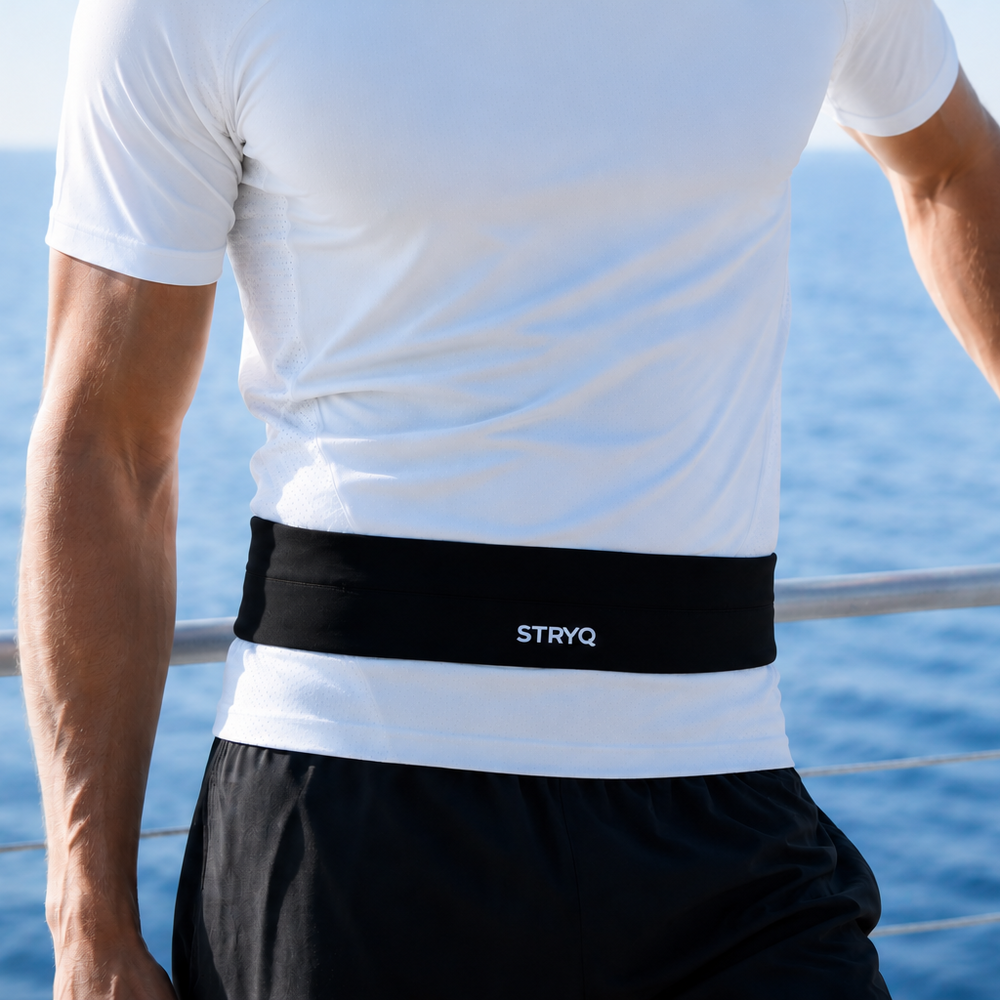
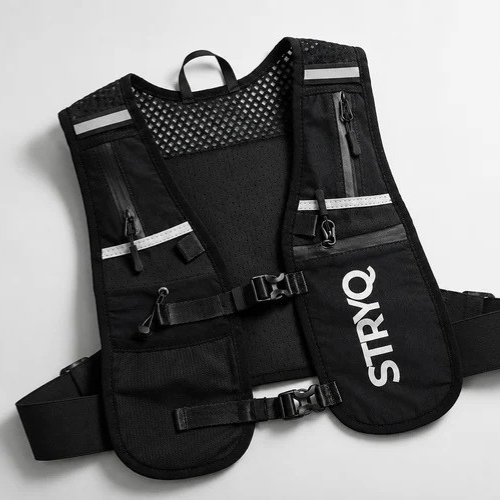
For water, that means a 500 ml soft flask that is light and easy to carry, a hydration vest with adjustable straps and multiple pockets so you can position your flasks where they suit you, and a running belt with 360° storage for shorter runs. We think running gear should do its job without fuss, and a cold fill you can reach easily is a good example.
Start cold, carry it well and sip often. That is most of hydration.
martin
Carry cold water comfortably with STRYQ
A cold fill only helps if you can carry it comfortably. Our 500 ml running soft flask is made for hydration vests, and our hydration running vest has adjustable straps and multiple pockets for flasks, fuel and your phone. For shorter runs, the STRYQ running belt offers 360° storage. You can see the whole range on our running gear page.
If your runs start in the dark, our high-vis running vest and reflective bands kit is part of the same range.
What if the hot water is the problem?
Some readers who land on this keyword have a different problem: hot water that is not hot enough after a run. This is a home water heater issue rather than a running one. Rheem says the most common causes are several fixtures using the tank at once, so cold water mixes in before it reheats, and mineral sediment that slows heating. If it keeps happening, ask a licensed plumber to look at the heater. Do not open gas valves or work on live electric elements yourself.
FAQ
Why is my cold tap water warm in the morning?
Water that sat overnight in pipes running through a hot attic or warm ground heats up, and it should cool after you flush the line. If it stays warm at every faucet however long you run it, hot water may be crossing into the cold line. A plumber can find the faulty valve or cartridge.
Is it better to run with cold or warm water?
In the heat, cold is better. A cycling study found people kept going longer with a cold drink than a warm one. In cool weather, cool water is fine, so match the fill to the conditions.
Should I fill my flask from the hot tap?
No. Use cold tap water for anything you drink. Hot water can carry more metals, sediment and bacteria from the water heater. Run the cold tap for a few seconds first if it starts warm.
How do I keep my water cold on a long run?
Start with a chilled fill from the fridge, carry it at the front of a vest away from your back, and sip regularly so you are not left with warm dregs. For very hot days, a half-frozen flask thaws as you run. Leave space in the flask for the ice to expand.
Sources
- Why Is My Cold Water Warm in Summer? (Triple Play)
- Tap Water You Can Trust (Coachella Valley Water District)
- No Hot Water: 6 Reasons Your Water Heater Failed (Benjamin Franklin Plumbing)
- Minimising lead exposure guidance (DC Water)
- Cold Drink Ingestion Improves Exercise Endurance Capacity in the Heat
- Why Hot Water Feels Inconsistent Throughout the Day (Rheem)