Plan modest, scheduled sipping on cold runs because cold blunts thirst. Match your drink to the run’s length and sweat loss, and carry fluids somewhere that keeps them palatable rather than half frozen. A small insulated flask or hydration vest solves most of the problem before it starts.
TL;DR:
- Runners should schedule regular small sips every 20 to 30 minutes during cold runs longer than an hour, regardless of thirst signals.
- Hydration plans must be tailored to run length and intensity, with electrolyte intake recommended only for sessions exceeding 90 minutes or under heavy sweat conditions.
- Carrying fluids in insulated or soft bottles close to the body helps prevent freezing and encourages consistent drinking in winter conditions.
- Urine color and repeated sweat tests help estimate individual fluid loss, guiding personalized hydration strategies without laboratory tools.
- Overhydration poses a real risk in cold weather, so awareness of symptoms like bloating and confusion is crucial, along with stopping and seeking medical help if severe symptoms occur.
Table of Contents
- What to do before, during and after a cold run
- Why cold weather makes thirst an unreliable guide
- Building a hydration plan around run length and intensity
- Choosing between water, electrolytes and other fluids
- Carrying fluids so they stay drinkable in the cold
- Warning signs and quick safety actions
- Nutrition and electrolytes for cold-weather running
- Stryq’s perspective: what winter testing actually taught us
- Gear that makes cold-run hydration easier
- Sources
- FAQ
What to do before, during and after a cold run
Cold-weather hydration works best as a routine, not a reaction to feeling thirsty. Because thirst signals arrive late in cold conditions, a fixed schedule beats waiting for your body to ask for water.
- Top up 1 to 2 hours before you run. A normal glass or two of water is enough for most sessions; add a salty snack if you’re heading out for anything over 90 minutes.
- Sip small amounts on a timer, not on demand. Every 20 to 30 minutes is a sensible interval for runs longer than an hour, regardless of how thirsty you feel.
- Check yourself after you finish. Urine colour is a rough but useful gauge; pale straw suggests you’re in reasonable shape, while dark yellow means you fell behind.
- Rehydrate properly if the run was long. Pair fluid with some carbohydrate for anything over 90 minutes to help replace what was actually lost, not just what you feel like drinking.
Why cold weather makes thirst an unreliable guide
Cold exposure can attenuate thirst by up to 40%, which is the single biggest reason runners under-drink in winter without noticing. Your body still loses fluid through sweat and respiration in freezing air; it just stops telling you about it as urgently.
A study of women running 30km in cool conditions found voluntary fluid intake averaged around 0.47 litres per hour, which only replaced roughly 63% of what participants actually lost in sweat. That gap is why a planned schedule matters more than instinct once temperatures drop.

Sweat rate itself is not fixed, either. One case-series tracking endurance-trained athletes found average variability in sweat rate between sessions in low-temperature conditions, even for the same runner on similar routes. A single sweat-rate test tells you very little; a handful of repeated checks across representative runs tells you a great deal more.
Building a hydration plan around run length and intensity
Not every run needs the same approach, and treating a 25-minute recovery jog like a 2-hour-long run is where a lot of runners waste effort or, worse, ignore fluids entirely when they actually needed them.
- Under 60 minutes: pre-hydrate before you leave, then only sip if you genuinely feel thirsty. Plain water is almost always sufficient.
- 60 to 90 minutes: move to planned sips at set intervals, and consider a small amount of carbohydrate if you’re running hard or haven’t eaten recently.
- Over 90 to 120 minutes and endurance sessions: build a sweat-rate-informed plan, include electrolytes where sweat losses are heavy, and fuel on the route rather than relying on a single pre-run meal.
Working out your own numbers doesn’t require a lab. Weigh yourself before and after a representative run (minus fluid drunk, plus fluid weight lost to sweat and urine), check morning urine colour on training days, and repeat the body-mass test across two or three sessions rather than trusting one result.
Pro Tip: Run the same test route twice in similar cold conditions a week or two apart. If your sweat-rate estimate swings wildly between the two, trust the average, not either single number.
Choosing between water, electrolytes and other fluids
For mild to moderate exertion, CDC guidance is clear that electrolyte drinks offer no real advantage over plain water, and forcing large fluid volumes actually raises the risk of hyponatraemia rather than preventing problems. Sweat rates can reach up to about 1 litre per hour even in the cold, but that alone doesn’t mean you need anything more complex than water for most training runs.
The practical rule: reach for electrolytes when a run passes roughly 90 minutes, when you’re a heavy salty sweater, or when you’re stacking back-to-back sessions in cold, dry air that increases fluid loss through breathing. Below that, water does the job.
Cold fluids are often harder to drink in the cold, oddly enough. Many runners find a lukewarm drink more palatable than an icy one when the air temperature is already working against them, so warming your flask slightly before you head out can genuinely increase how much you drink. If you want a simple homemade option for longer efforts, a pinch of salt and a spoonful of sugar in warm water gets you most of the way to a basic rehydration solution without needing a branded product.

Carrying fluids so they stay drinkable in the cold
The biggest failure point in winter hydration isn’t willpower, it’s kit. A frozen bottle you can’t squeeze or a valve that’s iced shut means you simply won’t drink, however good your plan was on paper.
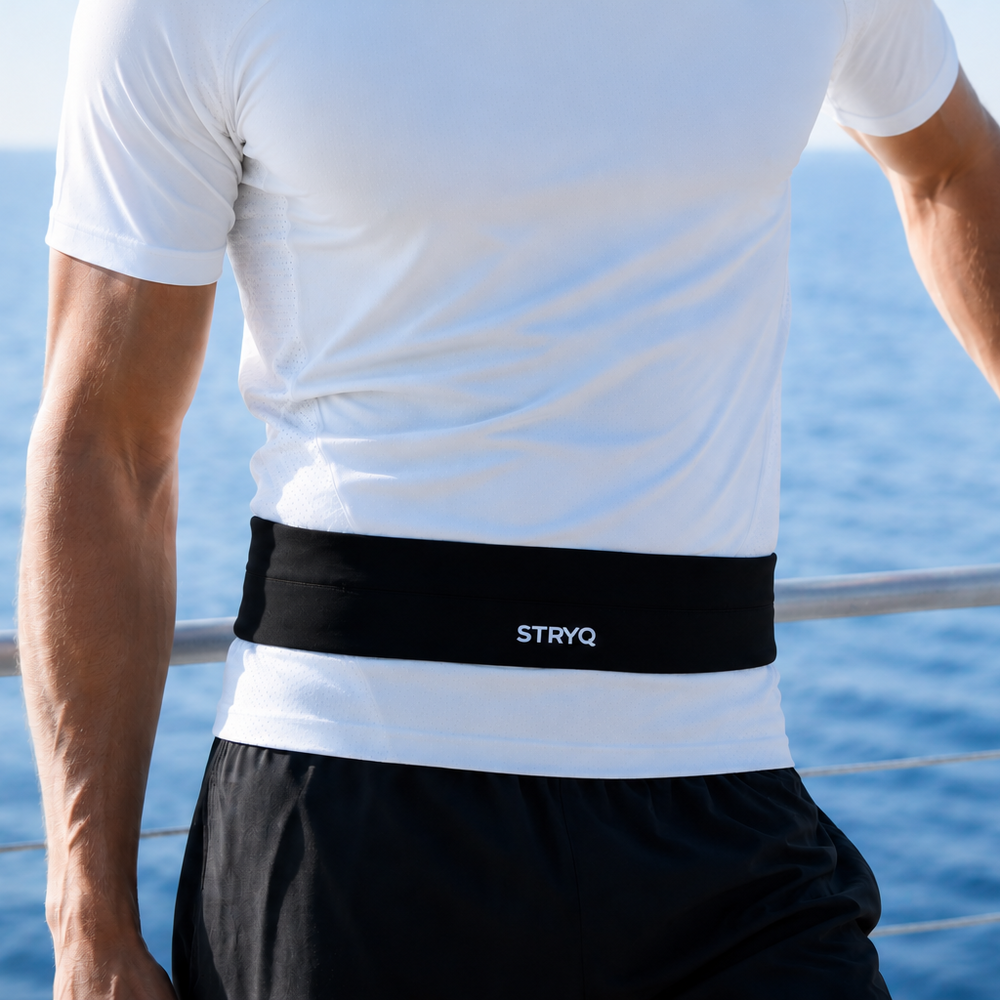
- Waist belts work for shorter runs but expose bottles to wind chill, which speeds up freezing.
- Soft flasks tucked inside a jacket or vest pocket stay closer to body heat and are far less likely to freeze solid than a rigid bottle.
- Insulated bottles slow freezing well but add bulk and weight that some runners find awkward on longer efforts.
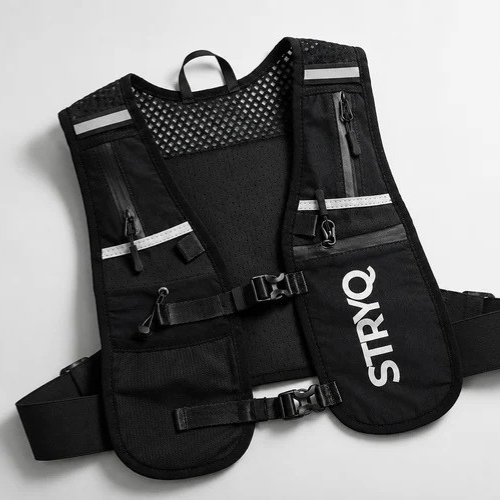
- Hydration vests distribute weight across the torso and keep flasks close to your core, which is usually the most reliable setup for anything beyond an hour.
A few small tactics help regardless of what you’re carrying: tuck your flask inside an inner layer rather than an outer pocket, use an insulated bladder sleeve if your vest supports one, and start with slightly warm fluid so the first few sips aren’t a shock. Stryq’s hydration vest was built with these problems in mind, with pocket placement designed to keep soft flasks close to the body rather than flapping in the wind where they’ll cool fastest.
Warning signs and quick safety actions
Hyponatraemia is usually caused by drinking too much, not too little, and it’s a real risk on long, slow cold-weather events where runners keep sipping “just in case.” Watch for bloating, nausea, confusion, or unexplained weight gain during a long run or race; these point to fluid overload rather than dehydration.
Cold brings its own separate hazards on top of that. Wet clothing after a rain or snow shower accelerates heat loss, wind chill can make a mild day feel dangerous, and energy depletion during a long effort can impair your body’s ability to shiver and stay warm. The ACSM’s cold-weather guidance treats hydration, clothing, and fuelling as one connected system rather than separate concerns, and that’s the right way to think about it.
If symptoms of overhydration appear, stop running, eat a salty snack, and only sip small amounts of water if the person is conscious and coherent. Severe confusion, vomiting, or seizure needs immediate medical attention, not a wait-and-see approach on the trail.
Nutrition and electrolytes for cold-weather running
Cold running burns through fuel faster than many runners expect, partly because your body spends extra energy on thermoregulation on top of the run itself. That makes carbohydrate intake on longer cold sessions more useful than it might feel in milder weather, even if you’re not sweating visibly.
Controlled trials in cool environments found no real performance advantage from higher-concentration carbohydrate drinks compared with more modest ones, which supports keeping things simple: a moderate carbohydrate concentration that sits well in your gut beats a stronger mix that risks discomfort mid-run. Salt matters too, particularly on runs where you’re sweating under several warm layers, since heavy sweating under insulated clothing can still strip sodium even when the air feels dry and cold.
Post-run, milk has shown strong fluid retention in some controlled comparisons, making it a reasonable low-effort recovery option alongside or instead of a dedicated carbohydrate-electrolyte drink. For runners doing structured winter training blocks, pairing a consistent fuelling plan with a long-run hydration strategy built around actual sweat and calorie loss, rather than guesswork, tends to hold up far better once the weather turns properly cold.
Stryq’s perspective: what winter testing actually taught us
Stryq builds its running gear from feedback gathered across real UK winters, not lab assumptions. Two lessons stood out repeatedly: pockets positioned close to the body keep soft flasks from freezing solid, and flask placement matters more for comfort than most runners expect, since a bottle bouncing against a cold torso is uncomfortable long before it’s a hydration problem. Every revision of the hydration vest addressed one of these issues directly, based on runner reports rather than guesswork.
— martin
Gear that makes cold-run hydration easier
Stryq is the practical alternative to juggling an ill-fitting belt and a bottle that freezes solid halfway round your route. The Stryq Hydration Running Vest is priced at £42 and holds soft flasks close to the body where they’re far less likely to ice up, with multiple pockets so fuel and phone don’t compete for space with your fluids.

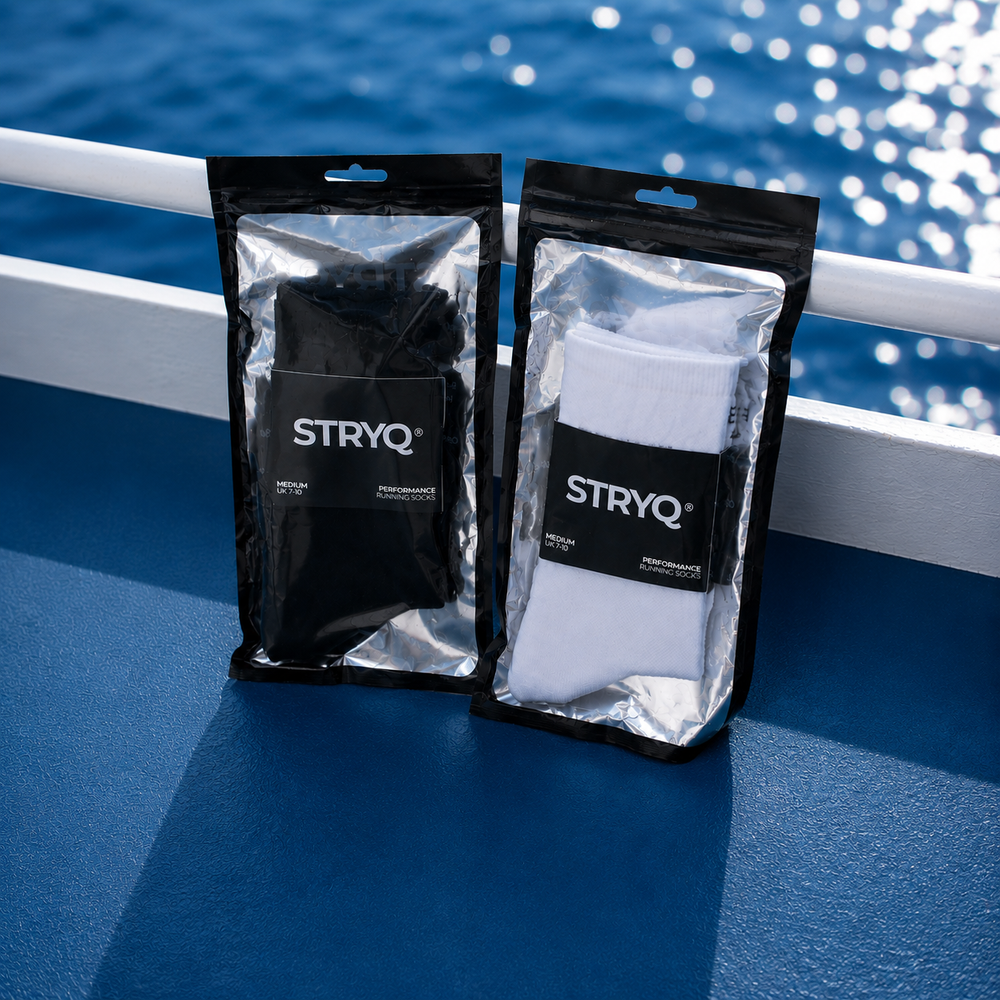
Pair it with the Stryq 500ml Running Soft Flask at £14, designed to sit flat against the body rather than sloshing loose in an exposed pocket. If you’re building out a full winter kit, the running gear collection covers belts and vests from £32, and a pair of Stryq Running Socks at £17, available in black or white, rounds out a setup built for comfort on longer, colder sessions. Browse the vest and flask pages directly to find the combination that fits your usual distance.
Sources
- Thirst sensations and AVP responses at rest and during exercise-cold exposure
- Heat and cold illness in travelers | CDC Yellow Book™
- Exercising in hot and cold environments | ACSM
- Hydration practices and perceptions among runners (PMC article)
FAQ
Are cold runs good for you?
Yes, running in cold weather is safe and beneficial for most healthy runners provided you dress in layers and manage hydration deliberately, since thirst becomes an unreliable guide as temperatures drop. The main risks come from underestimating fluid loss and wind chill, not from cold air itself.
What is the 10 gulp rule?
There’s no single, widely recognised gulp-counting rule backed by sports science bodies, so treat any version you hear as informal advice rather than an established guideline. The safer approach is the scheduled-sipping method described above: small amounts every 20 to 30 minutes rather than counting gulps.
How do runners hydrate while running?
Most runners carry fluids in a belt, soft flask, or hydration vest and sip on a timed schedule rather than waiting to feel thirsty, since survey data shows urine colour and habit, not precise measurement, guide most people’s decisions. Vests that keep flasks close to the body, such as the Stryq Hydration Running Vest, help keep fluid palatable in cold conditions specifically.
What is the 80% rule in running?
The “80% rule” most commonly refers to training intensity distribution, where the majority of weekly running volume stays at an easy, conversational pace and the remaining portion covers harder efforts. It isn’t a hydration guideline, though easy-paced runs generally demand less aggressive fluid planning than hard interval or tempo sessions.