A 5K on a cool morning rarely calls for electrolyte tablets. A long run in July, a hilly trail race or a marathon where you are sweating for hours is a different story. Knowing when to use electrolyte tablets can help you stay on top of hydration without turning every easy run into a nutrition experiment.
Electrolytes are minerals that help your body manage fluid balance, nerve signals and muscle function. For runners, sodium is the one that matters most because it is lost in sweat. Tablets can be a practical way to replace some of that sodium, especially when carrying a sports drink is not realistic.
The key is matching your hydration plan to the run in front of you. More tablets are not automatically better.
When to use electrolyte tablets on a run
Electrolyte tablets are most useful when you will be sweating for a long time or losing more sweat than normal. For many runners, that starts to become relevant once a run lasts beyond 60 to 90 minutes. The exact point varies with your pace, the temperature, how much you sweat and what you have eaten and drunk beforehand.
For an easy 30-minute run in mild weather, water is usually enough if you are well hydrated going out. You do not need to replace every drop of sweat immediately. Your normal meals will cover most day-to-day electrolyte needs.
Tablets become more useful in a few common situations:
- Long runs, long races and events lasting more than 90 minutes
- Warm or humid conditions, including unexpectedly sticky UK summer days
- Runs where you are wearing extra layers or working hard on hills
- Back-to-back long training days, particularly when recovery time is short
- Runners who finish sessions with salt marks on their kit or skin
Heat changes the equation
A run that feels straightforward in March can feel very different in a warm spell. You sweat more in the heat, and your water intake often rises too. If you only replace water during a long, hot run, you may dilute the concentration of sodium in your body.
This does not mean you should force fluids or take tablets at every drink stop. Drink regularly to thirst, take sensible opportunities to drink, and use electrolytes as part of the plan when the session is long enough to justify them. The goal is steady hydration, not finishing with a sloshing stomach.
Humidity deserves the same respect. Sweat does less to cool you when the air is damp, so you may sweat heavily even when the temperature does not look extreme. This catches plenty of runners out during summer races.
Long races and endurance events
For a half marathon, some runners will be fine with water alone, especially in cool conditions and if they expect to finish in under 90 minutes. Others will benefit from electrolytes, particularly if it is warm or they are running for two hours or more.
Marathons, ultras and long trail events are where electrolyte planning becomes more worthwhile. You are likely to be drinking repeatedly, eating during the run and sweating for several hours. Electrolyte tablets give you a simple, measured option that can fit around gels, chews or real food.
Remember that most electrolyte tablets provide very little carbohydrate. They can support hydration, but they do not replace race fuel. If your event lasts beyond about 90 minutes, you will usually need carbohydrates as well. Keep the two jobs clear: electrolytes help replace sodium, while gels or other fuel help provide energy.
When tablets may not be the answer
Electrolyte tablets are not a guaranteed fix for cramps. Cramps can be linked to fatigue, pacing, training load, heat and individual factors. Taking extra sodium halfway through a race may not solve a problem caused by going out too fast or running beyond your current fitness.
They are also not necessary simply because you have trained hard. A balanced meal and normal drinks after a shorter session will usually do the job. If you are using tablets after every gym session, parkrun or short recovery jog, it is worth asking whether they are actually helping or just becoming a habit.
Be cautious if you have been advised to limit sodium because of a medical condition, kidney issue or blood pressure medication. In that case, get personalised advice from a qualified clinician before using electrolyte products regularly.
How much should you take?
There is no single tablet schedule that suits every runner. Sweat rates and sodium losses vary hugely. Start with the instructions on your chosen product, then test it in training rather than guessing on race day.
A sensible approach is to use one tablet in the recommended amount of water for a long or hot session and assess how you feel. Notice whether you can drink it comfortably, whether it upsets your stomach and whether it fits with your fuelling plan. If you are doing a two- or three-hour run, practise taking it at the same points you would in a race.
Do not make your drink stronger than the label recommends. A heavily concentrated bottle can taste unpleasant and may cause stomach problems. It can also make you thirstier, which is not what you need halfway through a long run.
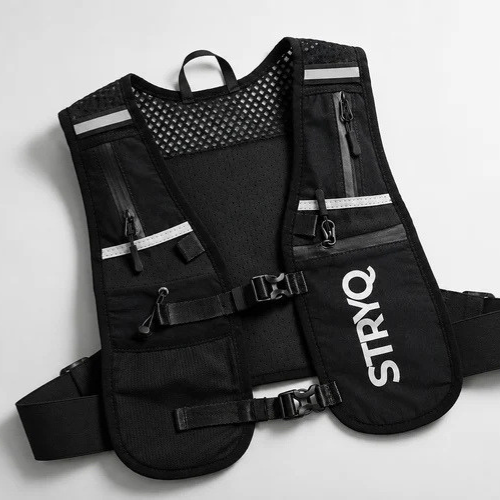
If you carry soft flasks in a hydration vest, it can be useful to put electrolytes in one flask and plain water in the other. That gives you choice. On a warm day, a flavoured electrolyte drink can be easier to keep sipping. On a cooler day, you may prefer mostly plain water with occasional electrolyte drinks.
A secure, comfortable hydration setup matters here. If your water is awkward to reach or your vest bounces, it is easy to drink too little and abandon the plan. STRYQ hydration gear is designed to keep fluids close and stable, so taking regular sips feels simple rather than disruptive.
Signs your plan needs adjusting
You do not need to chase perfect hydration numbers, but you should learn from your runs. If you regularly finish long sessions with a pounding headache, unusually heavy fatigue, dizziness or a stomach that feels overfilled with water, review what and how much you drank.
Dark urine after a run can suggest you need more fluid overall, although it is only one clue. Large weight losses after a long run may point to substantial fluid loss. On the other hand, gaining weight during a race or long run can mean you have drunk too much, which can be risky.
Severe headache, confusion, vomiting, swelling in the hands or feet, or worsening breathlessness during or after an event need medical attention. Do not try to self-correct serious symptoms by taking more tablets.
Build your own race-day routine
The best electrolyte strategy is boringly reliable. Use the same tablets, bottle size and timing through several long runs. Test them when the weather is warm, when you are using gels and when you are running at a realistic race effort.
Keep a short note after key sessions. Record the weather, run duration, how much you drank, what fuel you used and how you felt afterwards. Patterns show up quickly. You may find that electrolytes make a clear difference on hot two-hour runs but add nothing to your standard Sunday 10K.
That is the useful answer to when to use electrolyte tablets: use them when your run creates a genuine hydration challenge, not because the packet says they belong in every bottle. Keep the plan simple, practise it before race day and let your own training data guide the details.