A 5K on a cool Tuesday evening does not need the same hydration plan as a July half marathon. That is where electrolytes versus sports drinks can become confusing. Both can have a place in a runner’s kit, but neither is automatically necessary for every mile.
The useful question is not, “Which one is best?” It is, “What does this run ask of me?” Duration, heat, your sweat rate and how hard you are working all matter. Get those right and hydration becomes simpler. No guesswork. No carrying more than you need.
Electrolytes versus sports drinks: the key difference
Electrolytes are minerals that help regulate fluid balance, muscle function and nerve signals. Sodium is the main one runners need to think about because it is lost in sweat. Potassium, magnesium and calcium also support normal body function, although sodium is usually the priority during long, sweaty running.
An electrolyte drink, tablet or powder is designed mainly to replace those minerals. It often contains little or no carbohydrate. That makes it useful when you need to drink comfortably and replace sodium without taking on lots of sugar.
A sports drink is broader. Most contain water, electrolytes and carbohydrate, usually in the form of sugar. The carbohydrate provides energy as well as flavour, while the sodium helps with fluid absorption and replaces some sweat losses. In other words, a sports drink may contain electrolytes, but an electrolyte drink is not necessarily a sports drink.
That difference matters when you are choosing what to carry. If you need fuel as well as fluid, a sports drink can reduce the number of separate items you have to manage. If you are already using gels, chews or other carbohydrate, an electrolyte drink or plain water may be the better fit.
When plain water is enough
For many easy runs under an hour, especially in mild UK weather, you may not need to take anything with you at all. Drink normally through the day, have a glass of water if you are thirsty before heading out, and drink afterwards.
For runs lasting around 45 to 75 minutes, plain water is often enough if it is warm or you simply prefer to sip while running. There is no prize for forcing down a bottle on every short run. Drinking far more than you need can leave you uncomfortable, sloshy and searching for a toilet.
Your normal meals also provide electrolytes. If you finish a straightforward run and eat a balanced meal later, you are already replacing much of what you lost. This is why expensive hydration products are not a requirement for every beginner or every parkrun.
When electrolytes make sense
Electrolytes become more useful when sweat losses increase. That usually means long runs, hot weather, high humidity, back-to-back sessions, hard efforts or races where you are working close to your limit.
They can be especially helpful if you finish runs with salt marks on your clothes, stinging sweat in your eyes or a noticeably salty taste on your skin. These are not a perfect measure of sodium loss, but they can suggest you are a saltier sweater than average.
An electrolyte tablet or powder is a practical choice for a long, steady run where you are fuelling separately. For example, you might carry one soft flask with an electrolyte mix and use gels for carbohydrate. This gives you control. If your stomach does not tolerate sweet drinks well, it can also be easier to take small sips of a lighter mix.
Be realistic about what electrolytes can do. They will not prevent every cramp, as cramping can also be linked to pacing, fatigue and training load. They do help replace sodium lost through sweat and can make drinking more appealing during a long run.
When a sports drink is the better option
Sports drinks earn their place when you need both fluid and carbohydrate over a sustained effort. Think long marathon training runs, a half marathon raced hard, trail runs lasting several hours or an event where grabbing food regularly is awkward.
Carbohydrate becomes more relevant once you are running beyond roughly 75 to 90 minutes. Your exact needs depend on pace, body size and what you have trained your gut to handle, but many runners work towards 30 to 60 grams of carbohydrate per hour for longer sessions. Some experienced marathon and ultra runners take more, but that needs practice.
A sports drink can make this easier, particularly if you struggle to chew while breathing hard. The trade-off is that sugary drinks can feel sickly, especially on hot days. A strong mix may also upset your stomach if you drink it too quickly or do not take enough water alongside it.
Read the label rather than trusting the word “sports”. Some drinks are mostly sugar with very little sodium. Others are low in carbohydrate and work more like electrolyte drinks. What matters is how much fluid, sodium and carbohydrate you get in the amount you will actually drink.
Build your plan around the run
For an easy 5K or a short recovery run, start simple. You will usually be fine with your usual food and water before and after. If it is unusually hot, take water if that makes the run more comfortable, but there is no need to turn every outing into a feeding strategy.
For a 90-minute long run, try water plus a planned source of carbohydrate. You could use an electrolyte drink if it is warm or you sweat heavily, then take a gel at regular intervals. Alternatively, a sports drink may cover part of both jobs. Test one approach at a time so you know what agrees with you.
For marathon training and race day, practise the exact drink and fuel approach you intend to use. This includes the concentration of any powder, the flavour, the bottle or flask, and when you drink. Race day is not the time to discover that a citrus drink makes you nauseous at mile 18.
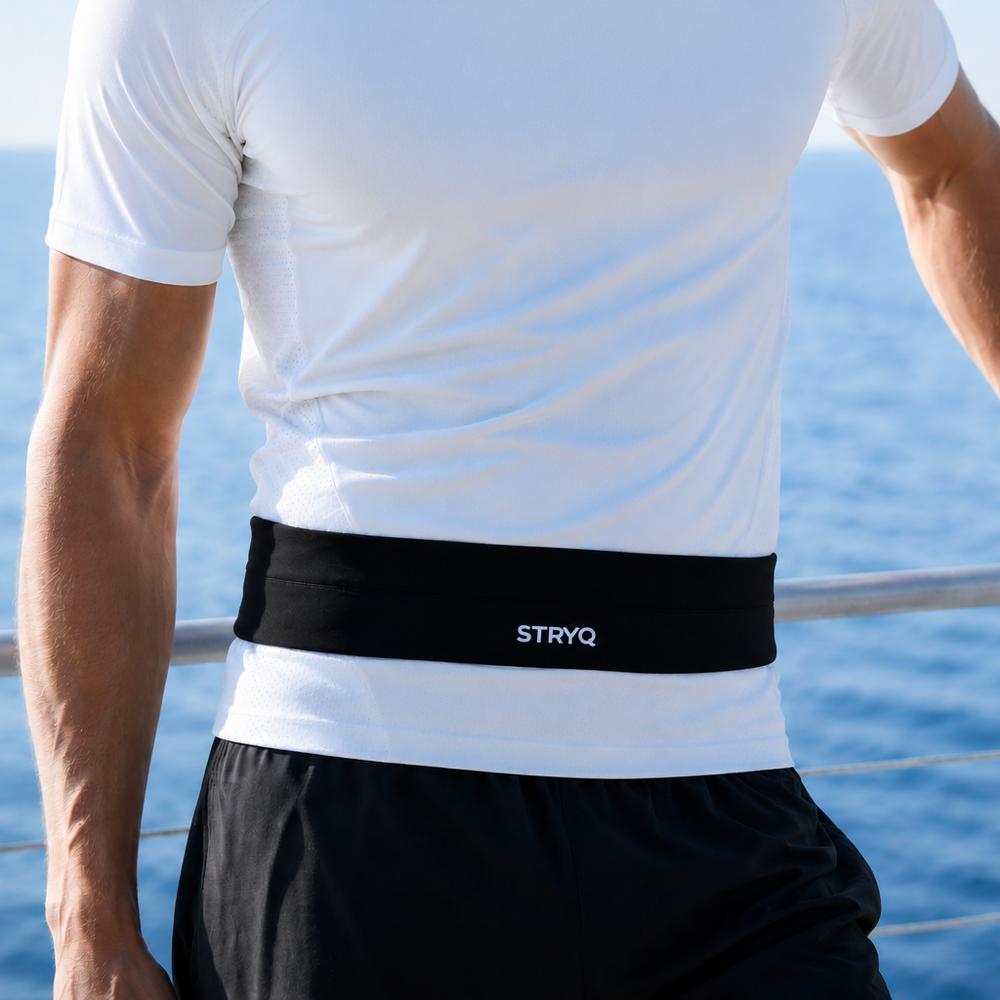
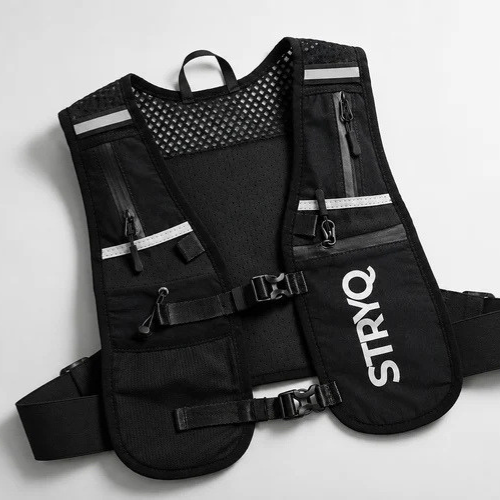
A running vest or belt helps here because it lets you carry enough fluid without gripping a bottle for two hours. With soft flasks, you can also separate your strategy: water in one flask, electrolyte or sports drink in the other. That is useful when conditions change or a sweet drink stops appealing halfway through a run.
Common hydration mistakes runners can avoid
The most common mistake is treating all thirst as an electrolyte problem. Often, you simply need water. The next is treating every tired patch as a need for more sugar, when the real cause may be poor pacing, inadequate sleep or starting a long run under-fuelled.
Another is copying another runner’s plan exactly. One person may lose far more sweat and sodium than another on the same route. A heavier runner, a runner in warmer kit, or someone running at a higher effort may need more fluid. Your plan should be based on your experience, not somebody else’s bottle.
Avoid relying on a new drink at an event because it is handed out on the course. If you want to use the official race sports drink, buy it and test it in training. If it does not suit you, carry your own option where race rules allow.
Finally, do not over-correct. Taking very large amounts of plain water over a long event can dilute sodium levels in the blood, which can be dangerous. Drink to thirst as a sensible starting point, use electrolytes when conditions and duration justify them, and seek individual medical advice if you have kidney, heart or blood pressure conditions, or have been told to limit sodium or fluids.
A practical choice for your next run
Choose electrolytes when the main job is replacing sweat losses without extra fuel. Choose a sports drink when you need carbohydrate and hydration together. Choose water when the run is short, conditions are comfortable and you are well hydrated from normal daily eating and drinking.
The best plan is the one you can carry comfortably, tolerate at your running pace and repeat without fuss. Practise it on ordinary long runs, not just the big ones. When your kit stays secure and your hydration is sorted, you can keep your attention where it belongs: the next mile.