A bottle that sloshes, a vest that rubs, or a belt that bounces can turn a good long run into an exercise in frustration. The best hydration options for runners are not necessarily the biggest or most technical. They are the ones that carry enough fluid for your route, stay comfortable when you move, and let you drink without breaking rhythm.
For a short winter 5K, you may not need to carry anything at all. For a summer half marathon, a trail run or a long marathon build-up run, having water and electrolytes close by can make a real difference. The right choice depends on distance, weather, pace, access to refill points and how much you personally sweat.
When should runners carry hydration?
There is no single distance where everyone needs to take water. A relaxed 30-minute run in cool conditions is very different from a hard 30-minute session in humid weather. Start with the conditions, then think about the route.
If you are running for under an hour in mild weather and have had a normal drink beforehand, you will often be fine without carrying fluid. That said, there is nothing wrong with taking water if it helps you feel comfortable and confident, especially when you are new to running.
Once runs move beyond 60 minutes, hydration becomes more useful. It matters even more when the temperature rises, your route has little shade, you are running trails, or there are no reliable water fountains or shops nearby. Long runs are also where it pays to practise your drinking plan before race day.
Do not wait until you are extremely thirsty and struggling. Take small, regular sips when needed. Drinking too much, too quickly can leave you feeling bloated, just as carrying too little can leave you flat and uncomfortable.
Best hydration options for runners by run type
Handheld bottles for short and simple runs
A handheld bottle suits runners who want easy access to water without wearing a belt or vest. It is a practical choice for shorter runs, parkruns in warm weather, and sessions where you only need a modest amount of fluid.
The main benefit is simplicity. You can see exactly how much you have left and take a sip whenever you want. Look for a bottle with a hand strap or shaped grip so you are not constantly clenching it. A soft flask-style bottle can also become smaller as you drink, reducing movement and splash.
The trade-off is that one hand is occupied. Some runners barely notice this, while others dislike the uneven feeling over longer distances. A handheld bottle is usually best when water is the only thing you need to carry.
Hydration belts for everyday training
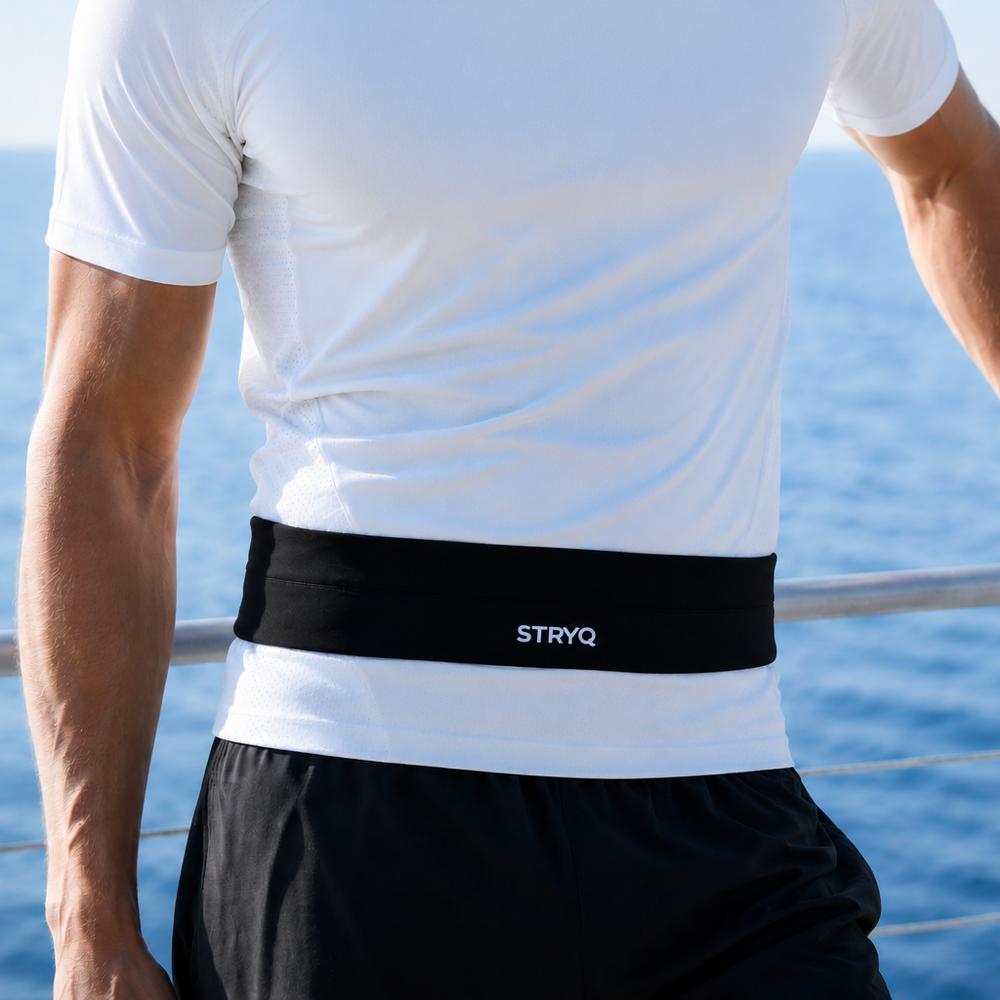
A running belt is a strong option when you want to keep your hands free but do not need the capacity of a vest. Depending on the design, it can hold a small bottle or soft flask alongside your mobile phone, keys, gels and other essentials.
For road runners doing 5K to half marathon training, this can be the sweet spot. You get hydration without covering your back or adding unnecessary bulk. The key is fit. A belt needs to sit securely around the waist or hips, with minimal movement as your pace changes.
Bounce is the problem to avoid. A loose belt can become irritating within minutes, particularly once a bottle is added. Choose an adjustable fit and test it properly before relying on it for a race. Load it with the same mobile phone, fuel and fluid you plan to carry, then run at an easy pace and at quicker efforts.
Hydration vests for longer distances
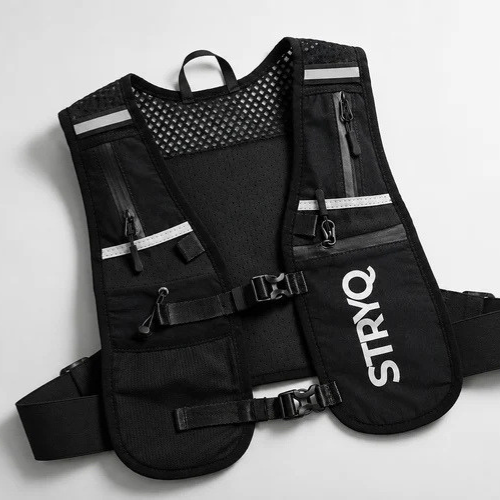
A hydration vest is usually the best answer for long runs, trail running, marathon training and any route where you need to be self-sufficient. It spreads weight across your upper body and offers room for water, nutrition, a mobile phone, layers and safety essentials.
Many runners prefer front-mounted soft flasks because they are easy to reach and make it simple to track how much they are drinking. A vest with two front flask pockets also lets you carry plain water in one flask and an electrolyte drink in the other. That can be useful when you want flexibility without carrying extra containers.
A rear reservoir can carry more fluid, which helps for long, hot or remote runs. However, it can be harder to refill and clean, and you cannot always tell how much remains without stopping. Reservoirs suit runners who need higher capacity. Soft flasks often suit runners who value easy access and a lighter feel as the run goes on.
Fit still matters more than capacity. A good vest should sit close to the body without restricting your breathing or rubbing under the arms. Adjust the chest straps with the vest loaded, not empty. On a long run, even a small amount of movement can become a real annoyance.
Soft flasks for low-bulk carrying
Soft flasks work well in both belts and vests. Unlike rigid bottles, they compress as you drink, which reduces sloshing and takes up less space. They are light, flexible and easy to pack once empty.
They do need a little care. Wide openings are easier to fill with drink mix and easier to clean afterwards. Rinse them promptly after using electrolytes or sugary drinks, then leave them open to dry fully. A neglected flask can quickly develop an unpleasant smell.
For many runners, soft flasks offer the best balance of comfort and practicality. They are particularly useful when paired with a secure, close-fitting vest or belt. No bounce. No bulky bottle swinging at your side.
Water or electrolytes?
For most short runs, water is enough. On longer runs, particularly in warm weather or when you are sweating heavily, an electrolyte drink may be more useful. Electrolytes contain minerals, including sodium, that are lost in sweat. They can also make it easier to drink enough because the flavour is more appealing than plain water for some runners.
This does not mean every run needs a sports drink. Strong mixes can upset the stomach, and some contain carbohydrate that you may not need for an easy hour. Treat hydration as something to practise, not guess at on race morning.
If you are training for a half marathon, marathon or ultra, use long runs to test the drink you expect to use on the day. Check how it tastes when you are tired, whether it sits well at pace, and whether your chosen flask is easy to open with sweaty hands. Your gut needs training too.
A practical starting point
Rather than chasing a precise number of millilitres, begin with a sensible plan and adjust from there. For a run lasting 60 to 90 minutes in mild conditions, one or two small flasks may be enough. For longer or hotter runs, carry more capacity or plan a refill stop.
Pay attention to the signs. Headache, unusual fatigue, dry mouth and a noticeable drop in pace can suggest you need more fluid, though they are not always caused by dehydration alone. Dark urine before a run may also suggest you have not started well hydrated. Drink normally through the day rather than trying to force large amounts just before heading out.
How to choose the right setup
Start with the longest run you do regularly, rather than buying for a once-a-year event. If your usual sessions are 45 to 75 minutes around town, a secure belt with a soft flask may be all you need. If your weekends involve two-plus hours, trails or limited access to water, a hydration vest is likely to make life easier.
Think about what else you carry. A mobile phone, keys and a gel can fit in a compact belt. Add multiple gels, spare layers, a tube of sun cream and several flasks, and a vest begins to make more sense. STRYQ running accessories are designed around this everyday reality: gear should stay put, feel light and let you focus on the miles.
Also consider refills. A route with reliable fountains may only require one flask. A rural loop on a hot day may call for two flasks or a larger reservoir. If you race frequently, check the event’s water-station spacing before deciding what to carry.
The best setup is the one you forget you are wearing. Test it on ordinary training runs, adjust it when full, and give yourself time to learn what your body needs. When your hydration is sorted before you leave the house, you can spend the run thinking about your pace, your route and how good it feels to keep moving.