The London Marathon can start cool, turn warm by late morning and still feel surprisingly tough once the crowds, bridges and rising effort take their toll. A good London Marathon hydration strategy is not about drinking at every opportunity. It is about taking in enough fluid, sodium and carbohydrate to support your race plan without upsetting your stomach or forcing a toilet stop.
For most runners, the best plan is simple, practised and flexible enough for the weather. Race day is the wrong time to test a new drink, carry more than you can comfortably manage or rely on thirst alone when you are chasing a time goal.
Start with your own sweat rate
There is no single amount that suits every marathon runner. A lighter runner on a cool day may need far less fluid than a larger runner racing hard in unexpected sunshine. Your sweat rate, running pace, clothing and tolerance for fluids all matter.
The most useful starting point is a simple training check. Weigh yourself before and after a steady run of around an hour, ideally in conditions similar to those you expect in London. Note how much you drank during the run. Each kilogram of body weight lost is roughly one litre of fluid lost. Add the fluid you drank, then divide the total by the number of hours you ran.
This gives an estimate, not a prescription. You do not need to replace every drop of sweat during a marathon. In fact, trying to do so can leave you bloated and uncomfortable. A practical aim for many runners is to drink to a planned range, then adjust for heat, thirst and how your stomach feels.
If your kit is soaked in salt after long runs, you often get cramp late in races, or you sweat heavily, sodium deserves more attention. That does not mean swallowing salt tablets at random. It means using a drink or electrolyte product you have tested, and matching it to your expected fluid intake.
Build your London Marathon hydration strategy around the course
The London Marathon provides drink stations, but exact locations, products and cup or bottle formats can change. Check the current runner information before race week rather than building your whole plan around last year's map.
Aid stations are useful, but they are not always easy to use at pace. They can become crowded, especially when runners slow sharply to grab a drink. Move towards the side early, take your drink calmly and keep moving away from the table before you start drinking. Stopping suddenly in the middle of the road is a good way to lose rhythm and cause a pile-up behind you.
Your plan needs to answer three questions: what will you drink at official stations, what will you carry, and what will you take with gels? If you use gels, most should be taken with water unless the instructions say otherwise. Washing a gel down with a strong carbohydrate drink can make your stomach work harder than necessary.
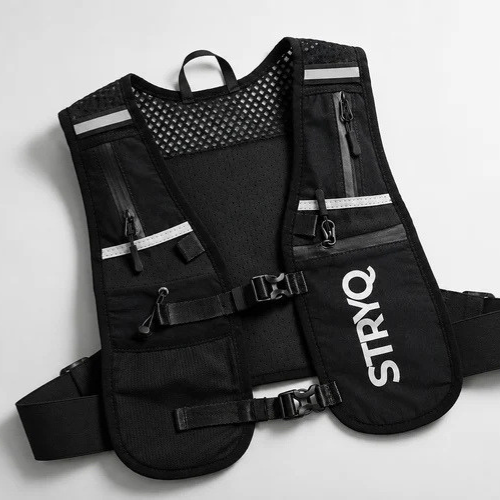
For many runners, carrying a small amount of familiar fluid is the simplest option. A soft flask or properly fitted hydration vest lets you sip little and often between stations. It also gives you control if a station is busy, if you miss a cup, or if the supplied drink does not agree with you. The trade-off is extra weight, so carry enough to support your plan rather than filling every pocket by default.
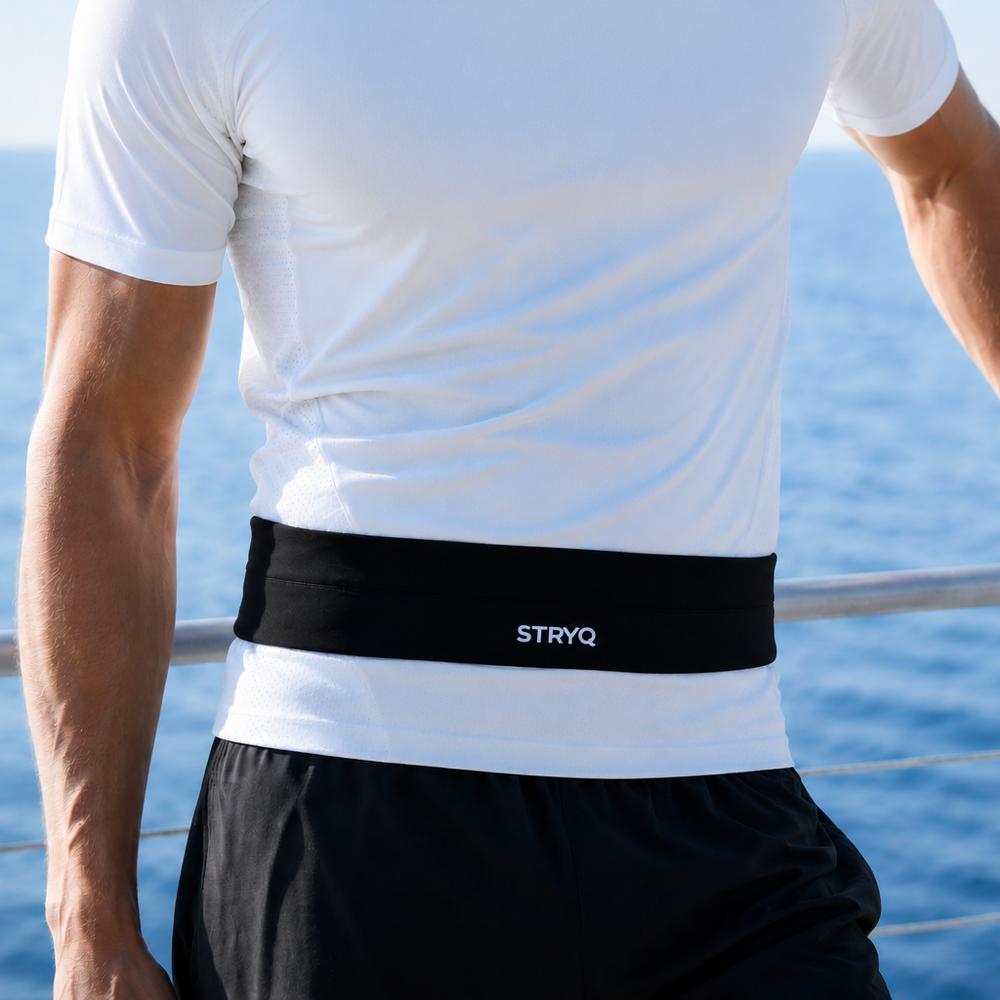
A secure running belt can work well for runners who only need a small flask and a few gels. If you need more fluid, prefer regular small sips, or do not like items moving around your waist, a lightweight vest is often more comfortable. The right choice is the one you have worn for long runs without bounce, rubbing or distraction.
How much should you drink?
A common marathon range is around 400 to 800ml per hour, but it is deliberately broad. Smaller runners in cool conditions may sit below it. Heavy sweaters running through a warm spell may need more. Your training runs should narrow that range down.
Instead of trying to take large amounts at once, use small, regular drinks. A few mouthfuls every 15 to 20 minutes is easier on the stomach than emptying a full cup at each station. It also reduces the chance of reaching the final miles already feeling overfull.
Drink more carefully, not automatically, if conditions are cool and wet. Overdrinking plain water can dilute the sodium in your blood, particularly when people drink far beyond thirst because they are worried about dehydration. Symptoms such as swelling in the hands, nausea, confusion or a worsening headache are not something to push through. Seek medical support.
On a warmer day, start controlled rather than aggressive. The excitement of the first few miles can hide how hard you are working. If your heart rate is climbing, your mouth is dry and you are drinking nothing because you do not want to break stride, make an early adjustment. It is easier to stay on top of hydration than to rescue it at mile 22.
Do not separate fluids from fuel
Hydration and fuelling are linked. If you are taking carbohydrate gels, chews or drink mix, your fluid plan has to help you digest them. Most marathon runners benefit from taking in carbohydrate regularly throughout the race, but the exact amount depends on body size, pace, gut tolerance and what has been practised in training.
A simple approach is to take a gel at planned intervals, then use water at the next sensible opportunity. Avoid waiting until you feel empty. By then, you are trying to catch up while your appetite and stomach comfort may already be fading.
Sports drinks can provide carbohydrate and electrolytes, which makes them useful when they match your plan. But mixing several sources without checking the totals can create problems. A gel, concentrated drink and electrolyte tablet may be more carbohydrate or sodium than you intended. Keep the maths simple. Know what each item contributes and use the same combination on long runs.
Caffeine is another variable. If you use caffeinated gels or coffee before the start, account for it across the whole morning. Caffeine can help some runners feel sharper, but too much can increase nerves, stomach urgency and a sense of racing too hard. Nothing good comes from discovering your limit in Greenwich.
Practise the awkward parts in training
The most reliable hydration plan is one you barely notice. Use your long runs to practise drinking at marathon effort, not just during easy miles. Take a sip while moving. Open gels with tired hands. Find out whether your flask is easy to refill and whether your vest still feels comfortable after two hours.
Practise in different weather where possible. April in London can bring cool air at the start, wind, rain or a sudden warm patch. If your plan only works on one mild Sunday morning, it is not ready yet.
Your final long runs are also the time to test the exact products you intend to use. STRYQ soft flasks and hydration vests are designed for this practical job: carrying familiar fluids without making your stride feel busier. Fit matters as much as capacity. Tighten the vest when it is full, then check it again as the fluid level drops.
The 24 hours before the race
You do not need to spend the day before the marathon constantly drinking. Aim for normal, steady hydration with meals, and use urine colour as a rough guide. Pale yellow is generally fine. Completely clear urine all day may mean you are overdoing fluids.
Eat familiar carbohydrate-rich meals, include some salt in normal food, and avoid turning the evening into a nutrition experiment. Alcohol is best kept off the plan. It can disrupt sleep, affect hydration and leave you making poor decisions at the start.
On race morning, drink with breakfast and take small sips while travelling to the start. Then stop chasing fluid simply because there is time to do so. A final toilet visit is far more useful than carrying a stomach full of water into the first miles.
Adjust when the plan meets real conditions
A written plan gives you a baseline, not a rulebook. If race morning is warmer than expected, slow your early pace slightly and take regular small drinks. If it is cold and raining, you may need less fluid but still need a way to take gels with water. If your stomach starts sloshing, reduce the volume for a short period, keep the effort controlled and return to small sips when it settles.
The goal is not perfect hydration. It is arriving on The Mall able to keep moving with a clear head, a settled stomach and enough left to enjoy the finish. Build your plan around what you have practised, carry only what makes the day easier, and let every drink support the miles ahead.