Most 5K runners do not need to carry a drink for the race itself. That may sound surprising when hydration advice is everywhere, but a sensible 5K hydration example is usually about arriving at the start well hydrated, not trying to drink mid-run.
A 5K is short enough that your normal drinking habits before the event will do most of the work. The exceptions are hot weather, longer runs around your 5K training, or anyone who knows they sweat heavily. The aim is simple: drink enough to feel ready, without overthinking it or setting off with an uncomfortable bottle bouncing in your hand.
A simple 5K hydration example
For a typical 5K on a mild day, this is a practical approach:
The day before, drink normally with meals and through the day. There is no need to force litres of water. Pale yellow urine is a useful general sign that you are hydrated, though it is not something to obsess over.
On race morning, have around 300-500ml of water in the two to three hours before you run. Tea or coffee is fine if it is part of your usual routine. If you wake up close to the start time, drink a smaller amount, around 200ml, then give your stomach time to settle.
In the final 15 minutes, only take a few small sips if you are thirsty or your mouth feels dry. Then run. For most people, there is no need for water, sports drink or a gel during a 5K.
Afterwards, drink to thirst. A bottle of water is useful if you have a journey home or plan to stay around after a parkrun, but you do not need to down a large drink the moment you cross the line. Have a normal meal when it suits you and include some fluid with it.
Why most runners do not need a bottle for 5K
A 5K effort will often take between 20 and 45 minutes. Your body has enough stored fluid to manage that duration when you begin properly hydrated. Carrying extra water can add bulk, affect your arm swing and become another thing to manage when you want to focus on pace and breathing.
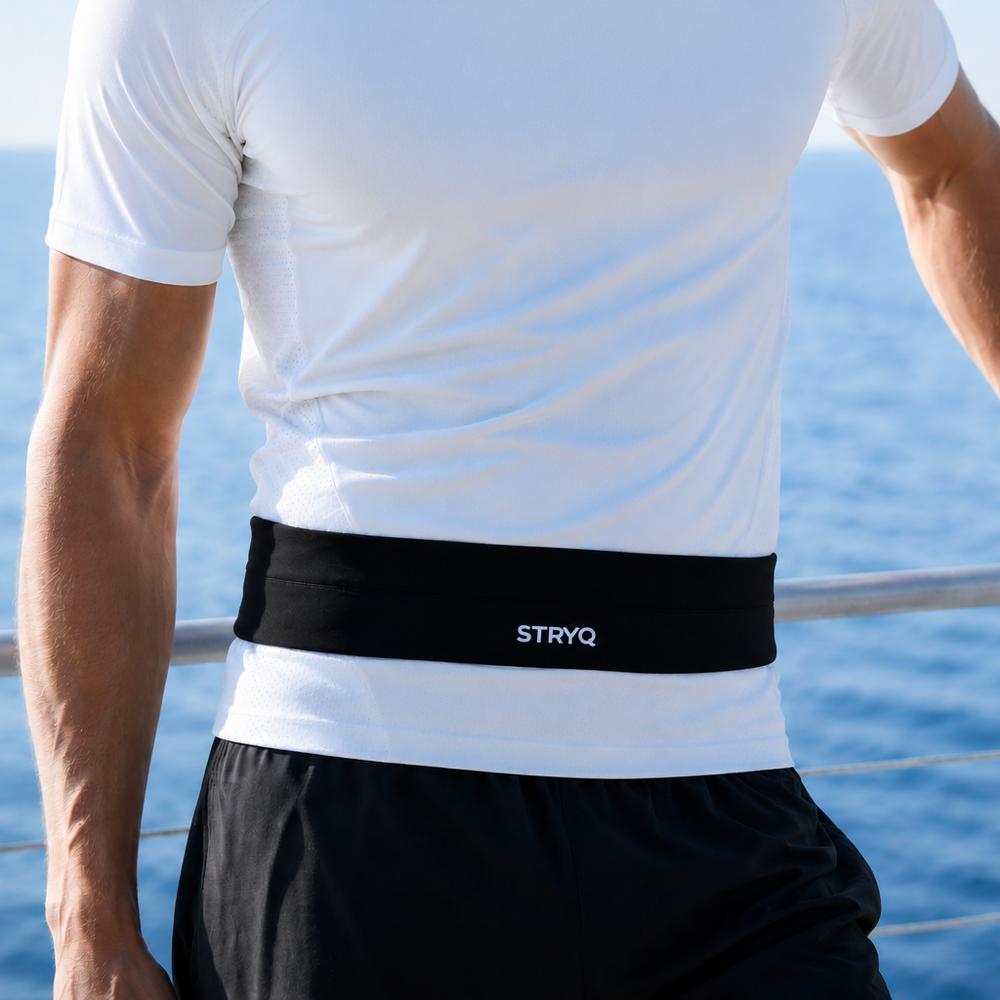
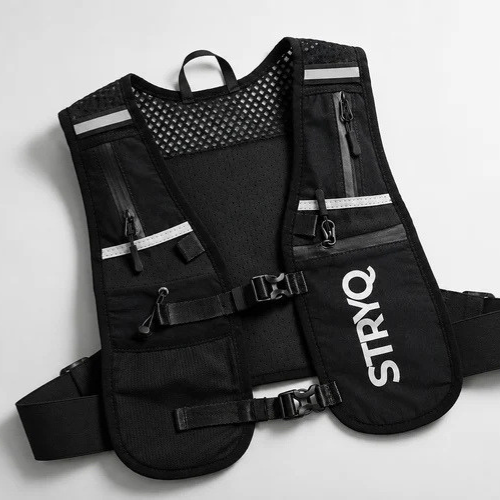
There is also a comfort factor. A handheld bottle can feel awkward, especially for newer runners still finding a relaxed running rhythm. A waist belt or hydration vest makes more sense when you genuinely need to carry fluid, rather than as standard kit for every short run.
The key distinction is between hydration for the run and hydration around the run. For 5K, the second one matters far more.
When you may need more than this 5K hydration plan
Conditions change the calculation. A warm, humid day can make even a short event feel much harder, particularly if you are not used to running in heat. You may want to drink a little more steadily in the hours beforehand and have water waiting at the finish.
A 5K after a long day at work is another common situation. If you have spent the day in a heated office, travelling, or simply forgotten to drink, do not try to fix it with a huge bottle five minutes before your run. Take regular sips when you can, and adjust expectations if you still feel dehydrated at the start.
You may also need to carry water if your 5K is part of a longer session. For example, a runner building towards 10K or half marathon distance might run 20 minutes to an event, race a 5K, then jog home. That is no longer a simple 5K from a hydration point of view. Carrying a soft flask in a secure belt or vest can make the full session more comfortable.
Hydration during Couch to 5K training
New runners often feel they need a drink because running makes the mouth dry. That feeling is normal and does not always mean you are becoming dangerously dehydrated. For a 20-30 minute Couch to 5K session in cool or mild conditions, drinking water before and after is generally enough.
Bring water if it helps you feel more confident, especially when you are running in warm weather or far from home. Just choose a carrying option that does not distract you. No bounce. No bulk. The best setup is the one you stop noticing after the first few minutes.
As your sessions get longer, hydration becomes more relevant. Once you are regularly out for an hour or more, planning where you will get water or carrying a soft flask is sensible. That is also a good time to practise drinking while moving, rather than leaving it until a longer race.
Water or sports drink for a 5K?
Water is the right choice for most 5K runners. You do not need electrolytes or carbohydrate during a standard 5K, because the run is too short for them to offer much benefit.
A sports drink can be useful before or after if you have been sweating heavily in hot conditions, have completed a longer training session, or struggle to eat and drink after hard efforts. But it is not a requirement, and sugary drinks can sit badly if you are not used to them.
If you enjoy an electrolyte tablet in your water, there is no harm in using one occasionally. Test it in training first. Do not make race day the first time you try a new drink, flavour or caffeine-based product. A calm stomach is worth more than a complicated hydration strategy.
Avoid these common 5K hydration mistakes
The first mistake is drinking too much immediately before running. A sloshing stomach, urgent toilet stop or stitch can make the opening kilometre miserable. Spread your fluid intake across the morning or afternoon instead.
The second is treating a 5K like a marathon. Gels, multiple bottles and a detailed fuelling schedule are usually unnecessary. Save that mental energy for pacing yourself well and enjoying the run.
The third is under-drinking all day, then blaming the run when you feel flat. Hydration starts before you lace up. Regular drinks with meals and through the working day are more useful than last-minute fixes.
Finally, do not copy another runner exactly. Someone training for a fast 18-minute 5K in July will have different needs from someone completing their first parkrun in October. Your pace, weather, sweat rate and total time on your feet all matter.
A practical checklist for race morning
Keep it simple. Drink normally the day before, have 300-500ml in the two to three hours before the start, and take small sips closer to the gun only if you want them. Use water rather than trying a new sports drink. If it is hot, allow more time to drink steadily and have fluid ready for after the finish.
If you are carrying kit because the 5K forms part of a longer run, make sure it fits securely. A bouncing bottle or loose belt is avoidable, and it can turn a good session into an irritating one.
Your best 5K hydration plan should feel almost boring. Arrive prepared, run light, and keep your attention where it belongs: one comfortable kilometre at a time.