Running gloves cost anywhere from the price of a coffee to the price of a decent pair of trainers, and the number on the tag says less than you would expect. What you pay buys you three things: warmth for your climate, fit that stays put over hundreds of miles, and fabric that survives the wash. Get those right and a mid-range pair beats a cheap pair you replace every winter and a premium pair you never needed. This guide shows how to work out which price tier suits your runs.
TL;DR
- Running gloves sit in three broad tiers: thin liners, everyday running gloves and heavier insulated or windproof pairs. The tier matters more than the brand.
- Cost per run is the fairer measure. A pair that lasts several winters costs less than one you replace each season.
- Medical sources agree that covering your hands in the cold is sensible, and that thin wicking liners under a heavier outer layer give you flexibility when you warm up.
- Features such as a watch window, touchscreen fingertips and reflective detail are worth paying for only if you will use them every run.
- Check fit, fabric and washing instructions before you look at price.
Table of Contents
- What you are really paying for
- The three price tiers
- How much glove do you need? Match the tier to the temperature
- Should you wear gloves at all?
- Cost per run: the fairer comparison
- Features worth paying for, and features to skip
- Where gloves fit in a winter kit budget
- How to choose a pair in five steps
- Our perspective on running gear value
- Where to find our gloves
- Looking after gloves so they last
- FAQ
- Sources
What you are really paying for
When you search for running glove prices you will see a wide spread: cheap multipacks, mid-range pairs with a brand name, and technical pairs priced well above both. The spread exists because the price covers four separate things.
Fabric. A thin knit liner uses less material and simpler construction than a brushed fleece or a windproof panel. Wicking fabrics that move sweat away from skin cost more to develop than plain acrylic knits.
Construction. Flat seams, shaped fingers and a cuff that sits under a jacket sleeve all take extra stitching and pattern work. They are also what stops a glove rubbing on mile six.
Features. Touch-capable fingertips, a grip print on the palm, reflective trim, a small pocket or a transparent window over your watch each add a step to manufacturing.
Brand and retail margin. A share of any tag price goes on marketing and on the retailer. That is why two pairs with near-identical specifications can sit at very different prices.
Knowing which of the four you are paying for is the quickest way to avoid overspending. If you only run in cool autumn mornings, you are paying for fabric and fit, and the rest is optional.

The three price tiers
Entry level: thin liners and basic knits
These are lightweight gloves that take the edge off a chilly start. They suit shoulder-season runs, short parkrun mornings and runners who run warm. They are cheap to buy, and they pack small enough to stuff in a pocket or a running belt once you warm up.
The trade-off is durability and wind protection. Thin knits can pill, lose shape in the wash and let a stiff breeze straight through. If you run two or three times a week from October to March, a pair at this level is something you may well replace within a season or two.
Middle of the range: dedicated running gloves
This is where most runners should shop. Dedicated running gloves are cut to move with your hand while you swing your arms, use wicking fabric, and add practical details such as touchscreen fingertips and a snug cuff. They handle a typical cold winter morning without leaving you overheated.
At this level a good pair should last several winters if you wash it properly. Sweat and bacteria build up in gloves quickly, so washing them within a day of a run keeps them fresh and keeps the fabric in shape. Our guide to washing running gloves within 24 hours covers the routine.
Top of the range: insulated, windproof and technical pairs
Heavier gloves and mittens with fleece or wool linings, windproof outers and water resistance sit at the top of the price scale. They make sense if you run in properly cold, wet or exposed conditions, or you are out for long runs at slow paces where your hands cannot generate heat.
The principle of paying more for durable materials is not specific to running. A review of ski and snowboard gloves from Wirecutter makes the point that costly gloves can be worth the money when durability, warmth and water resistance matter, while occasional or beginner use rarely needs that level. Running is similar: pay for the tier your weather demands, not the one in the glossiest photograph.
How much glove do you need? Match the tier to the temperature
A glove that is too warm is as much of a problem as one that is too thin. Hands sweat, the fabric gets damp, and damp fabric chills quickly once you slow down. The simplest way to avoid wasting money is to match the glove to your usual conditions.
| Typical conditions | What to look for | Tier that usually fits |
|---|---|---|
| Cool and dry, mornings and evenings | Thin, breathable knit that packs small | Entry level |
| Cold, mostly dry, regular winter running | Wicking fabric, snug cuff, touchscreen fingertips | Middle of the range |
| Cold and wet, or windy and exposed | Wind and water resistance, extra insulation | Top of the range, or layered liner and outer |
| Very cold, long slow sessions | Insulated glove or mitten over a thin liner | Top of the range |
Our running gloves temperature guide goes through what to wear at each temperature band, and the winter running layering guide shows how gloves fit into the rest of your kit.
Should you wear gloves at all?
Yes. A sports medicine physician interviewed by Cleveland Clinic advises keeping your hands and fingers covered in cold weather, with gloves or mittens being a matter of personal comfort. Fingers are far from your core and lose heat quickly, so protecting them is one of the cheapest ways to make cold runs more bearable.
If you cannot decide between warm and breathable, take the layered approach. Mayo Clinic Health System recommends a thin liner made of wicking material such as polypropylene under a heavier glove or mitten lined with wool or fleece, then removing the outer pair if your hands get sweaty. That approach also changes how you think about cost. Two lighter, cheaper items can do the job of one expensive glove, and you can adjust mid-run.

Cost per run: the fairer comparison
A sticker price tells you what you pay today. Cost per run tells you what you pay over time, and it changes the picture.
Suppose you run three times a week through a five-month cold season. That is roughly 65 runs. A pair that lasts one season has to be washed and replaced; a pair that holds its shape and fabric for three seasons gives you around 195 runs. Even if the longer-lasting pair costs noticeably more at the till, the cost per run can be a fraction of the cheaper pair.
Three things decide how long a glove lasts:
- Stitching at the fingertips and thumb. These take the most strain from pulling on, gripping a phone and wiping your face.
- Fabric that keeps its shape. Gloves that stretch or thin out in the wash let in the wind.
- How you care for them. Washing soon after a run and drying away from direct heat protects fibres and elastic.
Work through that sum with your own numbers before you buy. It is a quick check, and it often points to the middle tier.
Features worth paying for, and features to skip
Features add to the price, so ask whether you will notice them on a normal run.
Worth it for most runners:
- Touchscreen-capable fingertips. If you change tracks, answer calls or take a photo mid-run, taking a glove off in the cold is a nuisance.
- A snug cuff. It keeps warm air in and sits cleanly under a jacket sleeve.
- Wicking fabric. It moves sweat away so your hands stay comfortable as you warm up.
- A watch window. If you run by your watch, a gap that lets you see it without pulling a cuff back saves fiddling. We make running gloves with a watch window for exactly this reason.
Nice to have:
- Reflective trim, useful in dark winter mornings, though a dedicated light or hi-vis kit does the job better.
- A grip print on the palm, handy if you carry a bottle in hand.
Often not worth the premium:
- Extra insulation if you mostly run in mild weather.
- Heavy waterproofing for short runs, where breathability matters more than rain protection.
Where gloves fit in a winter kit budget
Gloves are one item in a cold-weather kit, and spending is best spread across the pieces that affect comfort most. Socks, a base layer and a light are all worth a share of the budget. Wet feet ruin a run faster than cold hands, so it is worth reading how to layer running socks for cold and wet runs. If you run before work or after dark, see our picks of running lights for winter. If you are new to cold-weather running, winter running tips for beginners gives a sensible starting kit, and the parkrun winter essentials guide covers Saturday mornings.
How to choose a pair in five steps
- Decide your coldest typical run. Buy for the conditions you run in most weeks, not the worst day of the year. Layer for the extremes.
- Pick the tier. Use the table above to choose between a liner, a dedicated running glove or an insulated pair.
- Check the fit. Your fingers should reach the ends without bunching, and the cuff should stay put when you swing your arms. Seams that sit on the fingertip tend to rub.
- Check the fabric and the care label. Look for wicking material that can go through a regular wash.
- Add up cost per run. Divide the price by the number of runs you expect it to last. The result is the figure to compare, not the tag.
Our view on cost: a running glove should earn its place by being comfortable on every run, not by being cheap or by being expensive.
Our perspective on running gear value
We built STRYQ around a simple idea: everyday runners deserve gear that sits between budget marketplace products and expensive premium brands. That means premium quality at an accessible price, rather than chasing the lowest price on the shelf.
Every product we make starts with feedback from real runners. We go through multiple sample revisions, test extensively and apply strict quality control before launch. The aim is comfort, fit and durability that you notice on the road, in the third month of winter and not only on the first run.
That is also how we think about cost. A pair of gloves that fits, stays comfortable and keeps its shape through repeated washing is a better buy than one that looks cheap on the page and gets replaced. Products that last is one of our core values, and we keep the range focused on practical features over marketing claims.
martin
Where to find our gloves
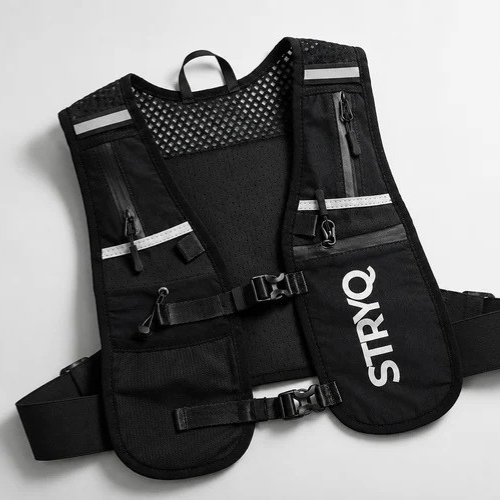
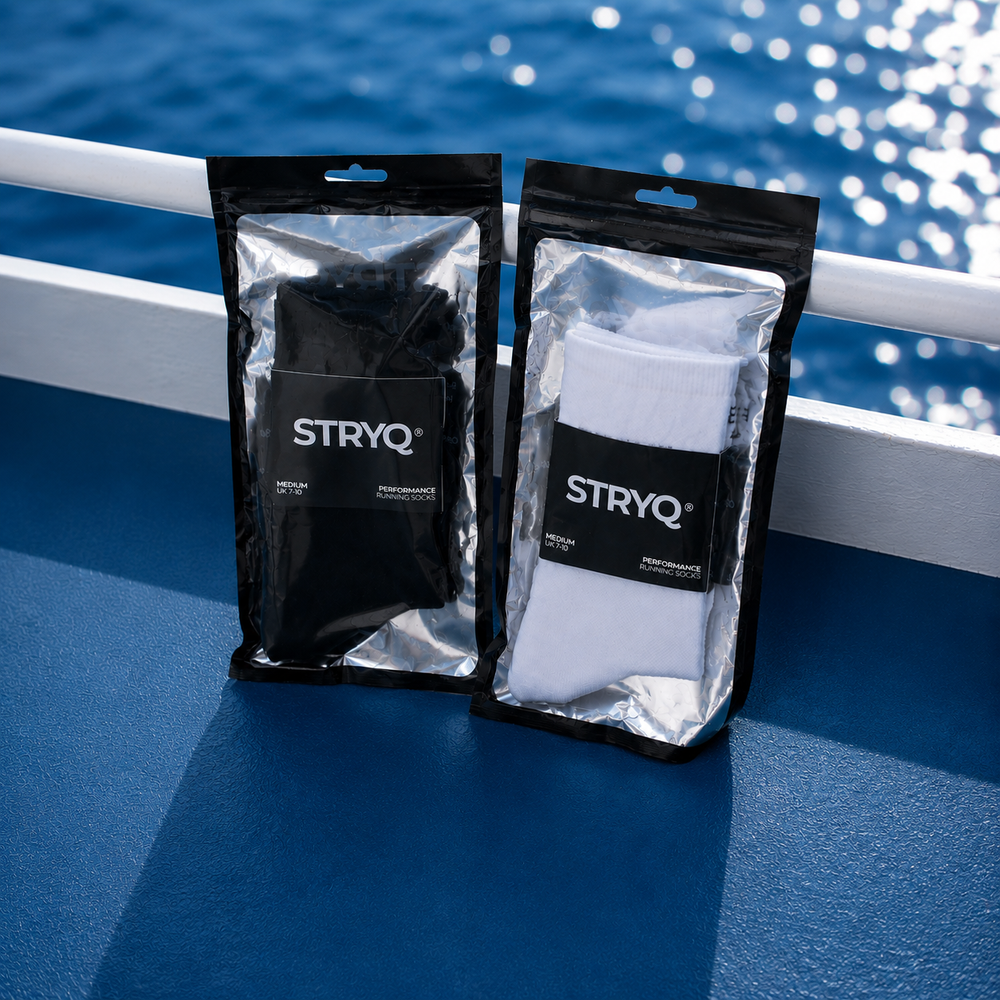
If you want a glove built around the features that matter on a winter run, our running gloves with a watch window were developed with feedback from UK runners. For the rest of your cold-weather kit, browse the running gear collection, which includes our hi-vis vest and reflective bands kit, or the running socks.

As a small independent business, we want you to come back next winter because the first pair lasted.
Looking after gloves so they last
Care is the cheapest way to cut your cost per run. Sweat left in a glove becomes the source of odour and breaks down fibres. A few habits help:
- Turn gloves out and let them air as soon as you get home.
- Wash them within a day of the run, following the care label.
- Dry them flat, away from radiators, which can damage elastic and grip prints.
- Rotate between two pairs if you run most days, which lets each pair dry fully.
Our guide to washing running gloves gives the full routine. For wet-weather running more widely, see rainy running gear for wet miles and our guide on how to layer running gear for cold weather.
FAQ
How much should I spend on running gloves?
Spend according to your conditions and how often you run. Occasional cool-weather runners can stay at the entry tier, while regular winter runners usually get better value from a dedicated middle-tier pair that lasts several seasons. Divide the price by the number of runs it will survive to compare properly.
Are expensive gloves worth it?
Sometimes. Reviewers who test gloves for cold sports find that higher prices can be justified when durable materials, warmth and water resistance matter, and that lighter use rarely needs them. If you run in cold, wet and exposed conditions most weeks, paying more for the right tier makes sense. For mild weather, it does not.
Should you wear gloves when running in the cold?
Yes. Medical guidance recommends keeping your hands and fingers covered with gloves or mittens in cold weather, and the choice between the two comes down to comfort. If your hands tend to sweat, wear a thin wicking liner and add or remove an outer layer as you warm up.
Do I need touchscreen fingertips and a watch window?
They are worth having if you use your phone or watch during runs, since you avoid taking a glove off in the cold. If you run without a screen, you can skip them and put the saving towards fit and fabric.
Sources
- The 3 Best Ski and Snowboard Gloves, Wirecutter
- What to Know About Running in the Cold, Cleveland Clinic
- Tips for cold-weather training, Mayo Clinic Health System