Parkrun winter running essentials are a precise combination of technical clothing and accessories designed to keep you warm, dry, and moving without overheating in cold conditions. The foundation is a three-layer system built around moisture management, insulation, and wind protection, supported by targeted gear for your hands, head, and feet. Dressing as if it is 10–20°F warmer than the actual temperature is the single most effective rule for avoiding sweat-chill on a cold saturday morning parkrun. Get this right and winter becomes one of the best times to run.
What are the parkrun winter running essentials for layering?
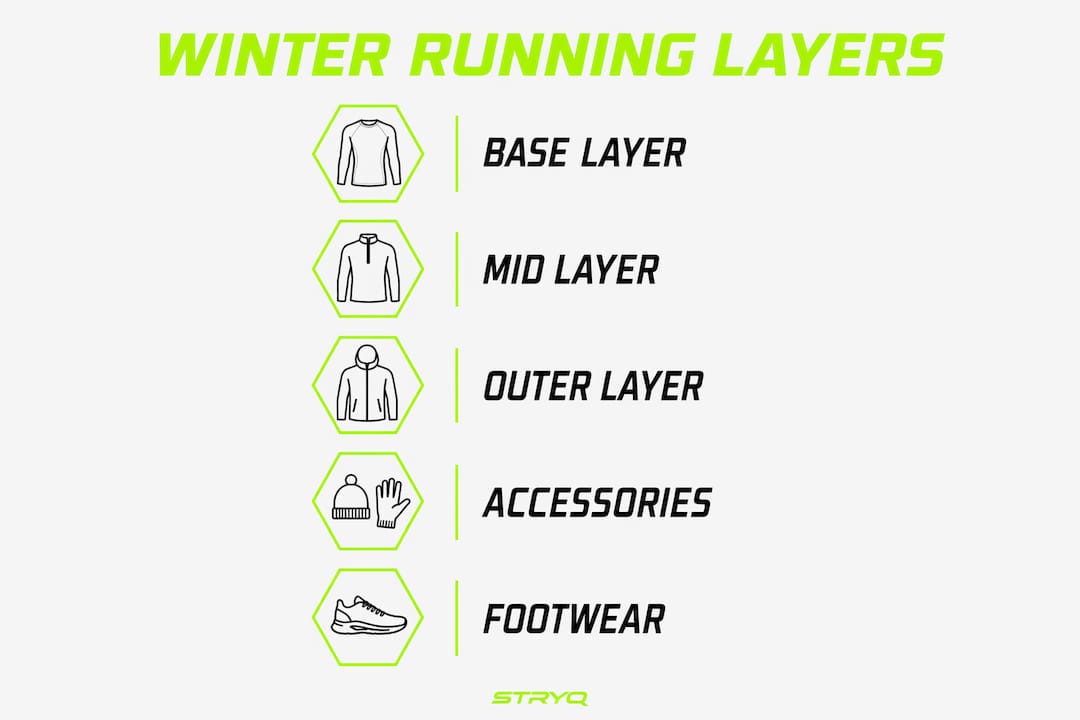
The three-layer system is the industry standard for cold weather running comfort. Each layer has a specific job, and the system only works when all three are present and correctly chosen.
Base layer: moisture management first
Your base layer sits directly against your skin. Its job is to pull sweat away from your body before it chills you. Merino wool and synthetic fibres such as polyester are the right choices here. Cotton is not. Cotton absorbs moisture and holds it against your skin, which drops your core temperature fast. A snug, close-fitting base layer works best because it transfers moisture efficiently without creating cold air pockets.
Mid layer: insulation without bulk
Not every winter parkrun requires a mid layer. At temperatures around 5–10°C with low wind, a good base layer and a windproof outer may be enough. Below 5°C, or when wind chill is significant, a lightweight fleece or thermal long-sleeve adds the insulation you need. Keep mid layers thin. A 5K parkrun generates heat quickly, and a thick fleece will have you overheating by kilometre two.
Outer layer: wind protection over waterproofing
Windproof jackets are preferred over full waterproof shells for running. A fully waterproof hardshell traps sweat and creates a greenhouse effect inside your jacket, leaving you wetter from the inside than the rain would have made you from the outside. A wind-resistant, breathable outer layer solves this. Look for one with underarm vents or a mesh lining.
For your lower half, at temperatures between 0–7°C standard running tights are sufficient. Below 0°C, thermal or fleece-lined tights with wind-blocking panels on the thighs make a real difference on exposed courses.
Pro Tip: Lay out your kit the night before and check the forecast. A 5°C difference between your expected and actual temperature can mean the difference between a comfortable run and an overheated one.
| Temperature | Recommended clothing |
|---|---|
| Above 10°C | Base layer, light jacket or long-sleeve top |
| 5–10°C | Base layer, windproof jacket, standard tights |
| 0–5°C | Base layer, mid layer, windproof jacket, thermal tights |
| Below 0°C | Full three layers, fleece-lined tights, wind-blocking panels |
What accessories do you need for cold weather parkruns?
Extremities lose heat faster than your core. Protecting your hands, head, and feet delivers more warmth per gram of kit than adding another body layer. This is where most new runners underinvest, and where the biggest comfort gains are available.
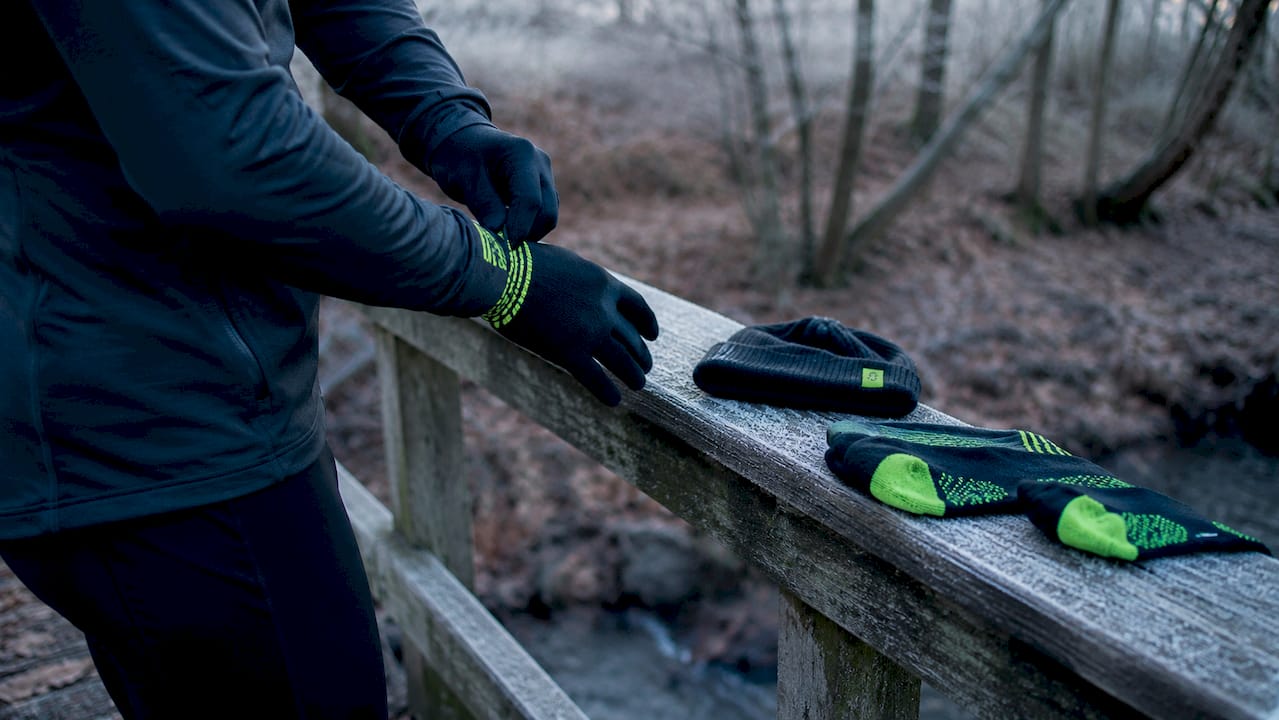
Hands and head
Wind chill of around minus 32°C can cause frostbite in 15 minutes or less on exposed skin. You are unlikely to face that in a UK winter, but the principle holds: cold hands and ears make the whole run miserable. Accessories in this category typically cost between £8 and £20, which makes them the best value upgrade in your parkrun morning winter running checklist.
The right choice depends on temperature:
- Above 5°C: A lightweight headband or ear warmer and thin running gloves
- 0–5°C: A thermal beanie and mid-weight gloves with a wind-resistant outer layer
- Below 0°C: A neck gaiter pulled up over the chin, thermal gloves or mittens over liner gloves
Mittens are warmer than gloves because fingers share heat. If your hands run cold, start with mittens and switch to gloves as the season warms.
Feet and socks
Cotton socks are the fastest route to cold, wet, blistered feet in winter. Merino wool running socks regulate temperature, wick moisture, and resist odour far better than cotton. A good running sock guide will tell you to look for cushioning underfoot and a snug heel cup to prevent slipping inside the shoe. Avoid thick hiking socks in running shoes. They compress inside the shoe and restrict circulation, which makes your feet colder, not warmer.
Pro Tip: Carry a spare pair of socks in a zip-lock bag. If you park far from the start or walk to the venue, wet feet before the run begins are a real problem.
How do you choose footwear and stay safe on winter parkrun courses?
Your regular running shoes will handle most UK winter parkrun conditions. The priority is tread depth and grip pattern. Shoes with shallow, smooth soles struggle on wet grass and mud. Trail running shoes with lugged soles are worth considering if your local parkrun crosses fields or woodland paths.
On icy surfaces, removable traction devices that clip over your existing shoes provide grip without replacing your footwear. These are worth keeping in your kit bag from november through february.
Safe running technique on slippery ground matters as much as footwear. Shorter strides and increased cadence reduce the forces that cause slipping on ice by a significant margin. Think quick, light steps rather than long, powerful ones. Lean slightly forward from the ankles rather than the waist. Slow your pace on uncertain ground. A slower finish time is always better than a fall.
Visibility is a separate safety concern. UK winter running conditions require fluorescent colours, reflective strips, and clip-on LED lights for adequate visibility. Parkrun starts at 9:00 AM, which means low light in december and january. A clip-on safety light on your back takes seconds to attach and makes you visible to other runners, cyclists, and any vehicles near the course. Stryq produces safety lights designed for exactly this purpose.
Key footwear and safety checklist:
- Choose shoes with good tread or trail-specific lugs for wet and muddy courses
- Add removable traction devices for icy conditions
- Shorten your stride and increase cadence on slippery surfaces
- Wear at least one reflective item and a clip-on light in low-light conditions
- Slow your pace on uncertain ground rather than risking injury
How do you manage temperature and stay motivated through winter?
Parkrun events run every saturday regardless of cold or rain. Only severe ice or lightning causes cancellation. That consistency is one of parkrun’s greatest strengths, and it means your winter running kit needs to be reliable, not just adequate.
Start each run feeling slightly cool. This is the most common mistake new runners make. If you feel perfectly warm at the start line, you will overheat within the first kilometre. The 5K distance generates body heat fast, and parkrun’s short distance means your clothing needs to anticipate that heat build-up from the beginning.
Running arm sleeves are one of the most practical tools for managing temperature during a parkrun. They cover from wrist to upper arm, are lightweight and moisture-wicking, and can be rolled down or stuffed into a pocket once you warm up. For a short, fast 5K effort, arm sleeves give you far more temperature control than a full jacket. You can read more about what to wear running for a full breakdown of material choices by condition.
Cold weather also works in your favour. Cold air aids aerobic efficiency, and winter parkruns regularly produce personal records. Tracking your times against temperature over a season will show you exactly which conditions suit your running best.
Pro Tip: Do your warm-up indoors before heading to the start. Five minutes of dynamic movement inside keeps your muscles ready and means you spend less time standing in the cold before the run begins.
Practical tips for the morning of a winter parkrun:
- Arrive at the start line feeling slightly cool, not warm
- Use arm sleeves instead of a full jacket for temperature flexibility
- Complete your warm-up indoors or in a sheltered spot
- Carry a bin bag or old throwaway layer to wear at the start and discard before the gun
- Check the winter running tips guide for a full pre-run checklist
Key takeaways
Effective parkrun winter running relies on a three-layer clothing system, targeted extremity protection, and starting each run slightly cool to prevent overheating across the 5K distance.
| Point | Details |
|---|---|
| Three-layer system | Base, mid, and outer layers manage moisture, insulation, and wind protection. |
| Dress slightly cool | Start feeling chilly. Body heat from running will warm you within minutes. |
| Protect extremities first | Gloves, a beanie, and merino socks deliver more warmth than an extra body layer. |
| Use arm sleeves for 5K | Arm sleeves give precise temperature control and pack away easily mid-run. |
| Adjust gait on ice | Shorter strides and quicker cadence reduce slip risk on icy or wet surfaces. |
What I have learned from running parkrun in winter
The biggest mistake I see at winter parkruns is overdressing. Runners arrive in thick fleeces and full waterproof jackets, and by kilometre one they are pulling at zips and overheating. The instinct to stay warm is understandable, but a 5K run is not a long slow jog. Your body generates significant heat at parkrun pace, and your kit needs to account for that from the moment you cross the start line.
The gear that has made the biggest difference for me is the simplest: a good pair of merino socks, a pair of thin gloves, and a windproof layer I can unzip. I used to carry a full jacket to every winter parkrun. Now I use arm sleeves for anything above 3°C and save the jacket for genuinely cold or wet days. The flexibility is worth far more than the extra warmth.
For anyone new to winter running at parkrun, my honest advice is this: commit to one cold morning and you will realise it is far more manageable than it looks from the warmth of your house. The community at parkrun makes the cold irrelevant within the first few minutes. And cold air genuinely does produce faster times. Some of my best parkrun results have come in january and february, not summer.
— martin
Stryq gear worth adding to your winter parkrun kit
Running in winter is easier with kit that actually works. Stryq builds products around real runner feedback, and the winter range reflects that.

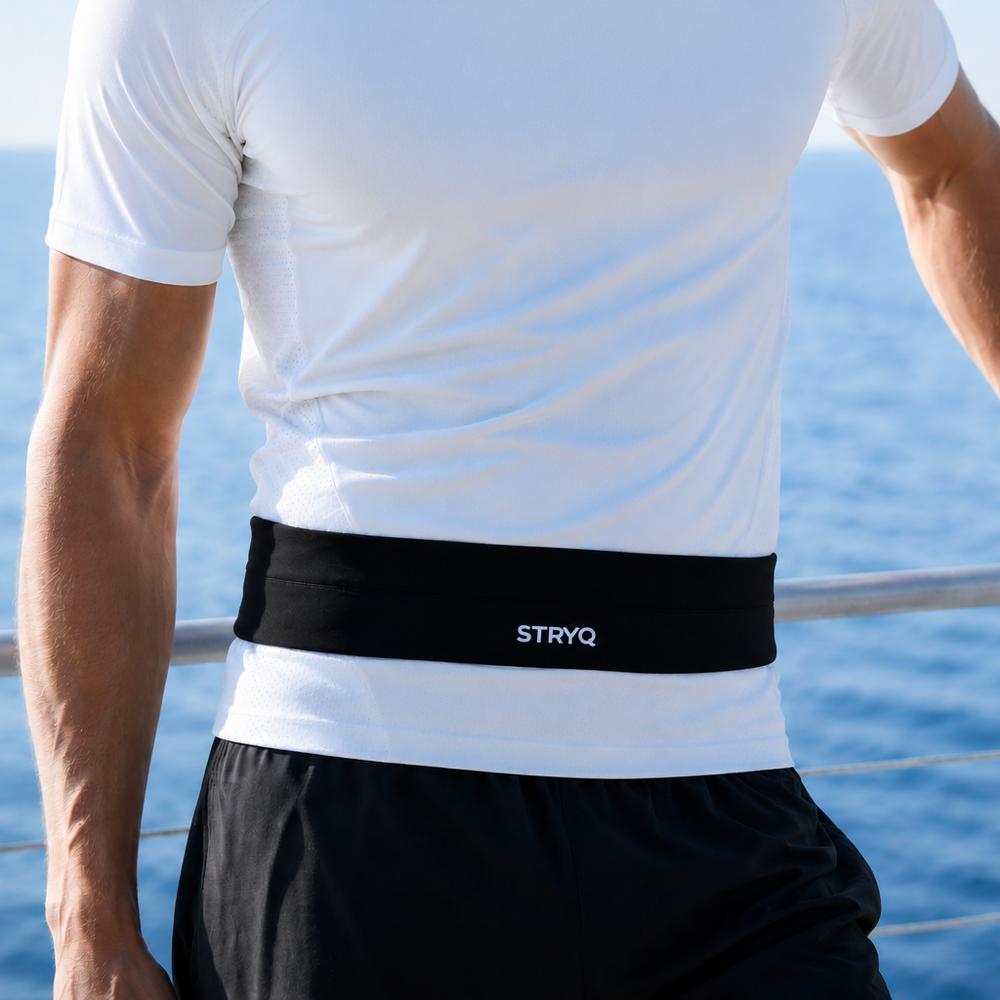
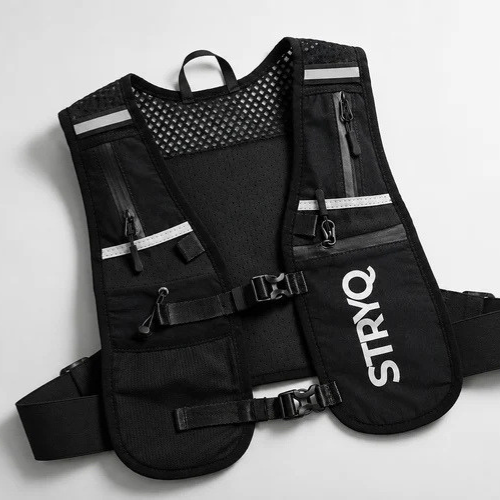
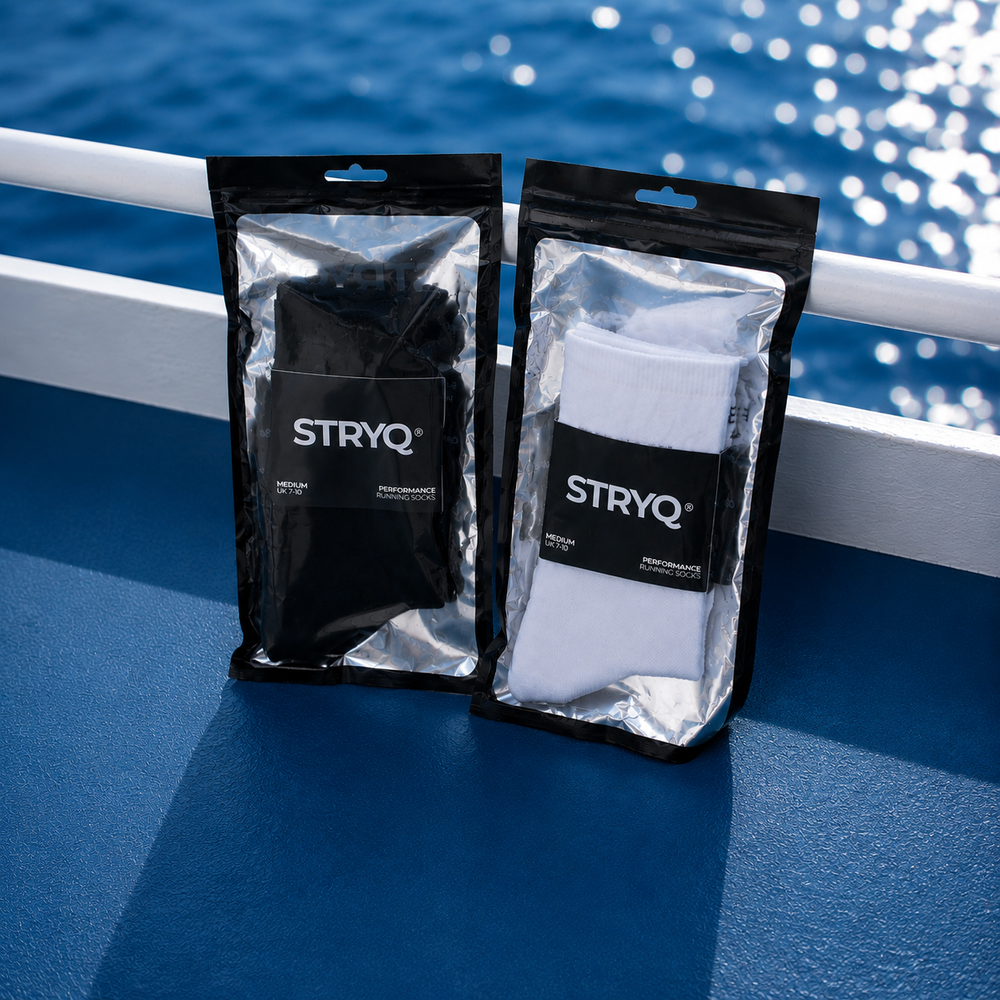
The Stryq running socks are cushioned, breathable, and built to keep feet comfortable across all conditions. They are the kind of sock that makes a noticeable difference on a cold, wet saturday morning. Stryq also produces lightweight running belts for carrying your phone, keys, and a gel without bounce or bulk. For runners who want to carry a little more, the Stryq running vest adds storage without restricting movement. All products sit between budget marketplace quality and expensive premium brands, built to last and priced to make sense.
FAQ
What should I wear to a winter parkrun?
Wear a moisture-wicking base layer, a windproof outer layer, and add a thin mid layer below 5°C. Protect your hands and head with gloves and a beanie, and choose merino wool socks over cotton.
Is it safe to run parkrun in cold weather?
Parkrun runs every saturday in cold and rain, cancelling only for severe ice or lightning. Dress appropriately, shorten your stride on slippery surfaces, and wear reflective gear in low-light conditions.
Do I need special shoes for winter parkrun?
Most runners manage with their regular running shoes. If your course crosses wet grass or mud, trail shoes with lugged soles improve grip. Add removable traction devices for icy conditions.
Why do I overheat at winter parkruns?
Overdressing is the most common cause. Start the run feeling slightly cool rather than warm. The 5K distance generates enough body heat to warm you within the first kilometre.
Are arm sleeves worth it for parkrun?
Arm sleeves are one of the most practical pieces of cold weather running kit for a 5K. They provide adjustable warmth, wick moisture, and can be rolled down or pocketed once you warm up mid-run.