Every serious marathon runner needs a reliable gear checklist before stepping out for a long training run. The marathon long run essentials list covers hydration systems, nutrition, technical clothing, safety accessories, and the correct sequence for applying and wearing each item. Sports science sets clear standards: 30–90 grams of carbohydrates per hour after the first 60 minutes, and 400–500 ml of fluid per hour in moderate conditions. Getting these numbers right, and having the right gear to deliver them, is what separates a strong training run from a miserable one.
1. What are the best hydration and nutrition essentials for marathon long runs?
Hydration and nutrition are the two most common failure points on long runs. Poor fuelling causes excessive fatigue far more often than poor fitness. If you feel wrecked after 18 miles, check your carbohydrate intake before blaming your training.
Fluid intake targets:
- Moderate temperatures: 400–500 ml per hour
- Hot or humid conditions: increase intake accordingly
- Carry fluid in a handheld bottle, a running belt, or a hydration vest for runs over 90 minutes
Carbohydrate targets:
- Start fuelling after the first 60 minutes
- Aim for 30–60 grams of carbohydrates per hour for most runners
- Advanced runners training at high intensity need 75–90 grams per hour
Energy gels are the most convenient format, but they become difficult to stomach after two or three hours. Rotating gels with real food solves this. Dates, banana pieces, and soft energy bars all work well. The variety keeps your palate engaged and your motivation intact.
Pro Tip: On runs lasting four hours or more, mix real food with synthetic gels to prevent flavour fatigue. A date or a small piece of flapjack mid-run can reset your mental state as effectively as it refuels your body.
2. Which clothing and apparel are essential for comfort and injury prevention?
Technical fabric is non-negotiable for long distance running. Cotton holds moisture against the skin, which causes chafing within the first hour. Polyester and merino wool both wick sweat away from the body and dry quickly. Merino wool has the added benefit of natural odour resistance, which matters on runs over two hours.
Core apparel checklist:
- Moisture-wicking top and shorts or tights (polyester or merino wool)
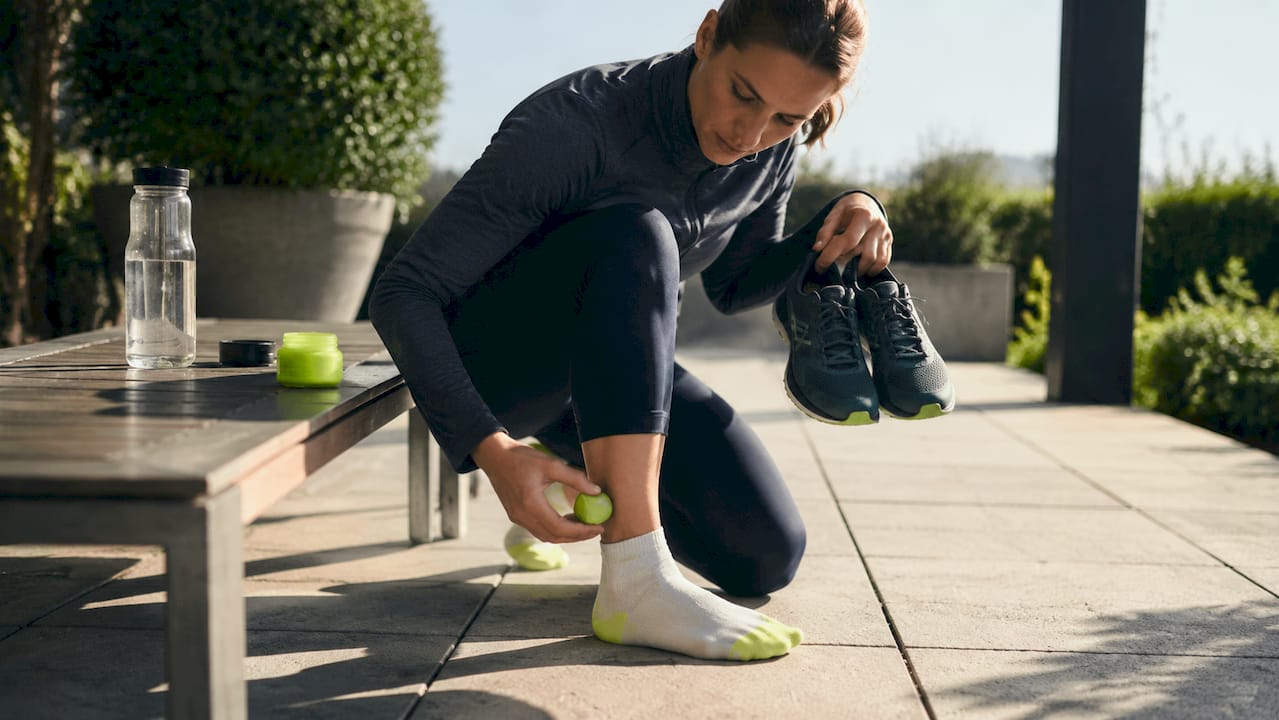
- Running socks designed specifically for blister prevention, with cushioning at the heel and toe
- Anti-chafing balm applied to inner thighs, underarms, and nipples before dressing
- A lightweight, packable jacket for cold or wet conditions
- Compression socks or calf sleeves to support circulation and reduce muscle fatigue during and after long efforts
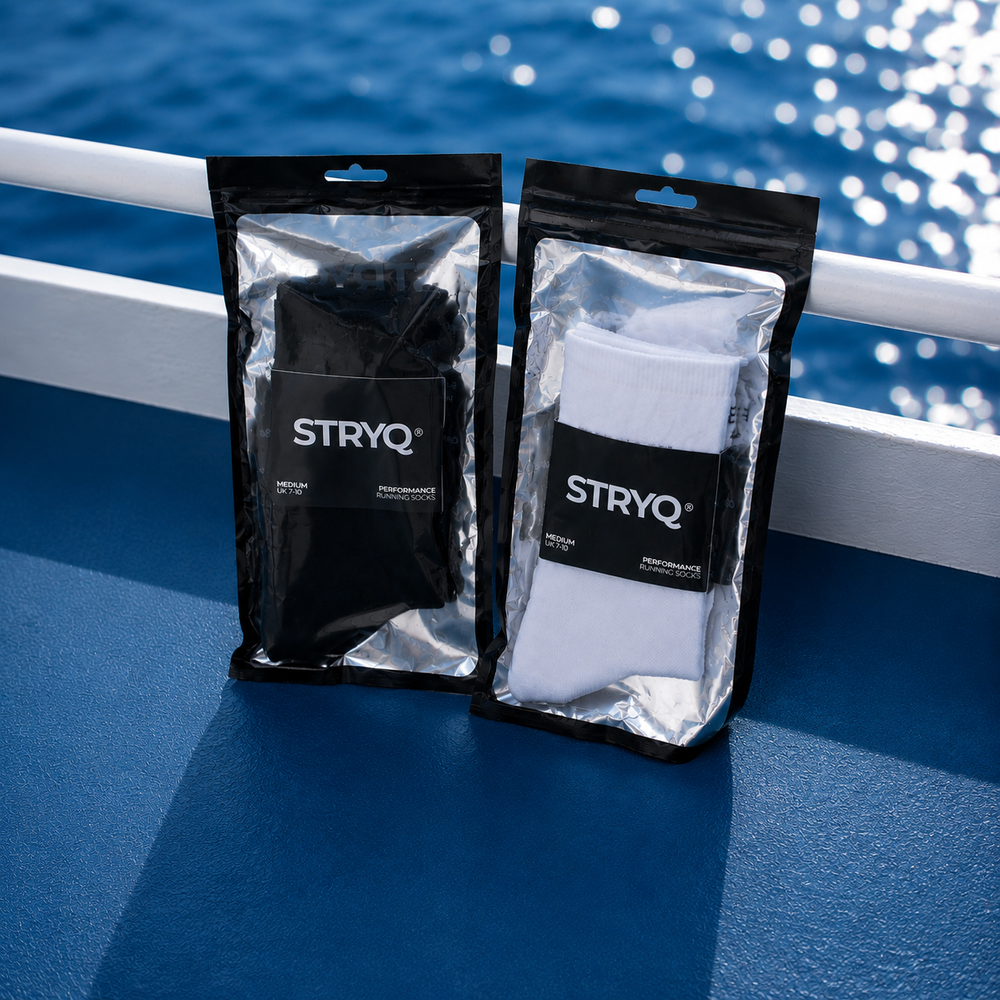
Running socks deserve more attention than most runners give them. A sock designed for running uses targeted cushioning, a snug heel cup, and a seamless toe box. These three features together prevent the friction that causes blisters. Cotton sports socks do none of this reliably.
Pro Tip: Apply anti-chafing balm before you put on any clothing. Once your kit is on, you cannot reach the areas that need it most without undressing. Bodyglide and Vaseline both work; the key is applying enough and covering every contact point.
3. What are the key accessories and safety items for every long run?
Gear reliability and functionality matter more than brand names or aesthetics. The accessories below are not optional extras. They are the items that keep you safe, on pace, and able to finish.
Safety and tracking essentials:
- GPS watch for real-time pacing, distance, and heart rate data. Accurate pacing prevents going out too fast, which is the most common cause of a collapsed long run.
- Mobile phone carried in a belt or vest pocket. You need it for emergencies, navigation, and contacting someone if you are injured.
- Personal identification, either a Road ID wristband or a card in your vest pocket. Emergency services need this information if you cannot speak.
- Reflective vest or reflective strips on your clothing for any run in low light. Visibility to drivers is not optional.
- A headlamp or clip-on safety light for pre-dawn or post-dusk runs. Stryq safety lights clip directly to clothing and weigh almost nothing.
A small emergency kit rounds out your safety setup. Blister patches and medical tape take up almost no space in a vest pocket. A blister that forms at mile 10 of a 20-mile run becomes a serious problem without them.
4. What is the correct sequence for putting on and preparing your gear?
The order in which you apply and put on your gear matters more than most runners realise. Applying anti-chafe balm before clothing, then layering correctly, prevents the mid-run stops that break your rhythm and add time to your session.
Follow this sequence every time:
- Apply anti-chafing balm to all friction points before dressing.
- Put on your running socks first, smoothing out any wrinkles across the toe box and heel.
- Lace your shoes and double-knot them. A loose lace at mile 15 is a hazard and an irritant.
- Put on your base layer, then your shorts or tights.
- Fit your running belt or hydration vest, loading it with your gels, real food, phone, and emergency kit.
- Add knee sleeves or compression supports last, over your tights.
- Clip on any safety lights and check your GPS watch has a signal before you leave.
Pro Tip: Break in new running shoes 2–4 weeks before race day. Wearing them on two or three shorter runs first removes the stiffness and identifies any fit issues before they become blisters on a 20-miler.
5. How to tailor your gear for different distances, conditions, and experience levels
No single gear setup works for every runner or every run. A 14-mile training run in october requires different choices than a 22-mile effort in july. Adjusting your kit based on conditions and distance is a skill that develops with experience.
Adjusting for conditions and distance:
- Hot weather: increase fluid volume and consider electrolyte tablets alongside water to replace sodium lost through sweat
- Cold weather: add a thin base layer, running gloves, and a buff or hat; remove layers as you warm up
- Hilly or trail routes: consider knee supports for descents, and trail shoes with grip if the surface is loose or muddy
- Runs under 90 minutes: a handheld bottle or a belt with two small flasks is sufficient
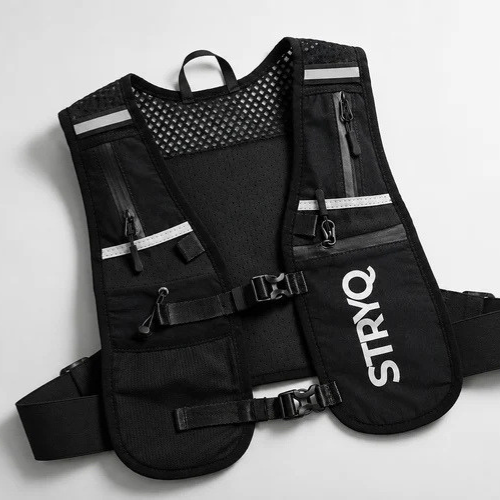
- Runs over 90 minutes: a hydration vest with 1.5–2 litres of capacity gives you the storage you need for fluid, fuel, and safety items
Experienced runners often carry less than beginners expect. The goal is not to pack everything possible. The goal is to carry exactly what you need and nothing more. A vest that bounces or a belt that digs in will ruin a long run faster than being slightly underprepared.
Shoe selection follows the same logic. Road shoes suit tarmac and paths. Trail shoes suit off-road routes. Using a road shoe on a muddy trail is a grip and stability problem. Using a trail shoe on tarmac for 20 miles creates unnecessary fatigue in your feet and calves.
Key takeaways
The most effective marathon long run preparation combines correct fuelling quantities, technical clothing, reliable safety accessories, and a consistent gear sequence applied before every session.
| Point | Details |
|---|---|
| Fuel from 60 minutes onward | Consume 30–90g of carbohydrates per hour depending on intensity and experience level. |
| Hydrate to conditions | Target 400–500 ml per hour in moderate heat; increase this in humidity or high temperatures. |
| Wear technical fabrics | Polyester and merino wool prevent chafing; cotton causes it. |
| Apply gear in the right order | Anti-chafe balm first, socks and shoes next, vest or belt loaded, knee sleeves last. |
| Carry safety essentials | Phone, ID, reflective gear, and a small blister kit belong on every long run. |
What I have learned from years of long run preparation
The runners who struggle most on long runs are rarely unfit. They are underprepared in small, fixable ways. A gel taken 20 minutes too late, a sock with a seam in the wrong place, a belt that was never properly adjusted. These are the things that derail a session.
The insight that changed how I approach long runs is this: gear should allow you to focus entirely on running. The moment you are thinking about a hot spot on your heel or a bouncing vest, you have lost the mental space that long runs require. Good gear becomes invisible. Bad gear becomes the only thing you can think about.
Real food on long runs is underrated. Most training plans mention gels and leave it there. But after three hours, a gel can feel like a punishment. A medjool date or a piece of homemade flapjack is not just fuel. It is a small psychological reset. I started doing this on runs over four hours and noticed the difference immediately. The second half of those runs felt more manageable, not because I was fitter, but because I was less mentally worn down.
The gear sequence tip is the one I give to every runner I speak to. It sounds trivial until you have had to stop at mile 12 to retie a lace or repack a vest. Getting the order right takes two minutes before you leave the house. It saves you far more than that on the road.
— martin
Stryq gear built for marathon training
Stryq designs running gear around the problems that actually affect training runs: blisters, poor hydration access, bouncing belts, and low visibility in the dark.

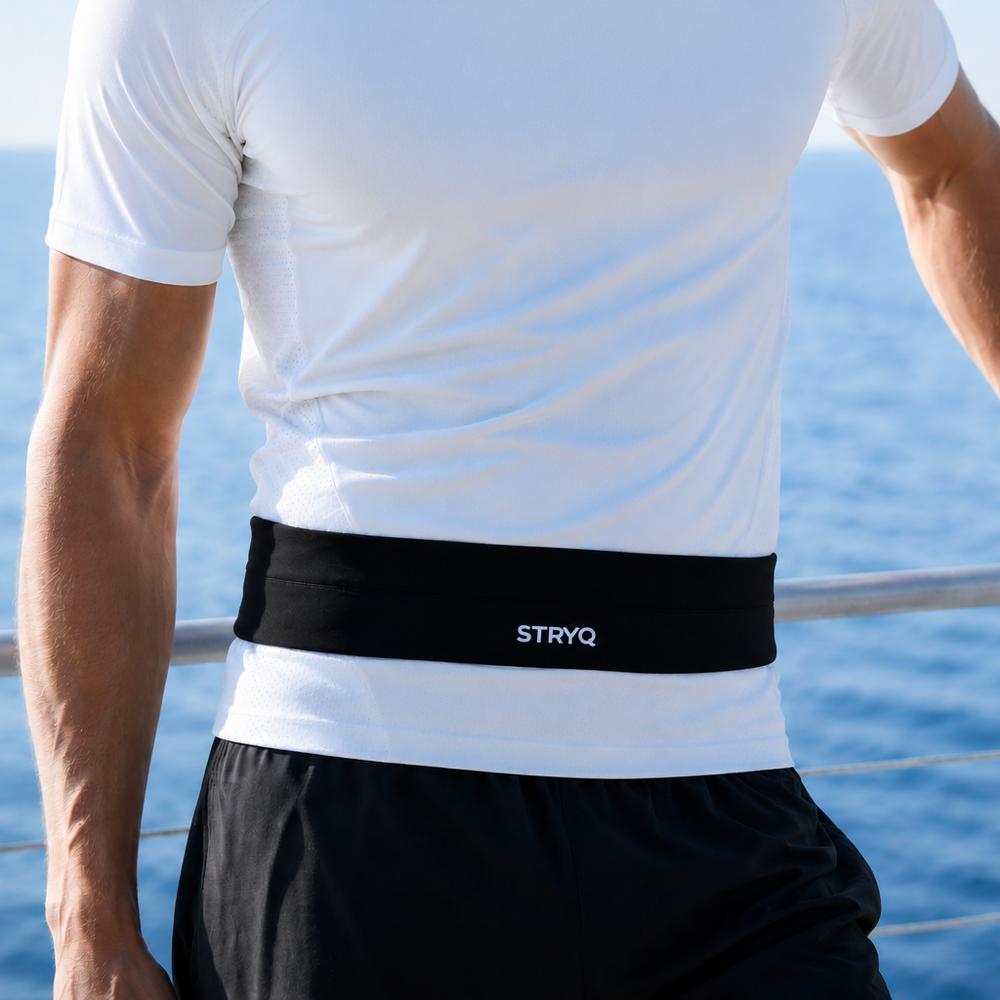
The Stryq running socks use targeted cushioning and a seamless toe box to prevent blisters on long efforts. The Stryq running belt sits flat against the body with no bounce, carrying your phone, gels, and emergency kit without shifting. Stryq hydration vests and soft flasks give you the fluid capacity you need for runs over 90 minutes, without the bulk. Every product is tested by real runners through multiple revisions before it reaches you.
FAQ
How much should I drink on a marathon long run?
Target 400–500 ml of fluid per hour in moderate conditions. Increase this in hot or humid weather to account for higher sweat rates.
When should I start taking on carbohydrates during a long run?
Begin fuelling after the first 60 minutes and aim for 30–60 grams of carbohydrates per hour. Advanced runners at high intensity need up to 90 grams per hour.
What is the best way to carry hydration on a long run?
A hydration vest is the best option for runs over 90 minutes, as it distributes weight evenly and carries enough fluid and fuel. A running belt with soft flasks works well for shorter long runs up to 90 minutes.
How do I prevent blisters on a marathon long run?
Wear running-specific socks with cushioning and a seamless toe box, apply anti-chafing balm before dressing, and smooth out any sock wrinkles before lacing your shoes.
How far in advance should I break in new running shoes?
Break in new shoes 2–4 weeks before race day by wearing them on two or three shorter runs first. This removes stiffness and reveals any fit issues before they cause problems on a long training run.