Knowing what to wear on your first run is the single most important preparation decision you will make before stepping outside. The right clothing prevents chafing, regulates body temperature, and removes the physical discomfort that causes most beginners to quit early. Moisture-wicking fabrics, appropriate layering, and properly fitted running shoes form the foundation of every successful first run outfit. Get these three elements right and you give yourself a genuine chance of enjoying the experience and coming back for more.
Which fabrics should you choose for your first run?
Synthetic fabrics like polyester and nylon are the correct choice for running clothes. Cotton absorbs sweat and holds it against your skin, which causes rubbing, irritation, and a cold, heavy feeling as the run progresses. Synthetic blends pull moisture away from the skin and allow it to evaporate quickly, keeping you dry and comfortable throughout.
The key materials to look for are:
- Polyester — lightweight, quick-drying, and widely available in running tops and shorts
- Nylon — slightly heavier but more durable and often used in leggings and running tights
- Merino wool — a natural fibre that manages moisture well and resists odour, useful for cooler weather base layers
- Synthetic blends — combinations of the above that balance stretch, breathability, and durability
Beyond fabric type, pay attention to seam construction. Flat-lock seams prevent chafing caused by friction, which is a common issue that derails new runners. A moisture-wicking fabric paired with poorly constructed seams will still cause “runner’s burn” on longer efforts. Check the inside of any running garment before buying and feel for raised or ridged stitching.
Pro Tip: Turn your running top inside out before your first run and run your fingers along every seam. If anything feels sharp or raised, that seam will cause irritation within 20 minutes of running.
How to dress for different weather on your first run
Layering is the most practical approach to variable British weather. Run coach Marnie Kunz advises layering to avoid too much bulk or too little protection, which is a balance that beginners consistently get wrong. The goal is to feel slightly cool when you step outside, not warm and comfortable.
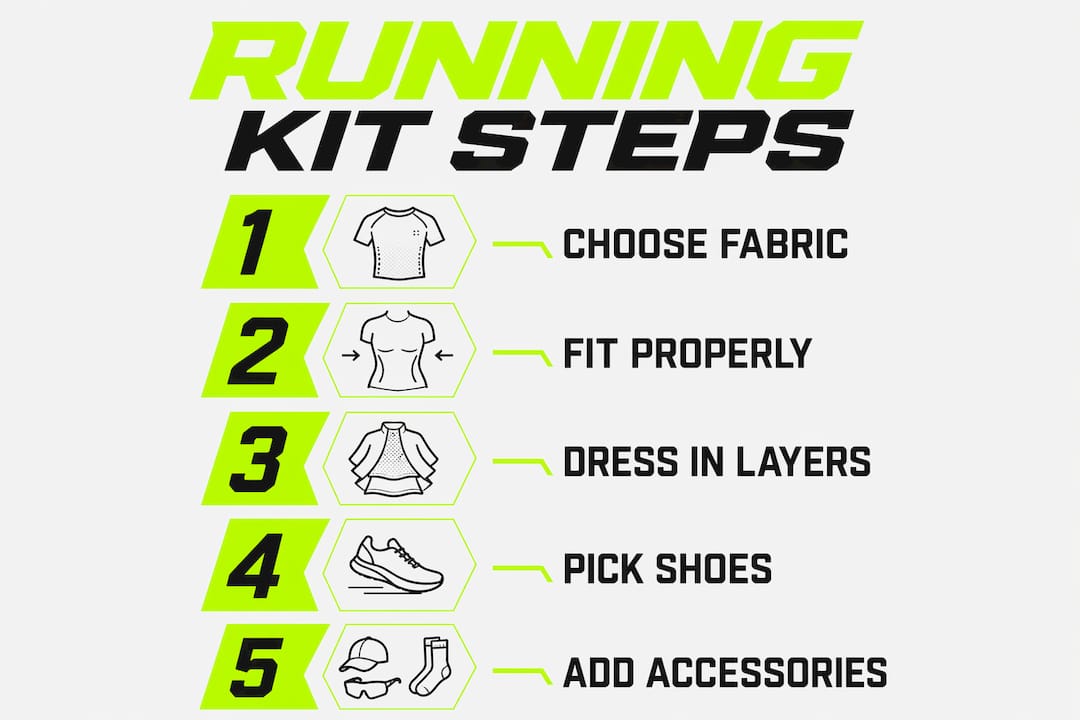
Experts recommend dressing as if it is 10–20 degrees warmer than the actual air temperature. Your body generates significant heat within the first five minutes of running. If you feel perfectly warm before you start, you will be overheating by the time you reach the end of your street.
A practical layering system for new runners works as follows:
- Base layer — a moisture-wicking top worn directly against the skin. This is non-negotiable in all weather conditions.
- Mid layer — a lightweight fleece or long-sleeved technical top for temperatures below 10°C. Remove or tie around your waist if you warm up quickly.
- Outer shell — a wind-resistant or water-resistant jacket for wet or cold days. Look for one with underarm vents to prevent overheating.
- Accessories — running gloves and a lightweight hat for temperatures below 5°C. Hands and ears lose heat fast at the start of a run.
For warm weather above 15°C, a single moisture-wicking top and shorts are sufficient. For mild conditions between 8°C and 15°C, a long-sleeved base layer or a short-sleeved top with a light jacket works well. Below 5°C, use all three layers and add gloves.
There is also a psychological benefit to getting your kit right. A coordinated running outfit reduces mental barriers for beginners by removing outfit decisions, which makes it easier to get out of the door, particularly on early mornings. Laying your kit out the night before removes one more reason to stay on the sofa.
Pro Tip: If you are running in the UK between october and march, always carry a lightweight packable jacket even if the forecast looks clear. British weather changes fast, and being caught cold and wet on your first run is a reliable way to put yourself off running for weeks.
What are the essential clothing items for your first run?
Every beginner needs a core set of items before their first run. The list is shorter than most people expect, but each item serves a specific function.
Footwear
Properly fitted running shoes are the most important item on this list. A gait analysis helps identify whether you need a neutral shoe or a stability shoe, which is a distinction that affects how your foot lands and how much support your ankle receives. Most specialist running shops offer gait analysis free of charge. Running shoes also have a finite lifespan. Shoes last 300–500 miles, after which the cushioning degrades and injury risk increases.
Socks
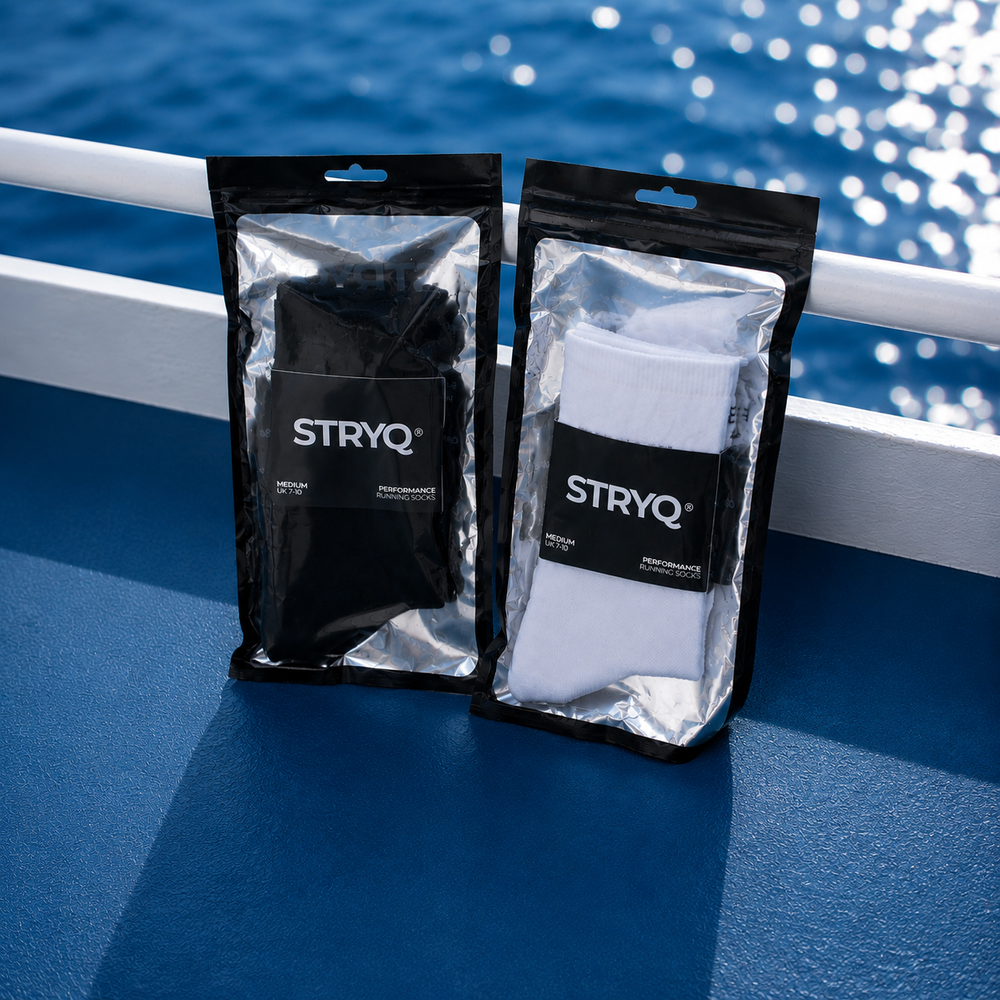
Moisture-wicking running socks made from synthetic fibres are critical for preventing blisters. Cotton socks hold moisture inside the shoe, which increases friction and causes skin irritation within a single run. Synthetic running socks dry quickly and reduce the rubbing that causes blisters to form. Stryq’s cushioned running socks are built specifically for this purpose, with targeted padding at the heel and ball of the foot.
Tops and bottoms
| Item | What to look for | What to avoid |
|---|---|---|
| Running top | Moisture-wicking synthetic fabric, flat-lock seams | Cotton, loose baggy fits that catch wind |
| Sports bra (women) | High-impact support, adjustable straps, moisture-wicking | Underwired bras, fashion bralettes |
| Running shorts | 3–5 inch inseam for ventilation, built-in liner | Denim, non-stretch fabrics |
| Running leggings | Four-way stretch, compression fit, moisture-wicking | Thick cotton leggings, fashion tights |
Shorter inseam shorts offer freedom and ventilation, while leggings provide support and reduce friction, particularly on longer runs. The choice depends on personal preference and the season. Many beginners find leggings more comfortable in cooler months because they eliminate inner-thigh chafing entirely.
Optional accessories
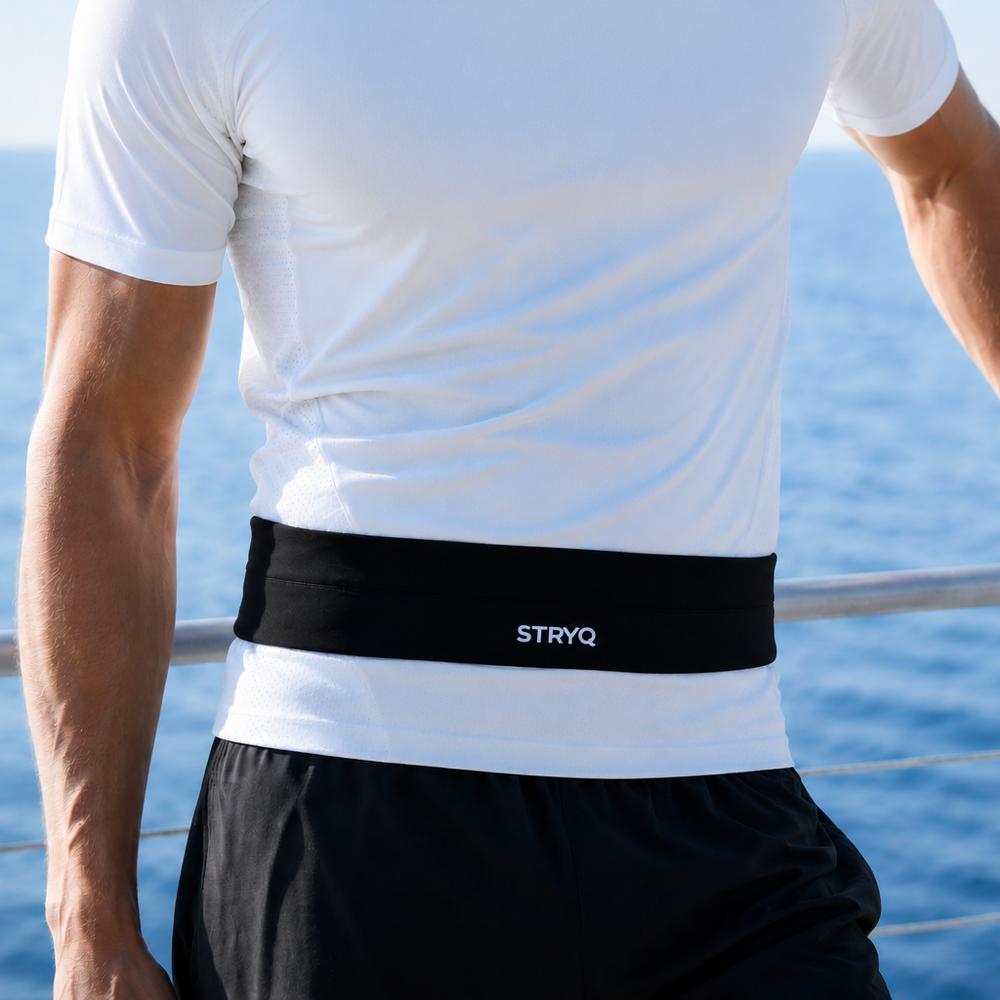
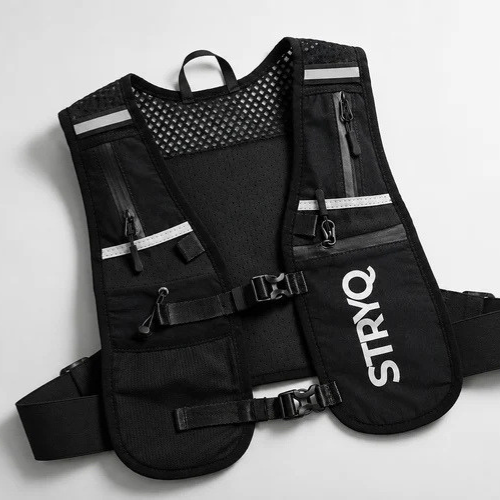
- A lightweight running belt to carry your phone, keys, and a card without holding anything in your hands
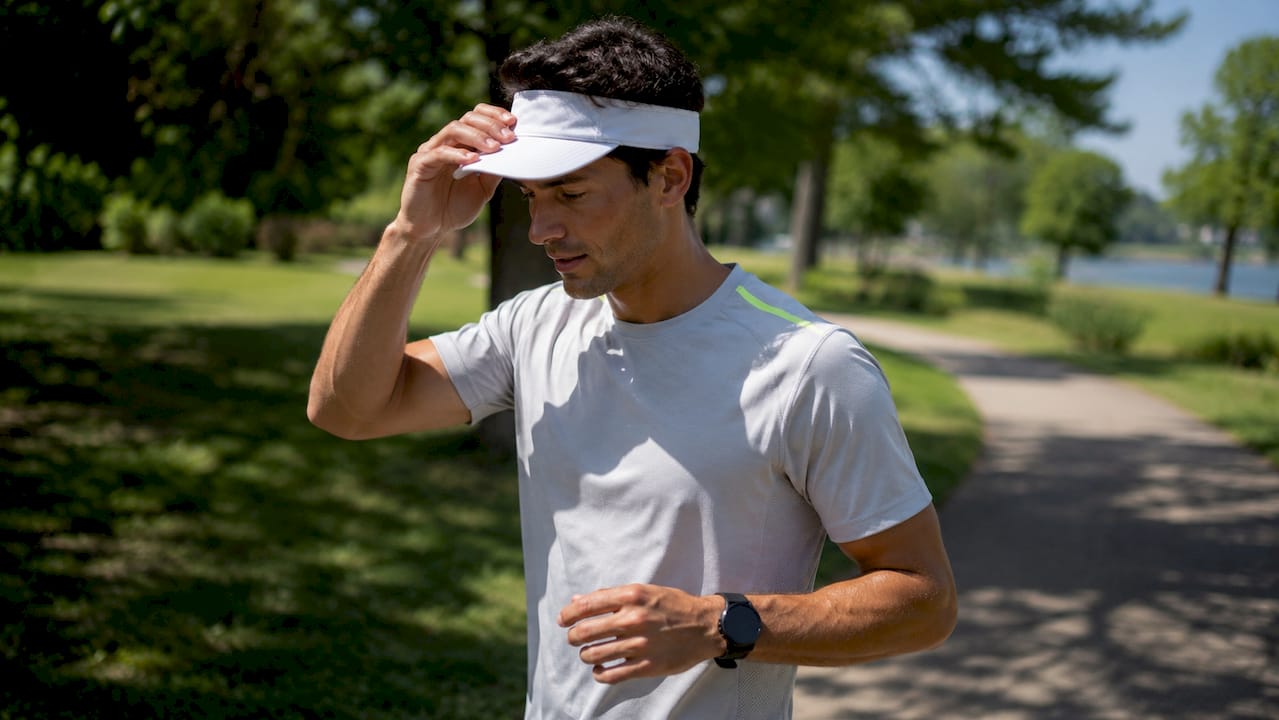
- A peaked cap or visor to manage sun and rain
- Running gloves for cold mornings
- A safety light if you run before dawn or after dusk
How to avoid common mistakes when choosing running attire
Most first-run attire mistakes are predictable and easy to fix before they become a problem.
- Overdressing — the most common error. New runners dress for standing still, not for moving. Follow the 10–20 degree rule and accept that you will feel cool for the first two minutes.
- Wearing cotton — cotton running clothes cause chafing and discomfort within a single session. Replace any cotton items with synthetic alternatives before your first run.
- Ignoring shoe fit — running in trainers that are too small, too wide, or designed for the wrong gait pattern causes blisters, black toenails, and knee pain. Get a proper fitting.
- Skipping moisture-wicking socks — this is the most overlooked item on the beginner’s list. A blister on your first run will keep you off your feet for days.
- Buying clothes that fit like everyday wear — running clothes should fit close to the body without restricting movement. Loose fabric bunches, rubs, and catches wind.
“The biggest mistake beginners make is treating their first run like a casual walk. Cotton joggers, a regular T-shirt, and old trainers feel fine for the first five minutes. By minute fifteen, the chafing starts, the feet are wet, and the shoes are causing pain. The clothing itself becomes the reason they stop.”
Test any new running clothes before committing to a full run. Wear them around the house for 30 minutes and move around. Raise your arms, bend your knees, and check for any areas where fabric pulls, bunches, or rubs.
Key takeaways
Choosing the right running attire for your first run comes down to three non-negotiable elements: moisture-wicking fabrics, flat-lock seams, and properly fitted footwear.
| Point | Details |
|---|---|
| Choose synthetic fabrics | Polyester and nylon wick moisture away from skin and prevent chafing. |
| Follow the 10–20 degree rule | Dress cooler than feels comfortable; your body heats up fast once you start moving. |
| Prioritise running socks | Synthetic moisture-wicking socks prevent blisters and are the most overlooked beginner essential. |
| Get your shoes properly fitted | A gait analysis at a specialist shop identifies the right shoe type and reduces injury risk. |
| Lay your kit out the night before | Pre-selecting your outfit removes a decision barrier and makes early morning runs more likely to happen. |
Why your kit matters more than your pace on day one
The first time I went out for a run, I wore a cotton T-shirt, a pair of old football shorts, and trainers I had owned for three years. I made it about two kilometres before the T-shirt was soaked, the shorts were rubbing, and my feet were sliding around inside shoes that had long since lost their cushioning. I did not go out again for two weeks.
What changed everything was not a training plan or a motivational podcast. It was buying a proper moisture-wicking top, a pair of synthetic running socks, and getting my gait assessed at a local running shop. The next run felt entirely different. Not because I was fitter, but because nothing was hurting me.
Beginners consistently underestimate how much physical discomfort shapes their perception of running. If your clothes are chafing, your feet are blistering, and you are overheating, your brain files running under “unpleasant.” The habit never forms. Sorting your running clothing before your first run is not vanity. It is the most practical thing you can do to give yourself a fair chance.
Comfort over style, always. A coordinated kit that fits well and manages moisture will do more for your running habit than any training plan in the first month.
— martin
Stryq gear built for your first runs
Getting your kit right from the start makes a real difference to how much you enjoy running. Stryq builds practical, quality running gear for everyday runners who want products that actually work.
Stryq’s cushioned running socks are made from moisture-wicking synthetic fibres with targeted padding at the heel and forefoot, which are the two areas where blisters form first. The no-bounce running belt keeps your phone, keys, and card secure without shifting during your run. Both products sit between budget marketplace options and expensive specialist brands, offering genuine quality at a price that makes sense for someone just starting out. Browse the full running accessories range to build a starter kit that covers everything you need.
FAQ
What should I wear on my very first run?
Wear a moisture-wicking synthetic top, running-specific shorts or leggings, properly fitted running shoes, and synthetic running socks. Avoid cotton in any form.
Is it better to wear leggings or shorts for a first run?
Leggings reduce inner-thigh chafing and suit cooler weather, while shorts offer more ventilation in warm conditions. Both work well provided the fabric is moisture-wicking and the fit is close to the body.
How do I know if I am overdressed for a run?
If you feel warm and comfortable before you start moving, you are overdressed. Dress as if it is 10–20 degrees warmer than the actual temperature and expect to feel slightly cool for the first two minutes.
Do I need special socks for running?
Yes. Synthetic running socks prevent blisters by wicking moisture and reducing friction inside the shoe. Cotton socks hold sweat against the skin and cause irritation within a single run.
What should I carry on my first run?
Carry your phone, a key, and a small amount of cash or a card. A lightweight running waist belt keeps these items secure and leaves your hands free without adding any noticeable weight.