Running socks are one of the most underestimated parts of a runner’s kit, yet they directly influence comfort, blister prevention, temperature control, and how your shoes feel over every mile. If your feet are uncomfortable, your stride changes, your focus drops, and your consistency suffers. This running socks complete guide for comfort and performance explains everything you need to know, from materials and cushioning to fit, durability, and seasonal choices for UK conditions.
Whether you are new to running or preparing for marathon training, understanding running socks properly helps you avoid common foot issues and build a kit setup that supports consistent progress.
What are running socks and why they matter
Running socks are purpose built socks engineered for repetitive impact, friction control, and moisture management. Unlike everyday cotton socks, they are designed to stay stable inside your shoe, wick sweat away from the skin, and reduce high friction areas.
The difference becomes noticeable during longer runs, faster sessions, and wet weather training. Small construction details such as reinforced heels, arch compression zones, and flat toe seams help reduce irritation over time.
Key performance features in running socks
- Moisture wicking fabric to reduce dampness.
- Targeted cushioning under heel and forefoot.
- Snug anatomical fit to prevent slipping.
- Reinforced high wear zones for durability.
- Breathable panels to regulate temperature.

How running socks improve comfort
Comfort is not just about softness. It is about stability, moisture control, and friction reduction across thousands of steps.
Friction reduction
Blisters form when layers of skin separate due to repeated friction combined with heat and moisture. Running socks reduce friction by staying close to the skin and by managing sweat effectively.
Moisture management
Feet sweat heavily during runs, especially indoors or in warmer months. Cotton holds moisture and can feel heavy and unstable. Most running socks use synthetic or merino blends that wick moisture away and dry faster.
Stable fit
A stable sock prevents movement inside the shoe. Movement leads to rubbing. Running socks often use elastic arch bands and structured heel cups to hold position.
Running socks materials explained
Synthetic blends
Polyester, nylon, and elastane blends are common in performance running socks. These materials are lightweight, durable, and effective at moisture control.
Merino wool blends
Merino blends provide warmth while still wicking moisture. They are popular in cooler UK weather and long winter training runs.
Why cotton is rarely ideal
Cotton absorbs and retains sweat, increasing friction. It also loses shape when damp. For consistent comfort over distance, purpose built running socks generally outperform cotton options.
Cushioned vs thin running socks
The thickness of running socks changes how your shoe feels and how much impact protection you experience.
Cushioned options
- Provide additional comfort for longer distances.
- Absorb some impact on road surfaces.
- Feel slightly warmer.
Thin options
- Offer closer contact with the shoe.
- Feel cooler in summer.
- Work well in snug fitting shoes.
Running socks and blister prevention
Blisters can disrupt training consistency. Running socks support blister prevention by reducing friction and improving moisture control. While shoe fit remains critical, upgrading socks is often one of the simplest interventions runners make.
Choosing the right running socks
Match thickness to shoe fit
If your shoes are already snug, thicker socks may create pressure. If your shoes feel slightly roomy, cushioned socks can improve lockdown.
Consider seasonal conditions
UK runners train through wet winters and warm summers. Thicker or merino blend socks often suit winter conditions. Lightweight breathable socks are preferred in summer.
Ensure correct sizing
Running socks should feel snug without bunching. Oversized socks fold and rub. Undersized socks create toe pressure.
Running socks for different training scenarios
Short daily runs
Lightweight or medium cushion running socks typically provide balanced comfort.
Long runs and marathon training
Distance magnifies small issues. Stable, durable running socks become increasingly important beyond 90 minutes.
Trail running
Trail environments increase foot movement and moisture exposure. Durable fabrics and reliable fit matter more.
Treadmill sessions
Indoor sessions often increase sweating due to reduced airflow. Breathable running socks help reduce dampness.
Durability and replacement
Over time, cushioning compresses and elasticity reduces. Worn socks can reintroduce friction issues. Replacing running socks when fit or structure degrades helps maintain comfort.
How many pairs of running socks you need
Three to five pairs typically support regular training. Rotating pairs reduces wear and ensures dry socks for each session.
Common mistakes with running socks
- Using cotton socks for long runs.
- Buying incorrect size.
- Ignoring shoe and sock interaction.
- Testing new socks for the first time on race day.
Integrating running socks with your full kit
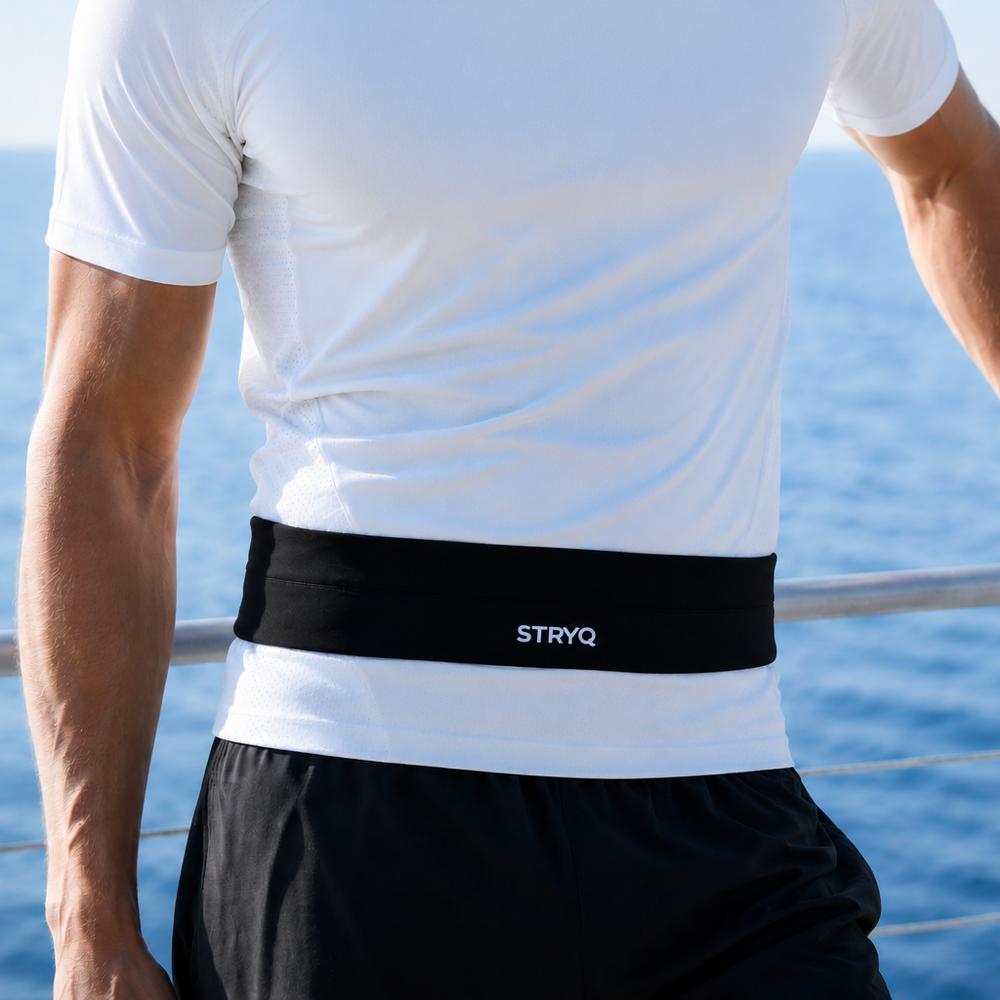
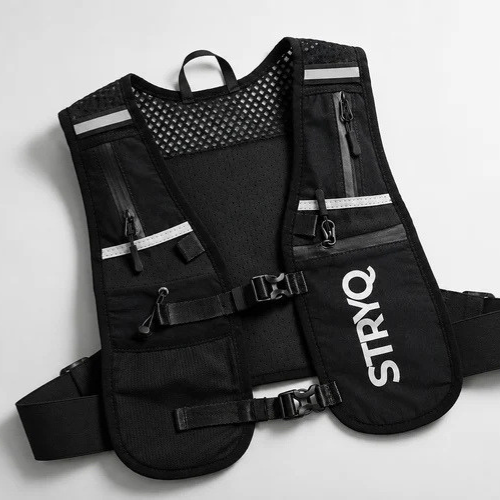
Foot comfort works alongside overall kit choices. For long runs where you carry essentials, explore storage options such as the running belt collection or the running vest.
For more guidance on building your running setup, browse the training tips and performance articles or visit the STRYQ blog hub.
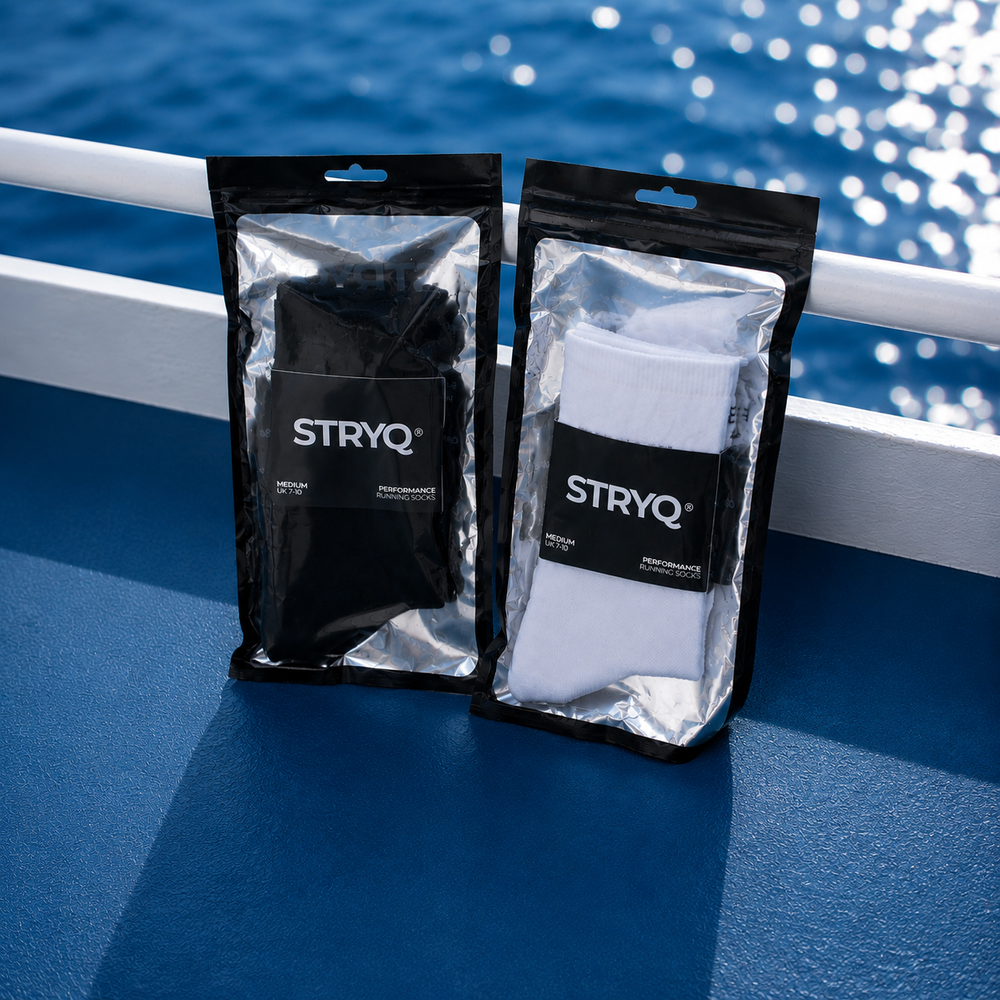
To explore available options, visit the running socks collection.

FAQ
Are running socks really necessary
They are not mandatory, but they significantly improve moisture management, stability, and comfort compared to cotton socks.
Do running socks prevent blisters
They help reduce friction and moisture, which are major blister factors. Shoe fit remains important.
How tight should running socks feel
They should feel snug without restricting circulation. Movement inside the sock increases friction.
Should I choose thick or thin running socks
Choose based on shoe fit, distance, and temperature preferences.