Drink about 500–600 ml of fluid two to three hours before a hot run, then a small top-up of 200–300 ml shortly before the start. During the run, sip little and often, and move to an electrolyte drink once you pass 60 minutes. Never drink so much that you gain weight mid-run.
TL;DR:
- Fluid needs vary with pace and heat; endurance guidance often falls between 400–800 ml per hour, but adjust intake to conditions and measured losses.
- During early heat training or long efforts, add 0.3–0.7 g of salt per liter, and get sodium from drinks or food rather than tablets.
- Research links intake below roughly 700 ml per hour with lower EAH risk; gaining weight during a run signals overdrinking and calls for adjustment.
- During a representative one hour run, weigh before and after; add fluid consumed, with each kilogram lost equaling roughly one liter.
- Afterward, replace each pound of lost body weight with 500–700 ml; if another session follows soon, drink beyond measured losses.
Table of Contents
- How do you start a hot run properly hydrated?
- How should you drink during a hot run?
- When do you need electrolytes on a hot run?
- How do you avoid overdrinking and hyponatraemia?
- How do you test your sweat rate?
- How do you rehydrate after a hot run?
- Why does the best hydration kit come down to simplicity?
- Which STRYQ kit makes this plan easy to follow?
- FAQ
- Sources
How do you start a hot run properly hydrated?
Starting a hot run already short of fluid is the easiest mistake to avoid. The routine is simple: drink roughly 500–600 ml (16–20 fl oz) two to three hours beforehand, which gives your body time to absorb the fluid and pass any excess. If your urine is dark or you have barely drunk that morning, add 200–300 ml in the 10–20 minutes before you set off. Weighing yourself and checking your first-morning urine colour are both practical field methods for judging where you stand.
- Choose cool drinks, around 10–15°C, as they are easier to sip and feel better on a warm morning.
- Keep heavy caffeine and alcohol away from the hours before you run.
- Include a little sodium in meals or drinks across hot training days, which helps you hold on to the fluid you drink.
- Make drinking part of the whole morning, not a rush at the front door.
How should you drink during a hot run?
Sip small amounts regularly rather than gulping at aid stops. A good starting cue is 200–300 ml every 10–20 minutes, adjusted for your pace, the heat and how hard the effort feels. Endurance guidance often falls in the 400–800 ml per hour range, but fluid needs vary with pace and conditions.
For shorter runs, water is usually enough. Beyond an hour in the heat, switch to a fluid that contains electrolytes.
How you carry it matters, because a drink you cannot reach is a drink you skip:
- Handheld bottles suit short runs but tire your grip.
- A belt keeps weight low and leaves your arms free.
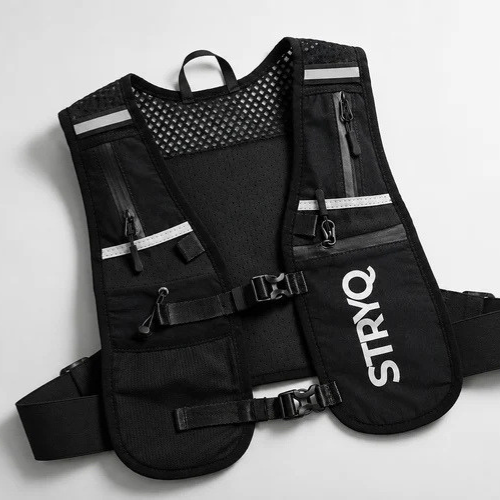
- A vest with front-pocket flasks puts fluid at chest height, so sipping needs no fumbling.
Our STRYQ HYDRATION RUNNING VEST and the STRYQ 500ml Running Soft Flask for Hydration Vests (Black) are built around this idea. For a worked example of a full plan, see our long run hydration example.
Pro Tip: Set a regular watch alert. Drinking on a schedule beats drinking when you remember, especially once the heat dulls your focus.

When do you need electrolytes on a hot run?
Once a run goes past 60 minutes, or your sweat losses are high, plain water stops being enough. The NATA position statement says to use electrolyte-replacement drinks containing sodium and carbohydrate for runs of this length, and to add 0.3–0.7 g of salt per litre of fluid in the first days of hot-weather training or for long efforts. It also favours drinks and food over salt tablets as the sodium source.
- Pick a sports drink or a premixed solution rather than relying on tablets.
- For long or hard sessions, choose a drink containing carbohydrates.
- Mix powder into a soft flask before you leave, or carry effervescent tablets and drop one in at a stop.
If you want to compare your options, our guides on electrolytes versus sports drinks and when you need electrolytes go into more detail.
How do you avoid overdrinking and hyponatraemia?
More fluid is not always safer. Exercise-associated hyponatraemia (EAH) happens when you drink more than you lose and dilute the sodium in your blood. Research suggests that endurance athletes drinking below roughly 700 ml per hour face a lower risk, so treat that as a sensible ceiling unless a medical professional advises otherwise.
- Gaining weight during a run is a warning sign that you are drinking too much.
- Early symptoms include nausea, dizziness and puffiness in the hands or feet.
- Confusion or seizures need urgent medical care.
- Practise your plan in training. Hydration strategies should be individualised and rehearsed, not tried for the first time on race day.
How do you test your sweat rate?
A sweat-rate test turns guesswork into a number you can use. The NATA method is to weigh yourself before and after a representative one-hour session, without drinking or urinating, and treat 1 kg of weight lost as roughly 1 litre of sweat.
- Weigh yourself in minimal clothing before a one-hour run.
- Run at your normal hot-weather effort, noting any fluid you drink.
- Towel off and weigh yourself again straight afterwards.
- Add the fluid you drank to the weight lost. The answer is your sweat rate in litres per hour.
- Aim to replace most, but not all, of that loss, and stay within the intake ceiling above.
Repeat the test after 10–14 days of heat exposure, as sweat rate typically rises during acclimatisation. Our guide to testing your sweat rate has worksheets to help.
How do you rehydrate after a hot run?
A practical rule is 500–700 ml (16–24 fl oz) for every pound of body weight lost. If you need to recover quickly, for example before a second session, drink more than your measured loss to account for urine and continued sweating.
- Choose a drink with carbohydrate and electrolytes when you want fluid and glycogen back fast.
- Sip steadily rather than drinking a large amount at once.
- If you suffered heat cramps or heat exhaustion, stop, rest somewhere cool and sip cool, non-alcoholic fluids. Follow the CDC treatment guidance and seek medical help if symptoms persist.
- Cooling and medical assessment come before aggressive rehydration after any suspected heat illness.
Why does the best hydration kit come down to simplicity?
I think hydration advice fails when it asks runners to do something awkward. A plan that needs you to stop, unclip and unscrew a bottle frequently may be abandoned. That is why we tested 500 ml soft flasks and front-pocket access with real runners: the best kit is whatever makes sipping effortless. Hydration needs vary from person to person, so practise your routine and check your weight and morning urine.
— martin
Which STRYQ kit makes this plan easy to follow?
Everything above comes down to drinking small amounts on schedule, and our hydration kit is designed to make that second nature. A 500 ml soft flask lets you carry fluid on your run. A well-fitting vest helps provide a secure fit. When choosing, look for:
- A snug fit that does not bounce or chafe.
- Front pockets you can reach without stopping.
- Secure closures so flasks stay put on rough ground.
- Durable fabric that survives sweat and repeated washing.

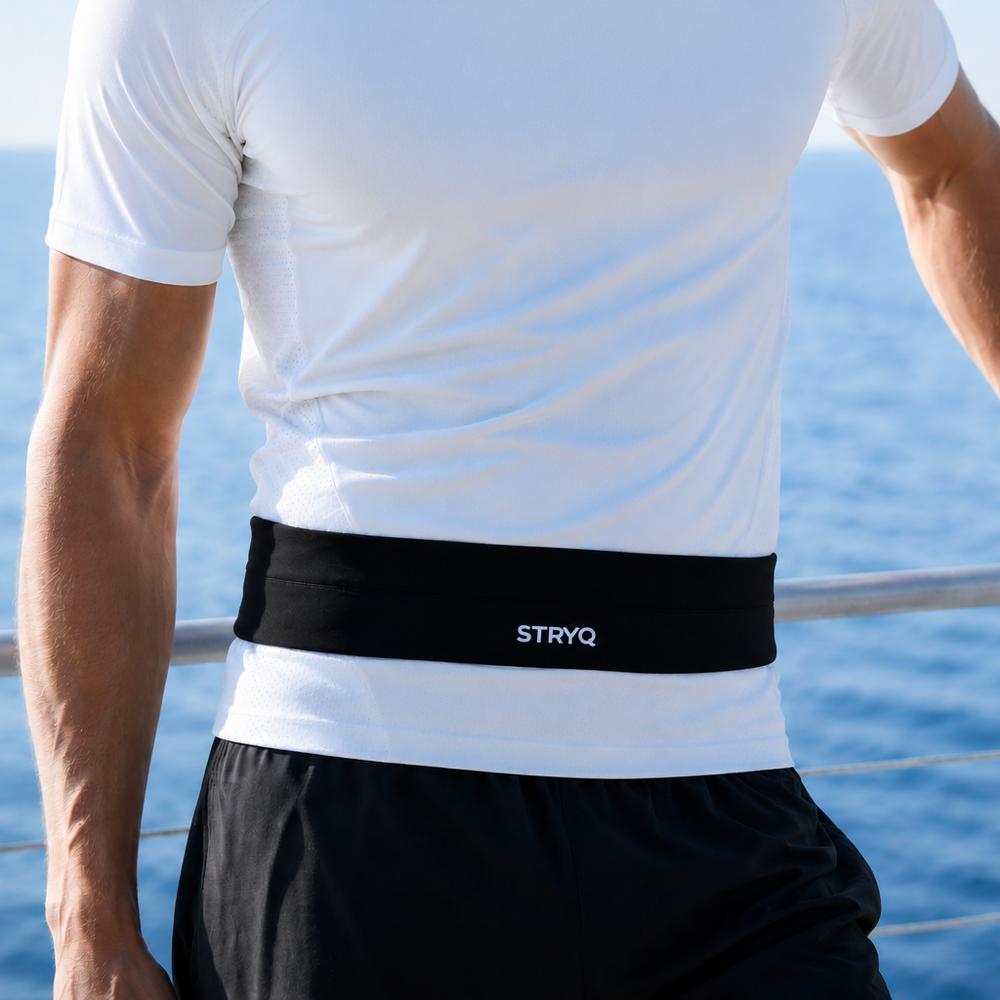
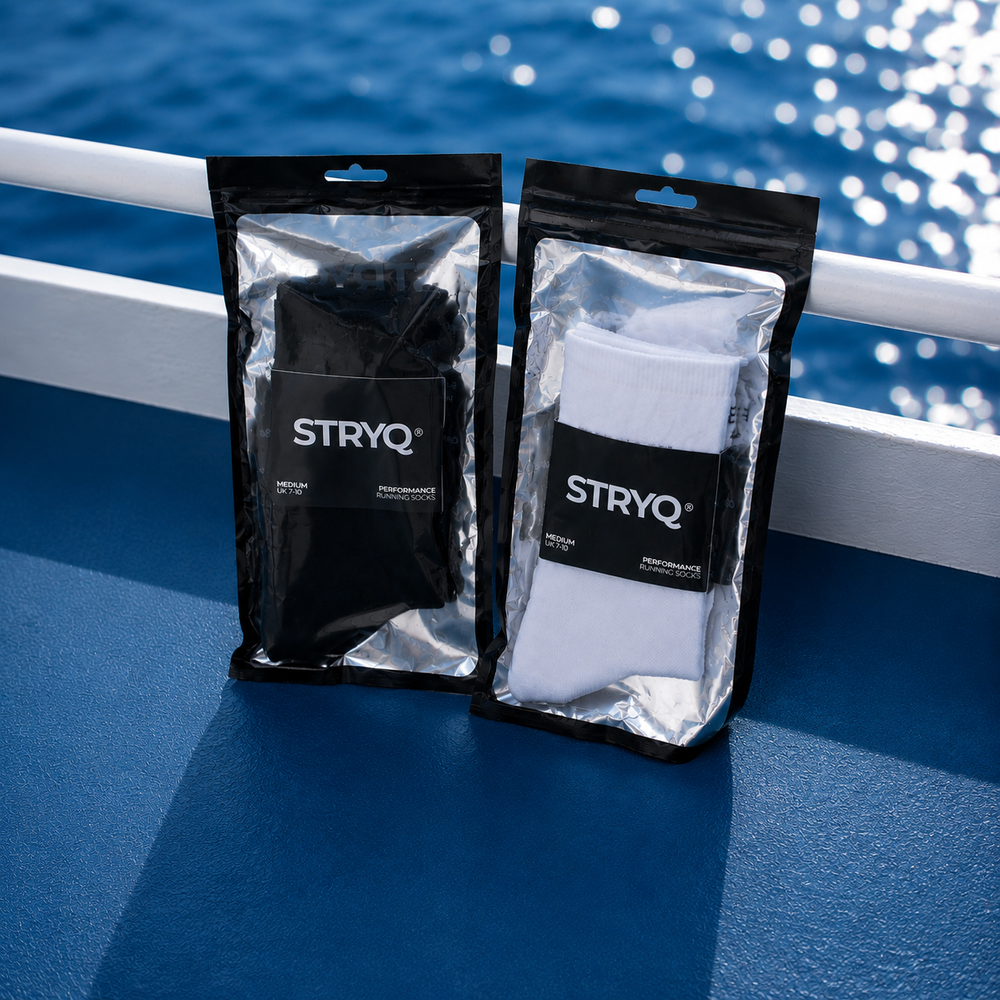
Take a look at the STRYQ HYDRATION RUNNING VEST, the STRYQ 500ml Running Soft Flask (current prices are on our site), or the STRYQ Purple 500ml Soft Flask for Running. If you prefer to carry less, our running belt and wider gear range is worth a look, and our running socks pair well with long summer miles. Add a flask to your next hot run and put the plan into practice.
FAQ
How best to stay hydrated in hot weather?
Start the run well hydrated, then sip small amounts regularly rather than waiting until you are thirsty. For efforts over 60 minutes, use an electrolyte drink. Keep your intake within an individualised plan to reduce the risk of overdrinking. The cited research suggests that drinking below about 700 ml per hour is associated with a decreased risk of EAH, not that this rate prevents overdrinking.
Why do runners eat Haribo?
Runners eat sweets such as Haribo as a quick source of carbohydrate during long efforts. Sugar is easy to chew and digest, and it tops up energy when fuel stores run low. Hydration still comes from your drink, so take them with fluid.
What are the 5 things to avoid before a run?
Avoid heavy caffeine, alcohol, large amounts of fluid in the final few minutes, new foods you have never tried, and starting already thirsty or dark-urine dehydrated. Stick to a familiar breakfast and the routine of drinking 500–600 ml a few hours ahead.
What is the 10 gulp rule?
The 10 gulp rule is a rough cue: take about ten small gulps at regular intervals instead of one big drink. It is a handy reminder to sip steadily, though it is no substitute for knowing your sweat rate. Use your measured loss to set the real target.
Sources
- National Athletic Trainers’ Association Position Statement: Fluid Replacement for Athletes
- Rehydration during Endurance Exercise: Challenges, Research, Options, Methods - PMC
- Treatment for Heat-Related Illnesses