A bottle sloshing against your ribs can turn an easy run into a frustrating one. The soft flask versus hydration bladder decision is not really about which option is best overall. It is about how far you are running, how much you need to carry and which setup you will actually use comfortably.
For a short road run, a small soft flask may be all you need. For a warm trail race with long gaps between aid stations, a hydration bladder can make far more sense. Both can work brilliantly in the right running vest. Both can also be irritating when they are overfilled, poorly fitted or left uncleaned.
Soft Flask Versus Hydration Bladder: The Key Difference
A soft flask is a flexible bottle, usually carried in the front pockets of a running vest. As you drink, it shrinks down, reducing sloshing and taking up less space. Most runners use one or two flasks, often holding 250ml to 500ml each.
A hydration bladder is a larger soft reservoir that sits in the back compartment of a running vest or pack. A tube runs from the reservoir to the front of the vest, letting you drink without removing it. Common capacities range from 1.5 to 2 litres, with some larger options available.
The practical difference is access versus capacity. Soft flasks put your drink and your fuel within easy reach. A bladder carries more water with less weight at the front of your body, but refilling and cleaning usually take more effort.
When a Soft Flask Is the Better Choice
Soft flasks suit many everyday runs because they are simple. Fill them, slide them into your vest pockets and sip when you need to. There is no tube to route, no bite valve to check and no need to take your vest off at a tap.
They are particularly useful for 5K to half-marathon training, parkruns where you prefer to carry your own water, and races with regular aid stations. On a marathon, two 500ml flasks can give you enough control over your hydration and electrolytes without carrying more than you need.
Front carry also makes it easier to stay on top of nutrition. You can keep one flask filled with water and the other with an electrolyte drink, then store gels in the same area of your vest. Everything is visible. That matters when you are tired and trying not to miss a planned gel at mile 16.
Soft flasks are easier to refill on the move, too. At an aid station, you can pull one out, fill it and carry on while the other remains in place. This is much less fiddly than stopping to remove a bladder from the back of a packed vest.
Their main limitation is capacity. Two 500ml flasks may not be enough for a long summer run with no reliable refill point. They can also feel bulky on the chest if your vest is too small, over-tightened or loaded unevenly. The answer is not always to tighten the straps further. Often, it is to use the right size vest and spread your kit sensibly.
Soft flasks work well if you want:
- Quick access to water, electrolytes and fuel
- Easy refills during races and long runs
- Less sloshing as the flask empties
- A lighter setup for shorter sessions
- Separate drinks, such as water in one flask and electrolytes in another
When a Hydration Bladder Makes More Sense
A hydration bladder earns its place when water availability is uncertain. If you are heading into the hills for several hours, running trails in warm weather or covering a route with few public taps, carrying 1.5 to 2 litres on your back can remove a lot of planning pressure.
It is also useful when you do not want bottles occupying the front pockets of your vest. Some runners prefer a cleaner chest area, especially if they carry frequent gels, a phone, keys, gloves or mandatory race kit. A bladder moves most of the fluid weight to the back, leaving the front pockets free for essentials.
The drinking tube is convenient once it is set up properly. You can take small sips without breaking stride or reaching for a bottle. For steady trail running, this can help you drink little and often rather than waiting until you feel thirsty.
There are trade-offs. A full bladder adds noticeable weight high on your back, and that weight can move if the vest is loose. It is harder to know exactly how much you have drunk without taking the vest off or feeling the reservoir. A tube can also bounce, rub or drip if it is not secured well.
Refilling is the biggest drawback during an event. Some vests let you access the bladder from the top, but many still require you to remove it from its compartment. If you are racing for a time and aid stations are frequent, soft flasks are usually more convenient.
Comfort and Bounce Come Down to Fit
Neither system should bounce when your vest fits correctly. Movement usually comes from a vest that is too large, straps that are too loose, or a load that changes shape as you run.
With soft flasks, use pockets designed to hold the flask securely. A flask should sit high enough to be easy to reach but not so high that it presses into your collarbone. As it empties, push it fully back into the pocket so it does not work its way upwards.
With a hydration bladder, make sure it sits flat against your back. Remove trapped air after filling it, as air can increase sloshing. Route the tube through the vest’s elastic loops and position the valve where you can reach it without pulling or twisting.
Do not fill more water than the route demands. Carrying two litres for a 45-minute winter run is rarely comfortable or necessary. On the other hand, under-carrying on a hot, exposed route can leave you relying on taps that are unavailable or closed.
Cleaning: The Part Runners Often Put Off
Soft flasks are usually quicker to clean. Rinse them after every run, especially if you have used an electrolyte mix. Leave the cap off and allow them to dry fully. A bottle brush helps if residue builds up around the cap or valve.
Bladders need more attention because moisture can sit in the reservoir and tube. Empty them as soon as possible after your run, rinse thoroughly and dry both the bladder and tube. If you use sugary drink mix, do not leave it in there until your next session. That is how unpleasant smells and mould become a problem.
A simple routine makes this manageable. Use water where possible, rinse your kit the same day and let everything air dry before storing it. If cleaning feels like a chore you will avoid, that is a genuine reason to favour soft flasks.
How Much Water Do You Really Need?
Your fluid needs change with temperature, pace, duration, body size and how much you sweat. There is no single amount that suits every runner. A cool 60-minute easy run may need very little carried water, while the same session in humid weather can feel completely different.
For runs lasting under an hour, many runners can simply drink before and after, depending on conditions and personal preference. Once you are running longer, particularly in warm weather, plan your fluid around the route. Consider whether there are reliable refill points, how long you will be out and whether you are taking electrolytes.
Use training to test your setup. Do not wait until race day to discover that a full bladder rubs your shoulders or that you cannot open a flask cap with cold fingers. Long runs are the right place to practise drinking, eating and carrying kit together.
Which Setup Should You Choose?
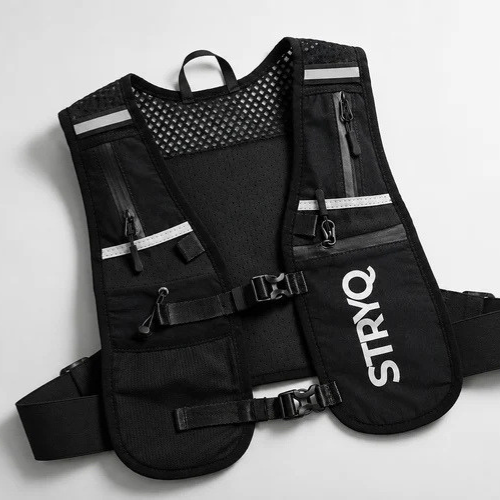
Choose soft flasks if you mostly run on roads, use regular aid stations, want fast refills or prefer to keep water and electrolytes separate. They are the practical choice for a large number of runners, especially when paired with a close-fitting running vest designed to keep movement down.
Choose a hydration bladder if you run long distances away from reliable water, spend time on trails or need to carry a larger volume in one place. It is often the better option for self-supported adventures, long summer training runs and ultras with long stretches between support points.
You do not have to commit to one forever. Many experienced runners use both. They may take soft flasks for a marathon and a bladder for a long day on the trails. Some use a bladder for water and front flasks for electrolytes, although that setup is best saved for days when the distance and conditions justify the extra weight.
The best hydration setup is the one you barely notice after the first mile. Test it on familiar routes, adjust the fit before you set off, and let your running distance and conditions decide what comes with you.