You finish a summer long run with white salt marks on your top, a pounding thirst and legs that suddenly feel far heavier than they should. Water has helped, but you still do not feel right. This is where running electrolytes can make a genuine difference. They are not essential for every mile, but on the right run, in the right conditions, they can help you stay comfortable and keep taking on fluid.
What are running electrolytes?
Electrolytes are minerals that carry an electrical charge when dissolved in fluid. The main ones for runners are sodium, potassium, magnesium and calcium. They help regulate fluid balance, support nerve signals and allow muscles to contract normally.
Sodium is the one that usually deserves most attention during a run. You lose it in sweat, along with fluid. If you replace sweat losses with plain water only, particularly over several hours, you can dilute the sodium concentration in your blood. More commonly, though, runners simply find they struggle to drink enough, feel flat in the heat, or finish long sessions heavily depleted.
Electrolyte tablets, powders, drinks and chews are practical ways to add sodium and other minerals to the fluid or fuel you already carry. They are not a substitute for fitness, pacing or proper fuelling. Think of them as one useful part of a longer-run plan.
When do you need electrolytes for running?
For an easy 30-minute run in cool weather, you will rarely need to take anything with you. Drink normally before and after, then get on with your day. Carrying a sports drink for every short jog can add cost and hassle without improving the session.
Electrolytes become more useful when sweat losses rise or when you cannot simply rehydrate once you get home. That often means runs lasting more than 60 to 90 minutes, hot or humid conditions, hill sessions, long races and back-to-back days of training. They are also worth considering for anyone who sweats heavily or notices salty residue on their skin and clothes after running.
A winter run can still call for them. Layers, strong effort and dry indoor air can all leave you sweating more than expected. Do not judge the need by temperature alone. Consider duration, effort, access to water and how much you personally sweat.
Signs your plan may need adjusting
Cramp is often blamed entirely on a lack of electrolytes, but it is not that simple. Fatigue, a sudden increase in training load, poor pacing and inadequate carbohydrate intake can all contribute. Taking more salt will not fix an overly ambitious race start.
Still, if you regularly finish long runs with headaches, pronounced thirst, dizziness, a very salty face or clothing, or a bloated feeling from drinking lots of plain water, review your hydration approach. These symptoms can have several causes, so persistent or severe issues deserve medical advice, especially if you have a health condition or take medication that affects fluid balance.
How much sodium should runners take?
There is no one number that suits every runner. Sweat rate and sodium loss vary hugely. A sensible starting point for longer runs is around 300 to 600mg of sodium per hour, taken through your drink, gels, chews or salt capsules. Some runners will need less. Heavy and salty sweaters training for several hours in warm weather may need more, but this is best tested gradually rather than guessed on race day.
Check the label closely. Products often highlight “electrolytes” but provide only a modest amount of sodium per serving. That may be fine for a short run, yet not enough to meaningfully support a hot marathon effort. Also check whether one tablet, one scoop or a full bottle is classed as a serving.
Your overall nutrition matters too. Many gels contain sodium, while most everyday food and recovery meals contain salt. Add up what you are actually taking rather than stacking tablets, sports drinks and salty snacks without a plan.
Water, electrolytes and carbohydrates do different jobs
It helps to separate the three. Water replaces fluid. Electrolytes, particularly sodium, help retain and distribute that fluid. Carbohydrate provides energy for working muscles.
On a 90-minute easy run, water and a small amount of electrolyte may be enough, depending on the weather. For a two- or three-hour run, you will usually need carbohydrate as well. If your drink contains a meaningful amount of carbohydrate, it can be a convenient all-in-one option. The trade-off is that stronger drinks can taste overly sweet, feel heavy in the stomach, or become unpleasant when warm.
Many runners prefer a simpler approach: water with an electrolyte tablet in a soft flask, plus separate gels or chews. This makes it easier to alter your energy intake without changing how much you drink. It also gives you a better chance of finding flavours you can tolerate late in a race.
How to work out your sweat needs
You do not need a lab test to make a useful first estimate. Weigh yourself before and after an hour-long run in conditions similar to your usual training. Keep a note of how much you drank and try to avoid stopping for the toilet during the test.
The weight lost, plus fluid consumed, gives a rough indication of sweat loss. One kilogram of weight change is approximately one litre of fluid. Repeat on another day before treating the figure as reliable, as pace, temperature and clothing all affect it.
The goal is not to replace every drop during the run. That is often unrealistic and can leave your stomach sloshing. Instead, use the result to identify whether your usual bottle is likely to be enough, and whether hot-day training needs a different plan.
Choosing an electrolyte format you will actually use
The best option is usually the one you will carry, drink and tolerate consistently. Tablets are light and easy to pack, but you need water to dissolve them. Powders let you control strength, although measuring them on the move is not practical. Ready-mixed drinks save preparation but are bulkier and more expensive for regular training. Capsules offer concentrated sodium without flavour, yet they should always be taken with sufficient water.
Taste matters more than runners sometimes admit. A flavour you enjoy at mile two may be sickly at mile 18. Test it on long runs, including when you are working hard. If you use a hydration vest, consider carrying plain water in one flask and electrolyte drink in the other. It gives you options if your stomach turns or the day gets warmer than forecast.
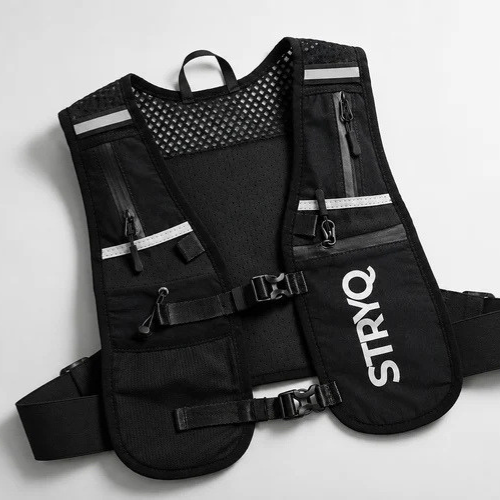
For runners who dislike holding a bottle, a close-fitting hydration vest is often the simplest solution for long-distance training. It lets you carry enough fluid, fuel and mobile phone essentials without cramming pockets or changing your stride. The fit matters. A flask that bounces or rubs is less likely to be used when you need it most.
Practise before race day
Race-day hydration should be familiar, not experimental. Use the same electrolyte product, concentration and drinking rhythm during your key long runs. Practise opening gels, refilling flasks and drinking while moving. Small practical problems become bigger when you are tired and surrounded by other runners.
Be careful not to overcorrect. More electrolytes are not automatically better, and excessively concentrated drinks can upset your stomach or make you thirstier. Start with the lower end of a sensible sodium range, note the weather and your response, then make one change at a time.
If you have high blood pressure, kidney disease, heart disease, or have been advised to limit salt, speak to a clinician or registered sports dietitian before using high-sodium products regularly.
A good hydration plan should feel boringly reliable. On short runs, that may mean nothing more than a drink afterwards. On long, sweaty miles, it means carrying fluid you can access easily, adding electrolytes when they earn their place, and practising until it is simply part of the run.