A run that feels comfortable at 12°C can feel surprisingly hard at 23°C. Your pace may be slower, your heart rate may climb earlier and a familiar route can suddenly leave you dry-mouthed halfway round. That is where summer running hydration stops being an afterthought and becomes part of your plan.
You do not need to sip constantly or carry litres for every jog. You do need a realistic approach that matches the temperature, your effort, how long you are out for and how much you personally sweat. The aim is simple: start well hydrated, drink enough to keep running comfortably, and replace what you have lost afterwards.
Why heat changes your running hydration
When it is warm, your body sends more blood to the skin to help release heat. At the same time, your working muscles still need oxygen. Sweat is the cooling system that makes this possible, but it costs fluid and electrolytes.
As you lose fluid, your blood volume drops. Your heart then has to work harder to deliver blood to both your muscles and skin. This is one reason an easy summer run can feel tougher than the same effort in cooler weather. Dehydration is not the only cause of fatigue in the heat, but it can make the whole run feel more difficult.
Humidity matters too. On a muggy UK day, sweat does not evaporate as effectively. You may be sweating heavily without getting much cooling benefit. In those conditions, slowing down, choosing shade and carrying fluid can be more useful than trying to force your usual pace.
Start the run hydrated, not overloaded
Good hydration begins before you leave the house. Drink normally through the day, especially if you are running after work or during a warm weekend morning. Pale yellow urine is a useful general sign that you are reasonably hydrated. Completely clear urine all day is not a target, and dark urine can also reflect a concentrated first wee of the morning.
Avoid trying to fix a full day of low fluid intake by downing a large bottle just before running. It can leave you feeling bloated, sloshy and in need of a toilet. Instead, have regular drinks with meals and take a small drink in the hour or two before a run if you are thirsty.
Coffee is not automatically a problem. If you normally have one before a morning run and tolerate it well, there is no need to change your routine. Consistency is usually better than race-day experiments.
How much should you drink while running?
There is no single amount that works for every runner. Body size, pace, clothing, temperature, humidity and sweat rate all change the answer. A runner covering 5K early on a mild morning may not need to carry anything. Someone running for 90 minutes in direct sun probably should.
For many runs lasting longer than about an hour in warm weather, taking regular small drinks is more comfortable than waiting until you are very thirsty. A practical starting point is roughly 400 to 800 ml per hour, then adjust based on the conditions and your own experience. Smaller runners and cooler days tend to sit at the lower end. Bigger sweaters, longer runs and hot conditions may require more.
Do not treat that range as a target to force down. Drinking far more than you are losing can also cause problems. The goal is to avoid finishing severely thirsty, dizzy or with a headache, while also avoiding the heavy, overfull feeling of too much fluid.
Work out your sweat rate
If you want a more personal guide, weigh yourself without clothes before and after a one-hour run. Note how much you drank during it, then compare your body weight afterwards. A loss of around 1 kg is close to 1 litre of fluid lost, before allowing for anything you drank.
Do this on a route and day that resemble your usual summer training. Your result will not be exact, and it will change with the weather, but it gives you a useful starting point for deciding how much water to carry. It is better than copying the habits of the fastest runner in your club.
Water or electrolytes?
Water is usually enough for shorter runs, particularly if you have eaten normally beforehand and plan to have a meal afterwards. The case for electrolytes becomes stronger when you are running longer, sweating heavily, training in high heat or finishing with salt marks on your clothes and skin.
Electrolyte drinks mainly help replace sodium lost in sweat. Sodium also encourages drinking and helps your body retain the fluid you take in. For a long run, this can make plain water feel less satisfying and may reduce the risk of feeling washed out afterwards.
You do not need a highly complicated mix. Choose something you know sits well in your stomach and use it in training. If you are taking gels, check whether your drink already contains carbohydrate. Combining a strong sports drink with frequent gels can be too sweet or too concentrated for some runners, especially when the heat has already unsettled the stomach.
For runs beyond 90 minutes, hydration and fuelling should work together. Water alone will not replace the energy you are using, and gels without enough fluid can be hard to tolerate. Practise the combination you plan to use for a race rather than making decisions at the start line.
What to carry on a summer run
The best carrying option is the one you will actually use. If a bottle bounces, a belt rubs or a vest feels too warm, you may leave it at home when you need it most.
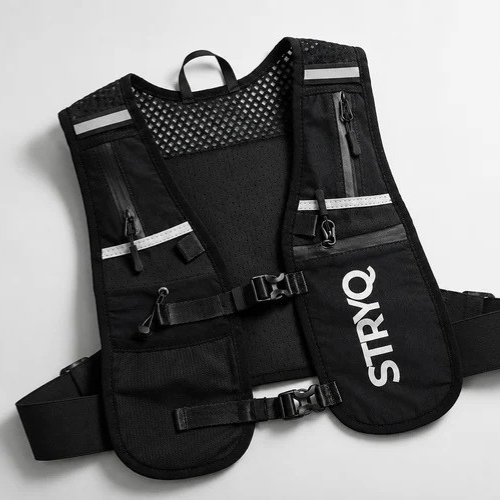
For a short route with refill points, a single soft flask may be enough. Soft flasks are easy to drink from on the move and take up less room as they empty. For longer runs, trail routes or places where public taps cannot be relied on, a hydration vest gives you more capacity and keeps the weight close to your body.
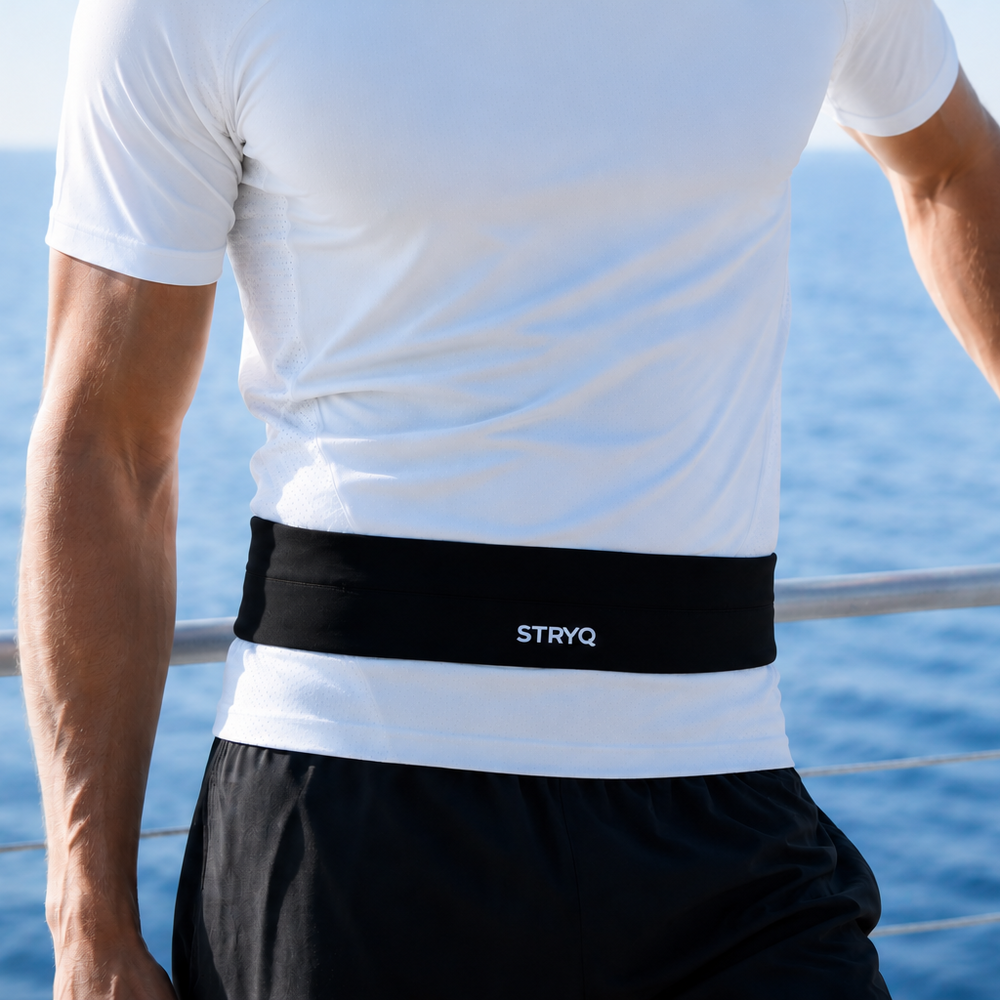
A running belt can be a practical middle ground for runners who only need a small flask, phone and keys. The fit matters more than the style. It should sit securely against your body without moving up, chafing or bouncing as your stride changes. No bounce. No bulk.
Plan your route before heading out. A loop past a café, public water tap or your car can reduce how much you need to carry. Just do not depend on a refill point unless you know it will be open and available. Bank holidays, park closures and broken fountains have caught out plenty of runners.
Adjust the run, not just the bottle
Drinking more does not cancel out the stress of heat. On hotter days, adjust your expectations. Run earlier or later where possible, choose shaded routes, wear light clothing and ease your pace. If you use heart rate, it may be a better guide than pace on a humid day.
A hot-weather long run is not the day to chase a personal best in training. The same effort may produce a slower pace, and that is normal. Walking briefly to drink, cool down or cross an exposed section is sensible pacing, not a failed run.
Look out for warning signs such as chills, dizziness, confusion, nausea, a worsening headache or stopping sweating despite feeling very hot. Stop running, get into shade and cool down. If symptoms are severe, do not try to push through them. Seek medical help.
Recover after the run
Finish with fluids, then eat a normal meal or snack containing carbohydrate, protein and some salt. You do not need to obsess over replacing every millilitre immediately. Drink gradually over the next few hours and let thirst, urine colour and how you feel guide you.
If you finish a long, hot run noticeably lighter than you started, make a deliberate effort to rehydrate. A drink alongside food is often easier on the stomach than repeatedly forcing down plain water.
Summer running is not about carrying the biggest bottle or following a rigid drinking schedule. It is about noticing what the weather asks of you, practising your plan and giving yourself enough fluid to enjoy the miles. Start small, test it on familiar routes and refine it before the hottest day of your next training block.