A run can feel easy at mile three, then suddenly become a slog by mile six. Your mouth is dry, your head feels foggy and every hill seems steeper than it did last week. Often, the issue is not fitness. It is running hydration.
Getting fluids right is less about following one rigid rule and more about matching your plan to the run ahead. Distance, temperature, pace, sweat rate and what you ate beforehand all matter. The aim is simple: start well hydrated, drink enough to stay comfortable and avoid carrying more than you need.
Why running hydration affects more than thirst
When you sweat, you lose water and electrolytes, particularly sodium. Sweat is how your body cools itself, but it comes at a cost. As fluid losses build, your heart has to work harder to deliver blood to your working muscles and skin. Effort rises, concentration can dip and your pace may suffer.
Thirst is useful, but it is not always an early warning system. On a short, relaxed winter run, drinking to thirst will often be enough. On a long run, a race or a warm day, waiting until you are very thirsty can mean you are already playing catch-up.
That does not mean you should force down litres of water. Drinking far more than your body needs can leave you bloated, uncomfortable and, in rare cases, dangerously dilute the sodium in your blood. Good hydration is measured, practical and personal.
Start the run hydrated, not overloaded
The easiest fluid to carry is the fluid you drink before leaving home. For most runners, regular drinks with meals through the day will cover the basics. Check your urine colour as a rough guide: pale straw is usually a good sign, while dark yellow may suggest you need more fluids. It is not a perfect test, especially after vitamins or first thing in the morning, but it is useful context.
Before an early run, have a glass of water with breakfast or while getting ready. If you are racing, avoid suddenly drinking much more than usual because you are worried about dehydration. That often leads to an unwanted toilet stop rather than better performance.
Coffee and tea still count towards fluid intake. If a morning coffee is part of your normal routine and sits well in your stomach, there is no need to cut it out. Just do not rely on strong coffee as your only pre-run drink.
How much should you drink while running?
There is no single number that suits every runner. A runner on a 30-minute easy jog in cool weather may need nothing at all during the session. Someone running for two hours in summer, particularly a heavy sweater, will need a proper drinking plan.
A useful starting point for longer runs is to take small, regular sips rather than waiting for a big drink. Many runners land somewhere around 400 to 800 ml per hour, but that is a broad range, not a target to chase. Smaller runners in cool conditions may need less. Bigger runners, faster runners and anyone training in heat may need more.
Pay attention to the conditions. British weather can be deceptive. A cloudy, humid day can leave you sweating heavily, even when the temperature does not feel high. Wind can also hide how much fluid you are losing. During winter, you may feel less thirsty but still lose fluid through sweat and breathing.
Find your own sweat rate
If you want a more personal guide, weigh yourself before and after a one-hour run. Do this in similar conditions, wearing dry clothes and without drinking during the session. Each kilogram lost is roughly one litre of fluid. If you drank during the run, add that amount to the calculation.
You do not need to repeat this before every run. It simply helps you understand whether you tend to sweat lightly or heavily, and how much conditions change your needs. Use the result to plan your bottle size and refill points, not to replace common sense.
When water is enough and when to use electrolytes
For many easy runs under an hour, water is all you need, if you need anything at all. Once you are running longer, sweating heavily or training in warm conditions, electrolytes become more useful.
Sodium helps your body retain the fluid you drink and replaces some of what is lost in sweat. It can be particularly helpful if your kit is visibly salty after a run, you get salt marks on your skin or you are out for several hours. Electrolyte drinks can also make water more appealing, which helps some runners drink consistently.
Sports drinks vary widely. Some provide mainly electrolytes, while others include carbohydrate for energy. Neither is automatically better. If you are using gels or other fuel, check the label and make sure you are not taking more carbohydrate than your stomach can handle. A very sweet drink plus several gels can be hard work late in a run.
For runs beyond 90 minutes, practise your drink and fuel together. Race day is not the place to discover that a new electrolyte tablet leaves a strong taste in your mouth or that your drink mix upsets your stomach.
Choose a carrying setup you will actually use
A hydration plan only works if your kit feels comfortable. If a bottle bounces in your hand or a pack rubs your shoulders, you may take fewer drinks simply because carrying it is annoying.
For short runs where you only want a few essentials, plan a route with a water fountain or carry a small soft flask. Soft flasks shrink as you drink, so there is less sloshing and they are easier to stow when empty. They suit runners who want a light option without committing to a full pack.
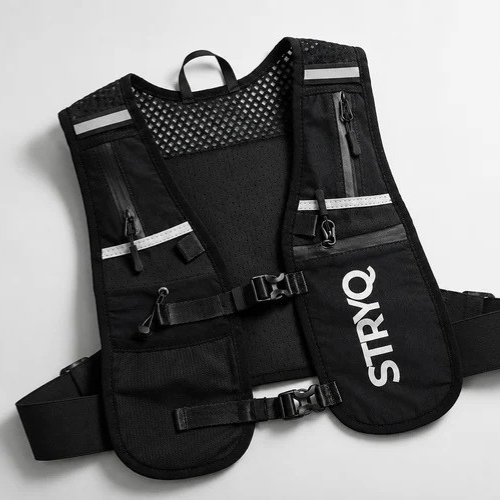
For longer training runs, trail routes or warm-weather races, a hydration vest gives you more capacity and keeps weight close to your body. The best fit feels secure without restricting your breathing. Tighten it enough to stop bounce, but not so much that it digs in once you start moving. Put your mobile phone, keys and nutrition in easy-to-reach pockets so you do not have to stop and unpack everything for a gel.
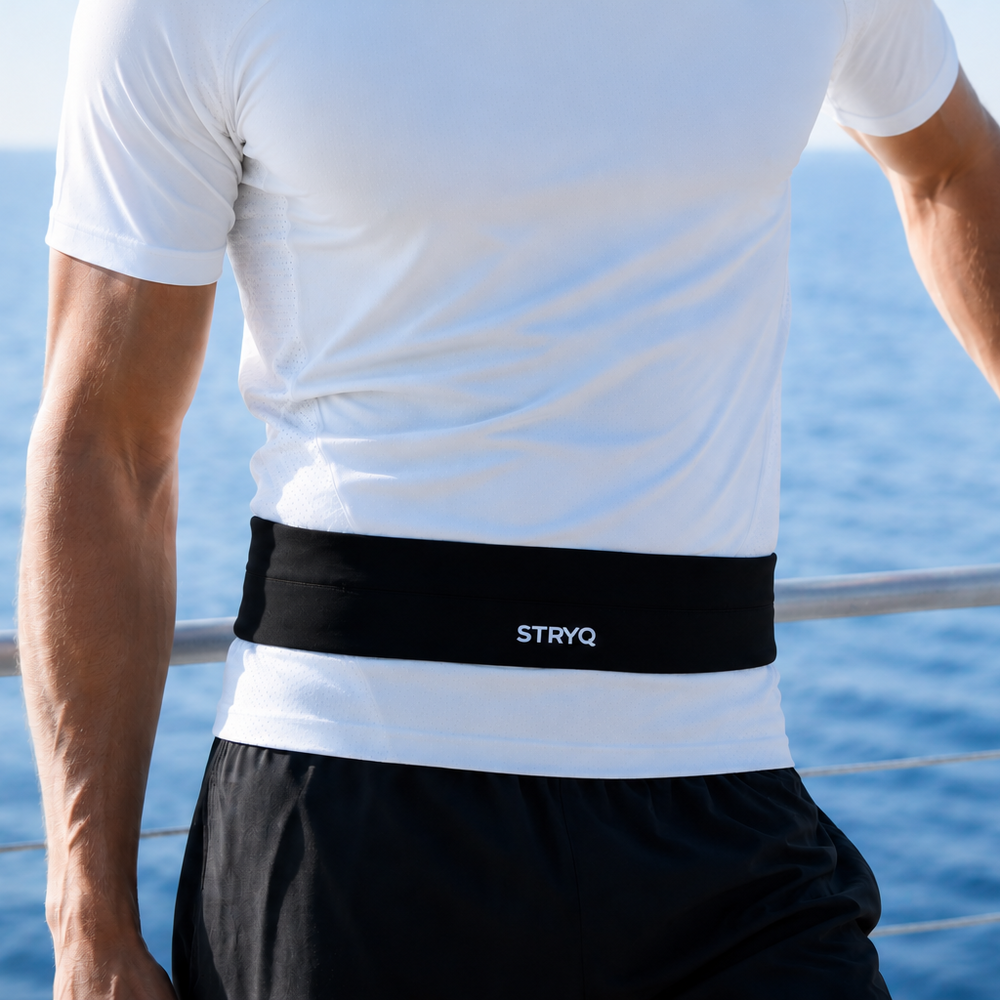
A running belt can also work well when you need minimal storage and prefer not to wear a vest. The right choice depends on your distance, route and personal preference. There is no prize for carrying the least water. If access to water is uncertain, take what you need.
STRYQ running accessories are designed around that everyday problem: keeping fluids and essentials secure without the bulk or bounce that distracts from your run.
Plan hydration for different runs
Your hydration needs should change with the session. A local 5K is not an ultra, and treating every run like a major expedition makes running feel harder than it needs to be.
For an easy run of up to around 45 minutes, drink normally beforehand and take water only if it is unusually warm, you are prone to thirst or there are no places to refill. For a 60 to 90-minute run, consider a small flask, especially in warmer months. For anything longer, plan your fluid, electrolytes and fuelling before you set off.
In a race, study the water stations in advance. Know roughly where they are, whether they offer water or sports drink and whether you are happy with what is supplied. If you prefer your own drink, carry it. This is especially useful for marathon runners who have trained with a specific electrolyte mix.
Common hydration mistakes that make runs harder
The most common mistake is leaving without a plan. You do not need to obsess over every millilitre, but you should know how long you expect to be out, how warm it is and where your next drink will come from.
Another is trying to fix poor hydration during the run. If you have gone into a long session dehydrated, a few big gulps will not instantly make you feel better. Drink steadily, slow down if needed and use the experience to adjust next time.
Finally, do not confuse dehydration with every bad run. Poor sleep, accumulated fatigue, under-fuelling, illness and hard training all affect how you feel. Hydration supports performance, but it cannot compensate for everything else.
The best running hydration plan is the one you can repeat without fuss. Test it on ordinary training runs, adjust it for the weather and carry your fluids in a way that lets you forget about your gear and focus on the miles ahead.