A 10k runner gear checklist is a pre-race inventory of every item you need to perform comfortably, safely, and without last-minute panic on race day. The standard checklist covers broken-in running shoes, a weather-appropriate moisture-wicking outfit, a hydration plan, anti-chafe balm, and your race bib pinned the night before. Missing even one small item can cost you £8 to £160 in rushed purchases on the morning. Getting this right is not complicated, but it does require deliberate preparation in the days before you toe the start line.
What does a 10k runner gear checklist actually cover?
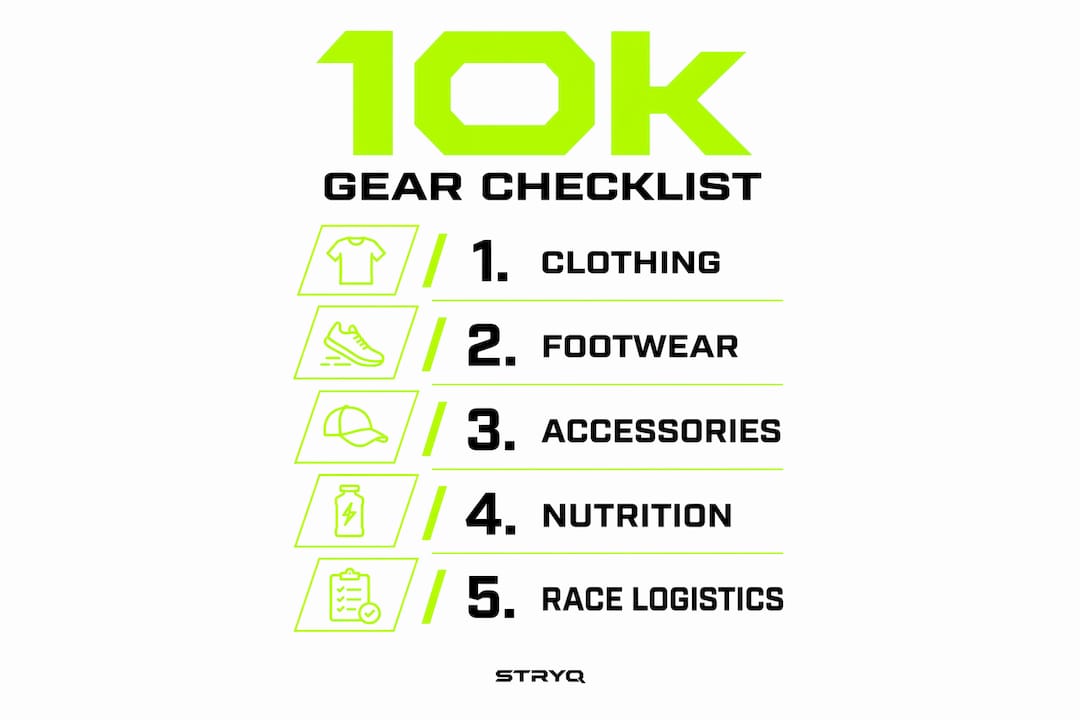
A complete 10k race gear checklist splits into four categories: clothing and footwear, accessories and devices, race-day logistics, and nutrition and hydration. Each category has non-negotiable items and optional extras that depend on your pace, the weather, and how long you expect to be on the course. The golden rule across all four categories is the same: nothing new on race day. Every item you wear or carry must have been tested in training first.
What are the must-have clothing and footwear for a 10k race?
Clothing and footwear account for the majority of race-day discomfort when they go wrong. The right choices prevent blisters, chafing, and overheating before you reach the 5km mark.
Shoes
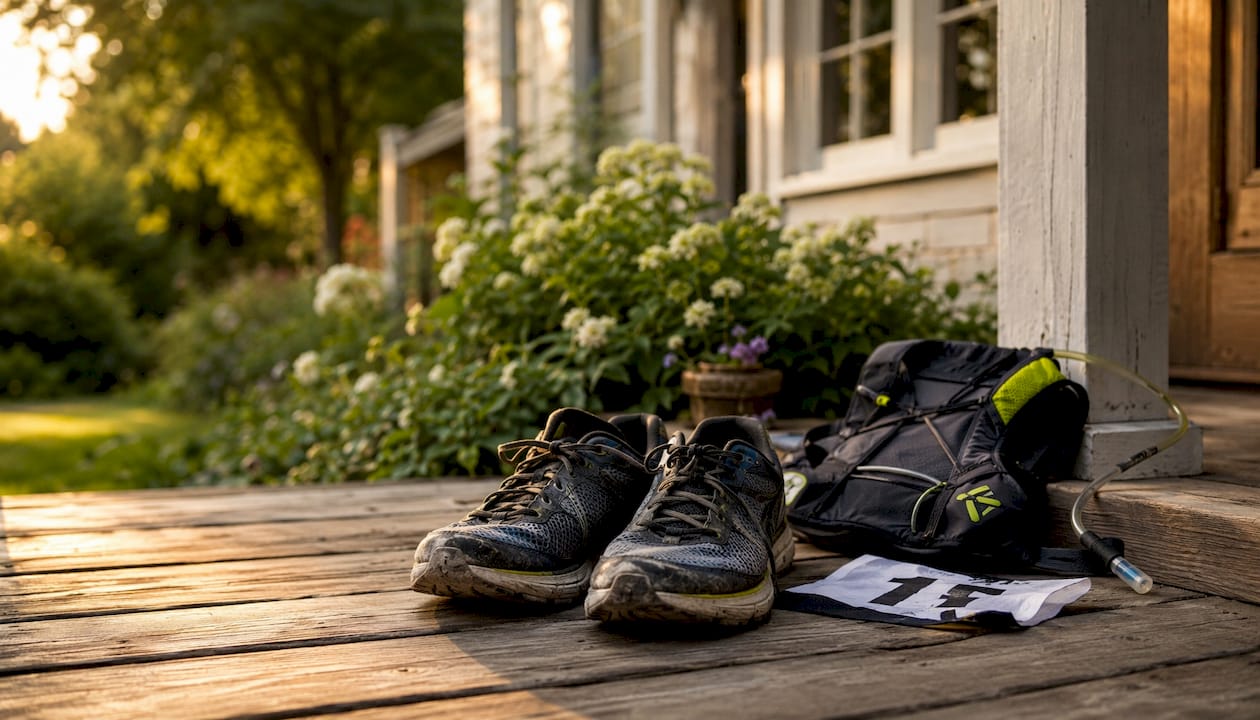
Your race shoes must have enough mileage on them to be broken in, but not so many miles that the cushioning is worn down. A shoe with 80–150 miles on it sits in the right window for most runners. Never race in a brand-new pair. The upper, heel counter, and insole all need time to conform to your foot shape.
Clothing
Moisture-wicking fabrics pull sweat away from the skin and dry quickly. Cotton holds moisture against the skin and causes friction. For UK races, layering is often necessary: a base layer for cold starts, a lightweight top for the main effort, and a throwaway layer for the warm-up. Check the forecast the evening before and lay out your outfit accordingly.
- Running top: moisture-wicking, fitted but not restrictive
- Shorts or tights: tested in training, no inner seams that rub
- Sports bra (if applicable): worn-in and supportive
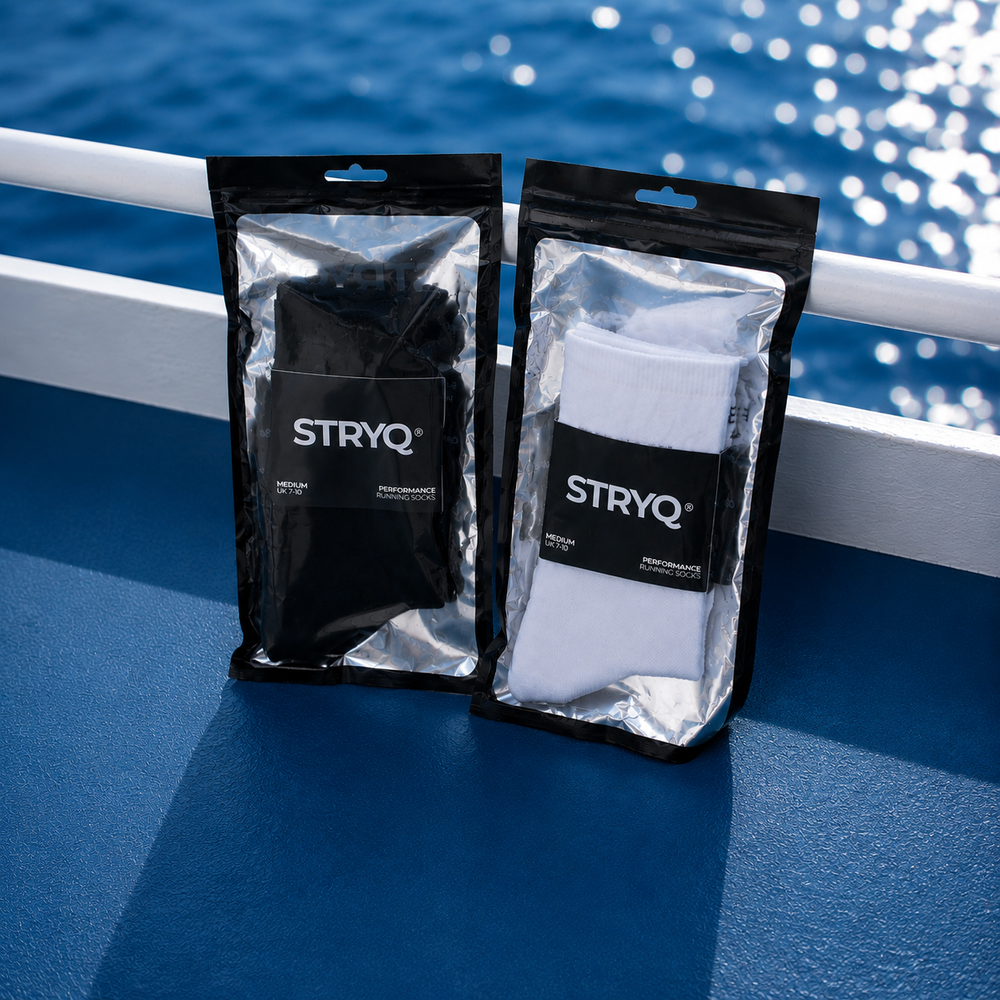
- Running socks: cushioned, moisture-wicking, and sweat-tested beforehand
- Underwear: seamless or compression-style to prevent chafing
Unfamiliar socks and underwear cause major discomfort by 5–6km. This is one of the most overlooked items on any running gear list. If you have not worn a pair of socks for at least two training runs, do not race in them.
Pro Tip: Pin your race bib onto your running top the night before. Pinning your bib at home calmly avoids fumbling with safety pins in the cold on race morning, and removes any risk of damaging your kit.
For cold or wet UK conditions, check the half marathon winter training gear list for layering principles that apply equally to 10k preparation.
Which accessories and devices improve your 10k race?
Accessories are not mandatory, but the right ones make a measurable difference to pacing, comfort, and logistics. The wrong ones, chosen at the last minute, create problems.
Pacing and tracking
A GPS watch or running app helps you maintain a consistent pace and avoid the most common amateur mistake: starting too fast. Charge your device fully the night before to avoid battery failure mid-race. If you use a phone app, put it in aeroplane mode with Wi-Fi on to preserve battery.
Hydration accessories
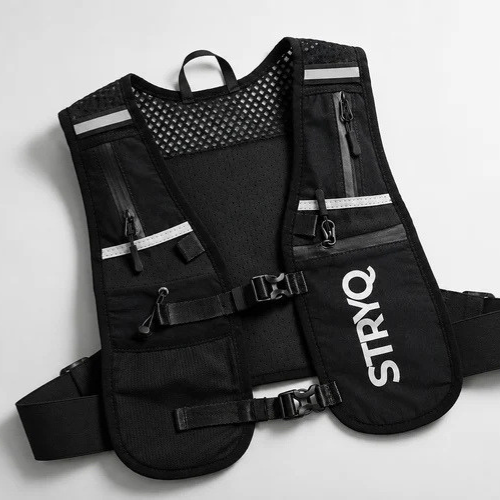
Most 10k courses have water stations, so a handheld bottle is optional rather than required. If you run at a slower pace or prefer to control your own hydration, a lightweight running belt or soft flask is worth carrying. The key is to test any hydration accessory in training first.
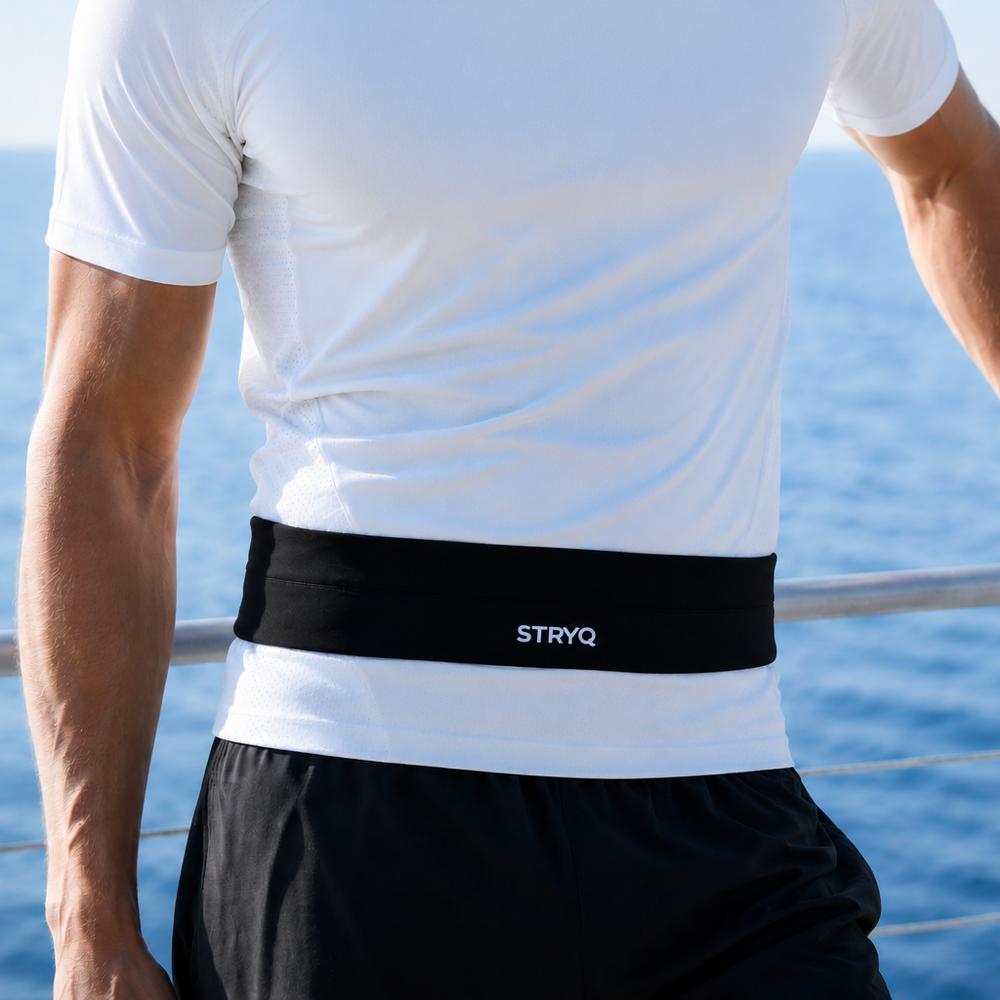
- Running belt: carries gels, keys, a phone, and small essentials without bouncing
- Soft flask: collapsible, lightweight, and easy to discard or refill
- Handheld bottle: suits runners who prefer direct access to water
Comfort and protection
- Anti-chafe balm: apply to inner thighs, underarms, and any area that has rubbed in training
- Sunscreen: apply before the race, not just at the start line
- Cap or visor: reduces glare and keeps rain off your face
- Sunglasses: lightweight, sport-specific lenses that do not slip
Nutrition
Most 10k runners do not need complex fuelling. One small energy gel or a sports drink may help if you expect to run for 70–80 minutes or longer. If you plan to use a gel, test it in training first. Taking a gel for the first time on race day risks stomach cramps.
For a broader view of how accessories scale up for longer distances, the running accessories checklist for a 5k shows which items overlap and which you can leave at home.
How to prepare your race-day and post-race bags
Logistics preparation is what separates a calm race morning from a stressful one. Pre-decided logistics reduce race morning stress and let you focus your energy on running rather than decisions.
Pack everything the night before using this order:
- Race bib and safety pins: already pinned to your top
- Running shoes: laced and ready, not buried in a bag
- Full race outfit: laid out or packed in order of dressing
- GPS watch or phone: fully charged
- Anti-chafe balm and sunscreen: in a small zip-lock bag
- Gels or snacks: if you plan to carry them
- Post-race bag: packed separately with dry socks, warm layers, slides or flip-flops, and a snack
The post-race bag is something many first-time 10k runners forget entirely. Standing around in sweaty kit after finishing chills your muscles and makes recovery uncomfortable. Dry socks, a warm top, and a snack make a significant difference in how you feel in the hour after crossing the finish line.
Pro Tip: Avoid alcohol the evening before your race and sip water steadily throughout the day. Take a proper drink 60 minutes before the start, then stop drinking 20 minutes before the gun to avoid a full bladder mid-race.
Set your alarm with enough time to eat breakfast, travel, warm up, and reach the start area without rushing. A three-hour morning timeline from waking to race start works well for most runners. Arriving flustered wastes energy you need on the course.
What should you eat and drink before a 10k race?
Race morning nutrition is straightforward when you follow a few clear rules. The goal is to top up your glycogen stores without overloading your digestive system.
Eat a familiar, carbohydrate-focused breakfast 2–3 hours before the race start. This gives your body enough time to digest and convert food into available energy. Good options include:
- Porridge with a banana: slow-release carbohydrates and easy to digest
- White toast with peanut butter or jam: quick energy with minimal fibre
- A banana alone: if your stomach is sensitive on race morning
Avoid these foods on race morning:
- High-fibre foods such as bran, beans, or raw vegetables
- High-fat foods such as a full cooked breakfast
- Dairy products if you are sensitive to them
- Any food you have not eaten before a training run
Hydration follows a simple pattern. Sip water steadily in the hours before the race. Take a proper drink around 60 minutes before the start. Stop drinking 20 minutes before the gun. This keeps you hydrated without the discomfort of a full bladder during the race.
For the race itself, water stations on most UK 10k courses are sufficient for runners finishing under 60 minutes. If you run closer to 70–80 minutes, one gel or a small sports drink at the halfway point can maintain your energy. Test any gel brand and flavour in training. Never introduce a new product on race day.
Key takeaways
A complete 10k race preparation combines tested gear, pre-packed logistics, and a familiar nutrition plan to remove variables that cause discomfort or slow you down on race day.
| Point | Details |
|---|---|
| Nothing new on race day | Every item of clothing, footwear, and nutrition must be tested in training first. |
| Pack the night before | Lay out your full kit, pin your bib, and charge your devices before you sleep. |
| Post-race bag matters | Dry socks, warm layers, and a snack prevent muscle stiffness after finishing. |
| Hydration timing is specific | Drink steadily before the race, take a final drink at 60 minutes, and stop at 20 minutes before the start. |
| Accessories should solve problems | Only carry what you have tested. A running belt, soft flask, or GPS watch adds value only if you know how it performs. |
What most runners get wrong about race-day gear
The “nothing new” rule sounds obvious until you are standing in a race village the morning of your 10k, eyeing a stall selling compression socks you have never tried. I have seen runners buy new shoes, new socks, and new gels on race morning, then spend the back half of the course dealing with blisters, stomach cramps, or kit that simply does not fit right. The rule exists because your body needs time to adapt to anything you put on it or in it.
The second thing most runners underestimate is the post-race bag. You finish, you feel great, you stand around chatting for 45 minutes in a damp vest in October. By the time you get to your car, your legs have stiffened and you are shivering. A dry top and a pair of dry socks weigh almost nothing and make the difference between a good post-race experience and a miserable one.
The third overlooked item is anti-chafe balm. Runners who have never chafed badly assume they never will. At 8km, when your thighs or underarms have been rubbing for 45 minutes, you will wish you had applied it. Put it on before you leave the house, not at the start line.
The common gear mistakes new runners make are almost always avoidable with a checklist and a bit of preparation the night before. The checklist is not bureaucracy. It is the thing that lets you stand on the start line thinking about your race, not about whether you remembered your safety pins.
— martin
Stryq gear built for your 10k race day
Getting your kit right before race day does not require spending a fortune. It requires choosing gear that has been properly tested and built to perform.
Stryq’s cushioned running socks are designed specifically to prevent blisters and manage moisture across the full distance of a 10k. The lightweight running belts carry your gels, keys, and phone without bouncing or shifting during the race. Both products are developed from real runner feedback, tested across multiple revisions, and priced between budget marketplace products and expensive premium brands. If you are building your race-day kit from scratch or replacing gear that has let you down, the Stryq range is a practical starting point.
FAQ
What shoes should I wear for a 10k race?
Wear running shoes with 80–150 miles of training on them. They should be fully broken in but not worn out, with cushioning that still responds underfoot.
Do I need a GPS watch for a 10k?
A GPS watch or running app helps you pace consistently and avoid starting too fast, which is the most common mistake in amateur races. Charge it fully the night before.
Should I use energy gels during a 10k?
Most runners finishing under 60 minutes do not need gels. If you expect to run for 70–80 minutes or longer, one gel at the halfway point can help, but only use a brand and flavour you have tested in training.
What goes in a post-race bag?
Pack dry socks, a warm top, slides or flip-flops, and a snack. Changing out of wet kit quickly prevents muscle stiffness and keeps you comfortable after the finish line.
How early should I arrive at a 10k race?
Aim to arrive at least 45–60 minutes before the start. This gives you time to collect your race pack if needed, use the facilities, warm up, and reach the start area without rushing.