Running gear plays a bigger role in comfort, consistency and performance than many runners realise. The right gear fades into the background and lets you focus on the run. The wrong gear causes discomfort, distraction and frustration that can slowly push people away from running altogether.
This guide breaks down essential running gear, what matters most, what you can ignore, and how to build a simple, reliable setup whether you are a beginner or an experienced runner.

Why Running Gear Matters More Than You Think
Running is repetitive. Small issues repeated hundreds or thousands of times quickly become big problems. A sock that rubs, a belt that bounces or clothing that traps sweat can turn a good run into a miserable one.
Good running gear reduces friction, manages moisture, supports movement and removes distractions. When gear works properly, you barely notice it.
Running Gear Basics Every Runner Needs
You do not need lots of equipment to run, but a few key items make a huge difference.
Running Shoes
Shoes are the foundation of all running gear. They should feel comfortable from the first run and suit your foot shape and running style. Expensive does not always mean better. Comfort and fit matter most.
Running Socks
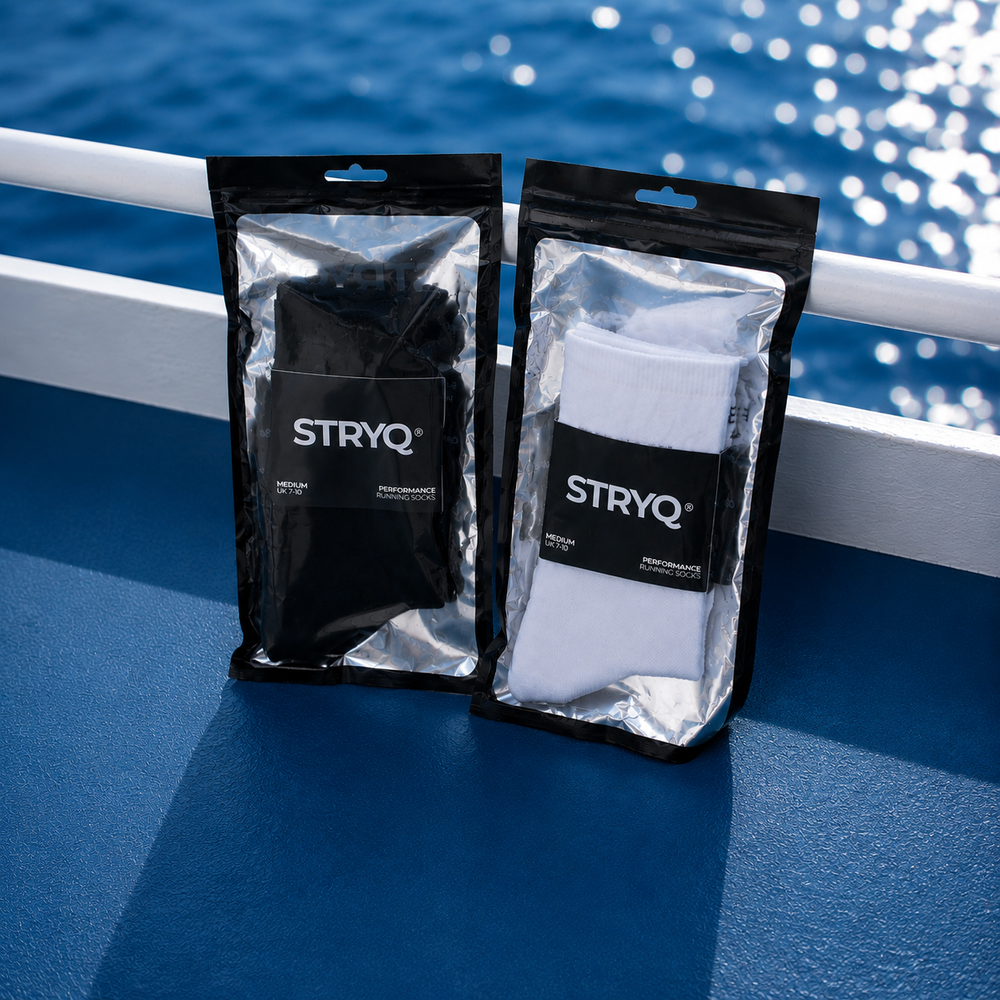
Running socks are often overlooked, yet they are one of the most important pieces of running gear. Good running socks reduce friction, manage moisture and help prevent blisters.
Everyday cotton socks hold sweat and increase rubbing. Technical running socks are designed to move moisture away from the skin and stay in place over long distances.
You can explore the STRYQ running socks collection, which is being developed with durability, fit and comfort as priorities for real runners.
Running Clothing
Moisture wicking tops and shorts or tights help regulate body temperature. Clothing should feel light, breathable and non restrictive. Seams and stitching matter more than style when you run regularly.
Storage and Carrying Essentials
As runs get longer, runners often need to carry keys, phones, gels or water. How you carry those items has a big impact on comfort.
Running Belts
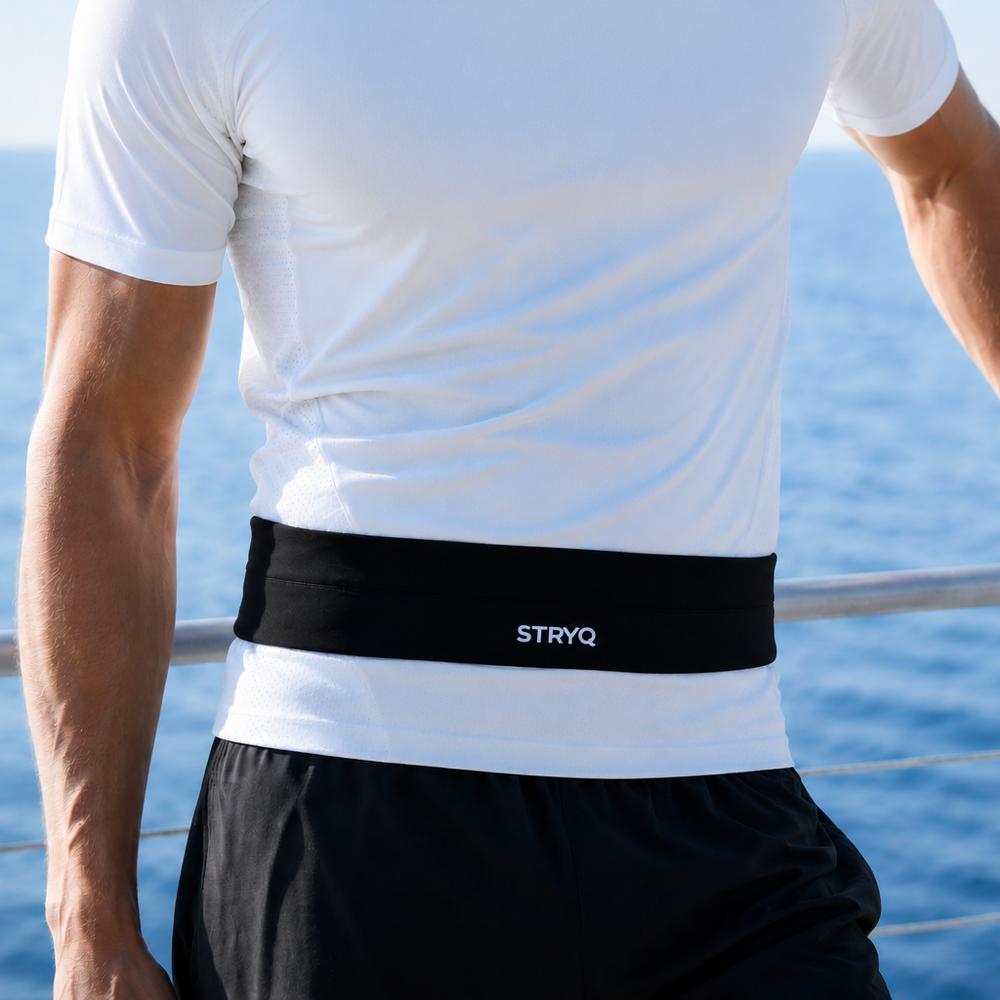
A running belt keeps essentials secure and close to the body. A good belt should not bounce, twist or dig in.
The STRYQ Running Belt is designed to sit flat, minimise movement and stay comfortable even during longer runs.
Running Vests
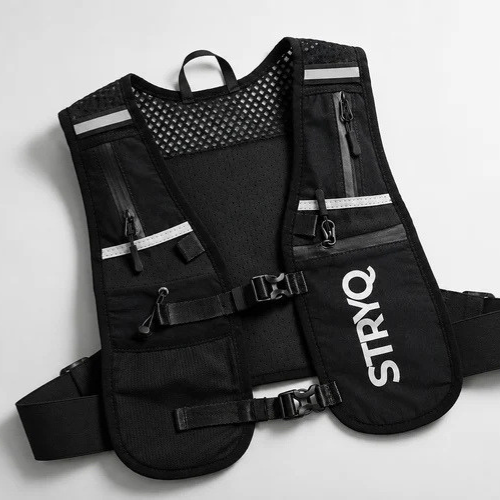
For longer runs, hot conditions or marathon training, running vests offer extra storage and hydration. A well fitted vest spreads weight evenly and avoids pressure points.
The STRYQ Running Vest is designed for comfort and stability, similar in function to options from Salomon, CamelBak, Nathan and Ultimate Direction, but built with everyday runners in mind.

Running Gear for Different Types of Runs
Not every run needs the same setup. Matching running gear to the session helps keep things simple.
Easy Runs
- Comfortable shoes.
- Lightweight running socks.
- Simple clothing suited to the weather.
- A belt only if carrying essentials.
Long Runs
- Well broken in shoes.
- High quality running socks.
- Running belt or vest for fuel and water.
- Clothing tested in training.
Race Day
- Nothing new.
- Gear tested during training.
- Minimal but reliable setup.
Common Running Gear Mistakes
Many running issues come from simple gear mistakes.
- Wearing cotton socks that hold moisture.
- Using belts that bounce or twist.
- Trying new shoes or gear on race day.
- Over layering and overheating.
- Ignoring fit in favour of brand names.
Does Expensive Running Gear Make You Faster
Better gear does not automatically make you faster, but it can make running more comfortable and consistent. Consistency leads to improvement.
The goal of good running gear is not performance gimmicks. It is removing barriers so you can train regularly without discomfort.
Running Gear and Injury Prevention
While no gear can prevent all injuries, poor gear can contribute to problems. Slipping socks, unstable storage and uncomfortable footwear can alter movement patterns and increase strain.
Comfortable, stable gear helps you run naturally and reduces unnecessary stress.
How to Build a Simple Running Gear Setup
You do not need a large collection. A small, reliable setup works best.
- One or two pairs of comfortable running shoes.
- Several pairs of quality running socks.
- A running belt for essentials.
- A running vest if training for longer distances.
- Weather appropriate clothing.
Why STRYQ Focuses on Practical Running Gear
STRYQ running gear is designed around real world use. Every product focuses on comfort, simplicity and reliability.
From the running belt to the running vest and upcoming running socks, the goal is to remove friction so runners can focus on enjoying their training.
When to Upgrade Your Running Gear
If gear causes discomfort, distraction or frustration, it is time to change it. Running should feel challenging physically, not irritating because of equipment.
Small upgrades often have a bigger impact than buying lots of new items.
FAQ
What running gear do beginners really need
Comfortable shoes, technical socks and breathable clothing are enough to start. Storage gear can be added later.
Are running belts better than armbands
Many runners prefer belts because they reduce arm movement and bounce compared to armbands.
Do running socks really make a difference
Yes. Good running socks reduce blisters, manage moisture and improve overall comfort.
How often should I replace running gear
Replace items when comfort or performance drops. Shoes wear out faster than most other gear.