If your running belt is rubbing your skin raw, stop running now, wash the area with mild soap and water, and pat it dry before applying a thin layer of petroleum jelly or an unscented anti-chafe balm. That protects the skin while it heals and stops salt and moisture from making the friction worse.
Two things to do in the next five minutes:
- Take the belt off, rinse or wipe the hot spot clean, and dry it fully.
- Apply a thin barrier balm and, if the skin is broken, loosely cover it before you do anything else.
Beyond first aid, the fix is usually a small adjustment: how the belt sits, what fabric it rubs against, and whether you’ve prepped the skin properly. This guide covers prevention, treatment, and the belt features that stop the problem coming back.
Key Takeaways
Running belt chafing is almost always caused by moisture, micro-shifting, and pressure points rather than the belt itself being the wrong product.
| Point | Details |
|---|---|
| Stop and treat first | If skin is raw, stop running, wash with mild soap and water, and apply a thin barrier balm. |
| Fit before fashion | Position the belt above the hip bones and test tension with a jump test, not a tightness guess. |
| Reapply balm wider | Cover a slightly wider area than your usual hot spot, since sweat shifts the contact line as you run. |
| Retire worn belts | Replace a belt once elastic feels slack or seams feel rough, since degraded fabric reintroduces chafing. |
| Choose belts built for load | The STRYQ Running Belt uses 360° storage and soft-edge elastic to spread pressure and reduce shifting. |
Table of Contents
- What actually causes running belt chafing?
- How do you stop belt chafing before it starts?
- Is your running belt actually fitted correctly?
- What should you wear to stop the belt rubbing?
- Which anti-chafe product should you actually use?
- How do you treat chafing that’s already happened?
- How does STRYQ’s belt design prevent chafing?
- How do you care for a belt so it doesn’t cause chafing again?
- Ready to stop chafing for good? Here’s where to start
- Sources
What actually causes running belt chafing?
Chafing happens when skin gets rubbed repeatedly by fabric, a buckle, or another patch of skin, and sweat makes it worse by washing away the skin’s natural oils and leaving salt crystals behind, which act like fine sandpaper against already-irritated skin. A dry belt against dry skin causes some friction. A wet, salt-crusted belt against damp skin causes a burn.
Most belt chafing isn’t caused by the belt sitting still. It’s caused by the belt moving. Every stride shifts a loaded belt a few millimetres, and that micro-shifting, not raw pressure, is usually what turns a mild rub into a proper hot spot over an hour of running. A belt that lies dead flat and stretches with your torso avoids this far better than one held in place by a rigid buckle, which tends to concentrate all that shifting force into one small point.
Three things typically start the problem:
- Seams and stitching that sit directly over skin rather than clothing, especially on belts with rigid or unfinished edges.
- Buckles and clasps that press into the same spot on every stride because the belt can’t flex around them.
- Overloaded pockets, where a phone, keys, and gels bunch on one side and pull the belt off-centre.
The most common hotspots sit at the lower back where a belt buckle rides, along the hip bones where fabric meets skin directly, and just above the navel where many belts sit slightly too low and catch on shorts waistbands. Recognising which of these three you’re dealing with tells you exactly which fix to try first.
How do you stop belt chafing before it starts?
Prevention beats treatment every time, and it comes down to a short sequence you can run through before you even leave the house.
- Clean and dry the skin. Sweat and yesterday’s deodorant residue increase friction, so start with skin that’s properly washed and dried.
- Apply balm proactively, not reactively. Cover a slightly wider area than your last hot spot, because body movement and sweat shift the contact line as you run, so the rub point at mile 8 often isn’t exactly where it was at mile 1.
- Dress in moisture-wicking fabric. Skip cotton entirely. It holds sweat against skin instead of pulling it away, which is the opposite of what you want under a belt.
- Add a barrier layer. Compression shorts or a longer-inseam short under the belt gives fabric something to grip instead of skin.
- Manage your load. Keep heavier items like your phone centred and low-profile rather than stacked in one pocket, which pulls the belt off-line and concentrates pressure on one hip.
- Sip on a schedule rather than gulping. Steady hydration reduces the salt-crystal build-up that makes skin more abrasive as a run goes on, and it also stops you soaking through a top that then rubs harder.
Pro Tip: Carry a small stick-format balm on runs over 90 minutes. If you feel the first hint of a burn, stop for ten seconds, lift the belt, and reapply directly to the spot before it becomes a proper wound. Ten seconds of prevention here saves you a week of healing later.
Mid-run, the fix is almost always one of two things: reapply balm to the specific spot that’s starting to sting, or rotate the belt slightly so the friction point lands on a different patch of skin or fabric. Both take seconds and both work better the earlier you act.
Is your running belt actually fitted correctly?
A surprising number of chafing complaints trace back to fit, not fabric. Get the position and tension right and half the problem disappears before you’ve touched a single balm.
Start with position. Most runners do better with the belt sitting just above the hip bones rather than riding high on the waist, where natural torso rotation causes more shifting. Try both positions on a short test run and note where you feel the first hint of rubbing. That’s your answer, and it’s specific to your body shape, not a universal rule.
Tension is where most people get it wrong. Overtightening a belt to stop it bouncing is one of the most common mistakes runners make, and it backfires: a too-tight belt digs into skin and restricts the natural expansion of your ribs and stomach as you breathe, which creates a new pressure line exactly where the tightness sits. The right tension is snug enough that the belt doesn’t slide when you jump on the spot, but loose enough that a normal breath doesn’t feel constrained.
Before trusting a belt for race day, run a loaded test. Fill it with what you’ll actually carry, whether that’s a phone, gels, and a soft flask, and do a loop of two to three miles at race pace. Check for hot spots immediately afterwards, then again at the 30 to 60 minute mark on a longer run, since some pressure points build slowly and won’t show up in the first mile.
- Check after the run: red lines, warmth, or tenderness mean the belt needs repositioning or loosening next time.
- If a hot spot appears mid-run, try shifting the belt 1 to 2cm rather than immediately blaming the product.
- The best-tested belts sit flat and spread the load evenly rather than concentrating weight on a buckle or seam.
Pro Tip: If a hot spot keeps returning in the same place, try moving the belt onto a different garment layer entirely, over a seam-free top instead of directly on skin, or over shorts instead of under them. Breaking the contact line often cures a stubborn hotspot faster than any product change. You’ll find a fuller walkthrough of this in our guide to choosing a belt that stays put.
What should you wear to stop the belt rubbing?
The belt itself is only half the equation. What it sits against matters just as much.
Polyester, nylon, and spandex blends move moisture away from skin far more effectively than cotton, and they matter most directly under a belt, where trapped sweat is the single biggest driver of friction. Look for flatlock seams and tagless construction on any top or short the belt will sit against, since a raised seam under belt pressure can cause a hot spot during running.
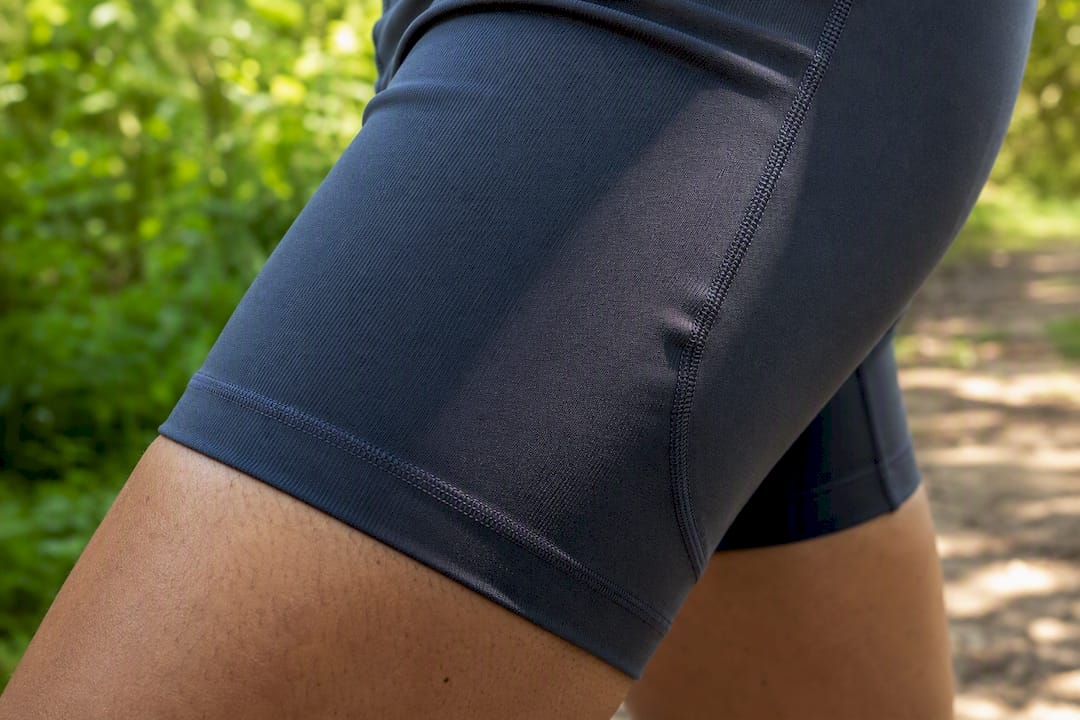
Compression shorts or mid-thigh liners work well as a barrier layer because they give the belt smooth, stable fabric to grip instead of bare skin, and they stay in place better than loose running shorts. A short with a very brief inseam often leaves too much skin exposed exactly where a belt sits low on the hip.
Whether to wear the belt over or under a top depends on the top. Over a technical, seam-free layer, it usually sits better and shifts less. Under a loose or baggy top, it tends to bunch fabric and create folds that rub. In wet or humid weather, this matters more, not less, since damp fabric clings and drags rather than sliding cleanly. Moisture-wicking fabric genuinely earns its place here rather than being a marketing term, since it’s doing the actual job of keeping the belt’s contact surface dry. Our full breakdown of what to wear for maximum comfort covers this in more depth.
Which anti-chafe product should you actually use?
Not all anti-chafe products do the same job, and picking the wrong one for the conditions is a common reason people give up on them entirely.
Petroleum jelly is cheap, widely available, and works well for short runs, but it can wear off during heavy sweating or in wet weather. Dedicated anti-chafe balms, usually stick-format, tend to last longer and resist water better, making them a good choice for long runs or races. Powders have a niche role: they’re good for keeping skin dry in humid conditions but don’t offer the same lasting friction barrier as a balm once you’re properly sweating.
- Petroleum jelly: best for short, low-intensity runs where budget matters more than longevity.
- Stick-format anti-chafe balm: best for long runs, races, and anywhere reapplication needs to be quick and mess-free.
- Powder: best paired with a balm in humid conditions, not as a standalone solution.
Application technique matters more than product choice. Cover an area noticeably wider than your usual sore spot, because the contact line moves as you run, and reapply every hour or so on runs over three hours or in wet conditions, where balm washes off faster. If skin is already broken or irritated, switch to an unscented, hypoallergenic formula, since fragranced products are far more likely to sting or trigger a reaction on compromised skin. Our guide to anti-chafing products breaks down specific formats in more detail.
How do you treat chafing that’s already happened?
If skin is raw, stop running. Continuing on an open or heavily irritated patch delays healing and raises the risk of infection.
- Stop and assess. Check whether skin is red and sore, or actually broken. That distinction decides your next step.
- Wash gently. Clean the area with mild soap and water and pat it dry rather than rubbing, which reopens irritated skin.
- Apply a thin protective layer. Petroleum jelly or an unscented balm soothes the area and reduces further friction while it heals, typically within a couple of days for minor cases.
- Cover if needed. A light dressing protects broken skin from clothing seams while it recovers.
- Watch for infection. Increasing pain, spreading redness, warmth, swelling, or pus are all signs that go beyond ordinary chafing.
Clinical guidance on skin friction injuries consistently points to the same core steps: keep the area clean, dry, and protected until it’s fully healed, and give it the time it needs rather than running through it. If any infection signs appear, or the area isn’t improving after a few days of proper care, see a GP rather than waiting it out.
How does STRYQ’s belt design prevent chafing?
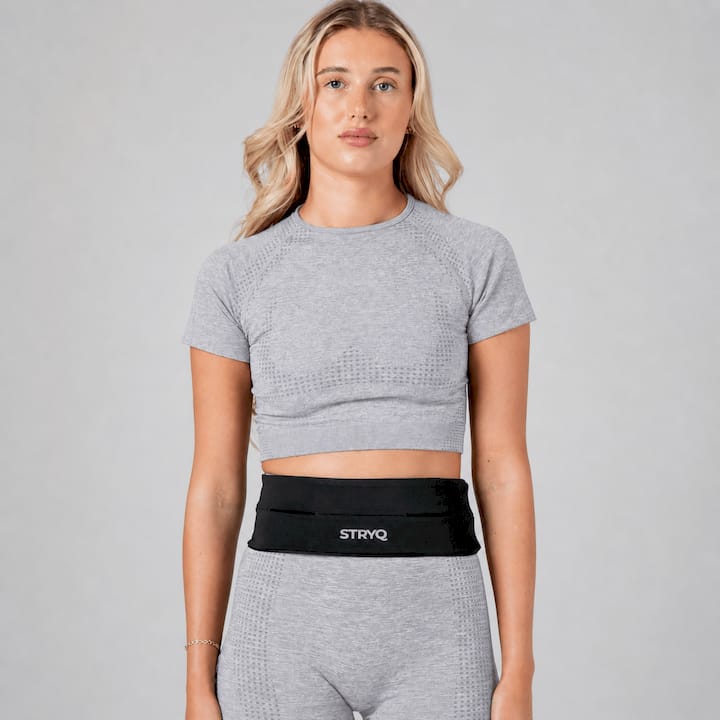
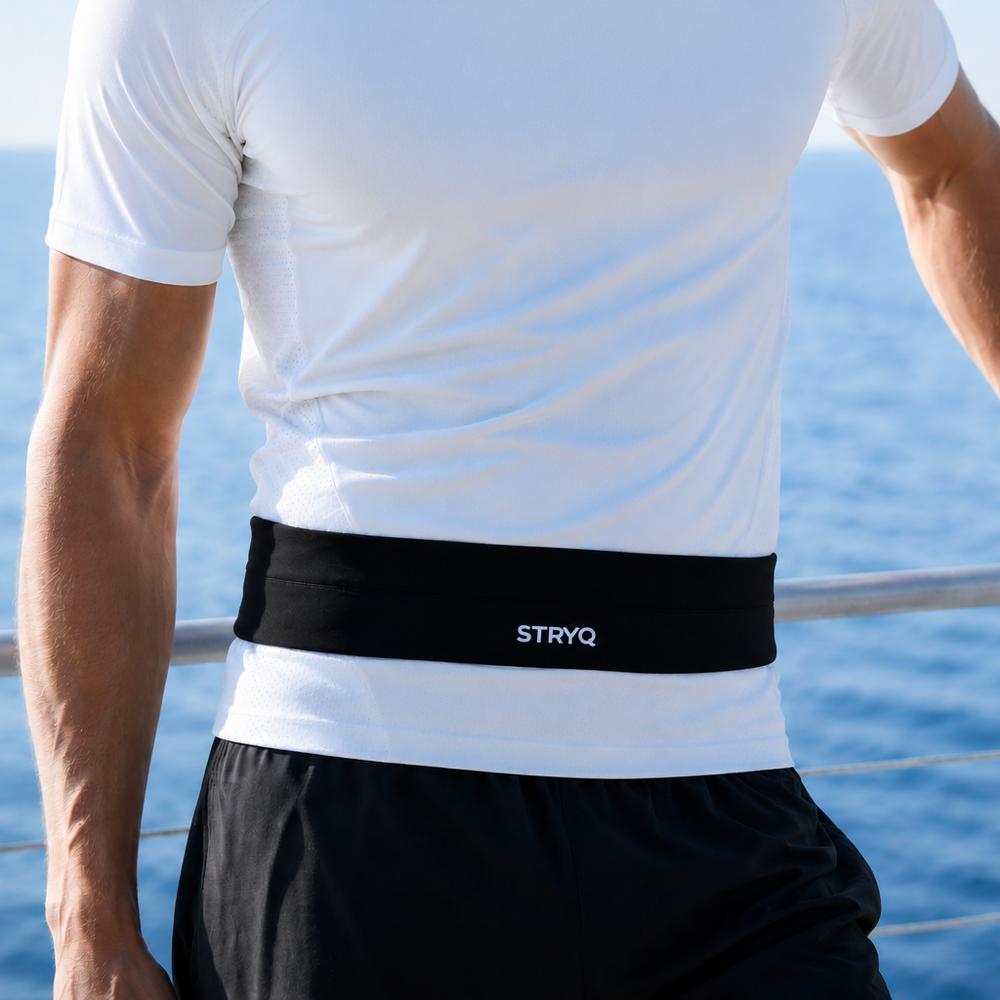
Every fix above points to the same underlying design problem: belts that shift, dig in, or expose raw seams to skin. That’s exactly what the STRYQ Running Belt was built to solve. Its 360° storage layout spreads weight evenly around the waist instead of concentrating it in one pocket, which directly addresses the load-imbalance issue that causes hip-side hot spots. The wide, soft-edge elastic band avoids the rigid buckle problem entirely, since there’s no hard clasp digging into a fixed point on every stride.
Feedback from runners testing early samples flagged exactly the pressure points covered here, seam placement and buckle drag, and those revisions shaped the current design.
- Wide elastic construction spreads pressure across a broad area rather than a narrow strap.
- Soft, seam-minimised edges reduce direct skin contact points.
- Even pocket distribution stops one side pulling heavier than the other.
Pro Tip: Pair the belt with a proactive balm application on your usual hot spot before your first wear, then reassess after a loaded test run. Most fit issues show up in that first outing, not weeks later.
How do you care for a belt so it doesn’t cause chafing again?
A belt that fitted perfectly last year can start causing hot spots without you changing anything about how you wear it. The belt itself has usually degraded.
Rinse sweat and salt out after every run rather than letting it dry into the fabric, since built-up grit is abrasive against skin in exactly the way a fresh belt isn’t. Hand-wash with a mild detergent, skip the tumble dryer, and air dry flat to protect the elastic. Store it loosely rather than folded tightly in a bag, since a tight fold creases the elastic and softens its grip over time.
- Rinse or hand-wash after each use to remove sweat and salt.
- Air dry fully; heat breaks down elastic fibres faster than wear alone.
- Check the elastic’s stretch and the seam edges every few months.
- Replace the belt once elastic feels slack or edges feel rough rather than smooth, since a degraded surface reintroduces chafing even with perfect fit and technique.
A small fix, tested on a bad run
A few miles into a hot half marathon, I noticed a hip hot spot forming exactly where a belt seam sat under a loose vest. Instead of reaching straight for balm, I tried one thing: shifting the belt an inch and swapping which side the phone sat on. The rubbing stopped within half a mile.
The lesson was change one variable at a time. It’s tempting to fix fit, fabric, and balm all at once, but you learn nothing about which one actually worked. Try the sequence in this guide step by step, and you’ll find your specific fix faster than guessing.
Ready to stop chafing for good? Here’s where to start
Stryq is the practical alternative to trial-and-error with balms and belt swaps: instead of guessing which product will stop your next hot spot, the STRYQ Running Belt is built around the exact causes covered in this guide, even load distribution, soft-edge elastic, and no digging buckle.
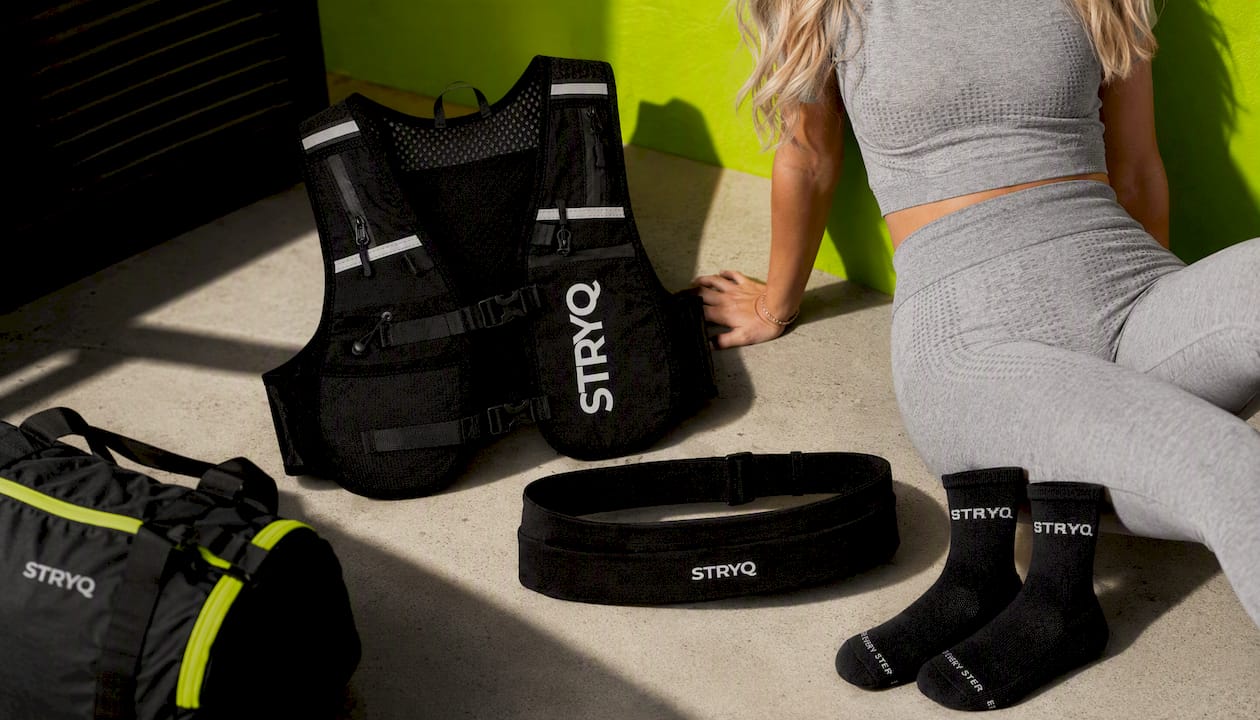
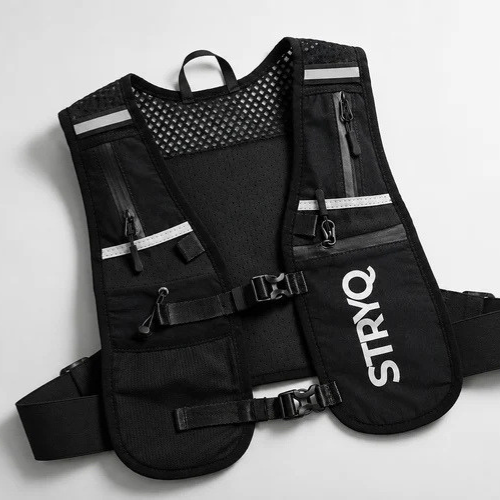
If you’re carrying more than a phone and gels, the STRYQ Hydration Running Vest spreads weight across your shoulders and back instead of your waist, which keeps chafing risk lower on long runs. Pair either with a soft flask rather than a rigid bottle, since a soft flask collapses as it empties instead of bouncing loosely against your hip. For the belt itself, check the full running belt range and pick a size using your natural waistline measurement rather than your usual clothing size, since a snug, correctly-sized belt is the single biggest factor in avoiding pressure-point chafing.
Fit issues happen, so if a belt doesn’t sit right after your first loaded test run, get in touch about sizing before you write the product off.
Sources
- Chafing: Treatment, Prevention, and Causes — Healthline
- Chafing: Causes, Treatment & Prevention — Cleveland Clinic
- Best running belts — BBC Good Food