Yes, soft flasks work in many running belts if the pocket shape and flask size match. A capacity of around 500ml suits longer outings, while 150 to 300ml covers short runs. Check the pocket opening width and the flask’s cap profile before you buy, since mismatches cause most comfort problems.
TL;DR:
- Most running belts can hold soft flasks if the pocket opening accommodates the flask’s cap and widest point; measure before buying to avoid fit issues.
- Flasks between 150 and 300ml suit short runs, 300 to 500ml are better for 60 to 90-minute runs, and 500ml or more are ideal for long or race distances.
- Using two smaller flasks on each hip improves comfort and balance compared to one large flask, especially when the belt is fully filled.
- Selecting a belt with angled, shallow openings, stability features, and a wider backing fabric enhances comfort and reduces bounce during extended runs.
- Regularly check and clean soft flasks after each run, using warm water or denture tablets, to prevent odor and prolong their lifespan.
Table of Contents
- How soft flasks sit in different belt pocket styles
- Choosing flask size for belt use
- Belt features that make soft flasks secure and comfortable
- How to pack and position soft flasks in a belt for minimal bounce
- Care, cleaning and storage for soft flasks kept in belts
- STRYQ perspective: designing a belt around soft flasks
- Materials and durability considerations for belt-carried flasks
- How to choose a soft flask for belt compatibility
- A runner’s quick checklist for using soft flasks in a belt
- How STRYQ can help: a matched belt and flask setup
- FAQ
How soft flasks sit in different belt pocket styles
Belt pockets vary more than most runners expect, and the pocket style decides whether a soft flask rides flat and still or shifts with every stride. Shallow slip-in front pockets hold the flask low and close to the body, which suits short caps and narrow bodies. Deep rear pockets accept taller flasks but can let a half-empty flask flop sideways. External holster pockets expose the cap for quick access but offer less protection against snagging. Angled chest pockets, found on some running belts, reduce bounce by keeping the flask close to the ribcage rather than the hips.
Cap height and valve profile matter as much as pocket depth. A tall, wide-mouthed cap can jam in a pocket cut for a narrow bottle neck, while a low-profile bite valve slides in and out with less resistance. Mouth diameter also affects how quickly you can refill at an aid station or tap, since a narrow opening slows pouring.
Before committing to a belt and flask combination, run through a few checks:
- Measure the pocket opening against the flask’s widest point, including the cap.
- Fill the flask to your usual level and test insertion and removal with one hand.
- Jog for five to ten minutes with the filled flask in place to see whether it shifts or bounces.
Pro Tip: Do the fit check with the flask half full rather than empty, since an empty flask collapses and hides sizing problems that only appear once there’s liquid inside.
Choosing flask size for belt use
Flask size should follow the run, not the other way round. Three capacity bands cover most situations:
- 150 to 300ml: suited to short runs under an hour where you want a sip without carrying extra weight.
- 300 to 500ml: a middle ground for 60 to 90 minute runs, especially in warm weather.
- 500ml and above: useful for long runs or races where refill points are far apart, matching the 500ml default many runners find practical.
Balance often matters more than total volume. Two smaller flasks, one on each hip, tend to sit more comfortably than a single large flask that pulls the belt to one side. This also lets you sip more frequently instead of taking large, less frequent mouthfuls.
Fill level affects how a flask behaves in its pocket, too. A fully topped flask holds its shape and resists sloshing, but it can strain pockets with tight elastic. A half-full flask sloshes more but flexes easily into oddly shaped pockets. Match the fill level to how firm the pocket retention is, and fill fuller when the pocket relies on elastic alone to hold the flask in place.
Belt features that make soft flasks secure and comfortable
The belt itself does most of the work in keeping a soft flask stable, and a handful of features separate a comfortable setup from a bouncy one.
- Pocket cut and opening shape: angled, shallow openings let you insert and remove a flask without unclipping the belt, and they keep the flask tilted against the body rather than standing upright.
- Retention features: elastic lips, internal grippers and zipped security pockets each hold a flask differently, with elastic suiting quick access and zips suiting valuables or spare layers.
- Belt width and backing fabric: a wider belt with a grippy backing spreads the flask’s weight across more of the hip, reducing the point pressure that leads to chafing.
- Stabiliser panels: some belts add a firmer panel behind the pocket to stop the flask twisting as you move, which matters more as flask size increases.
Seam placement near the pocket opening deserves attention too. A seam that sits directly against the flask’s cap can wear through a soft flask’s material over weeks of runs, so look for pockets where the stitching sits away from the contact point.
Pro Tip: If a belt pocket feels tight when empty, it will likely feel tighter still once the flask is filled and warmed by body heat, so size up rather than hope it stretches.
How to pack and position soft flasks in a belt for minimal bounce
A short setup routine before each run saves far more hassle than adjusting mid-stride.
- Trial fit empty: slot the flask into the pocket without liquid to confirm it seats fully and the cap clears the pocket edge.
- Fill partly: add your intended volume and refit, checking that the pocket still closes or retains the flask securely.
- Insert symmetrically: for two-flask setups, mirror the placement on each hip so the belt sits level rather than pulling to one side.
- Do a short jog test: run for a few minutes before heading out properly, watching for bounce, slipping or the cap digging into your hip.
Placement affects comfort as much as fit. Front pockets keep flasks in view and easy to reach but can press against the stomach when you bend forward. Rear pockets stay out of the way but make mid-run access harder without stopping. For single-flask setups, centring the weight rather than carrying everything on one hip helps the belt stay level.
On the run itself, keep the cap facing a consistent direction so you can find it without looking, avoid overfilling pockets that are already a tight fit, and loosen or retighten the belt slightly if a flask starts to shift rather than waiting until it becomes a distraction.
Care, cleaning and storage for soft flasks kept in belts
Soft flasks sit against warm skin for long periods, which makes cleaning routine rather than optional.
- Rinse the flask immediately after each run, even a short one, to stop residue drying inside the valve.
- Wash with warm soapy water every few uses and air-dry fully before storing.
- For a deeper clean, denture tablets dissolved in water loosen stubborn residue, and a mild bleach dip can help if the manufacturer’s instructions specifically allow it.
- Open the valve fully and hang the flask to dry rather than sealing it damp, since trapped moisture encourages odour and mould.
Remove flasks from belt pockets between runs rather than leaving them zipped away damp. A pocket that never gets air circulation becomes the main source of lingering smells, and a soft flask cleaning routine that includes full drying extends the usable life of the flask considerably.
STRYQ perspective: designing a belt around soft flasks
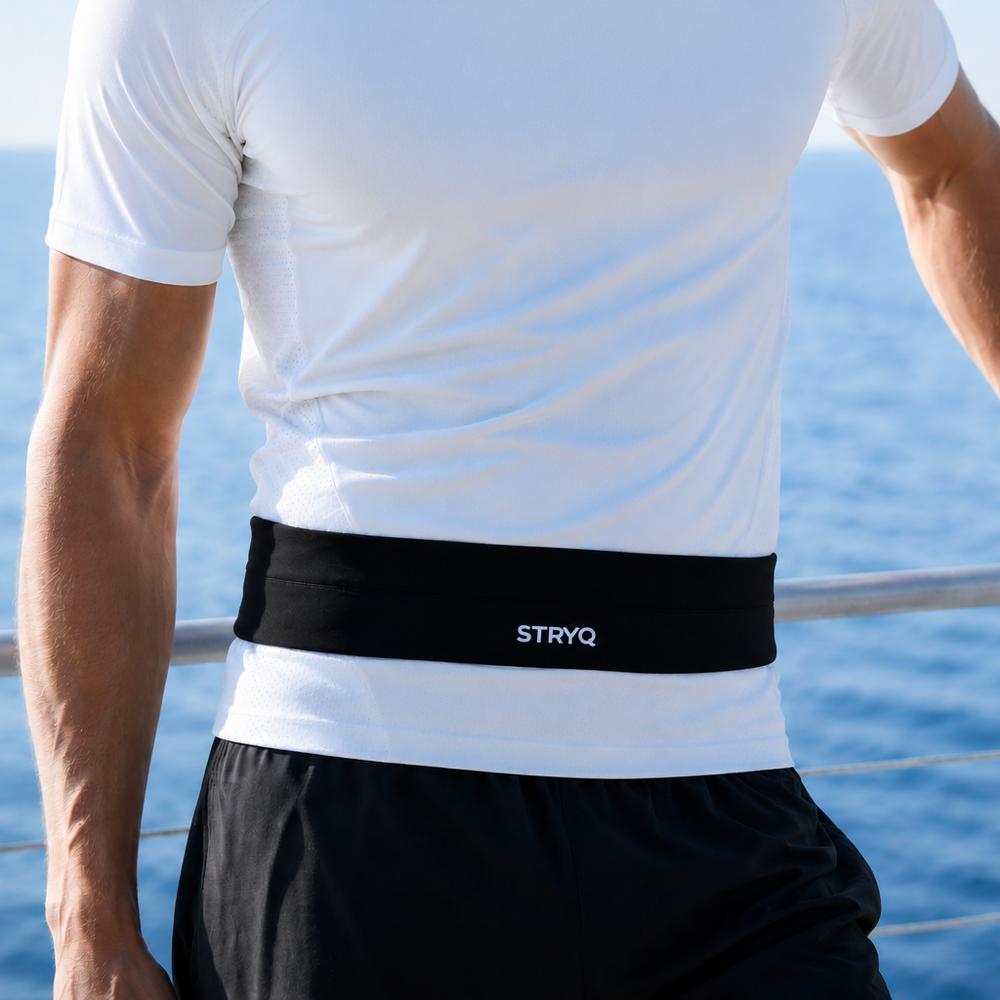
We built our running belt pockets around the shape of a filled soft flask rather than an empty one, because that’s the state the flask spends most of a run in. Pocket depth, opening angle and cap clearance all come from runner feedback on where flasks typically pinched, bounced or dug in.
A flask that fits empty but fights you when full isn’t a fit problem you can run through. It’s a pocket problem.
The cap profile on our 500ml running soft flask stays low enough to clear most belt pocket openings without catching, and the body flexes flat against the hip rather than standing proud. Runner feedback through testing pointed to reduced bounce and easier one-handed access as the two things that mattered most once a flask was actually moving with the body, not sitting still on a bench.
Pro Tip: Whatever belt you use, try the flask in the pocket at the fill level you’ll actually run with, since a flask that performs well half-empty on a shop counter can behave very differently full and warm on the road.
None of this requires our belt specifically. The same checks (pocket opening against cap width, a short jog test, symmetrical loading) apply to any running belt on the market.
— martin
Materials and durability considerations for belt-carried flasks
Soft flasks for belt use typically rely on flexible TPU or similar polymer bodies that collapse as they empty, rather than rigid plastics. That flexibility is what lets them fold into pockets a hard bottle never would, but it also means the material takes more wear from repeated friction against pocket seams and elastic edges.
Cap and valve components tend to be the first parts to show wear, since they’re handled every refill and exposed to grit if dropped. A flask with a reinforced cap seat lasts longer under belt use than one with a thin, single-layer seam at that joint.
Repeated folding along the same crease, which happens naturally as a flask empties inside a tight pocket, can eventually weaken the material at that line. Rotating which way you fold the flask when it’s empty, rather than always creasing it the same way, spreads that wear out over a longer period. Checking for small punctures or cloudiness in the material every few weeks catches problems before a flask fails mid-run.

How to choose a soft flask for belt compatibility
Matching a flask to a belt starts with the pocket opening, not the flask’s advertised capacity. Measure the narrowest point the flask must pass through, including the cap, and compare it against the flask’s folded width when half full.

Running style matters too. Runners who sip often and refill at aid stations benefit from a lower-profile cap that’s quick to open one-handed, while those who fill once and run long distances without refilling can prioritise a slightly larger capacity over quick access. A flask designed with a low, flat cap and a body that compresses evenly, such as our 500ml running soft flask, tends to suit most belt pockets without the trial-and-error that taller, rigid-capped flasks often need.
If you already own a belt, test any flask you’re considering in that specific belt before committing to a size or brand, since pocket dimensions vary enough between belts that a flask praised for one model can still fit poorly in another.
A runner’s quick checklist for using soft flasks in a belt
Run through this before heading out:
- Pocket opening clears the flask’s cap and widest point.
- Flask sits flat against the hip rather than standing proud.
- Two-flask setups are loaded symmetrically, left and right.
- Pockets aren’t overfilled to the point of straining the elastic.
- A short jog confirms no bounce, no digging, no chafing before you commit to the full distance.
How STRYQ can help: a matched belt and flask setup
We pair our STRYQ running belt with our 500ml running soft flask because the pocket geometry and the flask’s low-profile cap were developed around each other, not fitted together afterwards.

- Pockets cut to the flask’s filled shape, not just its empty outline.
- A cap profile low enough to clear tight pocket openings without catching.
- A belt width that spreads flask weight across the hip rather than one point.
Browse the running belt and the wider running gear collection to find a setup that matches your usual distance and pocket preference.
FAQ
Can you fit a soft flask in a running belt?
Most running belts accept a soft flask as long as the pocket opening clears the flask’s cap and folded width. Measuring the pocket against your chosen flask before buying either item avoids the most common fit problems.
What size soft flask suits a running belt?
Shorter runs under an hour suit 150 to 300ml flasks, while 60 to 90 minute runs often call for 300 to 500ml. Longer runs or races with sparse refill points suit 500ml or above.
Are soft flasks worth it compared with hard bottles?
Soft flasks collapse as they empty, which keeps them from rattling or standing proud in a belt pocket the way a rigid bottle can. They trade some structural rigidity for pocket flexibility, which suits belt carrying better than carrying by hand.
Where should you put a soft flask when running?
Front pockets keep a flask visible and easy to reach but can press against the stomach when bending forward, while rear pockets stay out of the way but are harder to access mid-run. For single-flask setups, centring the weight rather than loading one hip keeps the belt level.
Should you choose a belt or a hydration vest for soft flasks?
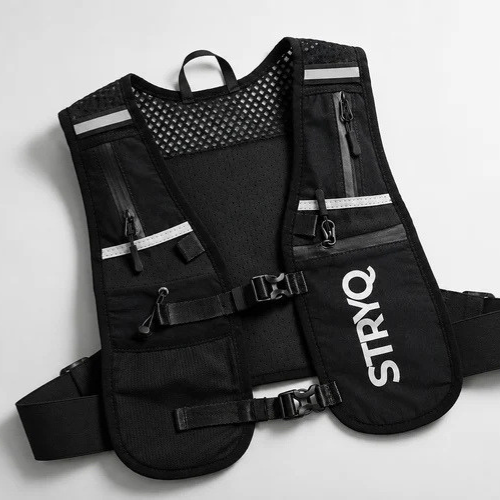
A belt suits shorter runs or smaller flask capacities where low bounce and quick access matter most, while a vest distributes weight across the shoulders for longer runs or larger volumes. Our comparison of belts and vests covers which fits different running styles.