A gel that works brilliantly for your clubmate can leave you with stomach cramps by mile eight. That is why running nutrition trends 2026 are moving away from copying somebody else’s plan and towards fuelling that works for your pace, sweat rate, race distance and gut.
The basics have not changed. Carbohydrate still powers hard running. Fluid still matters. Protein still supports recovery. What is changing is how runners apply those basics. The most useful trends are less about fancy ingredients and more about making race-day fuelling predictable.
Running nutrition trends 2026: personalised, but practical
Personalised nutrition is everywhere, from sweat tests to glucose monitors and nutrition apps. Some of these tools can be useful, particularly for runners training for marathons, ultras or multi-day events. But they are not a requirement for better running.
For most people, the practical version of personalisation is simpler. Notice what you eat before a run, how much carbohydrate you take during longer sessions, how you feel afterwards and what happens in different weather. Keep the variables manageable. Test one change at a time rather than changing your breakfast, gels, drink and pace all in one long run.
Your needs also shift with the session. A relaxed 30-minute run does not need the same plan as a hilly two-hour long run. Training early in the morning, running after work, and racing on a warm day can all feel different. The aim is not to create a perfect spreadsheet. It is to build a repeatable routine that leaves you with enough energy to run well.
Carbohydrates are back in the spotlight
The old idea that runners should regularly train low on carbohydrate is losing ground. There can be niche reasons for experienced athletes to use lower-fuel sessions, but under-fuelling is far more common than over-fuelling among everyday runners.
For runs lasting more than around 75 to 90 minutes, taking carbohydrate during the session can protect pace and concentration. Many runners begin with 30 to 45 grams per hour and build from there. Marathon runners aiming for a stronger finish may gradually practise higher intakes, often 60 grams per hour or more, if their stomach tolerates it.
This does not mean forcing down gels because a chart says so. Chews, sports drink, bananas, dates and other easy-to-carry options can all play a part. What matters is the amount you can take consistently while moving. Check the label, as one gel may contain 20 grams of carbohydrate while another contains 40 grams.
The trend is towards mixed carbohydrate sources too. Products combining glucose-based carbohydrates with fructose can allow higher intake for some runners. It is useful for long races, but it still needs practice. More carbohydrate is not automatically better if it makes you feel bloated or sends you hunting for the nearest toilet.
Gut training is becoming part of marathon training
Your gut can be trained, just like your legs. That may be the most valuable nutrition lesson for runners in 2026.
If you plan to use gels every 30 minutes in a marathon, do that in selected long runs. If a race offers a particular sports drink, try it beforehand if possible. If you struggle to eat early in the morning, rehearse a smaller pre-run meal rather than turning up to the start line hoping adrenaline will sort it out.
Start with a familiar, low-fibre meal two to three hours before a demanding run. Porridge with banana, toast with jam, a bagel or cereal may work well, depending on the runner. Higher-fat and high-fibre foods are nutritious in daily life but can sit heavily before faster running. There is no prize for eating the most virtuous breakfast on race morning. Eat the breakfast that you know you can run on.
For a short, easy run, a full meal may not be necessary. For intervals, a long run or a race, arriving under-fuelled can make the session feel harder than it needs to. A banana, toast, a cereal bar or a small sports drink is often enough to bridge the gap when time is tight.
Hydration is becoming less one-size-fits-all
“Drink to thirst” remains reasonable advice for many everyday runs, especially in cool UK conditions. But it can be too vague for runners spending several hours on the road, trail or race course.
Sweat loss varies widely. A runner in February may need very little beyond a drink before and after their run. The same runner in a humid July half marathon may need regular fluid and electrolytes. Heavy sweaters, salty sweaters and runners prone to cramp or headaches may benefit from paying closer attention to sodium, but not everyone needs high-strength electrolyte drinks on every run.
A simple check is to weigh yourself before and after an occasional long run, without deliberately drinking extra to influence the result. It gives a rough picture of how much fluid you lose in those conditions. Do not obsess over replacing every millilitre. Use the information to plan sensible access to fluid and avoid finishing severely dehydrated.
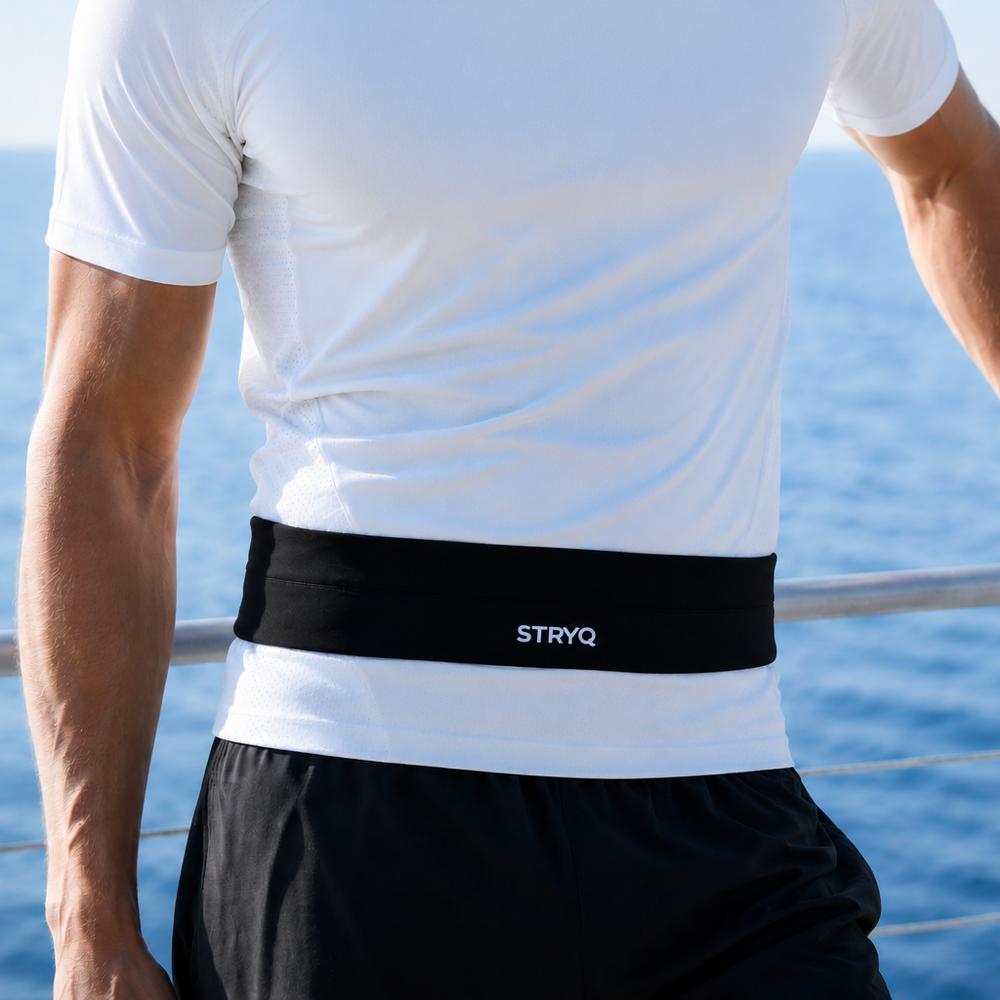
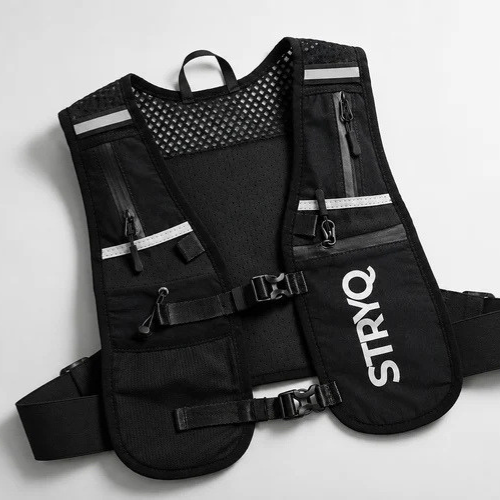
Carrying your own drink makes this easier when water stops are sparse or you do not want to rely on a race cup. A secure belt or hydration vest can keep soft flasks, gels and salt tablets close without pockets bouncing around. The best setup is the one you barely notice after the first mile.
Real food is useful, but convenience still wins sometimes
Another of the more sensible running nutrition trends in 2026 is a move towards fewer unnecessary ingredients and more familiar food. On easy long runs, some runners prefer flapjack pieces, boiled potatoes, banana or small sandwiches over a pocket full of sweet gels. For ultras, savoury food can be particularly welcome after hours of sugary flavour.
There is a trade-off. Real food can be satisfying and affordable, but it is often bulkier, slower to chew and harder to digest at race pace. Gels and drink mixes exist for a reason: they deliver carbohydrate quickly and are easy to carry. You do not need to choose one camp. Use what suits the distance, intensity and logistics.
It is also worth looking beyond the run itself. Regular meals containing carbohydrates, protein, fruit, vegetables and enough overall energy do more for recovery than any single post-run product. A recovery shake can be convenient when you are travelling home from a long event, but beans on toast, yoghurt and fruit, eggs on toast, or a normal evening meal can do the job just as well.
Protein has a supporting role, not the starring one
High-protein snacks are still popular, but runners should not let protein crowd out carbohydrates. After a hard session, both matter. Protein helps muscle repair, while carbohydrate replenishes the fuel stores used during running.
A practical target is to include a source of protein in meals across the day rather than trying to cram it all into one large shake. The exact amount depends on body size, training load and the rest of your diet. If you are increasing mileage, feeling unusually tired or always hungry, the bigger issue may be that you are not eating enough overall.
Be careful with supplement promises
Caffeine remains one of the few supplements with a clear place in endurance running for many people. Used carefully, it can improve alertness and make hard effort feel more manageable. But it can also raise anxiety, disrupt sleep and upset your stomach. The right dose is individual, and a late-afternoon race is not the time to discover that caffeine keeps you awake until 3am.
Beetroot juice and nitrate products are also still used by some runners, particularly before shorter races and hard efforts. Results vary, and the unpleasant taste or digestive effect is not worth ignoring. Iron, vitamin D and other supplements should be based on a genuine need, ideally discussed with a qualified healthcare professional after appropriate testing.
Be especially sceptical of products claiming to melt fat, prevent every cramp or replace proper meals. Consistent fuelling, sensible training and sleep are not exciting marketing messages. They are still the foundations.
Build a fuelling plan you can actually follow
A useful plan fits in your pockets, survives the weather and does not demand mental arithmetic when you are tired. Work out where your fluids and fuel will sit before the run. Open gels at home if the packaging is awkward. Practise taking them on hills, in the rain and when your breathing is hard.
For a first half marathon, that might mean one familiar breakfast, water when you need it, and a couple of gels tested on long runs. For a marathon, it may mean planned carbohydrate every 25 to 30 minutes, fluid carried or collected at known points, and a backup option in case something is dropped.
The best nutrition trend is the one that makes your running feel simpler. Start small, rehearse it often, and let your long runs teach you what your body needs before the race asks the question.