A first parkrun is usually less about chasing a time and more about getting out of the door without feeling flustered. The best parkrun essentials beginners need are simple: comfortable kit, a way to carry the few things that matter, and a plan for the weather. You do not need to look like a seasoned racer to enjoy a Saturday morning 5K.
Parkrun is free, welcoming and built around participation. You can run, jog, walk or mix all three. The right gear will not make the miles disappear, but it can prevent the small annoyances that distract from the experience - rubbing socks, a bouncing phone or feeling cold before the start.
Best parkrun essentials beginners should bring
1. Comfortable running shoes
Your running shoes are the one item worth getting right. They do not need to be expensive or carbon-plated, but they should feel comfortable from the first few minutes. There should be enough room at the front for your toes, particularly if your feet swell slightly while running.
For most first-time parkrunners, a standard road running shoe is a sensible choice. Many UK courses are on tarmac, compact paths or grass. If your local route is regularly muddy, has uneven trails or is prone to wet leaves, a trail shoe with more grip may be useful. Check the course description and recent updates before you go, rather than buying footwear for one damp Saturday.
Avoid turning up in a brand-new pair that you have never worn. Use them for a few short runs first. A shoe that feels fine walking around the house can still rub when you run 5K.
2. Running socks that stay put
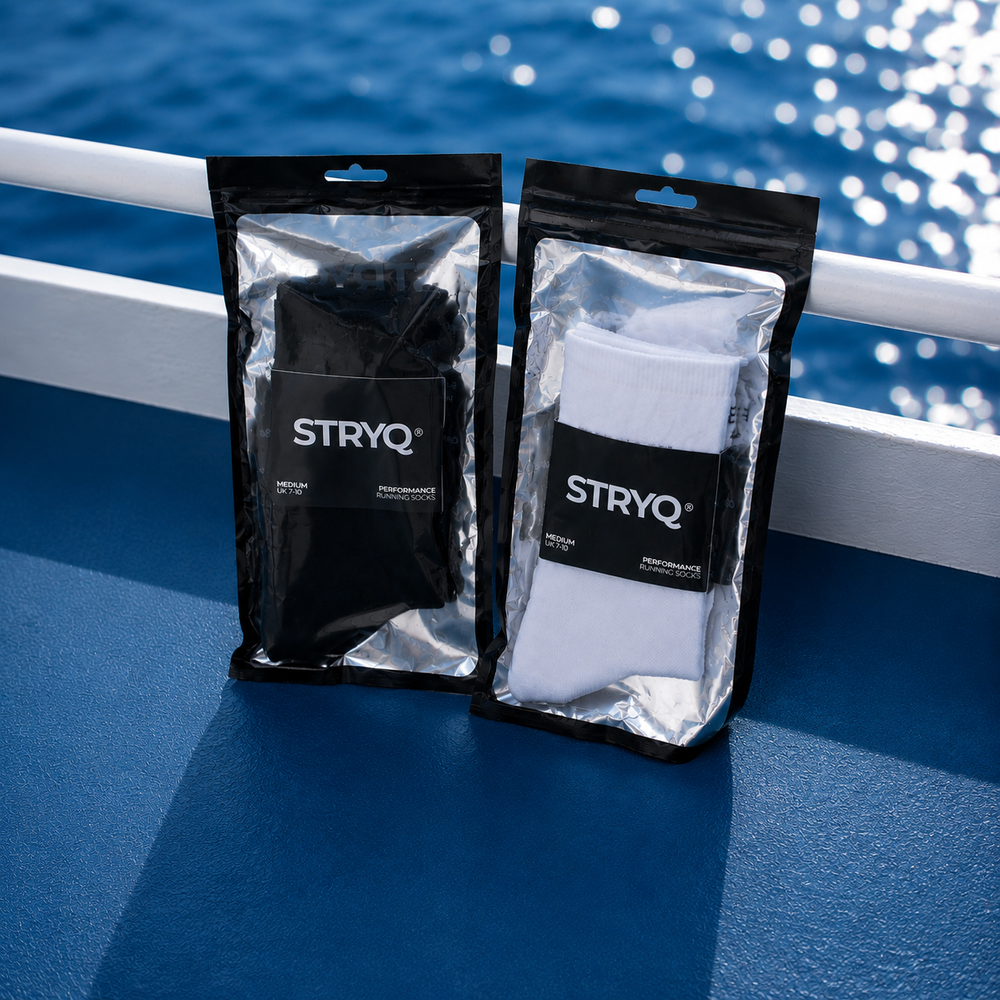
Socks can seem like a minor detail until a seam rubs halfway round the course. Choose running socks that fit closely, manage moisture and do not slide down inside the shoe. Cotton holds sweat and can become uncomfortable, especially in wet weather. Technical running socks are the more practical option.
If you are prone to blisters, test your socks on a couple of training runs. Some runners prefer thin socks for a closer fit; others need a little more cushioning. There is no universal best choice, but there is a clear rule: do not save untested socks for your first parkrun.
3. Layers you can adjust
British parkrun mornings can begin cold, breezy or drizzly, then feel completely different once you are moving. A lightweight technical T-shirt or long-sleeve top is usually enough as your base layer. Add a light running jacket or quarter-zip when the temperature drops.
Try not to overdress. You should feel slightly cool when standing still, because you will warm up quickly. A breathable outer layer is more useful than a heavy hoodie that becomes clammy after the first kilometre.
For winter, gloves and a thin hat are often more helpful than an extra thick top. They are easy to remove and tuck into a belt or pocket once you warm up. In summer, consider a cap and sunscreen if the course is exposed. The weather forecast matters, but so does the wind and how much of the route is sheltered.
4. A secure running belt for your essentials
You may only need a phone, keys and your parkrun barcode, but carrying them badly can spoil a run. Loose jacket pockets bounce. Handheld keys are irritating. A phone wedged into leggings can slowly work its way down.
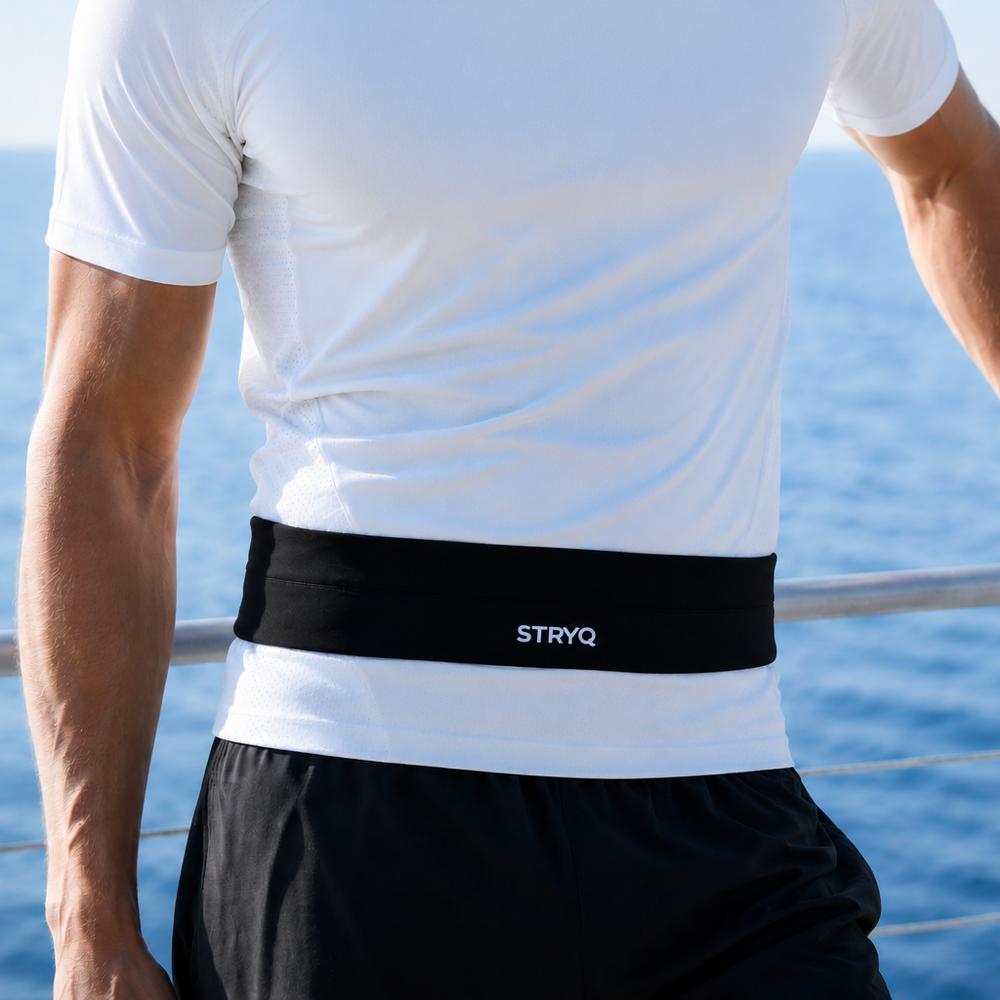
A close-fitting running belt keeps those essentials stable against your body without adding bulk. Look for a fit that sits securely around your waist, with enough space for your phone and keys, and ideally a separate section or secure attachment for keys. No bounce. No need to keep checking that something is about to fall out.
If you run regularly and prefer a belt over pockets, STRYQ running belts are designed around this exact problem: carrying everyday essentials securely while keeping your stride unrestricted. For parkrun, keep the load light. The aim is to forget it is there.
5. Your phone, keys and barcode
Parkrun uses a personal barcode to record your result. You can use the official digital barcode on your phone, or carry a printed version. Save it somewhere easy to access before leaving home. A screenshot is useful if mobile signal is poor or your battery is low.
Your phone is worth taking if you are travelling alone, need to coordinate with someone afterwards or simply want a photo at the finish. Put it in a secure belt or zipped pocket rather than holding it throughout the run. Take only the keys you need and leave valuables at home where possible.
Check the specific event's information before you go. Parking, toilets, bag storage and start locations vary from course to course. A few minutes of preparation avoids a rushed arrival.
6. Water, but only when it makes sense
You do not usually need to carry water for a 5K, particularly in cool conditions. If you are well hydrated through the day before and have had a drink with breakfast, you will be fine for most parkruns. Drinking too much just before the start can leave you uncomfortable.
There are exceptions. On a hot morning, if you are returning to exercise, taking medication, or know you get thirsty quickly, a small soft flask can be reassuring. A lightweight handheld flask or belt that holds a small bottle is enough. You do not need a full hydration vest for a typical 5K.
Finish-line refreshments and water availability vary by event, so bring a drink for afterwards if you are driving or have a journey home. This is especially useful if you plan to stay for a coffee and chat.
7. A simple pre-run snack
For an early 5K, a full meal is not essential. What matters is arriving without feeling hungry or overfull. A banana, a piece of toast, a small bowl of cereal or a yoghurt an hour or two beforehand works well for many runners.
It depends on when you normally eat and how your stomach reacts to running. If you are used to running before breakfast, do not force down food because it is parkrun day. Equally, do not test a strong coffee, energy drink or unfamiliar gel for the first time. A 5K does not require mid-run fuel, and simple is nearly always better.
8. Something warm for after the finish
The first few minutes after stopping are when you notice the cold. Pack a dry layer, warm coat or jumper for afterwards, especially between autumn and spring. This matters if you are volunteering, waiting for friends or joining the post-run café crowd.
If you have run in rain or mud, spare socks and a towel in the car can make the journey home much more pleasant. It is not glamorous, but it is one of those small habits that makes running easier to repeat next week.
What beginners can leave at home
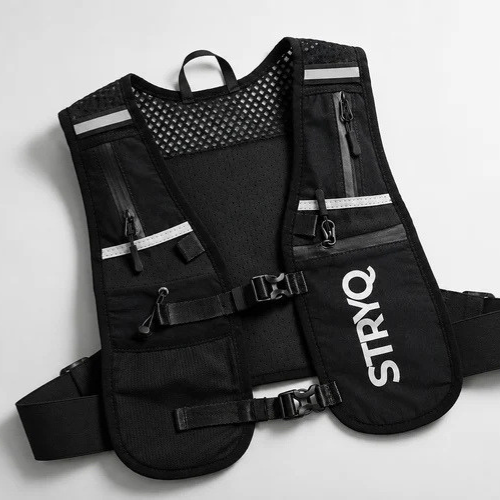
It is easy to overpack when an event feels important. For a first parkrun, you can leave the race vest, gels, large water bladder, expensive watch and complicated training kit at home. Your time will be recorded through your barcode, but there is no pressure to track every split.
A watch can be useful if you want to avoid starting too fast, yet it is not required. If you do use one, consider hiding the pace screen and running by effort. Your first goal is to finish feeling like you could come back, not to prove anything in the opening kilometre.
A five-minute parkrun check before you leave
Set your kit out the night before, then give yourself one quick check in the morning:
- Comfortable shoes and tested socks
- Appropriate layer for the forecast
- Barcode saved or packed
- Phone and keys in a secure belt or pocket
- Drink and warm layer ready for afterwards
Your first parkrun kit does not need to be perfect. It just needs to let you move comfortably, carry what you need and enjoy the finish. Start simple, notice what annoyed you, then adjust one thing for next Saturday. That is how useful running kit earns its place.