The finish line is not where marathon preparation stops. Once the photos are taken and the medal is off, getting downstairs, sleeping comfortably and keeping on top of fluids become the real challenges. The best marathon recovery accessories will not erase muscle soreness, but they can make the first few days after 26.2 miles far more manageable.
Recovery does not need a trolley full of expensive kit. The most useful accessories solve clear problems: tight calves, tender feet, stiff hips, thirst, and the temptation to spend the rest of Sunday completely still. Choose tools you will genuinely use, rather than buying every gadget recommended by a runner on social media.
Start with the recovery basics
Accessories work best alongside the fundamentals. Eat a proper meal with carbohydrate and protein when your stomach is ready. Keep drinking regularly, especially if it was a warm race or you finished with salt marks on your kit. Sleep as much as practical, and keep moving gently rather than trying to lie still for 48 hours.
There is no prize for forcing a painful stretch or aggressively rolling bruised-feeling legs on race day. Your body has absorbed thousands of impacts. Treat it accordingly. The aim is comfort and gradual return to normal movement, not a quick fix that gets you running again before you are ready.
The best marathon recovery accessories for sore legs
Compression socks or calf sleeves
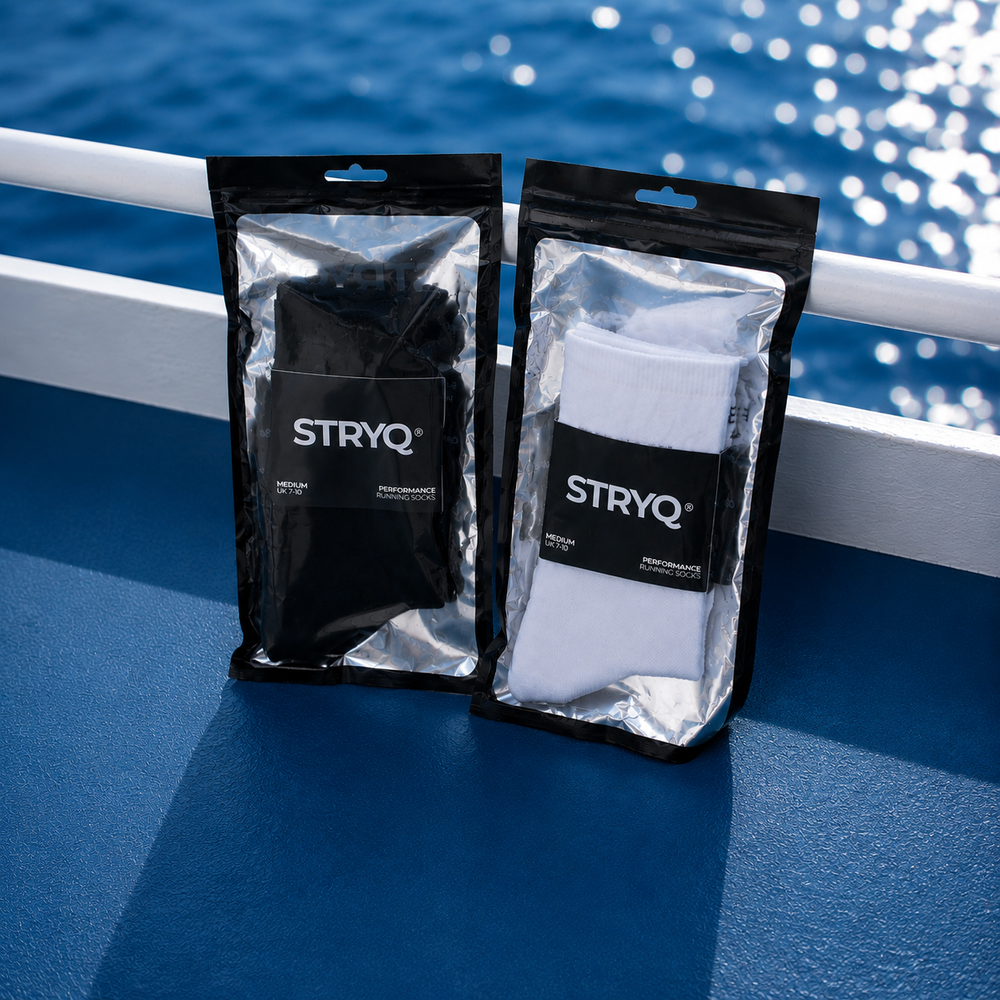
A clean pair of graduated compression socks is one of the simplest things to pack in your post-race bag. They can feel supportive when your calves and lower legs are tired, particularly during the journey home or when you are sitting for long periods afterwards.
Fit matters more than brand claims. Socks should feel close and secure without pinching behind the knee, numbing your toes or leaving deep marks at the top. Some runners like to wear them for a few hours after the race or the following day. Others find them too warm or restrictive. If that is you, normal soft socks and regular gentle walks are a perfectly reasonable alternative.
A foam roller
A foam roller is useful once the initial tenderness has settled, usually later on race day or the next day. It gives you an easy way to work through tight quads, calves, glutes and upper back without needing an appointment or a complicated routine.
Keep the pressure controlled. Roll slowly for a short time and pause where a muscle feels tight, but avoid grinding into sharp pain. Rolling directly over joints, the front of the knee, or an area that is swollen and hot is not helpful. A medium-density roller suits most runners better than an extra-hard model, which can turn recovery into something you dread.
Massage ball
A small massage ball reaches places a roller cannot. It is especially handy for the soles of the feet, glutes, calves and the area around the shoulder blades. It takes up hardly any room in a kit bag, so it is a good option if you are travelling by train or staying in a hotel after a big city marathon.
For tired feet, roll the ball gently under the arch while seated. You are looking for relief, not punishment. If your foot pain is sharp, localised, worsening, or changes how you walk, stop treating it as ordinary post-race soreness and get advice from a qualified clinician.
A percussion massager
A percussion massager can be a useful comfort tool for runners who know they will use it regularly. The appeal is obvious: it is quick, targeted and easier on the hands than self-massage. Use a low setting over larger muscles such as quads, hamstrings, calves and glutes.
It is also the accessory most likely to be overused. More force is not more recovery. Avoid bony areas, varicose veins, numb skin, acute injuries and any part of the leg that is swollen or unusually painful. A basic model is enough for most runners. You do not need the most powerful device on the market to loosen up after a marathon.
An ice pack or reusable cold wrap
Cold can feel good on a specific niggle after a long run, especially if an area feels irritated or puffy. A reusable cold wrap is less messy than balancing a bag of frozen peas on your ankle, and it is worth having ready in the freezer before race weekend.
Use it for comfort, with a cloth between the pack and your skin, rather than expecting it to repair damaged tissue. Short sessions are sensible. If you have severe swelling, cannot bear weight, or suspect an injury beyond normal muscle ache, skip the home treatment and seek medical guidance.
Supportive recovery footwear
Your race shoes may be brilliant for 26.2 miles, but they are not always what your feet want afterwards. Comfortable sliders, cushioned sandals or supportive trainers make a bigger difference than many runners expect when walking back to the car, around the hotel or downstairs for breakfast.
Choose footwear with a secure sole and enough room for feet that may be swollen. Avoid loose flip-flops if you are unsteady, and do not wear anything that rubs against blisters. Pack them in your finish-line bag before the race. Trying to squeeze sore feet into smart shoes is an avoidable post-marathon mistake.
Hydration accessories still matter after the finish
Most marathon finish areas offer water, but the journey home can be long and busy. A reusable soft flask or bottle makes it easier to keep sipping without carrying a bulky bottle all day. If you have trained with electrolytes, using the same drink after the race can be more appealing than plain water alone.
There is no need to force litres of fluid quickly. Drink to thirst, have something salty with food if it suits you, and aim for pale urine over the rest of the day. A leak-free flask is practical here. It saves you from hunting for a shop when you are tired and does not add unnecessary bulk to your bag. STRYQ soft flasks are designed for runners who want hydration that is easy to carry before, during and after the miles.
Build a recovery bag before race weekend
The best time to organise recovery accessories is not when you are limping through your front door. Put your post-race kit in a small bag the day before. Include comfortable footwear, dry socks, a warm layer, your preferred drink, a snack you know sits well, and one or two recovery tools you actually use.
Keep it simple. A foam roller is useful at home but unrealistic if you are flying with hand luggage. A massage ball and compression socks travel much better. If you are staying away overnight, a cold wrap may be less practical than a hotel shower and a short walk the following morning. Match the kit to your plans, not an idealised recovery routine.
Use accessories to support movement, not avoid it
A gentle ten-minute walk later on race day, followed by another easy walk the next day, often does more for stiffness than staying on the sofa all weekend. Wear supportive footwear, use the compression or massage tools that feel good, and let your legs dictate the pace.
Hold off on hard stretching, speed sessions and “testing the legs” runs. Many runners feel surprisingly good two or three days after a marathon, then discover fatigue has not gone away. Easy movement, good meals and patience are more useful than chasing a timetable.
The right accessory is the one that removes a small barrier to recovery: shoes that make walking easier, a flask that helps you drink, or a roller you will use for five calm minutes. Pack those, listen to your body, and give the marathon the recovery time it has earned.