The gel that looked fine in your kitchen can feel very different at mile 16. Race nutrition is not about finding a magic product or copying what a faster runner eats. A good race nutrition guide helps you arrive fuelled, drink enough, and use familiar food and fuel without upsetting your stomach.
The best plan is usually the simplest one you have practised. Your race pace, distance, weather, access to water and personal sweat rate all matter. So does your ability to carry what you need comfortably. No bounce. No bulk. Just a plan that lets you focus on running.
Race Nutrition Guide: Start With Your Distance
A 5K and a marathon do not need the same nutrition strategy. Trying to fuel a short race like an ultra can leave you feeling heavy. Under-fuelling a long race can turn a strong start into a difficult final third.
For a 5K, most runners only need a normal, familiar meal two to three hours before the start. Toast, porridge, a bagel or cereal can all work well. If you race early and struggle with breakfast, a banana or a small snack may be enough. The priority is arriving neither hungry nor overfull.
For a 10K, the same approach applies, particularly if you will finish within an hour. Faster runners may not need fuel during the race. If your 10K takes longer, a gel beforehand can be useful, but only if it has worked in training.
A half marathon often sits in the middle. Many runners benefit from taking one gel shortly before the start and then another during the race, usually around 35 to 45 minutes in. Your exact timing depends on pace and tolerance. Someone running for 90 minutes has different needs from someone running for two and a half hours.
For a marathon, fuelling during the race is essential for most runners. A practical starting point is 30 to 60 grams of carbohydrate per hour. Experienced runners who have trained their gut may tolerate more, but there is no prize for forcing down fuel that makes you feel sick. Start early, take small amounts regularly, and avoid waiting until you already feel drained.
The Week Before: Build, Don't Binge
Carbohydrate loading has a place before a marathon and some longer events. It does not mean eating a huge bowl of pasta the night before, then hoping for the best. That can leave you bloated, poorly rested and no better prepared.
Instead, increase carbohydrate-rich foods over the final two or three days while training volume drops. Add extra portions of rice, pasta, potatoes, bread, oats, fruit or cereal to meals you already enjoy. Keep protein and vegetables in your diet, but allow carbohydrates to take up more space on the plate.
For a 5K, 10K or most half marathons, you do not need a formal carbohydrate-loading plan. Eat normally, avoid skipping meals and keep race-week food familiar. The goal is steady energy, not a dramatic dietary change.
This is also the wrong week to test a new gel, electrolyte tablet, pre-race drink or high-fibre recipe. Even healthy foods can cause problems if they are unfamiliar or unusually large in quantity. Save the experimental meal for after the race.
The Night Before and Race Morning
Have an evening meal that is familiar, carbohydrate-focused and easy to digest. For many runners, that means pasta with a simple sauce, rice with a mild topping, or a jacket potato with a meal they know sits well. Go easy on very rich sauces, excessive spice and large amounts of alcohol. A poor night's sleep and a dehydrated start are difficult to fix at the start line.
On race morning, aim to eat two to three hours before the gun where possible. Choose low-fibre, carbohydrate-rich food with a little protein if that suits you. Porridge with banana, toast with jam, a bagel, or cereal are reliable options. Keep fat and fibre modest, especially if nerves affect your stomach.
Drink little and often rather than downing a large bottle just before you leave. Pale yellow urine is a useful general sign that you are hydrated, although it is not a reason to keep drinking beyond comfort. Too much plain water can be as unhelpful as too little.
If the race starts very early, a smaller breakfast plus a snack closer to the start may work better. Practise this before a long run. Race morning should not be the first time you discover that porridge at 5am is not for you.
Fuel and Fluids During the Race
For longer races, take your first fuel before you feel you need it. Energy levels can drop quickly once glycogen stores are running low, and it is harder to recover from a late fuelling plan than to stay on top of it.
Gels are convenient, but they are not the only option. Chews, sports drinks, jelly sweets and other carbohydrate sources can work if you know the carbohydrate content and can tolerate them. Some products need water alongside them, so read the label and practise the same combination on long runs.
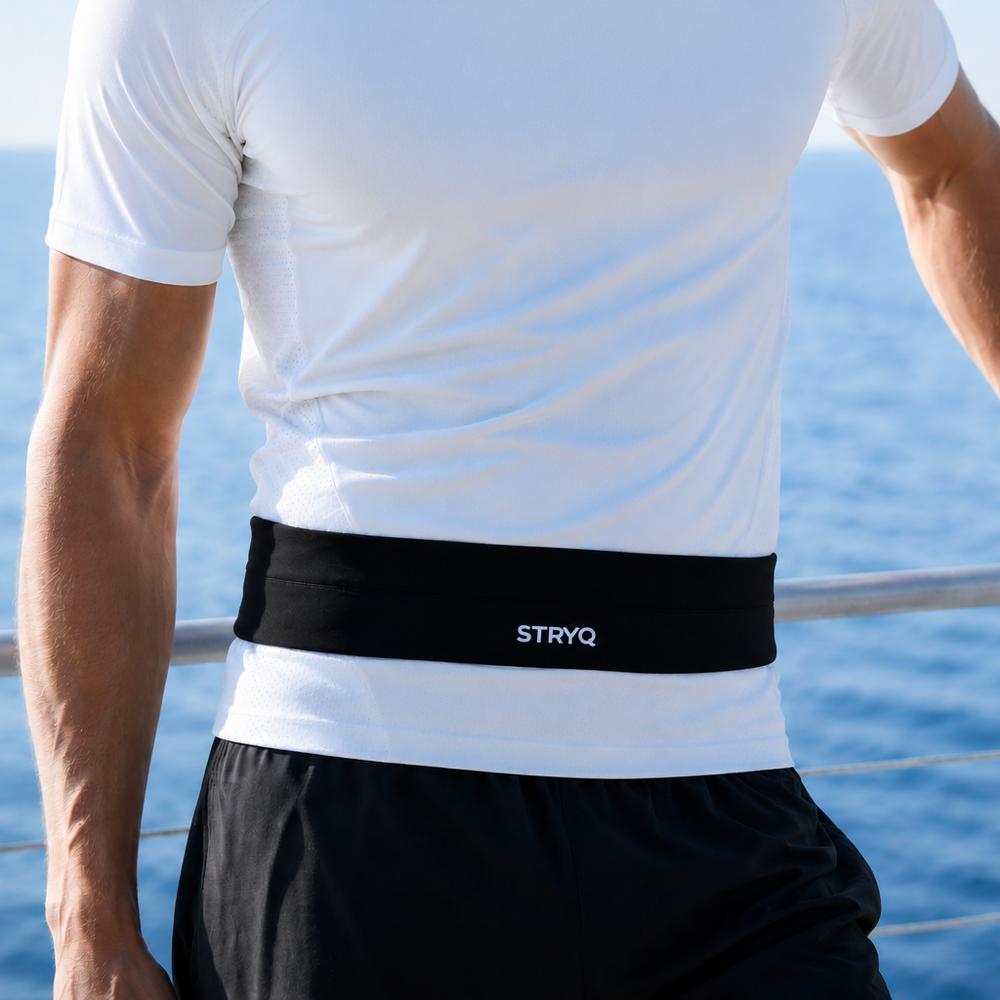
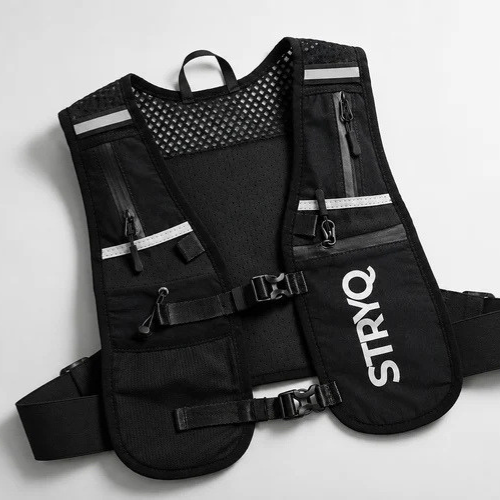
Use aid stations as part of your plan, not your only plan. Cups can be missed, stations can be busy, and the drink available may not suit your stomach. Carrying a gel or two gives you a useful margin. For longer events or warmer days, a running belt or hydration vest can keep fuel and soft flasks secure without pockets bouncing around.
Hydration needs vary more than runners often expect. A cool spring half marathon may only require a few drinks at stations. A humid summer marathon can require regular fluids and electrolytes. Drink to thirst as a sensible starting point, then refine your plan through training.
If you are running for more than a couple of hours, sweating heavily, or racing in heat, sodium becomes more relevant. Electrolyte drinks or tablets can help replace some sodium lost through sweat. They do not make up for a lack of carbohydrate, though, and they are not automatically necessary for every runner.
Practise Your Gut, Not Just Your Pace
Your stomach needs training too. During long runs, practise the exact gels, chews, drinks and timings you plan to use on race day. Start with a small amount of carbohydrate and build gradually over several weeks.
Pay attention to what happens afterwards. Did a gel feel difficult because you took it too late? Did you need more water? Was the problem the product, or was it the intensity of the run? Keeping short notes after long runs makes patterns easier to spot.
Avoid these common race-day mistakes:
- Skipping breakfast because of nerves, then trying to catch up with several gels in the first few miles.
- Trying a free gel or sports drink from an expo without testing it first.
- Drinking large volumes at every station regardless of thirst or conditions.
- Carrying more fuel than you can comfortably access, then forgetting to take it.
After the Finish
Start recovery with fluids, carbohydrates and protein when you can. You do not need to force down a shake the second you cross the line, especially if your stomach is unsettled. Rehydrate steadily, eat a proper meal when appetite returns, and include a source of protein to support recovery.
The race is also useful feedback. Make a note of what you ate, drank and carried while it is fresh. Small changes to timing or quantity can make your next event feel far more controlled. The best nutrition plan is the one you can repeat confidently when the miles get hard.