You are halfway to the start line when the familiar doubt arrives: phone, keys, barcode, layers... did you actually bring everything? A good parkrun kit packing example removes that last-minute scramble. The aim is not to take every possible running item. It is to carry the few things that keep you comfortable, safe and ready to enjoy your 5K.
parkrun is brilliantly simple, but British Saturday mornings are not always predictable. A dry summer run can need little more than shoes and your barcode. A wet January event, or a first visit to a muddy course, calls for a little more thought. Pack for the run you are doing, not for every scenario you can imagine.
A parkrun kit packing example that works
For a standard local 5K, this is a practical starting point:
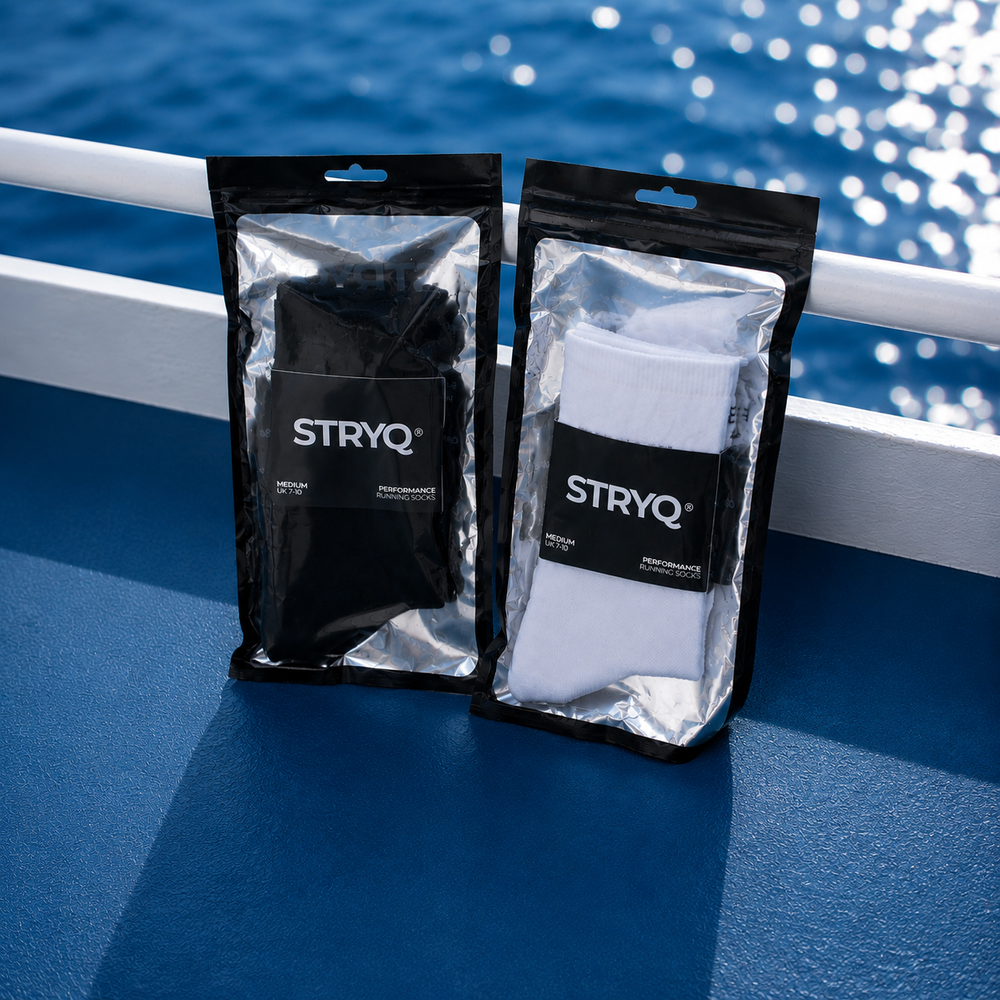
- Running shoes suited to the surface, plus socks you know do not rub.
- Shorts or tights, a breathable top and an optional light layer for before the start.
- Your phone, keys and parkrun barcode or barcode wristband.
- A small amount of water if it is warm, or if you will be travelling to and from the event on foot.
- A spare top, warm layer and dry socks left in the car or held by a friend for afterwards.
What to wear for the run
Start with the kit you have already tested. parkrun is not the place to find out that a new pair of shorts rides up after one kilometre or that fresh socks cause a hot spot. Your most dependable running outfit will usually beat your newest one.
Dress for the temperature you will feel while running, not while standing around at 8.45am. Most runners warm up quickly over 5K. On a cool morning, a lightweight long-sleeve top or thin outer layer may be enough. In colder weather, keep an old jumper or coat on until the briefing, then leave it with someone or in the car.
If rain is likely, choose a technical top rather than cotton. Cotton holds water and can feel heavy and cold. A cap can help keep rain out of your eyes, while a light waterproof is useful if you are volunteering, spectating or waiting afterwards. For the run itself, a waterproof can be too warm unless conditions are genuinely cold and wet.
Where to put phone, keys and barcode
Loose pockets are a distraction. So are keys bouncing against your leg or a phone slipping about every time you pick up the pace. For a short run, secure storage matters more than carrying lots of capacity.
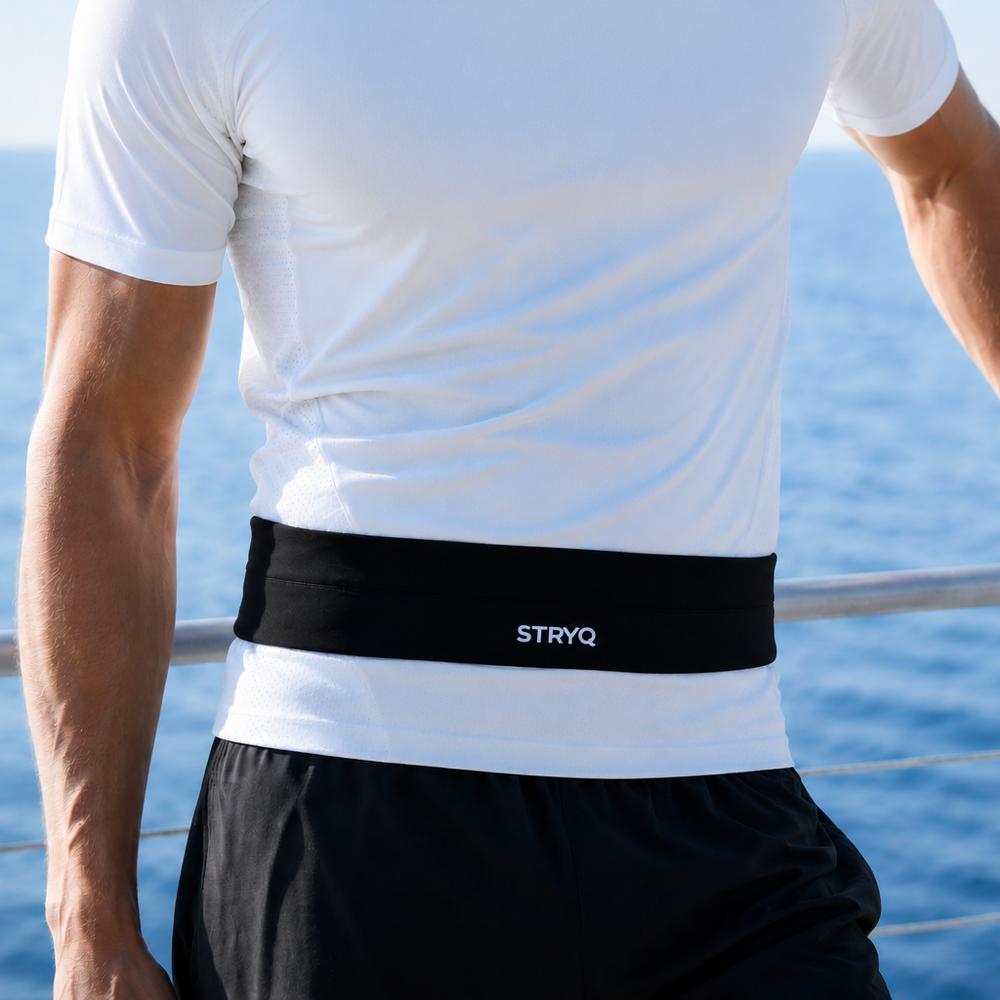
A well-fitted running belt keeps your phone, keys and barcode close to your body, without bulk. Look for a fit that stays put when you jog, turn corners and sprint for the finish. No bounce. No rummaging at the scanner. That is the practical benefit.
A barcode wristband is useful if you prefer to leave your phone behind, though many runners like having a phone for travel, photos or an emergency. If you carry a paper barcode, place it in a sealed pocket or small waterproof pouch. One shower or sweaty hand can make a crumpled barcode difficult to scan.
STRYQ running belts are designed for exactly this kind of carry: secure essentials, a close fit and no unnecessary bulk. The right belt should disappear once you start running.
Adjust your parkrun packing for the weather
The forecast should influence your choices, but it should not turn a 5K into an expedition. Think in terms of comfort before and after the run, as well as during it.
Warm and sunny mornings
For warm weather, take water if you tend to feel thirsty before a run or if the event is exposed. You probably will not need a hydration vest for a typical 5K, especially if you are starting well hydrated. A soft flask can make sense if you are running several miles to parkrun, doing extra training afterwards, or know the course has no water nearby.
Use sunscreen when the forecast and your skin call for it, even early in the day. A cap and sunglasses can be worthwhile on open paths, but test them first. Sunglasses that slide down your nose are more annoying than helpful.
Cold, wet or windy mornings
Wet socks are one of the quickest ways to make a good run feel miserable. Pack dry socks and shoes for afterwards if you can. A towel and a plastic bag for muddy trainers are also useful, particularly at grass or trail-heavy events.
For wind, a thin gilet or long-sleeve layer can be more useful than a thick jacket. It protects your core without making you overheat. Gloves are worth considering when it is properly cold, especially if you are waiting around with cold hands before the start.
Muddy or uneven courses
Check the event updates before leaving home. A course can change from firm paths to mud after a week of rain. Trail shoes offer extra grip on soft ground, but they are not automatically the best choice. On mixed paths with only a few muddy patches, regular road shoes may still feel quicker and more comfortable.
If you wear trail shoes, use the pair you know. Aggressive lugs can feel awkward on tarmac, while smooth road soles can slide on wet grass. It depends on the surface, your confidence on corners and whether you are racing or simply enjoying the morning.
What not to pack for a normal 5K
Overpacking creates its own problems. A large bottle, heavy jacket, too many gels and a bag full of spare items can make a short run feel fussy. Most runners do not need an energy gel for parkrun. A balanced breakfast or small pre-run snack is normally enough, depending on what your stomach tolerates.
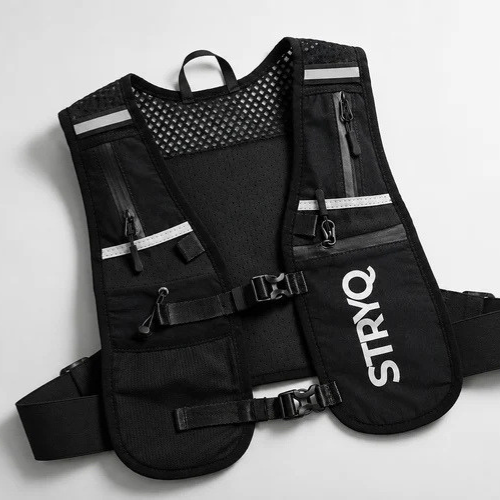
Save gels, larger hydration systems and more extensive safety kit for long runs, races or trail sessions where they earn their place. A hydration vest is excellent when you need to carry water, nutrition and layers over distance. For a straightforward 5K, a belt or secure pocket is usually the simpler option.
There are exceptions. If you manage a medical condition, carry prescribed medication. If you are using parkrun as part of a longer marathon training run, pack according to the full distance rather than the timed 5K. Practical running kit should fit the plan, not follow a fixed rule.
Make Saturday packing automatic
The easiest way to avoid forgotten kit is to prepare it the night before. Put your shoes, socks and running clothes together in one place. Place your barcode, keys and phone in or beside your belt. Check the forecast once, then make one sensible adjustment rather than repeatedly changing your mind.
If you drive, keep a small post-run bag in the car with dry socks, a warm top, a towel and a bag for muddy shoes. If you walk, cycle or use public transport, keep your kit lighter and use your belt for the essentials. You do not need a perfect system. You need one you can repeat when you are tired, rushed or facing sideways rain.
Your parkrun kit should make the morning easier, not become another job. Pack the essentials, wear gear you trust and leave room to enjoy the finish, the volunteers and the post-run chat.