A missed barcode. Wet socks. A jacket tied around your waist from kilometre one. Most parkrun kit problems are small, but they can make a simple Saturday 5K feel needlessly stressful. Knowing how to prepare parkrun kit means making a few decisions before race morning, so you can arrive comfortable, settled and ready to run your own pace.
parkrun does not require expensive gear or a complicated routine. For many runners, the essentials are simply suitable shoes, comfortable clothes, a way to carry keys and a scannable barcode. What you pack around those basics depends on the weather, the course, your journey there and how long you expect to be out.
How to prepare parkrun kit the night before
The night before is the best time to lay everything out. Morning decisions are harder when you are watching the forecast, looking for one missing sock and trying not to leave late. Put your kit in one place - by the front door, in your running bag or on a chair where it cannot be forgotten.
Start with the items that would stop you running comfortably if they were missing: shoes, socks, bottoms, top, sports bra if needed, and any usual support such as an ankle brace. Then add the practical extras: your barcode, phone, keys, travel card or payment card, and a light layer for before and after.
If you wear a watch, check that it is charged. The same goes for your headphones if you use them, although remember that parkrun is a shared space. Keep the volume low enough to hear marshals, other runners and cyclists or walkers near the route. Some events ask runners not to use headphones at all, so check the local event guidance if you are unsure.
A simple kit check also helps if you are doing parkrun as part of a wider training plan. If you are running there, jogging home or adding extra miles afterwards, you may need more water, fuel and storage than for a straightforward 5K.
Choose clothes for the conditions, not the first five minutes
British parkrun weather can change quickly, and the temperature you feel while standing at the briefing is not the temperature you will feel after ten minutes of running. Dress for the run rather than the wait. As a rough guide, you may feel 5 to 10 degrees warmer once you are moving.
On a cool, dry morning, a breathable T-shirt or lightweight long-sleeve top is often enough. Add an old sweatshirt or jacket for the walk to the start, then leave it in the car or with someone who is watching. If you need to keep it with you, choose a layer that packs down easily rather than something bulky that will spend 5K being carried.
For rain, avoid assuming a waterproof jacket is always the answer. A fully waterproof layer can be useful in heavy rain, wind or a long journey home, but it may feel hot during a hard 5K. A lightweight, breathable shell works better for many runners. In light rain, you might be happier in your usual running top and accept that you will get wet.
In winter, gloves are often more useful than a thicker top. Cold hands can make the whole run uncomfortable, yet gloves are easy to remove and tuck into a belt or pocket once you warm up. In warmer weather, consider a cap, sunglasses and sunscreen if the course is exposed. Sunscreen matters even on a cool, bright morning.
Get shoes and socks right first
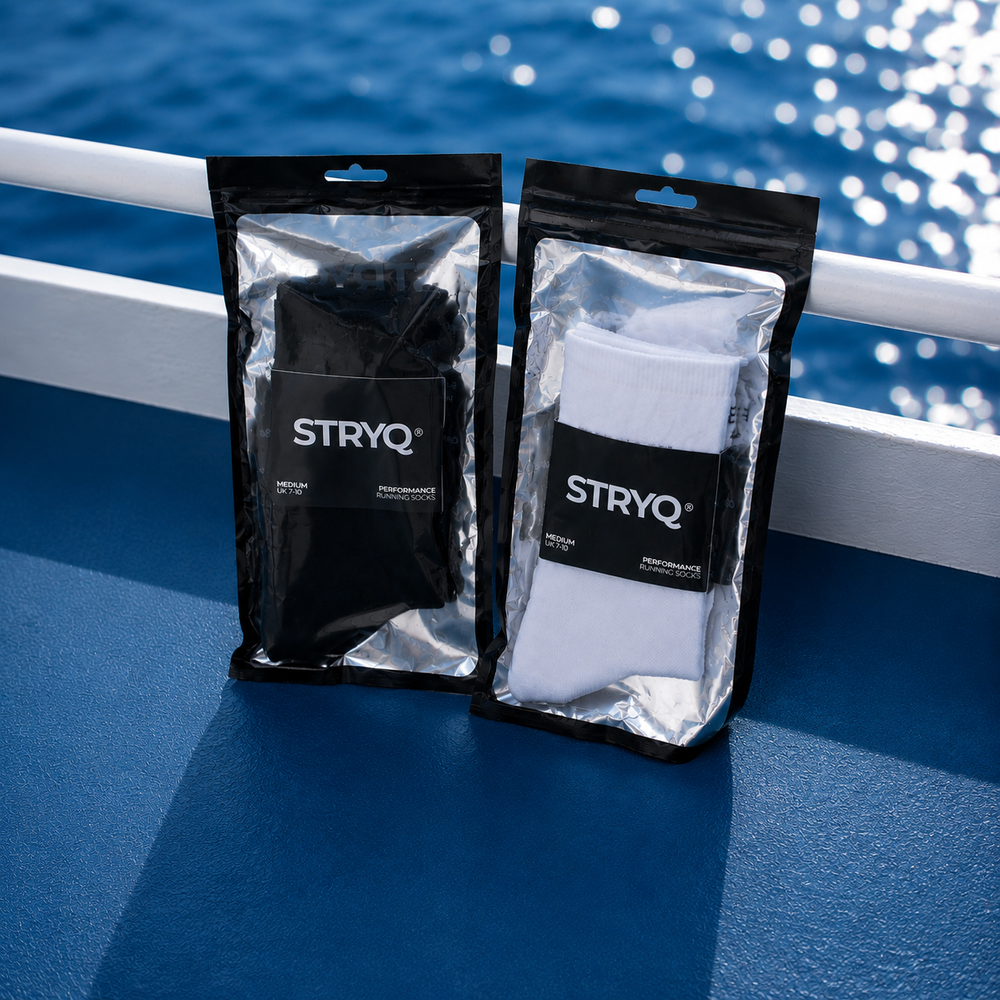
parkrun is not the place to test brand-new shoes. Wear a pair you have already used for several runs, with socks that do not rub. A 5K may be short, but a blister can change your stride and linger long after breakfast.
Your footwear should suit the surface. A paved route usually calls for regular road running shoes. For grass, mud, woodland paths or slippery trails, shoes with more grip can make a real difference. You do not necessarily need trail shoes for every mixed-surface course, but worn-out smooth soles can make wet grass feel unpredictable.
Check the event description and recent updates before you leave. A course that is firm in July may be muddy after a week of rain. If conditions are likely to be wet, pack a dry pair of socks for afterwards. It is a small comfort that is easy to overlook.
Avoid changing everything at once. New shoes, new socks and a faster effort is a poor combination if something starts rubbing. Keep your parkrun kit familiar when possible, especially if you are aiming for a personal best.
Carry the essentials without pockets full of clutter
The ideal parkrun carry is small and secure. Keys bouncing in a shorts pocket, a phone sliding about or a hand clutching a car key can distract from your running more than you might expect.
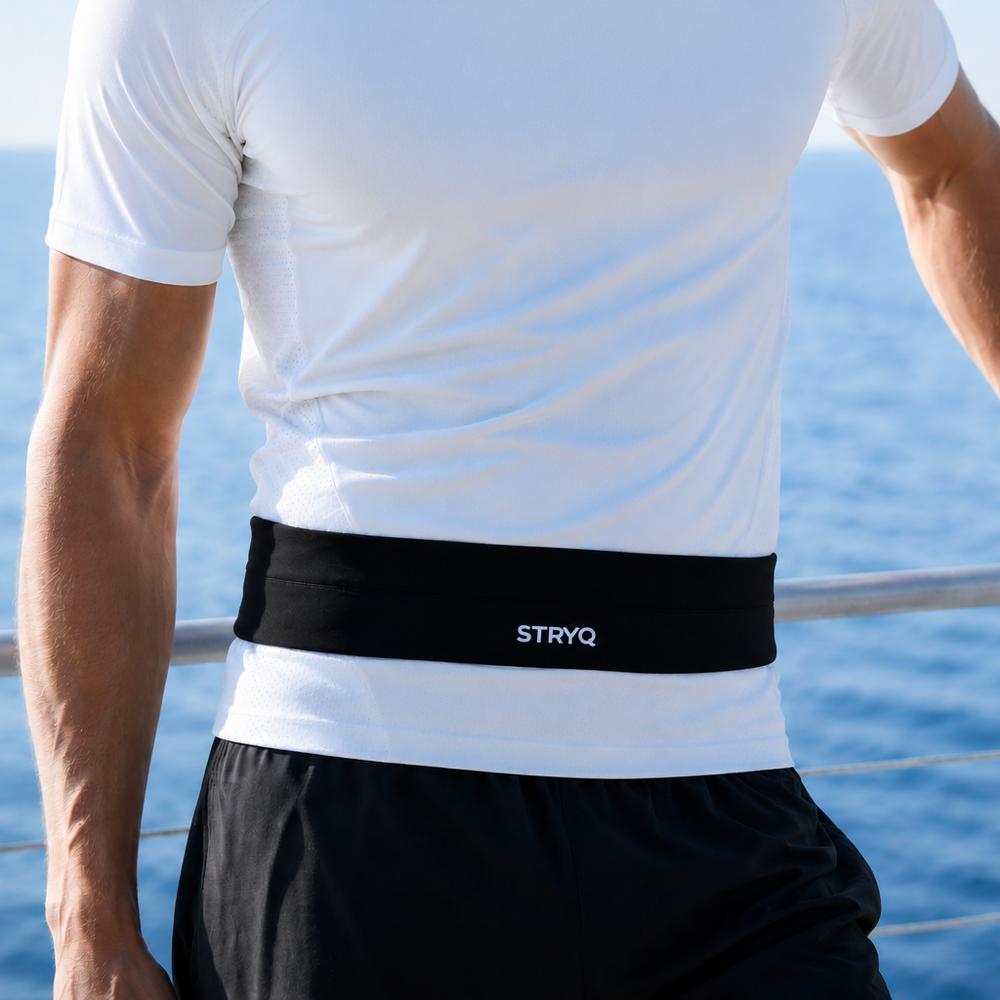
For most people, the essentials are a phone, keys, payment card and barcode. A running belt is a practical option when your clothing has limited or unreliable pockets. Look for one that sits close to the body and holds its shape while you move. No bounce. No bulk. You should not need to adjust it every few minutes.
If you use your phone for music, safety or your run tracking app, make sure it is protected from rain and sweat. A small zip bag inside your belt is a simple solution in wet weather. Keep your barcode easy to access after the finish. A physical barcode is reliable, but a saved barcode on your phone can work too, provided your screen is charged and bright enough to scan.
Do not carry more than you need simply because there is room. A 5K does not usually require a large bag, multiple gels or a full bottle. Extra items become uncomfortable when they shift around.
Do you need water or fuel for parkrun?
For a standard 5K, most runners do not need to carry water or take an energy gel. If you have eaten and had a drink beforehand, you will normally be fine for a run lasting 20 to 45 minutes. This is particularly true in cool conditions.
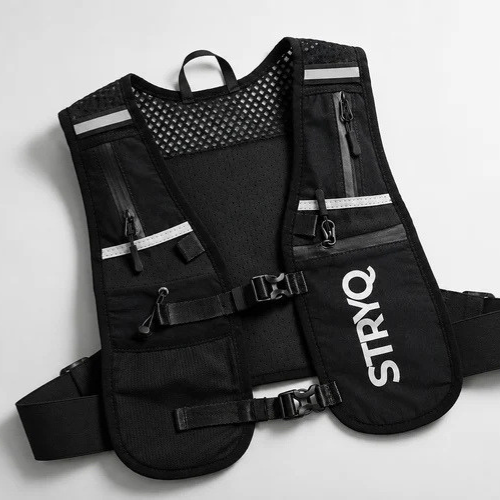
There are exceptions. Carry water if it is unusually hot, if you are prone to feeling thirsty, if you are running to and from the event, or if parkrun is part of a longer session. A compact soft flask is easier to carry than a rigid bottle and takes up less room when empty. STRYQ running belts and hydration options are designed for this sort of practical, close-fitting carry.
Fuel is more relevant if you are doing additional mileage, running before breakfast and know that works for you, or managing a specific nutrition plan. Do not take a gel for the first time on a parkrun morning. Test it during training first. The same rule applies to electrolyte drinks and caffeinated products.
Plan for the journey and the finish
Your kit starts before the start line. Think through how you are getting there and what happens once you finish. If you are driving, leave a towel and dry layer in the car. If you are walking, cycling or using public transport, you may need a packable jacket, secure storage and a plan for wet clothes.
Arrive early enough to use the toilet, collect your thoughts and hear the first-timers' briefing if it is your first visit. Rushing from the car to the start can make an easy 5K feel harder than it is. It also gives you less time to adjust a shoelace, move your barcode or deal with a layer that suddenly feels wrong.
After crossing the line, stay in the finish funnel and follow the volunteers' instructions. Keep your barcode ready. If it is cold, put on a dry layer soon after scanning, especially if you are hanging around for a coffee or waiting for friends.
A kit routine you can repeat
The most useful parkrun kit is not necessarily the newest or most technical. It is the kit you trust. Build a small routine around items that fit well, stay put and work in the conditions you actually run in.
Before bed, check the forecast, surface and travel plan. Lay out your clothes, charge your watch and put your valuables together. On the morning, make one final decision about layers. Then leave the house knowing your gear will not demand attention when you would rather focus on the run.
That is the real aim: fewer distractions, a more comfortable 5K and enough headspace to enjoy the finish line, whether you are chasing a time or simply getting another Saturday run done.