A phone bouncing in your pocket can spoil a good run surprisingly quickly. So can jangling keys, a gel crushed into your shorts, or the worry of having nowhere to put an extra layer once you warm up. Do runners need waist packs? Not for every single mile, but for many runners they are the simplest way to carry essentials without changing how a run feels.
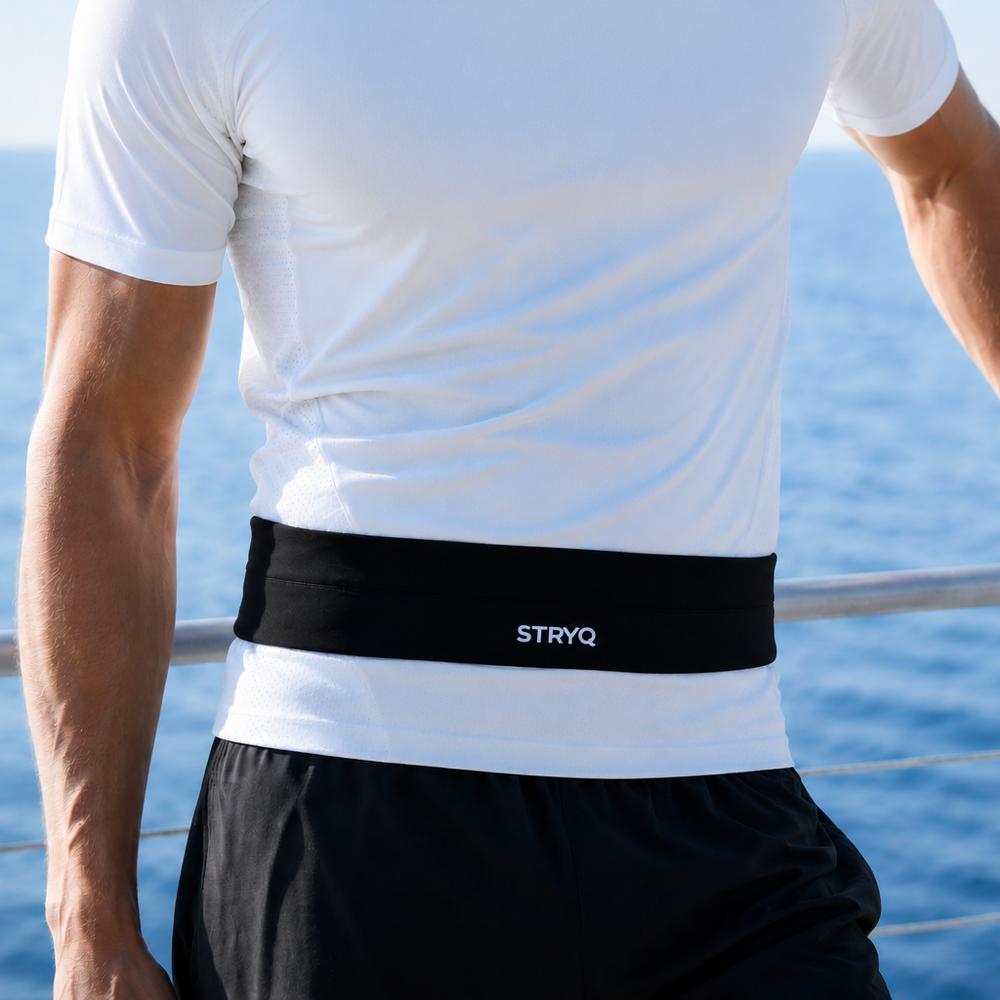
The right running belt should sit close, stay still and disappear into the background. If you are constantly adjusting it, it is not doing its job. No bounce. No bulk. Just the things you need, where you can reach them.
Do runners need waist packs? It depends on the run
For a short, familiar 20-minute run from home, you may only need a key. Some runners can manage that in a zipped pocket or tied safely into a shoelace. In that situation, a waist pack is useful rather than essential.
The case changes when your run gets longer, takes you further from home, or involves variable weather. Most runners want their phone for safety, route tracking, music or contactless payment. Add keys, tissues, an inhaler, gels, a bank card and perhaps a soft flask, and pockets soon reach their limit.
A waist pack is particularly useful when you want to travel light but still be prepared. It fills the gap between empty pockets and a hydration vest. For many 5K, parkrun, half marathon and everyday training runs, that makes it the most practical option.
When a running belt makes sense
You carry a phone on most runs
A phone is the main reason many runners move to a waist pack. Modern phones are too large and heavy for many shorts pockets, especially when the fabric is loose or the pocket sits at the side of the leg. They can swing, pull shorts down or rub against your thigh.
A close-fitting belt keeps the phone at your waist, where the load is more stable. Look for a pocket that holds it securely without forcing you to wrestle it in and out at a crossing or café stop. Water-resistant material is also helpful during a typical wet British run, although it is not a substitute for fully waterproof protection in heavy rain.
Your runs last longer than an hour
Once you are out for an hour or more, carrying fuel becomes sensible for many runners. Your exact needs depend on pace, effort, body size and what you have eaten beforehand, but long runs are where small practical problems become obvious.
A waist pack gives gels, chews or electrolyte tablets a dedicated place. You can take what you need without stuffing food into jacket pockets or holding it in your hand for miles. For runners preparing for a half marathon or marathon, practising with the same belt and fuelling set-up you plan to use on race day can make the routine feel far less distracting.
You run alone or away from home
Carrying your phone is a sensible habit when you run alone, particularly in the dark, on trails or in quieter areas. A waist pack can also hold identification, emergency contact details, a small amount of money and a travel card if you are running point to point.
This is not about carrying every possible item. It is about having the basics without making the run cumbersome. A good belt lets you bring what matters while keeping your hands free and your stride natural.
You need somewhere for layers and small extras
Spring and autumn runs often start cold and finish warm. A lightweight pack can hold gloves, a buff or a folded windproof layer once you no longer need it. It will not replace a larger vest for bulky kit, but it can stop you from tying clothing around your waist and having it flap against your legs.
When you probably do not need one
There is no prize for carrying more kit than necessary. If you are doing a short loop close to home, have secure pockets and do not need water or fuel, a waist pack may simply be another item to put on.
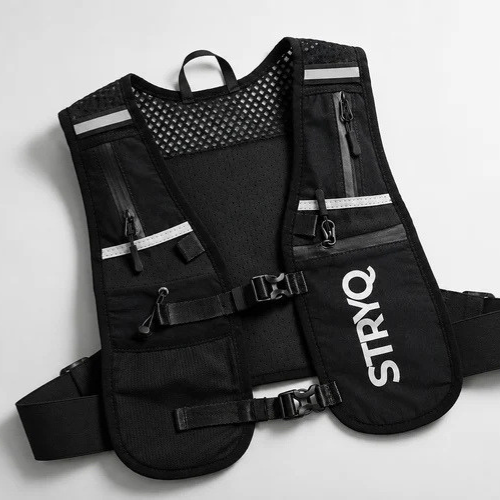
Some runners also prefer a hydration vest for long trail days, marathon training in hot weather or runs requiring more water, food and safety kit. A vest spreads a larger load across the upper body and can carry soft flasks more comfortably when capacity matters.
The best choice is based on what you carry, not on what other runners wear. A waist pack is ideal for essentials. It is not designed to replace a vest on an all-day outing or to carry more than it can hold securely.
What makes a waist pack comfortable to run in?
The difference between a belt you wear every week and one left in a drawer comes down to fit. Storage matters, but stability matters more. Even a light load will bounce if the belt is too loose, too wide for your build or packed unevenly.
Choose an adjustable waistband that can be tightened firmly without digging in. The belt should sit around your natural waist or slightly lower on the hips, depending on where it feels most stable for you. There is no universal perfect position. Try it at an easy pace first, then with the items you actually plan to carry.
A low-profile, stretchy construction helps the belt move with your body. It should feel secure when you breathe deeply, climb hills and change pace. If it rides up or rolls over, adjust the fit before assuming the product is wrong. A belt that is overtightened can be just as uncomfortable as one that is loose.
Pocket layout also matters. A main compartment for a phone and a separate space for keys can prevent scratches and make items easier to find. Secure zips are useful for valuables, while easy-access sections work well for gels. If you carry keys, place them where they cannot jab your back or hip.
How much can a running waist pack carry?
For most road runners, a waist pack works well for a phone, keys, cards, one or two gels, tissues and a small soft flask. That is plenty for a normal training run, a parkrun where you want to keep your hands free, or a race where you do not want to rely entirely on course support.
Be realistic about capacity. Overfilling a belt is the fastest route to bounce. A bulky phone, a full 500 ml flask, four gels, gloves and a jacket may fit somewhere, but that does not mean it will feel comfortable at kilometre 12.
If hydration is your main concern, consider the conditions first. In cool weather, a shorter run may not require water at all. On warmer days, or when you cannot refill en route, a belt that carries a soft flask can be a useful middle ground. For longer distances and higher fluid needs, a hydration vest is usually the better tool.
Get the fit right before race day
Do not buy a waist pack the week before a half marathon and fill it for the first time on the start line. Test it on several runs, including one where you carry the same phone, fuel and fluids you will use on race day.
Start with the belt snug, then jog for five minutes. If it shifts, tighten it slightly and spread the contents more evenly. Keep heavier items close to the centre of your back or front rather than loaded heavily on one side. Check that you can reach a gel without breaking stride and that the zip pulls are not rubbing.
Wash the belt according to its care instructions, especially after warm runs. Sweat, spilled gels and salt build-up can affect both comfort and zip performance over time. A little routine care helps running kit stay dependable.
The practical answer
Runners do not need waist packs for every run. But if pockets are failing you, a well-fitted running belt solves a very common problem with very little compromise. It keeps the essentials secure, your hands free and your attention on the run rather than your gear.
Start with the smallest carry set that makes you feel prepared. When your phone, keys and fuel stay put from the first mile to the last, you have found the right set-up.