A marathon can be undone by a tiny problem that never appeared in training: a belt that rubs after 10 miles, gels you cannot reach with cold fingers, or a rain layer left in the car. This marathon gear checklist guide is built around one rule: race in kit you already trust. Race day is not the time to test a new shoe, sock, flask or storage setup.
Your checklist will vary with the weather, course support and your own needs. A runner using every aid station on a cool city marathon needs less carrying capacity than someone facing a warm, exposed route. The goal is not to take everything. It is to take the right things without bounce, bulk or distraction.
Marathon gear checklist guide: start with what you wear
Your clothing should be familiar enough that you stop noticing it. That is the standard. If an item chafed, slipped or felt too warm on a 16-mile training run, it is not suddenly going to behave at mile 23.
Start with your tried-and-tested running shoes. Make sure they still have plenty of life in them, but avoid a brand-new pair. Fresh laces can be useful if yours are worn, yet lace them the same way you always do. Small changes in pressure across the top of the foot can become very obvious late in a marathon.
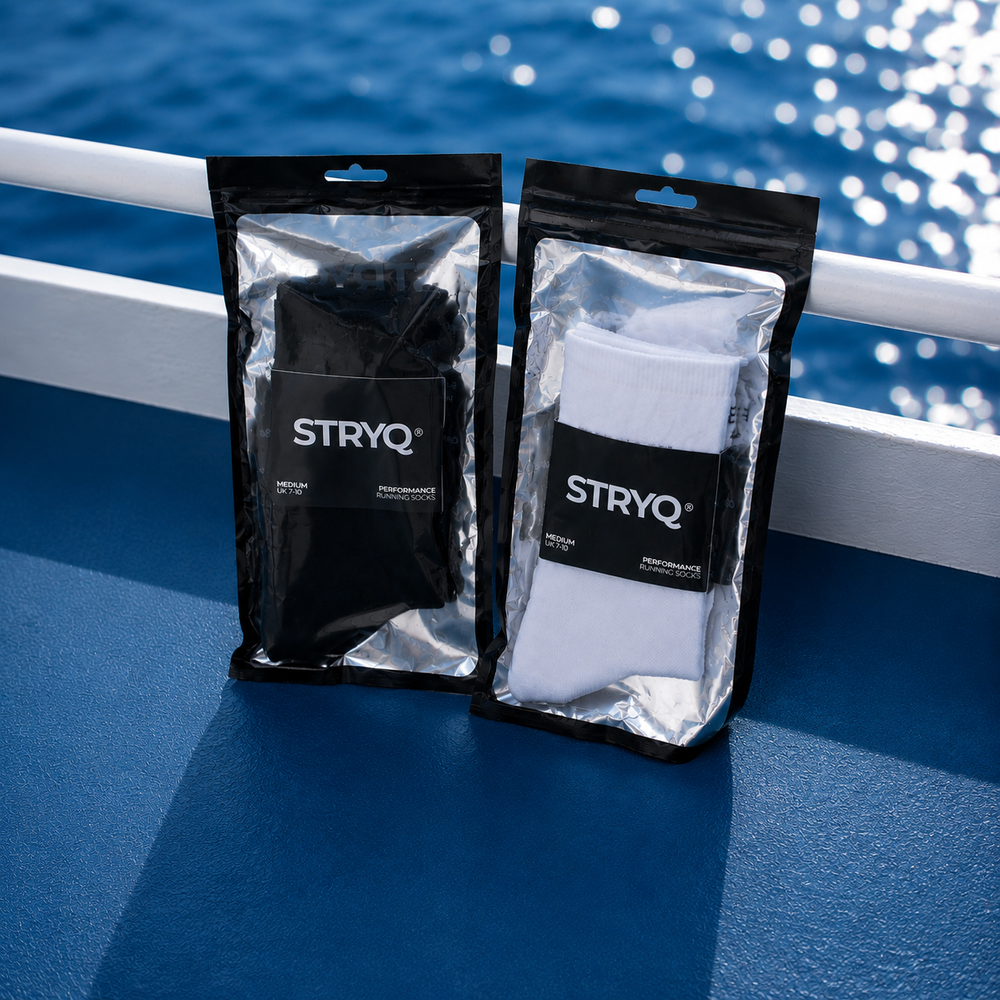
Choose socks that have worked on your longest runs. Good running socks should stay put, manage sweat and protect the areas where you are most prone to blisters. Do not save a new pair for the race simply because they look smarter in photos.
Your top, shorts, tights and underwear need the same level of scrutiny. Check waistbands, seams and armholes. Think about what happens when they are wet with sweat or rain, not just how they feel at the start. If you use nipple tape, anti-chafe balm or plasters, pack and apply them before you leave home.
For cool starts, bring a throwaway layer such as an old jumper or inexpensive poncho. Standing still in a crowded start pen can feel colder than the forecast suggests. You can remove it just before you begin rather than starting tense and shivering.
Carrying essentials without creating problems
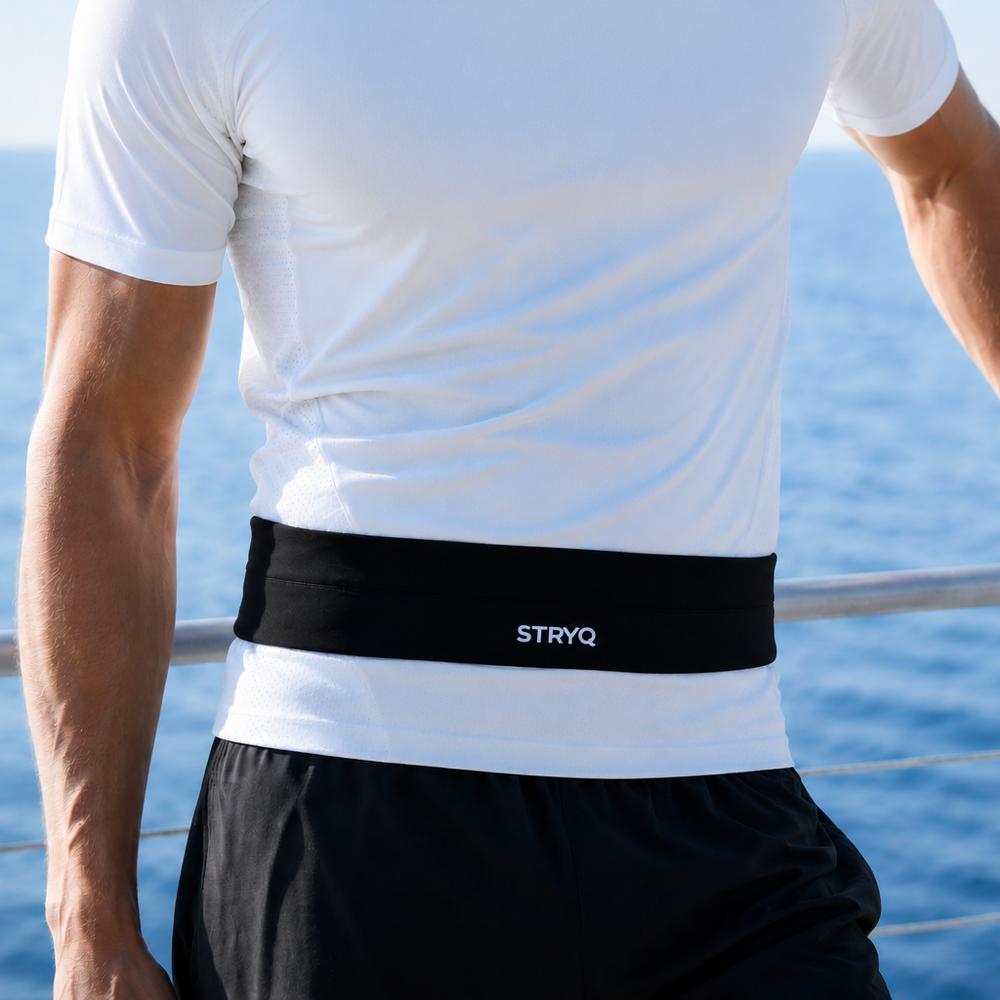
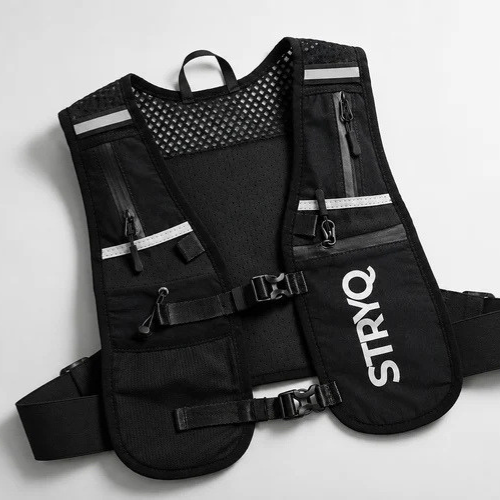
A marathon belt or hydration vest should solve a problem, not give you another one. You need secure storage that lets you access fuel, mobile phone and any essentials without repeatedly breaking stride.
A running belt suits many road marathon runners because it keeps the load light and close to the body. It is a practical option when you are relying on course water but want to carry gels, a mobile phone, keys and a few small extras. Fit matters more than capacity. Adjust it firmly before the start, then load it for a training run. A loose belt bounces. An overfilled belt can ride up or press into your lower back.
A hydration vest makes more sense when aid stations are spaced far apart, the weather is warm, or you prefer a consistent drinking routine. Soft flasks are easier to carry than rigid bottles and reduce sloshing as they empty. The trade-off is extra weight and warmth across your torso, so only wear a vest if you have trained in it and know it stays comfortable over distance.
STRYQ running accessories are designed around this practical point: secure the essentials, then forget they are there. Whatever you choose, practise loading it in the same order every time. Knowing exactly where each gel sits is one less thing to think about when you are tired.
What belongs in your race-day storage
For most runners, these are the items worth carrying:
- Your planned gels, chews or other fuel, plus one spare if space allows.
- Water or electrolyte drink if course support does not match your needs.
- A mobile phone in a sweat-resistant pocket, ideally with enough battery for travel afterwards.
- Tissues, anti-chafe balm, plasters and any medication you personally need.
- Race number, safety pins or clips, and a card or contactless payment method for after the finish.
Fuel and hydration: plan the timing, not just the products
The best gel is the one you can take comfortably at marathon pace. Use the same brand, flavour and texture you used during training where possible. A race bag filled with random samples is a gamble your stomach did not agree to.
Work out roughly when you will fuel before race day. Many runners take their first gel early, then continue at regular intervals rather than waiting until they feel empty. Your exact plan depends on your pace, tolerance and the amount of carbohydrate in each product. If you have a detailed strategy from your training, follow it. If not, keep it simple and avoid changing several things at once.
Check the race information for aid station locations and what will be offered. If the event supplies a drink you have never used, you do not have to rely on it. Carry your own fuel and use water from the course if that is what you have practised. In warmer conditions, consider electrolytes, but do not overdrink in an attempt to get ahead of thirst.
Make fuel easy to reach
Gels buried under a jacket or squeezed beside a mobile phone are hard to manage. Put them somewhere reachable with either hand. Tear one open on the move during training and notice whether the tab is awkward or whether the packet catches on your belt.
If you carry several gels, take the empties with you. A used pocket or separate section of your belt keeps litter contained and stops sticky wrappers becoming a distraction.
Weather changes the checklist
British marathon weather can be mild, wet, windy or unexpectedly warm, sometimes within the same event. Check the forecast close to race day, then make calm adjustments rather than replacing your whole setup.
For rain, a cap can keep water out of your eyes and a lightweight layer may help before the start. Avoid wearing waterproof clothing for the full race unless you know you need it. It can trap heat once you settle into your pace.
For sun, use sunscreen you have worn while running before, especially on shoulders, ears and the back of the neck. Sunglasses are useful only if they do not bounce or steam up. A cap can help with glare, but it also holds warmth, so it depends on the temperature and your preference.
For cold or wind, light gloves and arm sleeves can be easier to manage than a heavy top. You can remove them as you warm up. On a wet, cool day, dry clothes waiting in your finish bag will matter far more than another layer carried around the course.
The night-before and morning checklist
Lay out your gear the night before. This is not about being overly organised. It prevents the 6am hunt for safety pins, charging cables or the one pair of socks you meant to wear.
Put your race kit, fuelling plan and travel essentials in one place. Charge your mobile phone and watch, but do not panic if your watch battery is not perfect. You can run a marathon without pace data. You cannot run it comfortably if you leave your bib at home.
On the morning, eat the breakfast you have practised. Apply anti-chafe products before dressing, fill flasks if you are using them and check that your belt or vest is fastened as it was in training. Take a quick toilet stop before joining the start area, even if queues are long.
Your final check should cover four simple questions: Do I have my bib? Do I have my fuel? Do I have a way to carry what I need? Am I dressed for the conditions, not just the start line?
Do not forget the finish bag
The finish line is not the end of your day. You may be cold, hungry and walking more slowly than expected. Pack warm, dry layers, comfortable shoes, a drink and a snack you know you will want. Add any travel card, train ticket or charger you will need to get home.
Most marathon gear decisions are won weeks before the race, on ordinary training runs. Wear the kit, carry the fuel and learn what annoys you while there is still time to change it. On race morning, keep it familiar, keep it simple and let your attention stay where it belongs: one mile at a time.