Running belt marathon searches usually come from runners asking one simple question. Do I need a running belt for a marathon, and if so, why.
Over 26.2 miles, small problems become big ones. Carrying fuel, managing comfort and reducing distractions all matter far more than they do on shorter runs. This guide explains exactly why marathon runners use running belts, what to carry, how to wear one correctly, and how to decide if a running belt is right for your marathon strategy.

Why Marathon Runners Use Running Belts
A marathon is not just a long run. It is a prolonged period of repetitive movement, mental focus and energy management.
Running belts help marathon runners by:
- Carrying fuel without holding it
- Keeping essentials secure
- Reducing reliance on aid stations
- Maintaining natural running form
Over marathon distance, convenience becomes performance.
What a Running Belt Is Used for in a Marathon
During a marathon, a running belt is typically used to carry:
- Energy gels or chews
- A mobile phone
- Keys or ID
- Emergency nutrition
Some runners also carry electrolyte tablets or salt caps depending on conditions.
Running Belt vs Pockets in a Marathon
Pockets might feel fine on short runs, but during a marathon they often create problems.
Pockets can:
- Bounce and pull clothing down
- Cause uneven weight distribution
- Lead to chafing over time
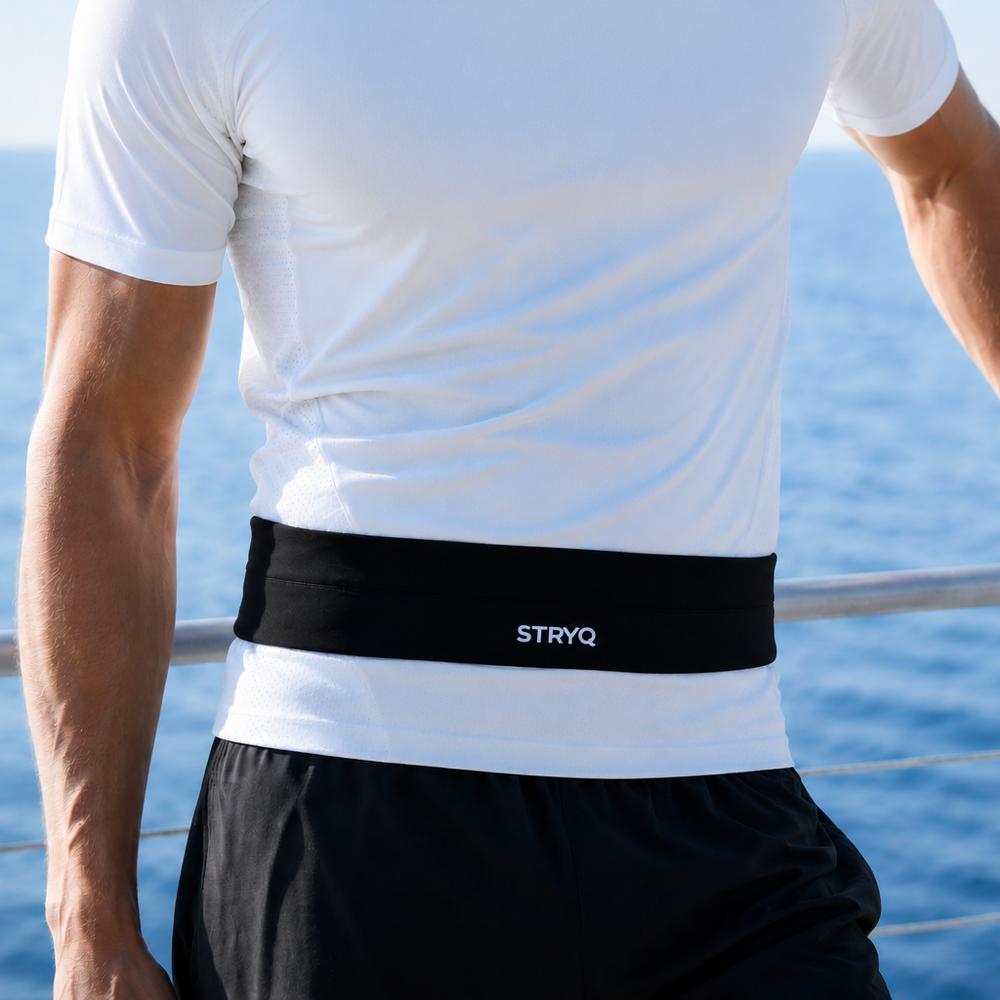
A running belt spreads weight evenly and keeps items close to the body, which is why many marathon runners switch after their first long training block.
Running Belt vs Hydration Vest for a Marathon
This is a common decision point.
A running belt is ideal if:
- You only need to carry gels and small items
- You plan to use on course water stations
- You prefer minimal gear
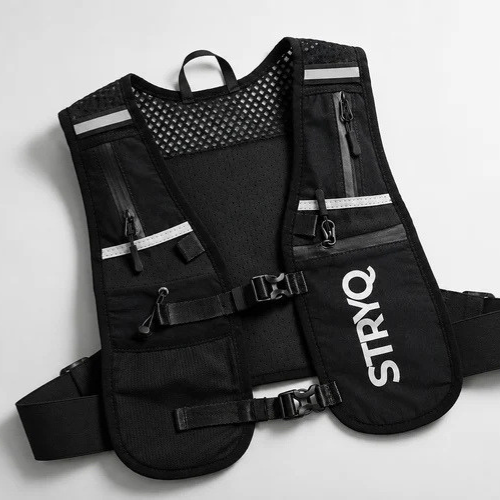
A hydration vest is better if:
- You want to carry your own fluids
- You are sensitive to dehydration
- You prefer full self-sufficiency
Many marathon runners use a running belt for races and a running vest for longer training runs.
Why Running Belts Help Marathon Fueling
Fueling mistakes are one of the most common causes of marathon struggles.
Most runners need carbohydrates every 30 to 45 minutes. A running belt allows gels to be accessed quickly without stopping or breaking rhythm.
This makes it easier to stick to your fueling plan when fatigue sets in.
Comfort Over 26.2 Miles
Comfort becomes increasingly important as the miles pass.
A well fitted running belt should:
- Stay secure without bouncing
- Not dig into the waist or hips
- Remain comfortable when loaded
If you notice your belt during the run, the fit is likely wrong.
How to Wear a Running Belt for a Marathon
Fit and placement are critical.
- Wear the belt around the hips rather than the waist
- Adjust it snug but not tight
- Distribute gels evenly across the belt
- Avoid overloading with unnecessary items
The belt should feel secure but almost invisible.
Testing a Running Belt During Marathon Training
Never introduce a running belt on race day.
Use long training runs to test:
- How the belt feels when fully loaded
- Ease of accessing gels
- Any rubbing or pressure points
If it works on a 20 mile run, it will work on race day.

Visibility and Early Morning Marathons
Many marathons start early, often before full daylight.
Visibility matters, especially during winter or early spring races. A high visibility running belt adds confidence in low light conditions without adding bulk.
Running Belt and Chafing Prevention
Chafing is one of the most common marathon issues.
A properly fitted running belt reduces movement and friction compared to loose pockets. Applying anti chafe balm around contact areas can further reduce risk.
Minimalist Marathon Gear Setup
Many experienced runners prefer a minimalist marathon setup.
This often includes:
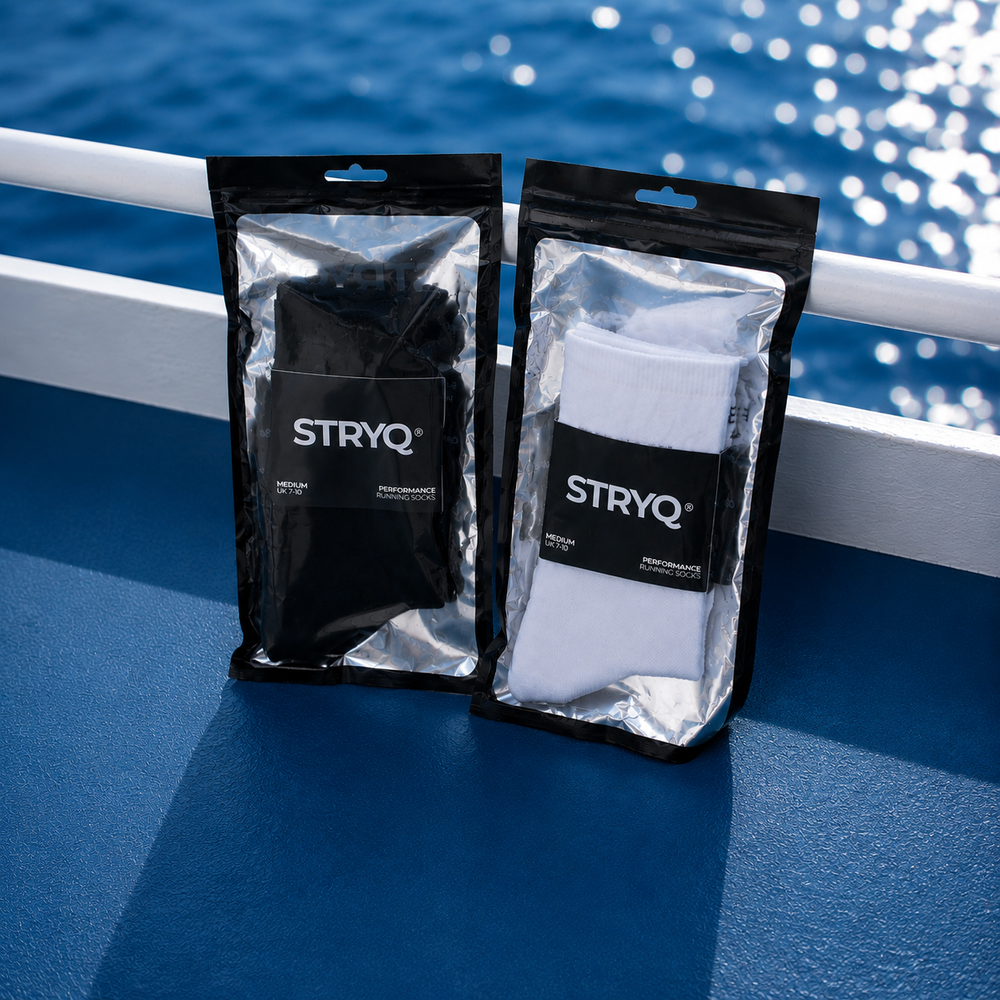
- Shoes and socks tested in training
- Lightweight clothing
- A running belt for fuel
Less gear often means fewer distractions.
Running Belts for First Time Marathon Runners
First time marathon runners often worry about what they need to carry.
A running belt provides reassurance. Knowing fuel and essentials are with you reduces anxiety and allows you to focus on pacing and enjoyment.
Common Marathon Running Belt Mistakes
- Wearing the belt too tight
- Overpacking
- Not testing during long runs
- Wearing it too high on the waist
Do Elite Runners Use Running Belts
Elite runners often rely on support teams or aid stations, so belts are less common at the front of the field.
For everyday runners, a running belt is often more practical and reliable.
Running Belt vs Carrying Nothing
Some runners prefer to carry nothing and rely entirely on aid stations.
This can work, but it removes flexibility. A running belt allows you to fuel on your terms, not the race schedule.
Who Should Use a Running Belt in a Marathon
A running belt is especially useful if you:
- Use specific gels
- Prefer consistent fueling
- Want to carry a phone
- Like having essentials with you
Final Thoughts on Running Belt Marathon Use
A running belt is not mandatory for a marathon, but for many runners it is one of the most useful pieces of race day gear.
If it removes stress, improves fueling and keeps you comfortable, it is doing its job.
FAQ
Do I need a running belt for a marathon
No, but many runners find it extremely helpful for fuel and essentials.
Will a running belt slow me down
No. A properly fitted belt should have no impact on pace.
Can I wear a running belt in official races
Yes. Running belts are allowed in marathons.
Should I wear a running belt in training
Yes. Always test it in training before race day.