The Manchester Marathon kit list that works best is not the one with the most gear. It is the one that removes small problems before they become big distractions at mile 18. A rubbing waistband, a gel you cannot reach, cold hands at the start or soaked shoes can all take attention away from running.
Manchester in spring can be cool, wet, breezy or unexpectedly warm. Plan for the forecast, but pack for a little uncertainty too. Most importantly, race in equipment you have used in training. Marathon day is not the place to test new socks, a different belt or a bigger breakfast.
Manchester Marathon Kit List: Your Race-Day Essentials
Start with the items you will wear from the start line to the finish. These should be familiar, comfortable and suited to the conditions expected on the day.
Running shoes and socks
Wear shoes with enough mileage left in them, but not a box-fresh pair. Your marathon shoes should have already handled long runs, race-pace sessions and at least one run in wet conditions if rain is possible. Check the laces too. A frayed lace is a minor issue until it comes undone in a crowded race.
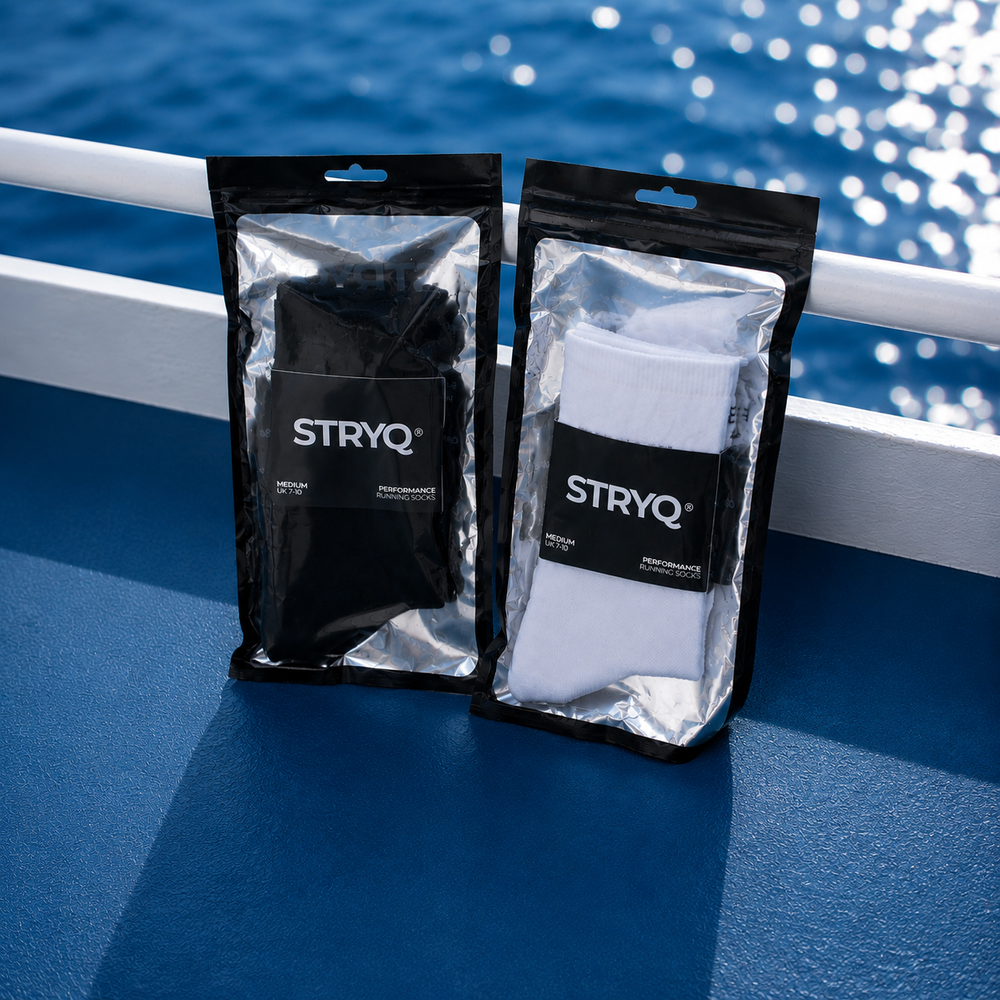
Choose socks that have passed the long-run test. The right pair stays in place, manages sweat and does not create pressure points around the toes or heel. If you have ever had a blister, you will know that “almost comfortable” is not good enough over 26.2 miles.
Avoid changing your shoe choice simply because rain is forecast. Waterproof shoes can feel heavier and retain water if conditions turn properly wet. A breathable shoe that drains well is often the more practical option.
Shorts, tights and a trusted top
Choose bottoms with no movement at the waist or inner thigh. If your shorts have ridden up in training, they will do it more when you are tired. If you use anti-chafe balm, apply it before leaving your accommodation, not just at the start area.
Your top needs to suit the temperature you will run in, rather than the temperature while standing in the start pen. A lightweight technical layer is usually enough for most runners. For colder forecasts, arm warmers can be easier to manage than a heavier long-sleeve top because you can remove them mid-race.
Test your race number placement before the day. Safety pins can create rubbing if they catch the fabric, while a race belt makes it easier to carry and adjust your number. Follow the event instructions on where and how the number must be worn.
A running belt or hydration vest
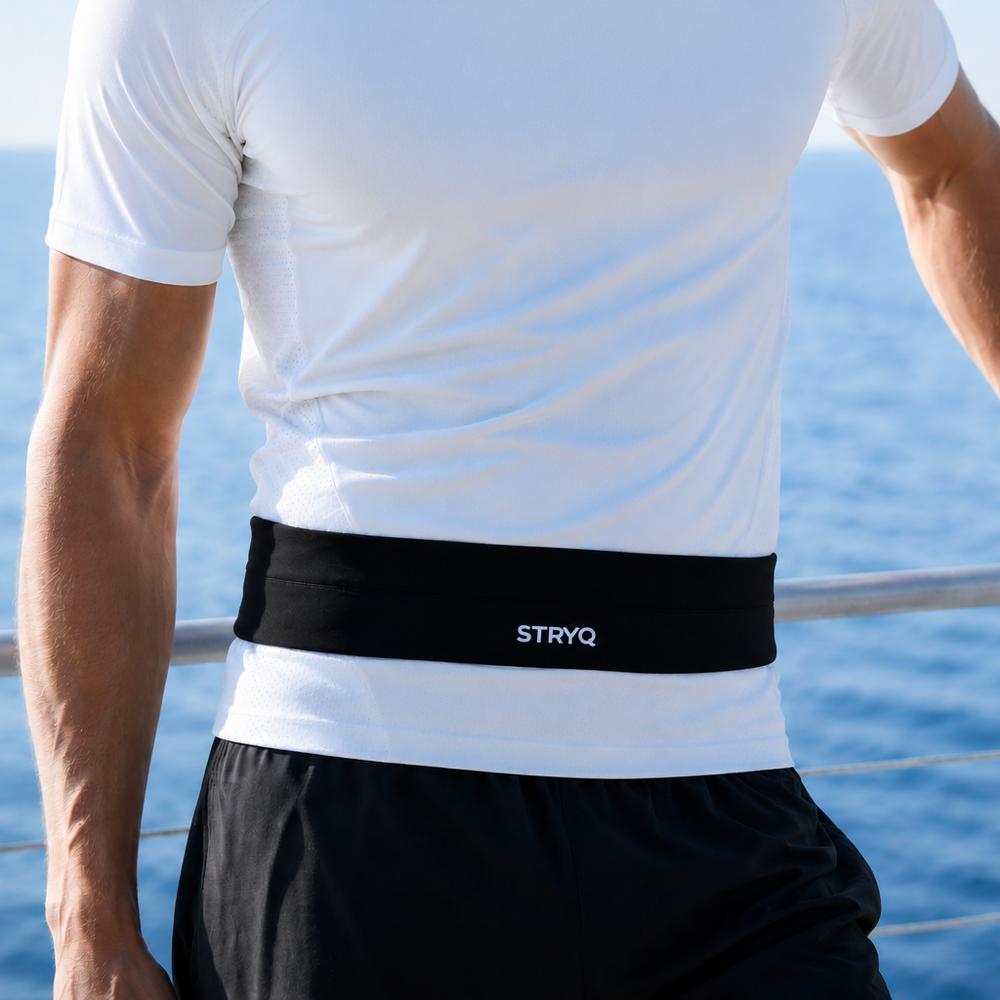
This decision depends on your fuelling plan. If you are happy relying on official water stations and only need to carry a few gels, a low-profile running belt is usually the simplest option. It keeps fuel, phone and keys secure without loading your pockets or making your shorts bounce.
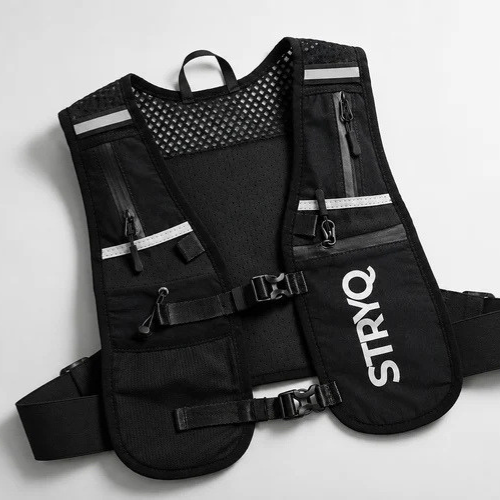
A hydration vest makes more sense if you prefer to drink little and often, expect warmer conditions, have specific hydration needs or want to carry more of your own nutrition. The trade-off is extra weight and warmth. Do not wear a vest for the first time at a marathon just because it seems useful on paper.
For either option, check that every item has a home. Gels should be reachable without stopping. Your phone should not move. Soft flasks should sit securely and be easy to refill or discard if that is part of your plan. No bounce. No bulk. That is the goal.
Watch, headphones and phone
Charge your watch fully the night before and make sure it has enough battery for GPS use over your expected finish time. Turn off alerts you do not need. A marathon is long enough without your wrist buzzing every few minutes.
Headphones are a personal choice. Some runners race better with music or a podcast, while others prefer the crowd and course atmosphere. If you take them, make sure you can still hear marshals and other runners. Keep the volume low and be ready to remove one if needed.
Carry a charged phone for meeting people afterwards and for emergencies. Put it in a waterproof pouch or secure pocket if rain is likely. Screens can be difficult to use with wet hands, so arrange your post-race meeting point before the race begins.
Fuel and Hydration: Pack What You Have Practised
Your Manchester Marathon kit list should reflect your training nutrition, not whatever is handed out at the expo. Check the official event information for the latest details on aid stations and available products, then decide what you need to bring yourself.
Most runners benefit from taking fuel regularly from early in the race. Waiting until you feel empty is usually too late. The exact timing depends on your pace, stomach tolerance and carbohydrate target, but your plan should be simple enough to follow when your concentration drops.
Pack the gels, chews or drink mix that you have used successfully on long runs. Bring one or two more than your planned amount in case one is dropped, difficult to open or simply unappealing later on. If gels are hard to open while moving, tear the top slightly before the start, while keeping the packet sealed.
Caffeine is useful for some runners and unpleasant for others. If you use caffeinated gels, know which ones they are and when you intend to take them. Mixing several new caffeinated products across a race can upset your stomach or make pacing feel harder to control.
Drinking needs vary. A cool, wet morning does not mean you can ignore fluids, but carrying two full flasks for the whole race may be unnecessary if stations are frequent and you are comfortable using them. Match your kit to your actual plan, not a worst-case scenario.
What to Put in Your Finish Bag
A finish bag is where comfort returns quickly after the line. You may be warm while running, then cold within minutes once you stop. Pack it clearly and use only the bag and label specified by the event.
Include dry underwear, warm socks, a loose top and joggers or trousers that are easy to pull on over tired legs. A lightweight waterproof layer is useful if you will be standing outside waiting for family or travelling home. Flip-flops or roomy trainers can feel better than putting your feet straight back into your race shoes.
Add a snack you know you can eat, plus a drink if you want one. The finish area may provide refreshments, but having something familiar is reassuring, particularly if you have a longer journey afterwards. A small packet of wipes, tissues and plasters can also be worthwhile.
Do not leave valuables in the bag unless the event specifically advises otherwise. Keep essential payment cards, travel details and any medication secure on your person where possible.
The Small Things That Make Race Morning Easier
Lay everything out the night before. This is not about being overly organised. It prevents the classic race-morning search for a safety pin, charging cable or gel box when you should be eating breakfast.
Your final packing check should cover these practical items:
- Race number, timing chip if supplied separately, and photo ID if required.
- Travel plan, including train tickets, parking details or a saved taxi number.
- Weather protection such as a disposable poncho, old jumper or bin bag for the start area.
- Anti-chafe balm, sunscreen and a small pack of tissues.
- Any regular medication, inhaler or medical information you need to carry.
Check the forecast again on the evening before, then make one sensible adjustment if needed. A warmer-than-expected day might mean a lighter top and more fluid. Persistent rain might mean a cap to keep water out of your eyes and a dry layer in the finish bag. Avoid rebuilding your whole plan because of a single weather app update.
Keep the Kit Plan Simple
The best marathon gear is almost forgettable. It fits, carries what you need and lets you focus on pacing, fuel and the people around you. STRYQ accessories are designed around that practical standard: secure storage, comfortable hydration and less distraction when the miles get hard.
Pack early, wear what you trust and keep your race-day decisions to a minimum. When you reach the start line, your job is not to manage your kit. It is to run the race you trained for.