Wash running socks in cold water or at 30°C on a gentle cycle, or hand wash them, skip the fabric softener, and let them air dry. This protects the elastane and the moisture-wicking channels that keep feet dry and blister-free. Heat and softener residue are the two things most likely to shorten a sock’s working life.
TL;DR:
- Washing running socks at 30°C in a gentle cycle or hand washing with cold water prevents elastane damage and maintains moisture-wicking performance.
- Using a mesh bag and turning socks inside out protects their shape, reduces tangling, and avoids stretching against zippers or Velcro.
- Air drying flat or hanging by the cuff preserves elasticity and prevents the 41% stretch loss associated with heat above 55°C.
- Avoiding fabric softeners, bleach, and high heat prolongs sock lifespan and prevents residue buildup that can impair moisture-wicking.
- Replacing socks should depend on visible wear, persistent odour, or loss of support, typically ranging from three to twelve months depending on usage.
Table of Contents
- Quick care checklist before you wash
- How to machine wash running socks properly
- How to hand wash delicate or high-elastane socks
- Drying and storing socks to keep their shape
- Fixing odour and stains without damaging the fibres
- When it’s time to replace your running socks
- How we think about care and durability
- A sock built to handle this kind of care
- Sources
- FAQ
Quick care checklist before you wash
Run through this before any load goes in, whether it is a weekly wash or packing for race day.
- Set the machine to cold or 30°C.
- Turn socks inside out to protect the outer knit and cushioning.
- Use a liquid detergent rather than powder or a 2-in-1 pod.
- Add a mesh bag if washing socks with other items.
- Skip fabric softener and dryer sheets entirely.
- Air dry rather than tumble dry on heat.
- Treat heavy odour with a vinegar soak or a sport-specific detergent.
Dry socks fully before putting them away. A damp pair left at the bottom of a gym bag is how mildew and lingering smells start.
How to machine wash running socks properly
A standard wash cycle handles most technical running socks, provided the settings are right.
- Set the machine to 20 to 30°C, with 30°C as the safe default.
- Choose a gentle or low-agitation cycle.
- Add a small dose of liquid detergent, fragrance-free if your skin is sensitive.
- Skip powder detergents and softener pods, which can leave residue in cold cycles.
- Place socks inside out and inside a mesh laundry bag.
- Run a second rinse if you are worried about detergent build-up.
- For stubborn odour, pre-soak for 30 minutes in cold water with two tablespoons of white vinegar, or use an enzyme-based sport detergent.
- Never use bleach on technical fabric.
- Once washed, reshape and air dry rather than tumble dry.
Pro Tip: Wash socks inside out and in a mesh bag together: it stops them tangling with other items and keeps cuffs from stretching against zips or Velcro.
Activewear fibres degrade above 40°C, which causes permanent stretch loss in the elastane. That is the main reason a quick hot cycle, even an accidental one, can leave a well-fitting sock baggy within a few washes.

How to hand wash delicate or high-elastane socks
Some running socks, particularly those with mesh panels or a high proportion of elastane, hold their shape better with a hand wash.
- Fill a basin with cold water, no warmer than 30°C.
- Add around one teaspoon (5 millilitres) of liquid detergent.
- Submerge the socks turned inside out.
- Press and soak gently for 5 to 10 minutes.
- Avoid twisting or wringing, which stresses the knit.
- Rinse twice in clean cold water.
- Roll in a towel to remove excess water before laying flat.
Hand washing reduces mechanical stress and pilling compared with a high-agitation machine cycle, which matters most for socks with delicate knit zones or mesh ventilation panels. If a sock’s care label mentions a high elastane percentage, hand washing is worth the extra few minutes.
Drying and storing socks to keep their shape
Heat is the enemy of elastane, and how you dry a sock matters almost as much as how you wash it.
- Air dry flat or hang by the cuff so the sock keeps its natural shape.
- Avoid tumble heat above a low or air-only setting.
- Reshape the sock gently while it is still damp.
- Never leave wet socks balled up in a bag for more than a few hours.
- Store only once fully dry, to avoid mildew and trapped odour.
- A flat drying rack works well at home, and a travel line or hanger does the job on the road.
High-heat drying above 55°C significantly reduces spandex elastic recovery, with one source reporting a 41% loss after 12 cycles. That kind of repeated damage is exactly what cold-water washing and air drying are meant to prevent.
Fixing odour and stains without damaging the fibres
Sweat, mud and the occasional blister leave marks that need treating carefully, not aggressively.
- Pre-soak for 30 minutes in cold water with two tablespoons of white vinegar for sebum-related odour.
- Use an enzyme-based sport detergent as an alternative to vinegar.
- Avoid powder detergents in cold washes, since they can leave residue behind.
- Spot-treat mud or blood gently rather than scrubbing hard at the fabric.
- Skip bleach and fabric softener, both of which damage wicking performance over time.
A 30-minute vinegar pre-soak often restores odour-prone synthetic socks without resorting to harsher chemicals that can affect elastane or wicking. For a second opinion on tackling stubborn gym-kit smells, Spritz’s guide to odour removal covers similar ground. The trade-off with aggressive cleaners is real: they may lift odour fast but wear down the coatings and stretch recovery that make a sock perform well in the first place.
When it’s time to replace your running socks
Condition matters more than the calendar when deciding whether a pair is done.
- Permanent bagging around the arch or ankle that does not bounce back.
- Odour that persists even after a proper wash and soak.
- Visible thinning, holes, or flattened cushioning underfoot.
- Reduced stretch in the cuff or heel when you check by hand.
There is no fixed replacement date, but most runners find a window of three to twelve months depending on weekly mileage and how often socks go through the wash. A look at what durability testing actually measures covers how cushioning and arch support hold up under repeated washing and wear.
How we think about care and durability
Sock durability can be tested through repeated wash cycles alongside wear trials, tracking how cushioning, arch support and fit hold up over time. The washing steps above are not arbitrary: they reflect the same conditions used in that testing, and they are what keep a sock’s blister-reducing fit intact for longer, as covered in STRYQ’s guide to stopping sock blisters. Gentle, consistent care is the simplest way to protect the money already spent on a decent pair of socks.
— martin
A sock built to handle this kind of care
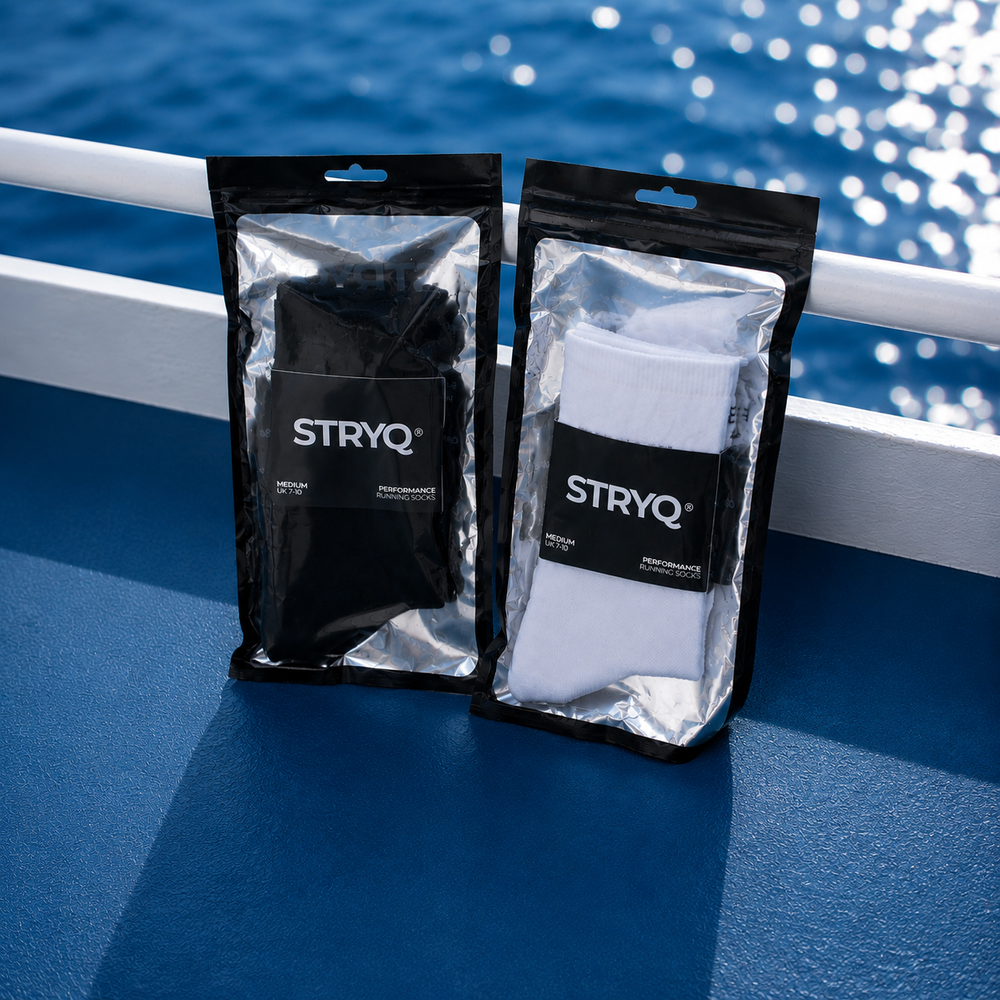
STRYQ Running Socks are built with arch support and cushioning designed to survive regular washing without losing shape, and they are machine-friendly at 30°C when the steps above are followed. They come in STRYQ Running Socks - Black and STRYQ Running Socks - White, priced at £17 each.

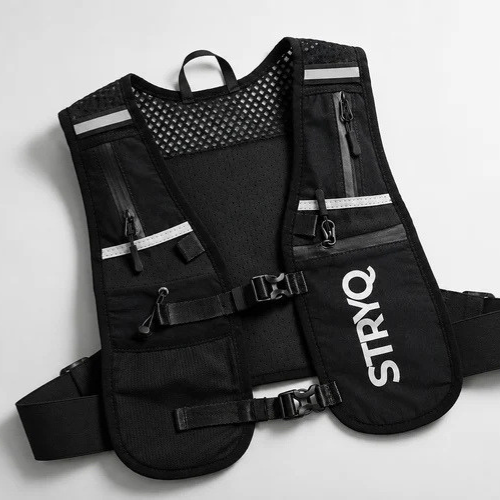
If you are also due a refresh on other kit, the full running gear collection covers belts, hydration vests and high-vis accessories, while the running socks range is the place to compare both colourways side by side.
Sources
FAQ
Is it okay to wash socks in the washing machine?
Yes, most running socks can go in the washing machine on a cold or 30°C gentle cycle, turned inside out and ideally inside a mesh bag. Avoid fabric softener, since it coats the fibres and blocks moisture-wicking.
How often should you replace running socks?
Replace socks when they show permanent bagging, persistent odour, thinning fabric or flattened cushioning rather than on a fixed schedule. Depending on mileage and wash frequency, that often falls somewhere between three and twelve months.
Is it better to wash socks in cold or hot water?
Cold water or 30°C is the safer choice for running socks, since heat above 40°C degrades elastane fibres and causes permanent stretch loss. Hot water also sets in odour rather than removing it.
How can I wash my socks without losing them?
Use a mesh laundry bag or pin pairs together before they go into the machine, and avoid tossing loose socks into a large mixed load. Washing socks inside out in a bag also protects the cuff and knit from catching on other items.
What is the best detergent for running socks?
A fragrance-free liquid detergent works best in cold-water cycles, since powder detergents and 2-in-1 pods can leave residue when water is cold. For stubborn odour, an enzyme-based sport detergent is a good alternative to a vinegar soak.