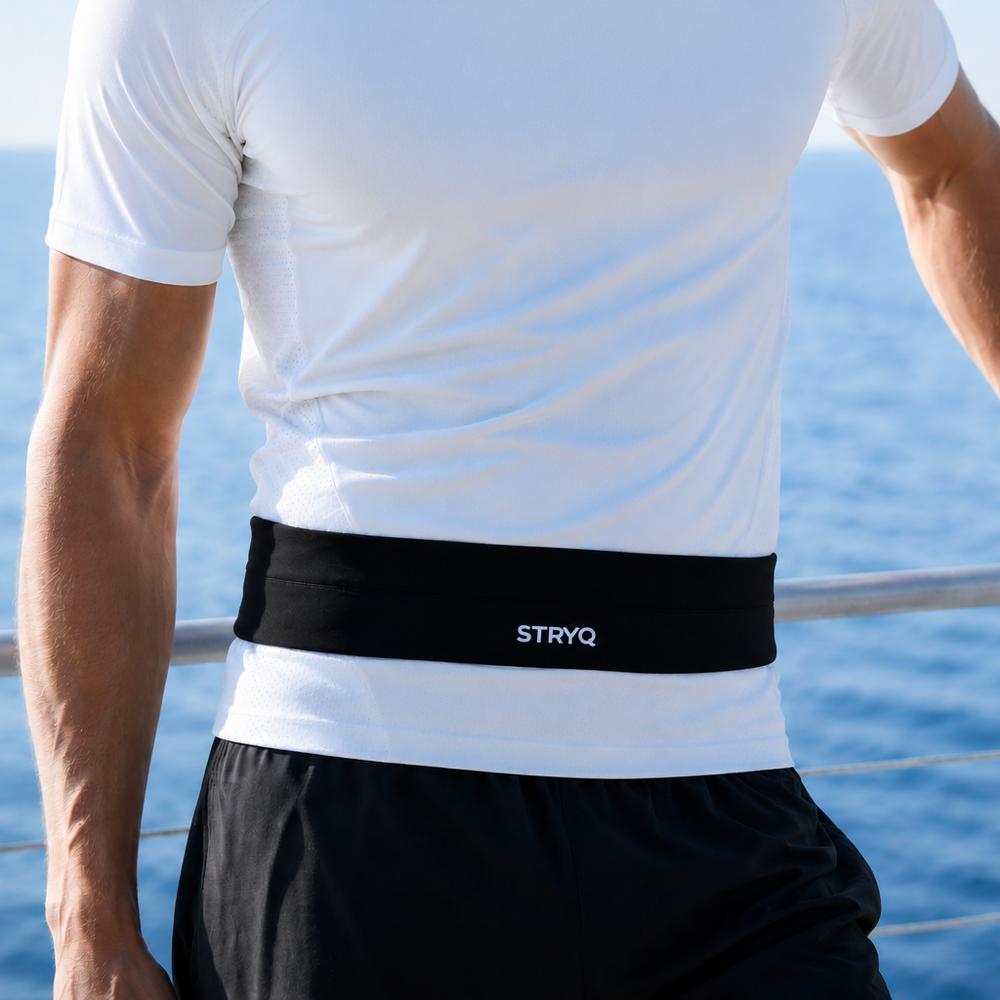
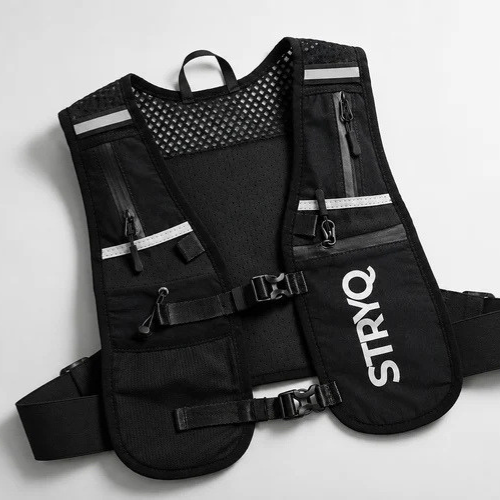
A running belt or waistpack is the best all-round way to carry your phone while running, because it holds the phone close to your body and virtually eliminates bounce. Armbands win on quick screen access for short sessions, and pockets work fine for a five-minute jog. For anything over 5K, or if you’re carrying gels and keys too, a belt or vest beats them all.
TL;DR:
- Waist belts or vests provide the best stability and no-bounce performance for runs longer than five kilometers or when carrying additional items like gels and keys.
- Proper fit involves positioning the belt just above the hip bone and tightening it enough to fit two fingers underneath, while adjusting pouches for minimal movement and bounce.
- Using a zipper compartment and a drop-proof case can significantly reduce the risk of damage from impacts or falls, especially in trail running.
- Running accessories should be tested with the actual phone and case, using a 60-second jog test to ensure the device stays still and balanced during movement.
- Maintaining hygiene involves wiping the phone and gear after sweaty runs, air drying gear fully, and rotating armbands to prevent bacterial buildup and skin irritation.
Table of Contents
- Carry phone while running: comparing your options at a glance
- How to fit each phone-carrying method properly
- How to choose the right phone carrier for your running style
- Practical no-bounce fit drills that actually work
- Protecting your phone: cases, sleeves and pocket organisation
- When to leave your phone at home
- Hygiene considerations for carrying phones while running
- Battery life management on long runs
- Securing your phone against falls and impacts
- STRYQ’s perspective: why we favour belts and vests
- STRYQ gear built to pair with your phone-carrying setup
- Sources
Carry phone while running: comparing your options at a glance
Every method trades off three things: how still the phone sits, how easily you can reach it, and how much else you can carry alongside it. Get clear on which one matters most to you and the right choice becomes obvious fast.
Running belt/waistpack
- Pros: low bounce, room for keys and gels, works for any distance
- Cons: some designs ride up without a snug fit
- Best for: 5K to marathon distance, anyone carrying more than a phone
Armband
- Pros: fastest screen access, cheap, simple to use
- Cons: can restrict blood flow, sweat pools under the fabric, phone size limits fit
- Best for: short runs, gym sessions, anyone glued to their music app
Sports bra pocket
- Pros: no extra kit needed, secure against the chest
- Cons: awkward to reach mid-stride, only suits smaller phones
- Best for: short, easy runs where you rarely check the phone
Shorts/tights pocket
- Pros: zero extra gear, phone sits close to the body
- Cons: bounces in loose pockets, can chafe on the thigh
- Best for: quick runs in fitted kit, backup storage for keys
Hydration vest/chest pack
- Pros: huge storage, stable against the chest, doubles as water carrier
- Cons: overkill for a short loop, more to adjust before you set off
- Best for: long runs, trail routes, races with limited support
Handheld
- Pros: instant access, no strap adjustment
- Cons: tires one hand, altered arm swing over distance
- Best for: short runs, cautious first outings with a new phone
Armbands offer the fastest direct-view access, but waist-worn belts provide the best stability and no-bounce performance for most runners, which is why they sit at the top of most kit lists once distance climbs past a few miles.
How to fit each phone-carrying method properly
Buying the right accessory only solves half the problem. Fit and placement solve the rest, and this is where most runners go wrong.
-
Waist belt or waistpack. Position the pouch just above your hip bone rather than dead centre on your back, and tighten it until you can fit two fingers underneath, no more. Store gels in a side pocket and keys in a zipped compartment away from the phone screen, since loose keys are a common cause of scratched glass.
-
Armband. Wear it on the upper forearm, not the bicep, where muscle movement causes less shift. Touchscreen covers work for basic taps but often lag on swipes, so many runners find it faster to briefly unlatch the band, check the screen, and reattach it rather than fight an unresponsive cover.
-
Sports bra pocket or chest carry. Accept the access trade-off here: pulling a phone out mid-stride from a chest pocket is fiddly, so this suits runs where you’ll check the phone once or twice, not runs where you’re constantly swapping podcasts.
-
Shorts or tights pocket. A pocket sewn into fitted fabric close to the body outperforms a loose pocket on baggy shorts every time, because slack fabric is what causes the phone to slap against your thigh. If chafing is an issue, move the phone to the opposite side from your usual water bottle or gel stash.
-
Hydration vest or chest pack. This is your best move once a run passes roughly 90 minutes or heads onto trail, because vests carry larger fluid volumes and offer stable pockets for phones and supplies that a belt simply can’t match. Keep the phone in a front pocket rather than a side pocket so it stays visible and doesn’t dig into your ribs on climbs.
-
Handheld. Use a case with a wrist strap or grip loop so a sweaty palm doesn’t send your phone into the road. Treat this as a short-term solution for a 20 or 30-minute run rather than your everyday choice, since an unbalanced arm swing over longer distances tends to fatigue one side more than the other.
How to choose the right phone carrier for your running style
Start with the phone itself, not the accessory. Measure its height and width with the case on, because several holders in independent testing were built to fit the phone alone and rejected anything with a protective case attached, based on testing across 10 popular running phone holders.
From there, work through a short checklist before you commit to anything:
- Run length and storage needs. A quick 5K needs almost nothing; a half marathon or longer needs room for gels, a key, and possibly a soft flask.
- Access frequency. If you check maps or skip tracks constantly, prioritise a touchscreen-accessible cover or armband. If the phone stays in your pocket for safety only, prioritise storage and stillness over easy reach.
- Materials. Look for breathable mesh backing against sweaty skin and at least light water resistance for British weather. A snug tubular belt design spreads weight evenly and avoids the pressure points some buckled belts create.
- Fit before you buy. If you can, try it on with your actual phone and case, tighten it, and jog on the spot for 30 seconds. Any strap that needs constant readjustment mid-run is a red flag.
Pro Tip: Load the pouch with your phone, keys, and a gel before you buy, then jog in place. If anything shifts or slaps against you in those 30 seconds, it will do the same at mile eight.
Practical no-bounce fit drills that actually work
Martin, STRYQ’s running advice contributor, runs the same 60-second test on every belt and vest before it goes near a product page. Tighten the strap, jog gently on the spot for a full minute, then check three things:
- Does the phone shift position inside the pocket?
- Can you feel it swinging independently of your stride?
- Does the strap ride up or need mid-run adjustment?
The physics behind this is simple: keeping the device close to your centre of mass, whether that’s your waist, chest, or thigh, is what actually solves bounce, because a phone loose in a baggy pocket swings on its own arc while your body moves on another.
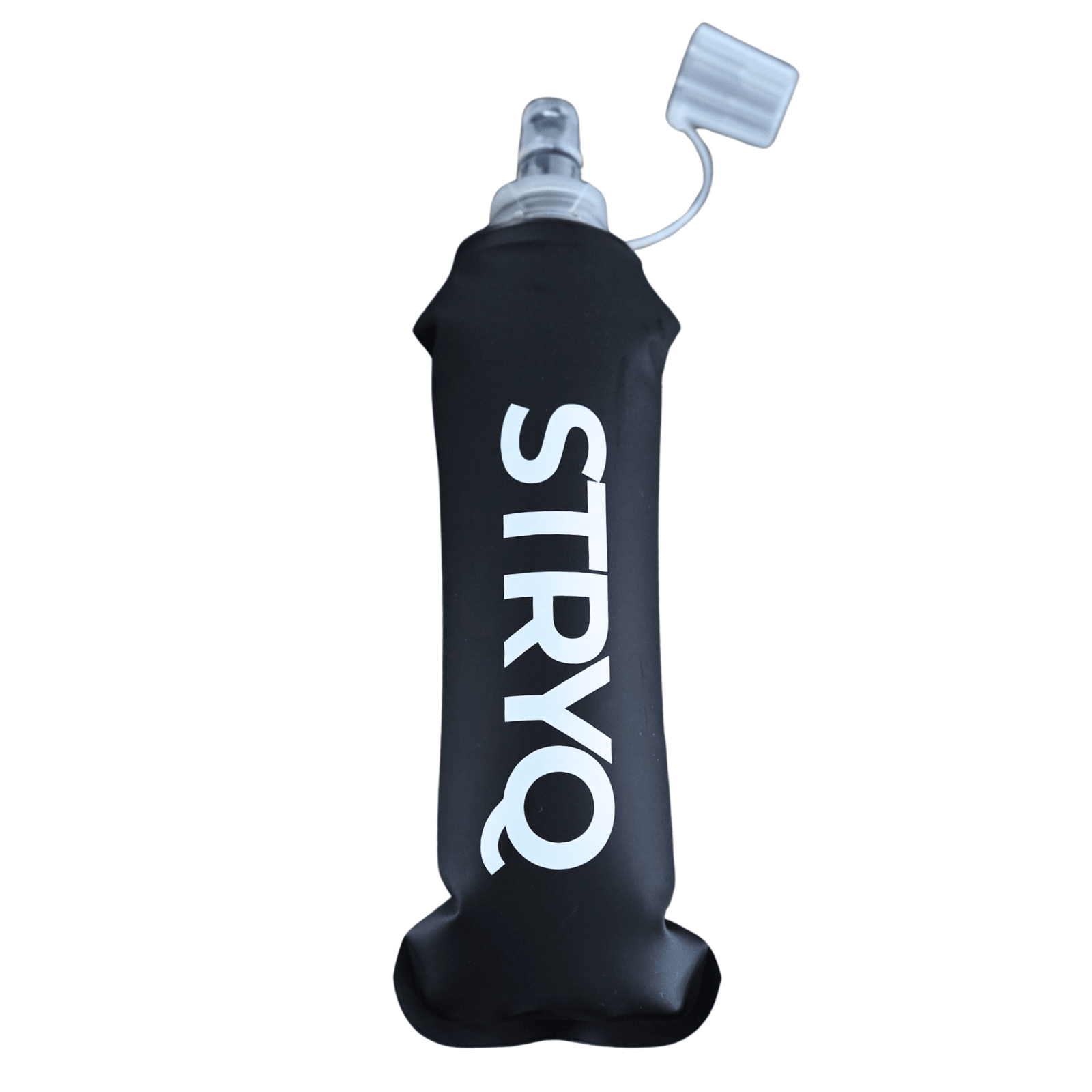
This is also why STRYQ’s soft flasks are built to sit flush against a belt or vest rather than sticking out. A 500ml soft flask collapses as you drink, so it doesn’t develop the same slosh and bounce a rigid bottle does once it’s half empty, which keeps the whole belt settled through longer efforts.
Pro Tip: If your belt passes the 60-second jog test standing still but fails on your first real run, the issue is usually the angle of the pouch, not the tightness. Rotate it slightly forward so it sits over your hip rather than your lower back.
Protecting your phone: cases, sleeves and pocket organisation
A cheap sandwich bag or zip-top bag gives immediate sweat and rain protection at no cost and works fine until you’re ready to invest in a dedicated waterproof sleeve.
- Use a slim case for belts, vests, and armbands, where the pouch itself does the protecting.
- Switch to a heavy-duty, drop-proof case if you’re holding the phone in your hand, since slips are one of the most common causes of running phone damage.
- Keep keys and gels in a separate compartment from the phone. Loose keys rattling against a screen are how most running phones pick up scratches.
When to leave your phone at home
Running without a phone means less distraction, a lighter load, and one less thing to check mid-stride. A GPS watch with built-in cellular covers your tracking and emergency needs without the bulk. On race day, if you go phone-free, tell someone your route and expected finish time, and carry ID or a card instead.
Hygiene considerations for carrying phones while running
A phone spends a run pressed against sweaty skin or bouncing inside a warm, damp pouch, and that combination is exactly what bacteria thrive on. Sweat carries salt, oils, and skin cells that build up on both the phone case and the fabric around it, and a pocket or armband that never fully dries between sessions becomes a breeding ground over weeks of regular use.
The fix is straightforward. Wipe your phone screen and case with an antibacterial wipe or a damp microfibre cloth after every sweaty run, paying particular attention to the edges where grime collects. Let your belt, armband, or vest air dry fully before the next outing rather than stuffing it straight back in a kit bag while still damp, since trapped moisture is what allows odour-causing bacteria to multiply.
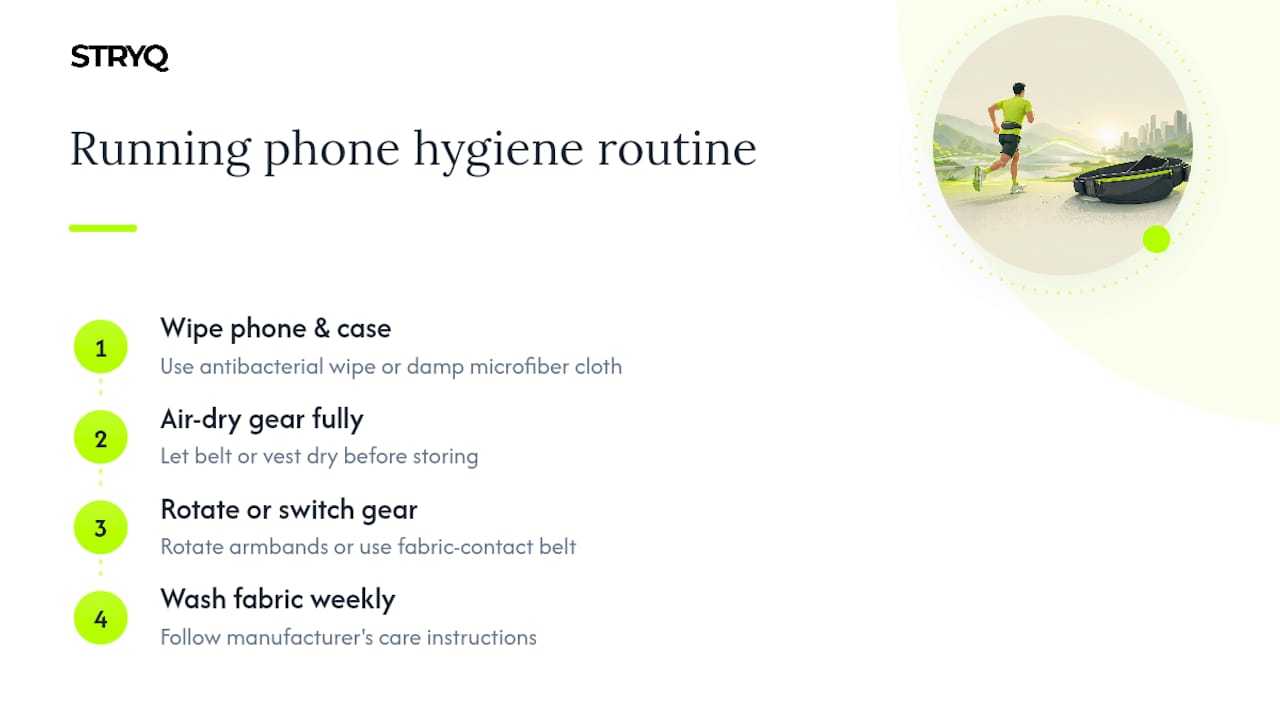
If you’re prone to skin irritation, an armband is the highest-risk option because it sits against skin for the full duration of the run. Rotating between two armbands, or switching to a belt that only touches fabric rather than bare skin, cuts down on both chafing and bacterial build-up. Washing the fabric components of your carrying gear weekly, following the manufacturer’s care instructions, keeps things fresh without wearing out the elastic prematurely.
Battery life management on long runs
Cold weather, GPS tracking, and a screen left on for navigation all drain a phone battery faster than normal daily use, and a marathon or long trail run can easily outlast what’s left in the tank by the final few miles.
Turn on low-power mode before you set off, dim the screen brightness, and close background apps that ping for updates, since these small steps stretch battery life meaningfully over three or four hours. If you’re running with music or a tracking app open the entire time, that combination is the biggest single drain, so consider downloading playlists offline rather than streaming.
For anything beyond half marathon distance, a small portable power bank stored in a belt or vest pocket is worth the extra weight. Look for one in the 5,000 to 10,000mAh range, light enough not to notice, but enough to top up a phone from empty to fully charged at least once. Keep the charging cable coiled and secured so it doesn’t tangle with keys or gels in the same pocket, and test the setup on a shorter run before relying on it during a race.
Securing your phone against falls and impacts
Trips happen, and a phone flying loose from a pocket on impact is how most running phone screens end up cracked. The fixes here are cheap and mostly about placement rather than spending more money.
Zipped pockets beat open ones every time, since an open pocket lets momentum carry the phone straight out on a stumble. If your belt or vest has a choice of stowage, always pick the zipped compartment for the phone over an elasticated open pouch, even if it’s slightly slower to access. A drop-proof case adds a genuine buffer if you do go down, and pairing that case with a wrist strap on a handheld run means the phone stays tethered to you even if it slips from your grip.
Running on trail or uneven pavement raises the stakes further, so keep the phone in the most central, low pocket available rather than a chest pocket that has further to fall. If you’re new to a route or running in low light, a reflective accessory reduces your own risk of a fall in the first place, which protects both you and the phone in your pocket.
STRYQ’s perspective: why we favour belts and vests
We favour a belt or vest approach for most runs because the physics rarely lie: strapped-tight storage against your centre of mass beats a bouncing pocket every time… Our product development cycle involves repeated sample revisions and real runner feedback before anything ships, not a single prototype rushed to market.
— martin
STRYQ gear built to pair with your phone-carrying setup
Stryq is the practical alternative to juggling a phone, water, and keys separately, because the right soft flask turns any belt or vest into a complete hydration and storage system without adding bounce.
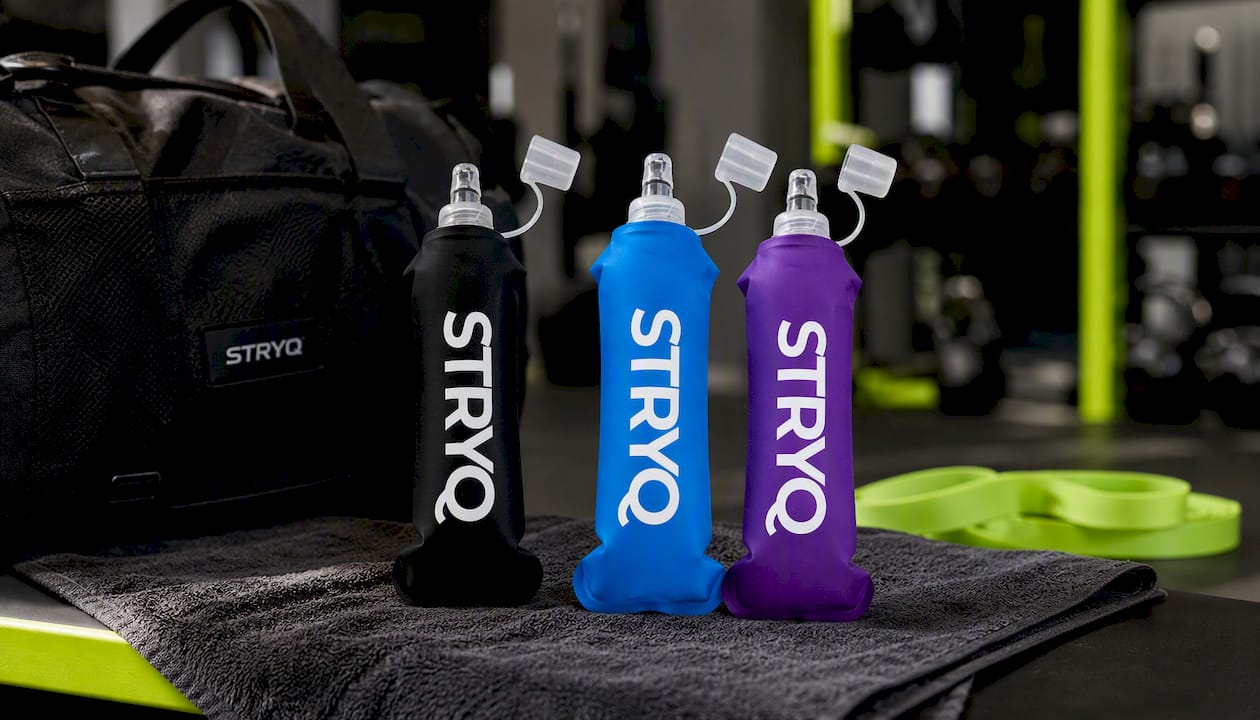
The STRYQ 500ml Running Soft Flask for Hydration Vests is built to sit flush in a vest’s front pocket, collapsing as you drink so it never develops the slosh that rigid bottles do on longer routes. For runners who prefer a belt or a simple pocket setup, the STRYQ Blue Collapsible Running Bottle folds down to almost nothing once empty, keeping your kit light on training runs. And for long-run days when hydration matters as much as phone security, the STRYQ Purple 500ml Soft Flask delivers the same low-bounce performance at a price that won’t stretch your kit budget, always shown in £ at checkout. Browse the full range and find the setup that matches your next run.
Sources
- 6 Ways to Carry Your Phone on a Run
- How to Carry a Phone While Running That Isn’t Just Your Sweaty Hand | SELF
- The 9 Best Phone Holders of 2026 for Running, Tested