A good hydration pack review should answer one question before anything else: will this make your run easier? A pack that carries plenty of water is no use if it rubs your neck, bounces on every downhill or leaves your gels buried where you cannot reach them. For most runners, comfort and access matter more than a long feature list.
The right choice depends on how far you run, how warm it is and what you need to carry. A 5K runner will not need the same setup as someone training for a marathon, while an ultra runner may need water, food, a mobile phone, mandatory kit and spare layers all in one place. The aim is the same for everyone. Carry what you need, with no bounce and no bulk.
Hydration Pack Review: Start With Your Running
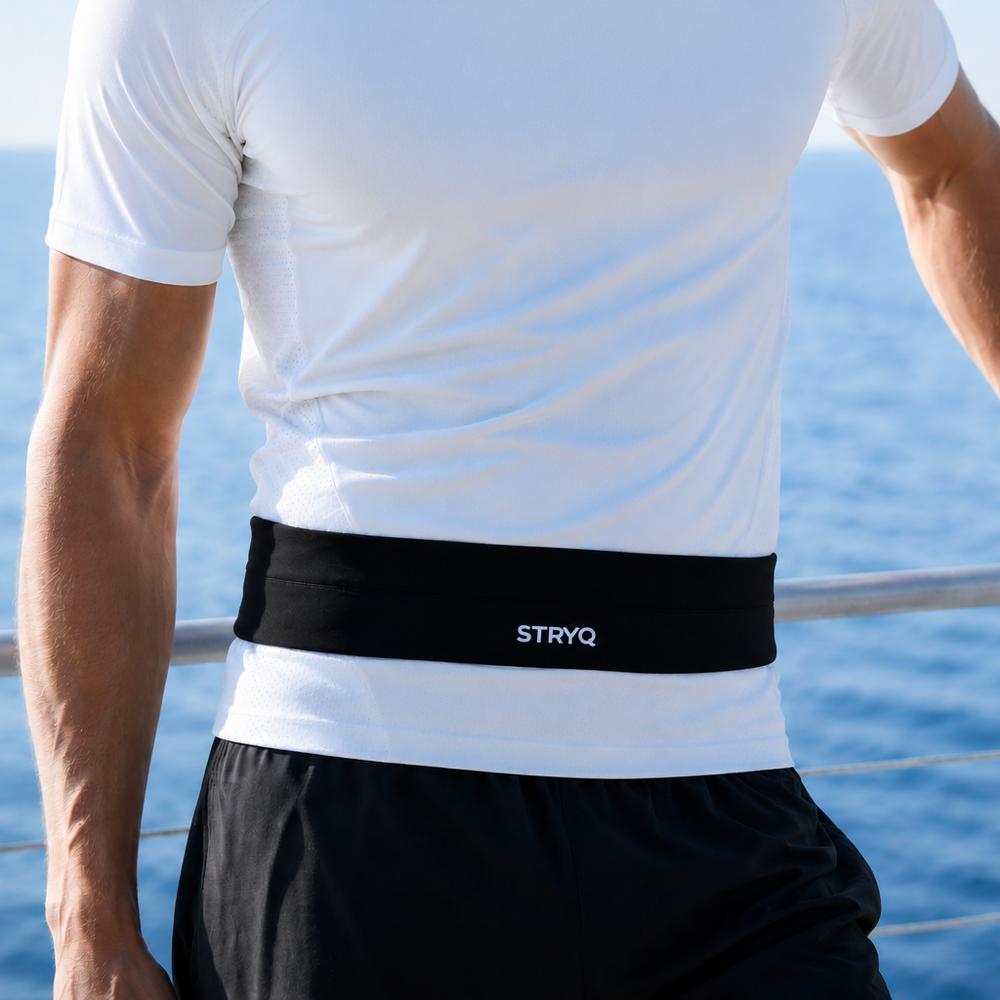
Before comparing packs, look at your usual runs. If you are out for less than an hour and can start well hydrated, a running belt with a small soft flask may be enough. For longer summer runs, trail routes or sessions where there are no reliable water stops, a hydration vest or pack becomes far more useful.
Think about where you run too. A local parkrun needs very little kit. A two-hour run on country trails is different, especially when a café, shop or water tap may be several miles away. On race day, check the event rules and water-station plan before deciding how much you need to carry.
A hydration pack is not automatically better because it holds more. Extra capacity can mean extra weight, a warmer back and more movement. Choose the smallest option that comfortably carries your essentials for the runs you actually do.
Fit Comes Before Capacity
The best hydration pack feels stable from the first mile to the last. It should sit close to your body without restricting your breathing or making your shoulders ache. If it moves when you jog on the spot, it will move more once bottles empty, your top gets damp and the terrain changes.
The no-bounce check
Put the pack on with the amount of water you expect to carry. Tighten the side and chest adjustments gradually, rather than pulling everything as tight as possible. You want a secure hold around the ribcage, not pressure across the chest.
Run up and down a few stairs, lean forward and turn your upper body. Listen for sloshing and feel for shifting. Front-mounted soft flasks should stay close to your ribs. A rear bladder should sit high enough that its weight does not drag the pack down your back.
Women should pay particular attention to chest strap placement. Adjustable straps are useful because they let you avoid pressure in the wrong area. A fit that seems fine standing still can become uncomfortable after 30 minutes, so keep the tags on and test the pack properly if returns are allowed.
Adjustability matters more than a fixed size
Your pack needs to work over a lightweight summer tee and a long-sleeve top or jacket. It also needs to stay stable as you drink. Look for enough adjustment at the chest and sides to make small changes without creating loose straps that flap about.
The cut matters as much as the adjustment. Some runners prefer a compact vest with wide contact areas that spread the load. Others find a narrower pack cooler and less restrictive. Neither is universally better. Your torso shape, running posture and the amount you carry will decide it.
Soft Flasks or a Bladder?
This is one of the biggest decisions in any hydration pack review. Front soft flasks make it easy to see how much you have left and take regular sips without breaking stride. They also balance weight around the body and leave the back of the vest available for kit.
They are particularly practical for road running, marathon training and events with frequent water stations. You can refill one flask at a time, carry water in one and an electrolyte drink in the other, or leave one empty until you need it. The downside is that larger flasks can feel awkward for some runners if the front pockets do not hold them securely.
A bladder carries more water in a single reservoir at the back. This can suit long trail runs, hot days and routes where refilling is unlikely. Drinking through a hose is simple once set up, but cleaning and drying a bladder takes more effort. It is also harder to know exactly how much water remains, and refilling can mean taking the pack off.
Many running vests accept both options. That gives you flexibility, but only if you genuinely need it. Do not pay for a large reservoir compartment if all your runs are close to home and you prefer two soft flasks.
Capacity Should Match the Route
Capacity is usually shown in litres, but the number can be misleading. A 10-litre running vest may be ideal for an all-day trail outing, yet feel excessive for a Sunday road run. Focus on what you need to carry after the water is in place.
For shorter runs, space for a mobile phone, keys and one or two gels may be enough. For half-marathon and marathon training, you may want two soft flasks, nutrition, a light layer and somewhere safe for your mobile phone. Longer trail days can require more: a waterproof, gloves, first-aid basics, food, a head torch and race-mandated equipment.
Check whether the pack has separate storage for wet or muddy items. A damp jacket pressed against your mobile phone and snacks is frustrating. Stretch pockets are useful, but they should hold their shape rather than sag when loaded.
Pockets Need to Work While You Run
A hydration pack should not force you to stop every time you want a gel. The most useful pockets are the ones you can reach while moving, usually on the front of the vest. These are ideal for nutrition, salt tablets, tissues or a small amount of litter from used wrappers.
Your mobile phone needs a secure pocket that does not bounce. Test it with your actual mobile phone, especially if you use a larger model or a protective case. A zip can add security, but an easy-access stretch pocket may be more convenient if you use your mobile phone for navigation or photos.
Also check the small details. Is there a safe place for keys? Can you route a hose neatly? Do pole loops, if included, get in the way when you are not using poles? A feature only helps if it makes your normal run simpler.
Comfort in Warm and Wet Weather
A hydration vest adds another layer, so breathability matters. Mesh panels can reduce the clammy feeling on warm days, but no pack will make your back completely dry during a hard session. The priority is avoiding hot spots and chafing.
Wear the top you normally run in for your first longer test. Seams, zip edges and bottle tops can all become irritating when sweat and repeated movement are involved. If you are prone to chafing, use anti-chafe balm before longer runs, particularly around the neck, underarms and chest strap area.
British weather also makes weather resistance worthwhile. A water-resistant pocket can protect a mobile phone from drizzle and sweat, but it is not the same as a fully waterproof compartment. Put electronics in a small waterproof pouch if you expect sustained rain.
What a Pack Reveals on a Long Run
A short jog around the block will identify obvious bounce. A 90-minute run reveals the things that really matter: whether a strap rubs, whether the flasks collapse neatly as you drink, whether the pack stays balanced and whether you can find your food without fumbling.
Use your first few runs as a setup period. Adjust the straps with full bottles, then again when they are partly empty. Move gels between pockets if one side feels heavier. Practise opening and refilling flasks before race day. Small changes can turn an almost-right pack into one you forget you are wearing.
If you run with electrolytes, clean flasks and hoses after every use. Plain water is forgiving. Sugary drink mix left in a bottle can smell unpleasant and make valves sticky. Let everything dry fully before storing it.
Is a Hydration Pack Right for You?
A pack is worth considering when your running takes you beyond easy access to water, nutrition or safe storage. It is especially useful for marathon training, trail running, holidays in warmer places and long runs where you want to practise your race-day fuelling plan.
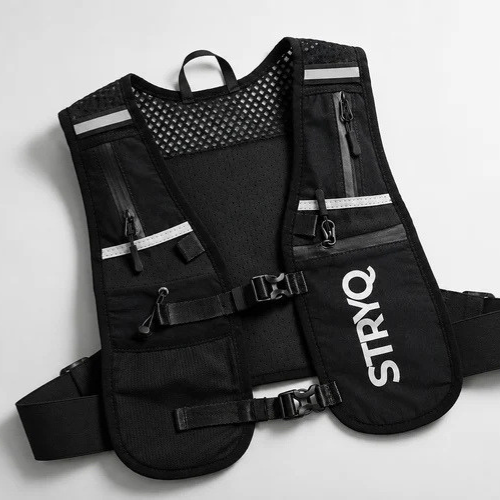
For everyday runners, the winning option is rarely the biggest or most technical one. It is the pack that stays still, lets you drink easily and carries your essentials without making you think about them. STRYQ running hydration vests and soft flasks are designed around that practical standard: secure, lightweight kit that helps you focus on the miles ahead.
Choose your hydration pack after thinking about your longest regular run, not the one adventure you might do once a year. When the fit is right and your water is easy to reach, drinking little and often becomes part of your rhythm rather than another job to manage.