A running belt can feel perfect for the first mile, then turn into a constant irritation once sweat builds up. Chafing around the waist is rarely caused by one thing alone. It is usually a mix of movement, moisture, poor fit and rough clothing seams. Knowing how to prevent belt chafing means fixing that combination before it distracts from your run.
The good news is that you do not need to put up with it, even on long runs or race day. A belt should carry your phone, keys, gels or soft flask without rubbing, bouncing or needing constant adjustment.
Why running belts cause chafing
Chafing happens when skin or fabric repeatedly rubs in the same place. Add sweat, rain or damp clothing and the skin softens, making it more vulnerable. A belt that moves even a few millimetres with every stride can create enough friction to leave sore patches around the waist, hips or lower back.
An overloaded belt can make this worse. A heavy phone, several gels and a set of keys pull the belt down or to one side. You tighten it to stop the bounce, but if it is too tight, the edge presses into your skin and traps moisture. The aim is secure contact, not compression.
Your running top matters too. A long, loose top can bunch beneath a belt. A short top may leave the belt directly against bare skin. Neither is automatically wrong, but both change where rubbing occurs.
Start with the right belt fit
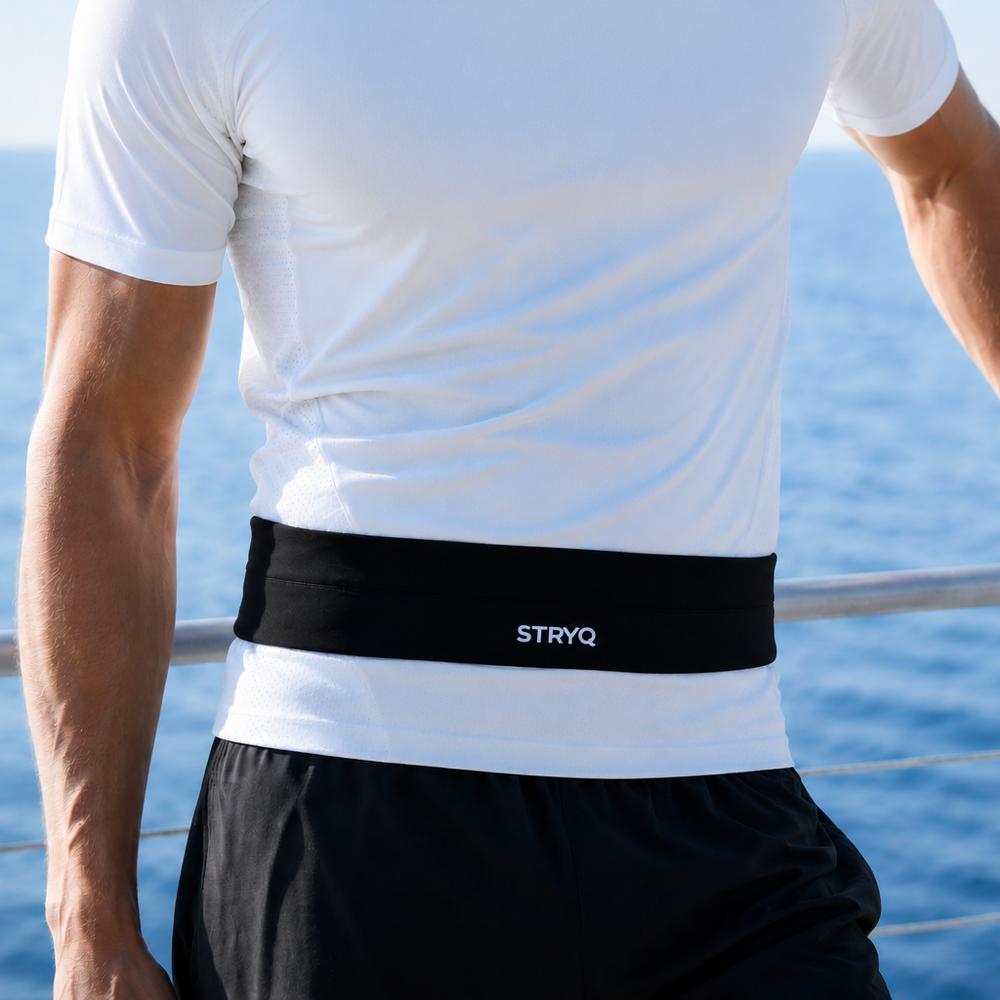
Fit is the biggest factor in preventing chafing. Put your belt on where you naturally like to carry it, usually around the waist or high on the hips, then jog on the spot. It should stay in position without digging in or sliding down.
If it bounces when loaded, do not simply pull the strap as tight as possible. First, spread the contents evenly and reduce anything you do not need. Then make small adjustments until the belt sits close to the body. You should be able to breathe deeply and comfortably.
A belt that is too loose will move against your top or skin. A belt that is too tight can rub at its edges and become uncomfortable as your body warms up. This is why trying a belt on with the kit you actually run with is more useful than judging the fit when it is empty.
Position can make a real difference
There is no single correct place to wear a running belt. Some runners prefer it low on the hips, while others find it more stable just above the waistband of their shorts or leggings. The best position is the one that stays still through your natural stride.
If you get chafing in one spot, move the belt slightly for the next run. Even a small change can shift pressure away from an irritated area. Just avoid placing a belt over a thick seam, drawstring knot or the top edge of folded-over leggings.
Choose clothing that works with the belt
Running belts work best with smooth, close-fitting layers. Look at the waistband and seams on the shorts, leggings or top you use most often. Raised seams, zip pockets and rough labels can become friction points once a belt is sitting over them.
For many runners, wearing the belt over a lightweight technical top creates a comfortable barrier between skin and belt. This can be especially helpful in warm weather, when sweat is likely to build up. Others prefer a belt directly over a smooth waistband because it feels more stable. Test both options on easy runs before committing to one for a half marathon or marathon.
Cotton can hold sweat against the body for longer, increasing the chance of rubbing. Moisture-wicking running clothing is usually a better choice, although even technical fabric can chafe when it is loose, creased or saturated after a wet run.
Check that your layers cannot ride up beneath the belt. A top that gradually gathers at the waist may seem minor at first, but after an hour it can create a rough fold exactly where you do not want one.
Pack your belt for balance, not capacity
A running belt may have room for plenty of kit, but carrying everything you own is not always sensible. Extra weight increases movement and makes the belt harder to keep stable.
Put heavier items as close to the centre of your back or front as the belt design allows. Keep sharp or rigid items, such as keys, in a secure pocket where they cannot press against you. If your phone sits at one side, balance it with gels, tissues or another light item where possible.
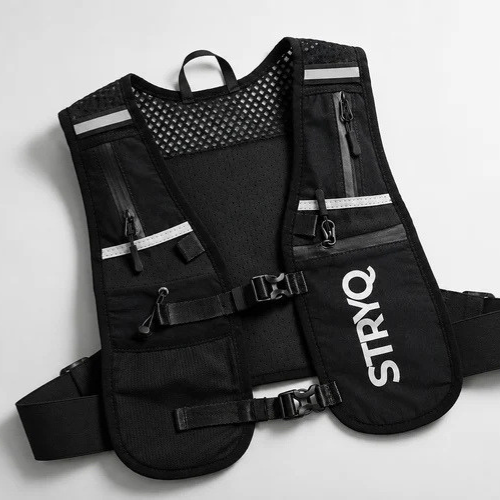
For longer runs, hydration needs careful thought. A small soft flask can work well in a belt designed to hold it securely. But if the belt starts sagging once the flask is full, it may not be the right carrying set-up for that distance. A hydration vest can be the more comfortable option for long training days, trail routes or warmer conditions where you need more fluid.
The practical rule is simple: use the smallest amount of gear that safely supports the run. No bounce. No bulk.
Use anti-chafing protection before the run
If you know an area tends to rub, apply an anti-chafing balm before you head out. Put it on clean, dry skin around the waistline, hips or lower back, depending on where the belt sits. This reduces friction and gives you extra protection on hot, wet or long runs.
Petroleum jelly can help in a pinch, but dedicated anti-chafing products often stay in place better when you sweat. What works best depends on your skin and the conditions, so test it during training rather than using something new on race morning.
Do not use balm as a way to ignore a poor fit. It is useful support, not a replacement for a stable belt and suitable clothing. If you need large amounts every run, something in your set-up probably needs adjusting.
Keep the belt clean and dry
Salt, dried sweat and trail grit can make fabric feel rougher over time. Rinse or wash your belt according to its care instructions, particularly after hot runs, muddy routes or sessions where it has become soaked. Let it dry fully before packing it away.
Check the inside of the belt as well as the outside. Look for worn elastic, damaged stitching, stiff edges and any debris caught in pockets. A belt that has lost its stretch may slide more than it used to, while a damaged seam can quickly become a repeat chafing point.
It is also worth washing the clothing that sits beneath the belt. Old detergent residue or fabric softener can sometimes irritate sensitive skin, especially when combined with sweat.
How to prevent belt chafing on long runs
Short runs can hide small problems. A belt that feels fine for 30 minutes may become uncomfortable after 90, particularly when sweat increases and you have used some of your fuel or water. Build confidence gradually by wearing your full long-run set-up on a medium-length run first.
For race preparation, practise with the same belt position, clothing, nutrition and hydration plan you intend to use on the day. This is not about being overly cautious. It is about removing avoidable surprises. Your focus should be on pace, effort and enjoying the event, not on a belt rubbing your skin raw.
If you are between sizes, consider how the belt feels after a meal, during deep breathing and when carrying a full load. The right answer depends on the belt design and your preferred position, but a stable fit with a little room to move is generally more useful than forcing a smaller size.
A quick pre-run check
Before leaving the house, check four things:
- The belt sits flat, with no twists or folded fabric.
- Your phone, keys and fuel are secure and balanced.
- There are no seams, drawstrings or labels trapped underneath.
- Any known hot spots have been protected with anti-chafing balm.
If chafing does happen, give the skin time to settle and avoid rubbing the same area on your next session. Then change one part of the set-up - fit, position, clothing or load - and test again. Small adjustments made on an easy run can make every mile after it feel far more comfortable.